The Definitive Guide to Coffee Plantation Tours for True Enthusiasts in July 2026
I stepped off the weathered wooden chiva bus in Chinchiná at 6:15 AM, and before the mountain diesel exhaust even cleared, my senses were intercepted by something intoxicating: the sticky, honeyed aroma of over-ripe Pink Bourbon cherries fermenting in stainless-steel anaerobic tanks. The morning air at 1,800 meters tasted like wet slate, cold volcanic mist, and crushed jasmine blossom.
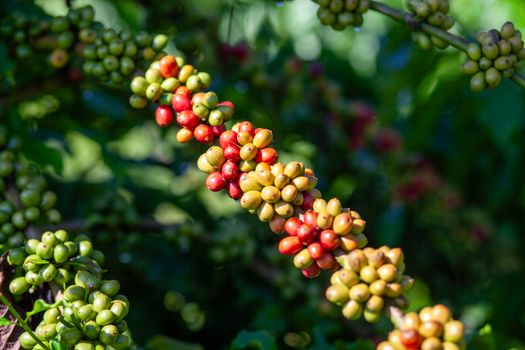
Around me, pickers were already moving up 45-degree slopes with wicker baskets tied to their waists, their hands humming in a rhythmic pattern as they strip-picked only cherries displaying a deep burgundy hue. This wasn't a curated resort experience with plastic souvenirs—it was the dirty, precise, high-stakes science of specialty coffee at origin.
If you consider yourself a true coffee enthusiast—someone who tracks water mineral profiles, argues about burr geometry, and seeks out micro-lots with distinct terroir—traveling to origin isn't just a holiday. It’s a pilgrimage. And July 2026 offers a rare, planetary alignment for green coffee tourism. While Northern Hemisphere origins lie dormant, the Southern Hemisphere and high-elevation equatorial belt are in full harvest overdrive.
Here is your masterclass guide to navigating the absolute best coffee plantation tours on Earth in July 2026.
---
1. Why July 2026 is the Ultimate Harvest Window
To understand coffee, you must understand the harvest calendar. Coffee trees don't yield year-round; they respond to distinct rainy and dry cycles. July represents the primary harvest apex for two giant specialty continents (South America and East Africa) and a critical micro-harvest (mitaca) in high-altitude equatorial zones.
```
+-------------------+----------------------+------------------------------------+
| Origin Region | July Harvest Phase | Enthusiast Target Variety |
+-------------------+----------------------+------------------------------------+
| Sul de Minas, BR | Peak Main Harvest | Yellow Bourbon, Catuaí (Naturals) |
| Kirinyaga, Kenya | Early Fly-Crop/Mid | SL-28, SL-34, Batian (Washed) |
| Caldas, Colombia | Peak Mitaca Harvest | Pink Bourbon, Geisha, Sidra |
| Toraja, Indonesia | Mid-Harvest Peak | S-795, Celebes Kalossi (Giling) |
+-------------------+----------------------+------------------------------------+
```
Visiting during July means you will see active wet mills (beneficios), witness precise Brix-refractometer testing on freshly picked cherry, walk through vast outdoor drying beds (patios or marquesinas), and cup fresh micro-lots right alongside green buyers and head roasters.
---
2. Sul de Minas, Brazil: Oceans of Sun-Dried Sweets
If your palate leans toward heavy body, milk chocolate notes, roasted hazelnut, and intense low-acid sweetness, Brazil in July is non-negotiable. While northern Brazil focuses on industrial production, the rugged topography of Sul de Minas forces a focus on hand-picking and high-altitude drying.
```
[Raw Cherry Arrival]
│
(Brix Sorting)
│
┌───────────┴───────────┐
▼ ▼
[Natural Process] [Pulped Natural]
(Sun-Drying on (Mucilage Intact on
Concrete Patio) Raised Air Beds)
```
The Experience:
At estates like Fazenda Ambiental Fortaleza (FAF) or high-elevation farms around Carmo de Minas, July brings clear, dry, crisp winter days—perfect condition for processing Naturals and Pulp Naturals. You will walk across concrete drying patios spanning hundreds of square meters, where workers use wooden rakes to turn drying coffee cherries every 30 minutes in wave-like geometric patterns.
The Cupping Lab:
In July, the cupping rooms at these estates are humming. You will join morning cupping sessions scoring fresh-off-the-patio Yellow Bourbons displaying notes of dried fig, panela, and creamy peanut butter.
> Pro-Tip: Book your visit between July 12th and 22nd. The humidity drops to its lowest annual levels, creating optimal conditions for outdoor patio-drying photo opportunities at golden hour (around 5:15 PM).
>
> Logistics Secret: Skip the commercial tours operating out of São Paulo city. Take an express bus to Pocos de Caldas, rent a 4x4 manual vehicle, and access the private mountain roads leading to the farms directly.
---
3. Kirinyaga & Nyeri, Kenya: Phosphoric Acid & Blackcurrant Magic
For filter coffee fanatics who crave vivid, electric acidity, complex winey fruit, and blackcurrant notes, Kenya’s central highlands around Mount Kenya are the holy grail.
```
▲ Mount Kenya (5,199m)
/ \
/ \ Rich Volcanic Basalt Soil
/ \ (High Phosphoric Acid Content)
/ \
[Nyeri Plateau] [Kirinyaga Hills]
(1,700-2,100m) (1,600-1,900m)
```
The Terroir & Architecture:
The soil here is striking—an intense, deep blood-red clay rich in volcanic phosphorus. In July, farms managed by Farmers Cooperative Societies (FCS) around Kirinyaga are processing high-elevation cherries using Kenya’s legendary 72-hour double-washing process.
You’ll tour processing stations (factories) like Kiangoi or Kainamui, where coffee is depulped, fermented under shade, washed in long concrete channels using pure mountain spring water, and soaked in clean water tanks overnight before hit the elevated timber drying frames known as African Beds.
What You’ll Taste:
* Varietals: SL-28, SL-34, Ruiru 11, Batian.
* Cup Profile: Phosphoric sparkle, red currant, pink grapefruit juice, and black tea aroma.
> Pro-Tip: The dirt tracks around Karatina become slick mud chutes after brief afternoon mountain showers. Rent a Toyota Land Cruiser with high ground clearance. Bring thick rubber boots (Wellingtons); farms will not allow open shoes inside the processing channels due to biosecurity protocols.
---
4. Caldas & Quindío, Colombia: The Crucible of Experimental Fermentation
While Brazil dominates scale and Kenya leads in traditional washed clarity, Colombia’s Coffee Axis (Eje Cafetero) has transformed itself into the world’s most exciting real-time laboratory for experimental fermentations.
```
[Harvest: 22°+ Brix] ──> [Anaerobic Tank (CO2 Sealing)] ──> [Thermal Shock Bath] ──> [Shaded Raised Beds]
```
July brings the mitaca (secondary harvest) to high-altitude sectors of Caldas, Risaralda, and Quindío. Because yields are smaller than the main harvest, producers dedicate their best micro-plots to wild processing experiments: carbonic maceration, thermal shock, local fruit-yeast co-fermentations, and extended anaerobic fermentations lasting up to 120 hours.
Where to Go:
Focus on the steep ridges around Manizales and Pijao. Estates such as Hacienda Venecia offer dedicated enthusiast programs, but to see true edge-case science, secure a private pass to farms pioneering Pink Bourbon and Geisha varieties.
Up-Close Processing:
You’ll stand next to sealed food-grade stainless steel barrels fitted with airlocks, measuring pH drops and temperature spikes as indigenous micro-flora convert sugars into lactic and malic acids.
```
[Typical Anaerobic Fermentation Setup]
┌─────────────────────────┐
│ [Airlock / Valve] │ <-- Releases CO2, keeps Oxygen out
│ ┌──────────────────┐ │
│ │ Cherry + Yeasts │ │ <-- Controlled temp (18°C)
│ │ pH: Drops 6.5->3.8│ │
│ └──────────────────┘ │
└─────────────────────────┘
```
> Pro-Tip: Request a tour that includes a field measurement lesson. A true enthusiast tour will hand you a digital optical refractometer. If the picker's cherry doesn't measure at least 21° Brix, it stays on the branch.
>
> Hidden Entrance: At Finca El Paraíso near the Caldas line, the experimental cupping room is tucked behind the thermal-shock cooling tanks—ask the lead agronomist to show you their glass column dehydration system.
---
5. Toraja Highlands, Sulawesi: Wet-Hulling in the Clouds
For travelers seeking remoteness, wild scenery, and ancient culture wrapped around a unique processing method, head deep into the central highlands of Sulawesi, Indonesia.
```
[Fresh Cherry] ──> [Pulped at Farm] ──> [Wet Parchment Sold at Market] ──> [Wet-Hulled at 30-50% Moisture]
│
▼
(Giling Basah Processing)
```
The Cultural & Coffee Landscape:
The Toraja region (centered around Rantepao) is famous for its soaring Tongkonan ancestral houses with saddle-backed roofs. July is the dry window in these mist-draped mountains, coinciding with both peak coffee picking and elaborate local cultural festivals.
In Toraja, smallholders grow coffee on tiny forest plots at 1,400 to 1,800 meters. They process their harvest using Giling Basah (Wet-Hulling)—a method unique to Indonesia where parchment skin is removed while the coffee seed is still at a high moisture level (30–50%), compared to the global standard of 10–12%.
The Flavor Profile:
* Cup Profile: Dark chocolate, cedarwood, fresh tobacco, pipe spice, syrupy body, and low, complex herbal acidity.
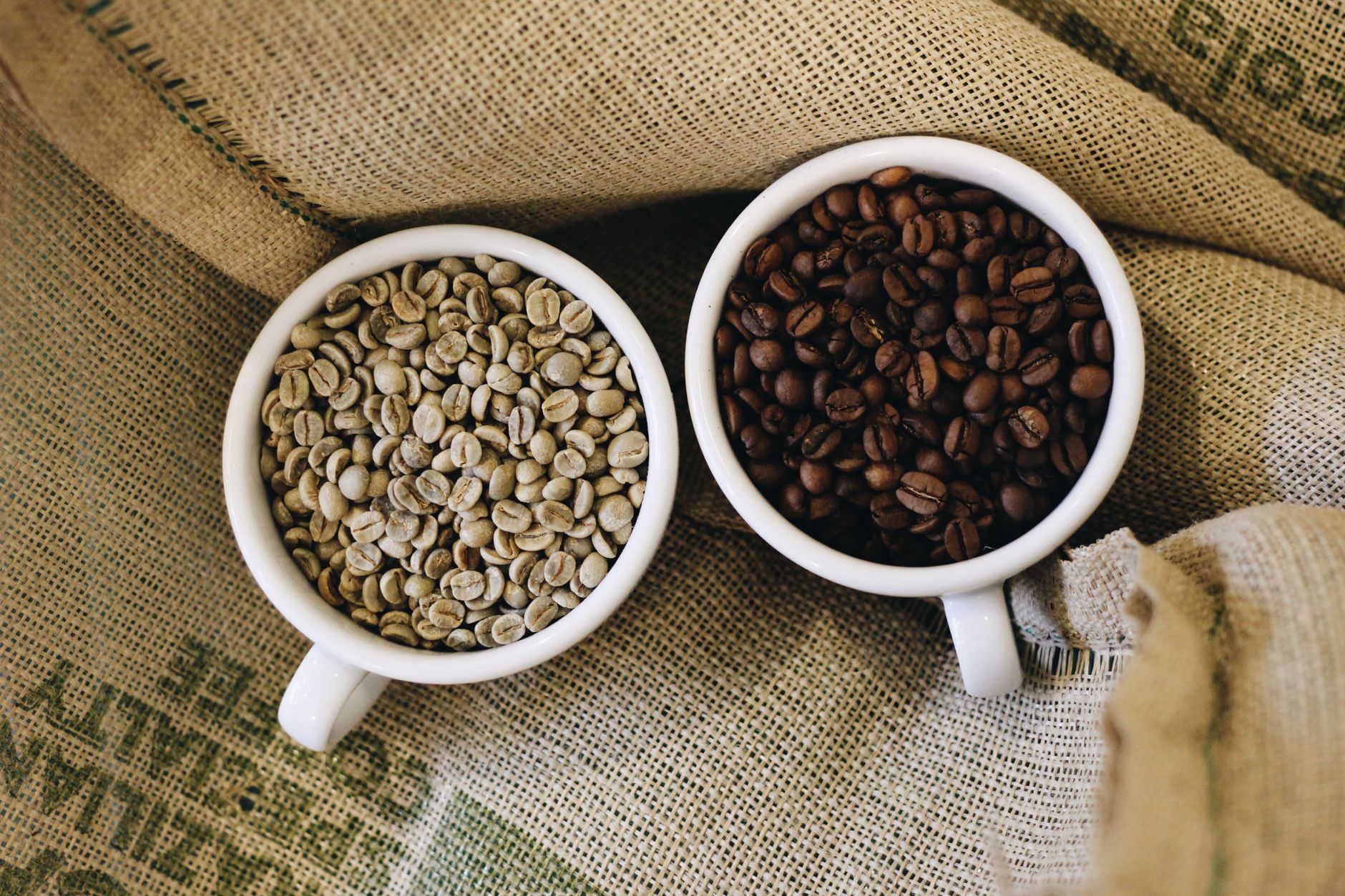
* Visuals: Green coffee beans processed this way turn a striking deep jade-blue color before roasting.
> Pro-Tip: The road from Makassar airport to Rantepao takes 8 to 9 hours of tortuous mountain driving. Hire a local driver with a private vehicle instead of taking night buses; this allows you to stop at mountain roadside drying mats in Enrekang that commercial tours completely miss.
---
6. How to Travel Like a Green Coffee Buyer: Etiquette & Protocol
Visiting operating farms during peak July harvest is not like visiting a museum. Workers are earning their annual livelihood, wet mills operate on tight hourly schedules, and high-value micro-lots can be ruined by simple mistakes.
```
DOS AND DON'TS AT ORIGIN
========================================================================
[DO] Wear clean, closed-toe boots cleaned with dilute ethanol/bleach solution.
[DO] Ask before touching drying parchment on raised beds.
[DO] Spit out coffee during heavy cupping sessions to prevent caffeine overdose.
[DONT] Wear perfume, cologne, or scented lotion—it ruins the cupping lab air.
[DONT] Pick unripe green or yellow cherries off trees without express permission.
[DONT] Walk across sun-drying concrete patios in personal footwear.
```
Essential Packing Gear for Coffee Geeks:
1. Digital refractometer (e.g., VST or Atago): Measures Brix in the field to check cherry sweetness.
2. Custom Cupping Spoon: Deep-bowled silver-plated spoons for high-velocity slurping.
3. Water Mineral Testing Strips / Portable Water Kit: Test local farm water used in washed processing.
4. Weather-sealed Notebook: Field notes on processing parameters, fermentation hours, varietals, and altitude GPS tags.
5. Biosecurity Boot Wash Kit: Protect farms from spreading Hemileia vastatrix (Coffee Leaf Rust).
---
7. Master Logistics & Budget Breakdown for July 2026
Planning an origin expedition requires advance coordination. High-end specialty processing estates cap guest numbers to preserve farm focus and lab hygiene.
Complete Logistics Comparison Table
| Region / Location | Estimated 5-Day Budget ($ USD) | Best Transit Route | Ideal Stay Type | Key Event / Highlight in July 2026 |
| :--- | :--- | :--- | :--- | :--- |
| Sul de Minas, Brazil (Carmo de Minas) | $850 – $1,400 | Fly to São Paulo (GRU) ➔ Rent 4x4 ➔ 4.5h drive northeast | Restored historic Fazenda guest houses | Watching natural processing across massive 5,000m² concrete patios |
| Kirinyaga, Kenya (Mount Kenya Slopes) | $1,200 – $2,100 | Fly to Nairobi (NBO) ➔ Private 4WD transfer ➔ 3h drive north | Eco-lodges in Nyeri or high-altitude farm homestays | Visiting wet-mill factories running 72-hour double washing cycles |
| Caldas, Colombia (Manizales / Chinchiná) | $700 – $1,250 | Fly to Pereira (PEI) or Manizales (MZL) ➔ Local 4x4 Jeep | Private boutique coffee fincas on farm grounds | Participating in live anaerobic thermal shock processing lab runs |
| Toraja, Sulawesi (Rantepao Highlands) | $600 – $1,100 | Fly to Makassar (UPG) ➔ 8h private car drive north | Traditional Torajan wood lodges in mountain villages | Observing blue-jade Giling Basah (wet-hulled) parchment processing |
---
8. Crafting Your Ultimate July 2026 Itinerary
If you have two weeks available in July 2026, do not try to hop across continents. Pick one macro-region and plunge into its deep micro-climates.
```
[14-DAY COLOMBIA EXPERIMENTAL ITINERARY]
│
┌────────────────────────────────┼────────────────────────────────┐
▼ ▼ ▼
[Days 1-4: Bogota] [Days 5-9: Caldas] [Days 10-14: Quindio]
• Third-wave cafe crawl • Chinchiná estate stays • Pijao steep-slope farms
• Sensory lab calibration • Anaerobic lab workshops • Geisha & Pink Bourbon
• Cupping at Cafe Devocion • Brix picking challenges • Cold-drip extraction labs
```
Sample 14-Day Route: The Colombian Fermentation Pioneer Circuit
* Days 1–3: Bogotá (Sensory Calibration): Calibrate your palate in Bogotá’s elite third-wave labs (Café Devoción, Catación Pública). Learn to spot defective fermentation notes before hitting the field.
* Days 4–8: Caldas / Chinchiná (Processing Focus): Base yourself at a working finca near Manizales. Spend mornings picking high-slope Pink Bourbon cherry, afternoons tracking Brix levels, and evenings monitoring fermentation tank pressure.
* Days 9–13: Quindío / Pijao (Varietal Exploration): Head south into the rugged roads of Quindío. Focus on boutique estates cultivating rare Geishas, Sidras, and SL-28 mutations grown in shadow under native Andean trees.
* Day 14: Origin Cupping Final Session: Spend your final day in an estate cupping lab scoring the exact lots you helped pick ten days prior.
---
Final Words: Leaving Origin as a Better Drinker
When you stand on a 35-degree clay incline at 1,900 meters altitude, rain dripping off your hat, watching a picker expertly select cherries that will net them only pennies per kilo if sold as commercial commodity coffee, your relationship with the beverage transforms forever.
Visiting coffee plantations as a true enthusiast isn't about luxury pampering—it’s about understanding human labor, agrarian vulnerability, biochemical brilliance, and mountain topography. When you sip a meticulously processed pour-over in July 2026 back in London, Tokyo, or New York, you will no longer just smell berry notes or stone-fruit acidity. You will smell the morning mist of Kirinyaga, the red clay of Caldas, and the sun-warmed concrete of Sul de Minas.
Start booking your farm access passes, arranging lab permissions, and calibrating your cupping spoons now. July 2026 is waiting.
---