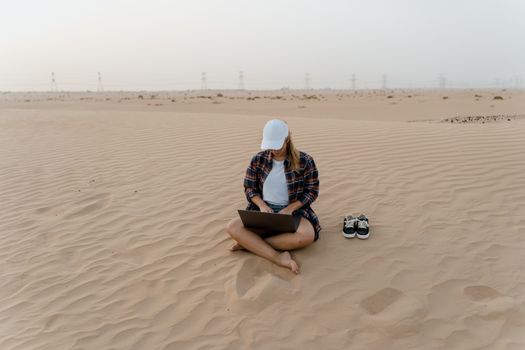
The Hook: A Whisper of What's to Come
I stepped off the train in Lisbon, the salty Atlantic breeze carrying the faint scent of grilled sardines and blooming jacaranda. It was 2017, the wild west of digital nomadism, where finding reliable Wi-Fi felt like a treasure hunt and working from a café meant strategizing your caffeine intake for optimal power outlet access. Fast forward to today, and the landscape is dramatically shifting. This isn't just about finding a decent coworking space anymore; it's about cities proactively building for our lifestyle. This year, a new wave of urban centers is emerging, not just tolerating us, but actively designing their infrastructure to welcome and empower us.
The New Nomad Frontier: Cities Leading the Charge
The days of scrambling for a stable connection or squeezing into overpriced Airbnbs are fading. 2024 marks a pivotal year where cities are recognizing the economic and cultural injection digital nomads bring. They're investing in tangible infrastructure, creating dedicated zones, and fostering communities designed for our unique needs. Forget just "laptop-friendly," we're talking "nomad-native."
1. Medellín, Colombia: The Reinvention Continues
Medellín has always had a certain allure, a vibrant energy that pulls you in. But this year, it's taking its "City of Eternal Spring" reputation to a whole new level for remote workers. Beyond the already established coworking scene and affordable living, the city is focusing on enhancing connectivity and creating integrated living solutions.
H3: Smart Zones and Connectivity Boosts
The city's 'Smart City' initiatives are now directly targeting nomad needs. Expect expanded public Wi-Fi zones in previously underserved areas, particularly parks and public squares, making spontaneous work sessions a breeze. They're also upgrading fiber optic networks in key residential districts, ensuring those crucial video calls are crystal clear.
Pro-Tip:
Look for newly designated "Digital Nomad Zones" in areas like El Poblado and Laureles, which will feature enhanced public amenities and potentially discounted coworking passes.
2. Da Nang, Vietnam: Coastal Coworking Dreams
Vietnam has long been a favorite for budget-conscious nomads, but Da Nang is stepping up its game beyond just beautiful beaches and cheap pho. This coastal gem is positioning itself as a hub for digital entrepreneurs and remote workers seeking a blend of work, wellness, and affordability.
H3: Beachfront Offices and Community Hubs
The most exciting development is the emergence of beachfront coworking spaces and co-living complexes. Imagine finishing your morning surf and heading to a sun-drenched desk overlooking the ocean. Da Nang is investing in these integrated lifestyle hubs, combining accommodation, workspace, and social areas.
Pro-Tip:
Keep an eye on the Son Tra Peninsula for new developments. The local government is actively promoting these areas with incentives for businesses catering to remote workers.
Quick Facts: Da Nang
| Category | Details |
| :-------------- | :-------------------------------------------- |
| Estimated Cost | $800 - $1500/month (all-inclusive) |
| Best Time to Visit | February - May (dry season, pleasant temps) |
| How to Get There | Da Nang International Airport (DAD) |
3. Tallinn, Estonia: The Digital Nomad's European Gateway
Estonia, the birthplace of e-Residency, continues to innovate. Tallinn isn't just resting on its laurels; it's actively expanding its digital infrastructure and fostering a welcoming environment for remote workers looking for a European base.
H3: Enhanced Digital Services and Visa Support
Tallinn is refining its already impressive digital infrastructure. Think seamless online government services, super-fast internet across the city, and a growing network of co-living spaces specifically designed for longer stays. They're also working on streamlining visa processes for digital nomads, making it easier than ever to establish a temporary home.
Insider Lingo:
The "e-Estonia" concept is deeply ingrained. Expect government and city services to be incredibly user-friendly and accessible online.
Pro-Tip:
Explore the Kalamaja district for charming, renovated industrial spaces now housing trendy coworking spots and apartments. The vibe is creative and very connected.
4. Valencia, Spain: Sunshine, Siestas, and Seamless Work
Valencia has always been a contender, but this year, it's solidifying its position with deliberate infrastructure improvements aimed squarely at the digital nomad. The city is emphasizing a balanced lifestyle, where work seamlessly integrates with the vibrant Spanish culture.
H3: Dedicated Nomad Villages and Co-Connectivity
Valencia is experimenting with "Nomad Villages" – designated neighborhoods offering affordable co-living, coworking facilities, and community events. These aren't just apartment blocks; they're designed to foster genuine connection among residents. Furthermore, the city is investing in public transport and green spaces, making it easy to switch off and enjoy the Mediterranean lifestyle.
Pro-Tip:
Visit the El Cabanyal district. While undergoing gentrification, it's becoming a hotspot for renovated apartments and artisanal coworking spaces, offering a more authentic Valencian experience.
5. Chiang Mai, Thailand: The OG Nomad Hub Evolves
Chiang Mai, the undisputed king of digital nomad hubs for years, isn't about to be dethroned. It's adapting and evolving, with new infrastructure projects focused on sustainability and enhanced community building.
H3: Eco-Friendly Co-Living and Enhanced Connectivity
The trend here is towards more sustainable and community-focused co-living. Expect new developments prioritizing eco-friendly materials, renewable energy, and communal gardens. The city is also upgrading its internet infrastructure, particularly in areas outside the immediate Nimmanhaemin bubble, ensuring reliable connections for everyone.
Pro-Tip:
Explore areas slightly outside the main Nimman area, like San Kampaeng, which is seeing the rise of quieter, more sustainable co-living retreats offering a different pace of life.
Quick Facts: Chiang Mai
| Category | Details |
| :-------------- | :-------------------------------------------- |
| Estimated Cost | $700 - $1200/month (all-inclusive) |
| Best Time to Visit | November - February (cool and dry season) |
| How to Get There | Chiang Mai International Airport (CNX) |
6. Lisbon, Portugal: The Beloved Classic Gets a Makeover
Lisbon, a long-time favorite, continues to invest in its nomad-friendly ecosystem. While it's already well-established, the city is focusing on enhancing its appeal for longer-term stays and fostering deeper community integration.
H3: Decentralized Work Hubs and Community Integration
Lisbon is pushing for the development of smaller, decentralized coworking hubs in residential neighborhoods, moving away from a sole reliance on the city center. This encourages a more integrated lifestyle, where work and living are closer. They're also supporting initiatives that connect nomads with local businesses and cultural events.
Insider Lingo:
You'll hear buzz about "Lisbon 2.0" – referring to these efforts to diversify and deepen the nomad experience beyond just the typical tourist trails.
Pro-Tip:
Explore areas like Campo de Ourique or Alvalade. They offer a more local feel with excellent amenities and a growing number of community-focused coworking spaces.
The Future is Now: What This Means for You
This isn't just about new buildings; it's a fundamental shift in how cities perceive and cater to the modern workforce. These emerging nomad havens are offering:
- Seamless Connectivity: Beyond basic Wi-Fi, think robust fiber optics, public hotspots, and dedicated work zones.
- Integrated Living: Co-living spaces are evolving to become true communities, blending accommodation, workspace, and social activities.
- Affordability & Value: These cities are recognizing that nomads seek value, offering competitive pricing for high-quality living and working environments.
- Community Focus: A deliberate effort to foster connections between nomads and with the local population.
- Lifestyle Balance: Cities are designing spaces and experiences that encourage a healthy work-life integration, embracing the very essence of the nomadic dream.
The era of the nomadic scavenger hunt is over. The future is built for us, brick by digital brick. These cities are not just welcoming us; they're actively designing their futures with us. So, where will your upgraded nomadic adventure take you this year?