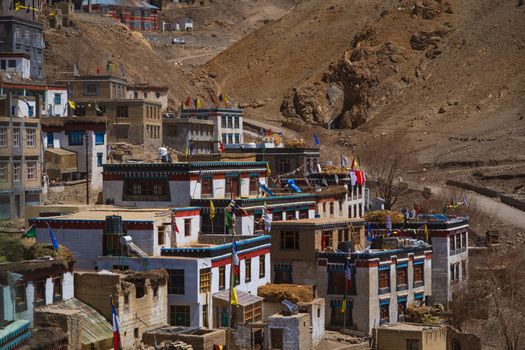
The dust motes danced in the single shaft of sunlight piercing the gloom of the ancient stone hut. Outside, the world was a symphony of sounds I hadn't heard in decades: the rhythmic clatter of a hand loom, the distant bleating of goats, the soft murmur of a language I barely understood, punctuated by the occasional crow of a rooster. There was no hum of electricity, no distant drone of traffic, no incessant ping of a smartphone. Just the raw, unvarnished pulse of life, as it might have been a hundred years ago, or even five hundred.
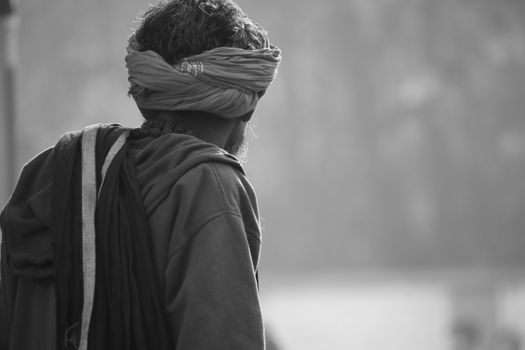
I was somewhere in a remote valley, high in a mountain range whose name I won't disclose. My phone, long dead, was a useless brick in my backpack. I’d followed a faint, almost invisible path, a local’s whispered direction, and a feeling deep in my gut that there was something more beyond the last paved road. And here I was, sipping bitter, sweet tea offered by a woman whose hands were gnarled by a lifetime of work, her eyes holding the wisdom of generations. She smiled, a crinkling of ancient lines, and I knew I had found it: a village where time had truly stopped. And I also knew, with a pang of understanding, why she and her community would rather I didn't tell the world about it.
This isn't a typical travel guide. This isn't about giving you GPS coordinates to the next Instagram hotspot. This is about the philosophy of finding places that time forgot, places where the pulse of humanity beats to an older rhythm. It's about responsible discovery, profound respect, and the incredible, almost spiritual reward of experiencing life as it once was, before the relentless march of modernity flattened every corner of our planet.
The Allure of the Unseen: Why These Villages Exist
In a world increasingly interconnected, homogenised, and digitised, the idea of a place untouched by the last century feels like a myth. Yet, these villages aren't fairy tales; they are real, living capsules of history, sustained by a delicate balance of isolation, tradition, and a fierce will to preserve their way of life.
Geographic Isolation:
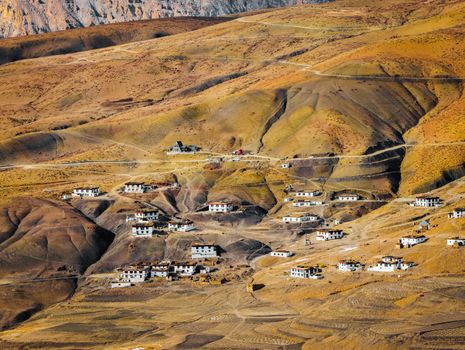
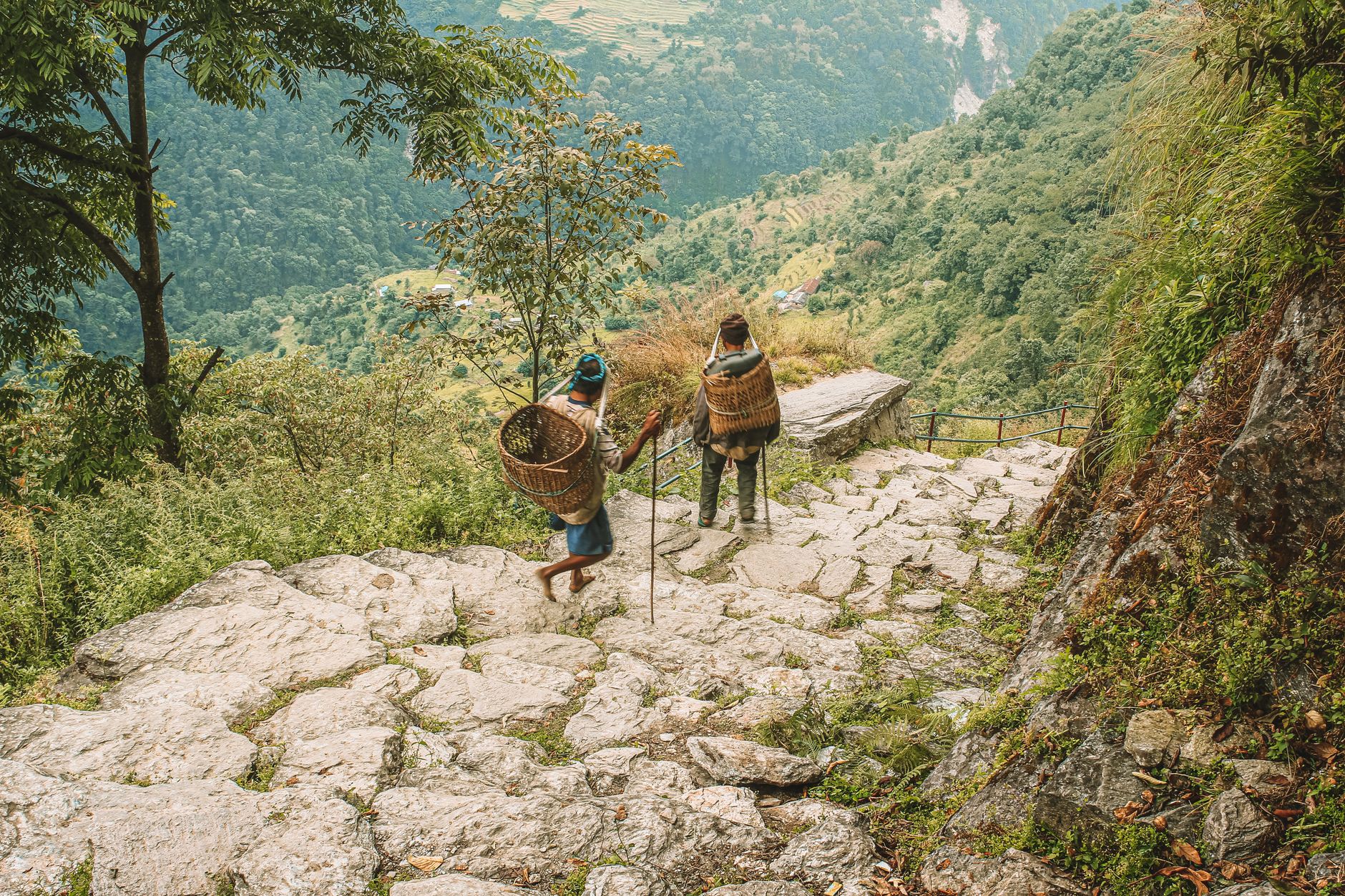
Often, the most significant barrier to modernity is physical. These communities are typically nestled deep in mountain ranges, hidden in remote valleys, accessible only by treacherous paths, or clinging to forgotten coastlines where the sea is both a provider and a protector. Think of hamlets tucked away in the Atlas Mountains, high-altitude settlements in the Peruvian Andes, or fishing communities on remote Indonesian islands. The sheer effort required to reach them naturally deters casual tourism and preserves their solitude.
Cultural Preservation:
Beyond physical barriers, many of these communities actively choose to maintain their traditions. For them, "progress" isn't measured by internet speed or the number of cars on a road, but by the strength of their community bonds, the purity of their crafts, the wisdom passed down through oral histories, and the resilience of their ancestral practices. They often view outside influence with a cautious eye, understanding that with external attention comes a risk of cultural erosion. Their "don't want tourists to know" isn't about being unwelcoming, but about safeguarding their heritage.
Economic Self-Sufficiency:
Before the global economy, communities thrived on self-sufficiency. Many timeless villages still operate on this principle. They grow their own food, weave their own clothes, build their own homes, and barter for what they cannot produce. This reduces their reliance on external markets and infrastructure, further insulating them from the pressures of modern development. Money, while understood, often holds less sway than community spirit and age-old customs.
Whispers of Time Travel: What to Expect When You Step Back
Imagine a world where the air smells perpetually of woodsmoke and damp earth, where the only artificial light after dusk comes from flickering oil lamps, and where the rhythm of life is dictated by the sun and seasons, not clocks.
Ancient Crafts and Lifestyles:
You'll witness skills that have largely vanished elsewhere. Blacksmiths forging tools by hand, weavers creating intricate textiles on ancient looms, farmers tilling fields with oxen, and potters shaping clay with techniques passed down for millennia. These aren't performances for tourists; they are the essential fabric of daily life.
Community at its Core:
In these villages, community isn't a concept; it's the bedrock of existence. Everyone has a role, from the youngest child to the eldest elder. Decisions are often made collectively, and mutual support is paramount. You might see communal cooking, shared childcare, or villagers working together on a harvest or construction project. The sense of belonging is palpable.
Simplicity and Resourcefulness:
Life here is simple, yet incredibly rich. Material possessions are few, but every item serves a purpose and is often handcrafted. Resourcefulness is a way of life, from repairing tools rather than replacing them, to finding medicinal plants in the wild. This stark contrast to our consumer-driven world can be profoundly humbling and inspiring.
A Symphony of Natural Sounds:
Forget the constant hum of city life. Here, your ears will reawaken to the sounds of nature and human endeavor: the rustle of leaves, the gurgle of a stream, the distant call of a shepherd, the laughter of children playing with handmade toys, the gentle cadence of conversation. It's a meditative soundscape that calms the modern soul.
The Unwritten Rules of Discovery: How to Approach (and Not Exploit)
The very nature of these places means they are not "tourist destinations." If you are lucky enough to stumble upon one, or if you actively seek out regions known for their remoteness, your approach must be steeped in humility and respect. This isn't about "getting a photo" but about experiencing and learning.
- Go Slow, Go Deep: Forget itineraries. The journey to these places is as important as the destination. Take local transport, walk, and allow yourself to get lost. Spend days, not hours. The true magic unfolds when you shed your urban urgency.
- Learn Basic Greetings and Key Phrases: Even a few words in the local language – "hello," "thank you," "please," "may I?" – can open doors and demonstrate respect. A phrasebook is essential, or better yet, learn from a local guide if you have one.
- Dress Modestly and Observe Local Customs: Research the general cultural norms of the region. Modest dress is almost universally appreciated in traditional communities. Observe how locals interact, eat, and behave, and try to emulate their respect for elders, their quiet demeanor, and their hospitality.
- Ask for Permission (Always): Before taking photos of people, their homes, or their activities, always ask for permission, even if through gestures. A simple nod or smile can convey acceptance. Be prepared for a polite refusal, and respect it without question.
- Contribute Ethically, Not Just Financially: If you wish to give back, think beyond handing out money (which can disrupt local economies and create dependency). Buy local crafts directly from the artisans, offer to help with a task (if invited), or purchase food from local vendors. If you have useful skills (e.g., medical knowledge, teaching English), offer them respectfully, but never assume they are needed or wanted.
- Leave No Trace, Take Only Memories: This extends beyond physical litter. Minimize your environmental impact. Be mindful of water usage. Do not leave behind modern items that could become pollutants or disrupt local practices. The goal is to be an invisible guest.
- Be a Listener, Not a Talker: Your role is to observe, to learn, and to listen. Resist the urge to compare their life to yours or to offer "solutions" to their perceived lack of modern conveniences. Their way of life is not inherently "backward"; it is simply different, and often profoundly wise.
My Own Journey into the Uncharted: A Glimpse of the Past
I remember one autumn evening, deep in a forgotten corner of the Balkans. I’d been hiking for days, using only a paper map and a compass, seeking out the source of a particular folk melody I’d heard in a bustling market town. The path eventually faded into a sheep trail, and then into nothing but tall grass. Just as I was considering turning back, a wisp of smoke caught my eye, rising from a cluster of stone roofs nestled into a fold in the mountainside.
There was no electricity, no running water beyond a communal well. The villagers lived much as their ancestors had for centuries. Children, with rosy cheeks and bright eyes, played with wooden toys they carved themselves. Women gathered at the well, their conversations a rhythmic hum. The men worked the fields or tended to livestock. I was initially an object of curiosity, a strange figure with my modern backpack and camera. But by adhering to the unwritten rules – offering a small gift of coffee and sugar I’d carried, sitting quietly, offering a helping hand with chopping wood, and most importantly, learning a few phrases in their dialect – I was slowly accepted.
I spent a week there, sleeping on a sheepskin by a roaring fire, eating stews made from foraged mushrooms and garden vegetables, and listening to stories told under a sky ablaze with stars. I learned to distinguish the calls of different birds, to identify edible plants, and to appreciate the profound quiet that only true remoteness can offer. One evening, an old man, his face a map of wrinkles, played a melancholic tune on a handmade flute. There were no words, but the music spoke of generations, of struggles, of joy, and of a deep connection to the land. It was a moment of pure, unadulterated authenticity that no five-star resort or famous landmark could ever provide. I left feeling not just refreshed, but fundamentally changed, carrying a piece of that timeless world within me.
Preparing for the Past: Practicalities for the Conscious Explorer
Embarking on a journey to a truly hidden village requires more than just an adventurous spirit. It demands careful preparation and a mindset geared towards self-sufficiency and respect.
- Research the Region, Not the Village: Instead of trying to pinpoint specific "secret" villages (which defeats the purpose and can harm them), research remote regions known for their traditional cultures and lack of modern infrastructure. Look for areas with indigenous populations or those historically difficult to access.
- Minimalist Packing: You won't need fancy clothes or excessive gadgets. Pack sturdy, comfortable, modest clothing suitable for varying weather. A good quality sleeping bag, a reliable headlamp, a first-aid kit (including water purification tablets), and a power bank (for emergencies, not constant phone use) are essential.
- Cash is King (Small Denominations): Credit cards and ATMs are non-existent. Carry local currency in small denominations for any purchases or unexpected needs. Expect prices, if any, to be incredibly low by Western standards, perhaps just a few dollars for a hearty meal or a night's simple accommodation. Bartering might be more common than fixed prices for crafts.
- Language Tools: A physical phrasebook or a downloaded offline translation app can be invaluable.
- Open Mind and Patience: Things will move at a different pace. There might be discomforts. Embrace them as part of the experience. Your modern expectations will be challenged, and that's precisely the point.
- Respect Boundaries: Locals might be curious, but they also value their privacy. Don't wander uninvited into homes or private fields. Always wait for an invitation.
- Consider a Local Guide (if available/appropriate): In some regions, hiring a trusted local guide from a nearby town can be the most respectful and effective way to approach these communities. They can bridge language barriers, explain cultural nuances, and ensure your visit is welcomed. However, ensure the guide understands your desire for authentic, low-impact interaction, not a staged tourist experience.
Beyond the Postcard: The True Reward of Timeless Travel
Why undertake such a challenging journey, to places that actively shy away from the spotlight? Because the rewards are profound and enduring, far beyond what any typical tourist experience can offer.
It’s an education in resilience, in community, in the beauty of simplicity. It’s a chance to reconnect with fundamental human experiences, stripped of the layers of consumerism and digital distraction. You’ll learn to truly observe, to listen, and to appreciate the quiet dignity of lives lived close to the earth.
These villages are not just places; they are living libraries of human history, philosophy, and ingenuity. By seeking them out with respect and humility, we don’t just travel to a different place; we travel to a different time, and in doing so, we often discover a deeper, more authentic version of ourselves.
So, for those who yearn for more than just a vacation, for those who seek the raw, unfiltered truth of human existence, there are still whispers on the wind, faint trails through the mountains, and untold stories waiting in villages where time truly stopped. But remember, the greatest adventure isn't in finding them, but in honoring their timeless secret.
Are you ready to redefine your understanding of travel? To step off the map and into a world where the past lives vibrantly in the present? The journey won't be easy, but the lessons learned will last a lifetime. Seek these places not as a tourist, but as a respectful pilgrim, and you might just find a piece of your own soul waiting for you there.