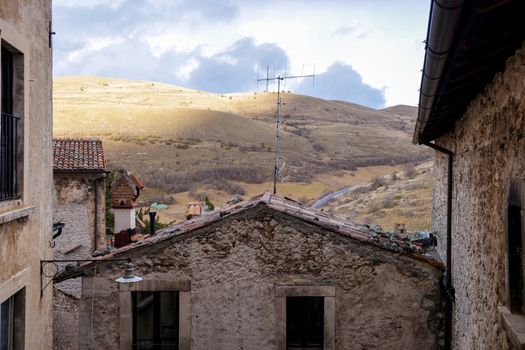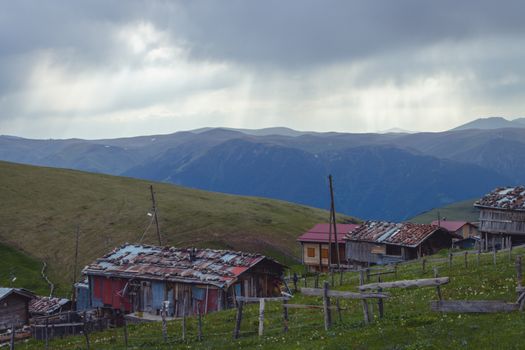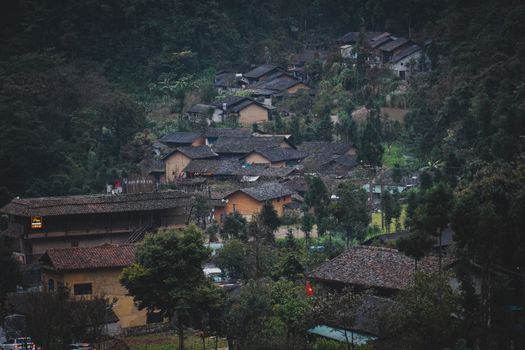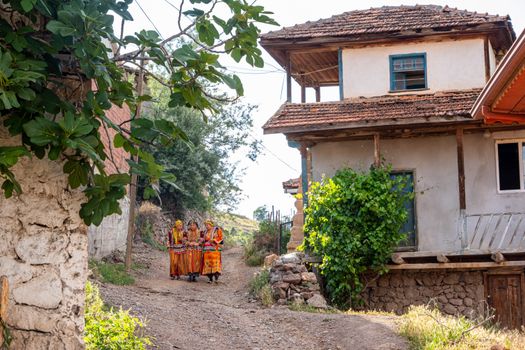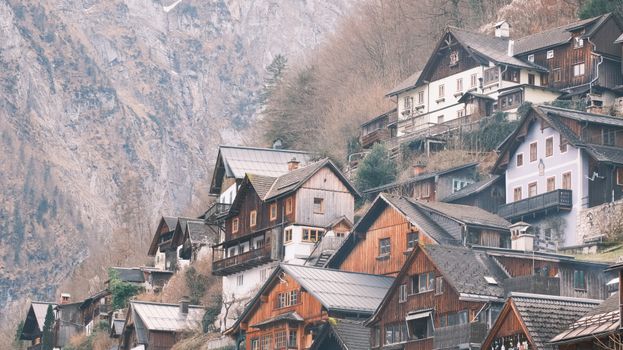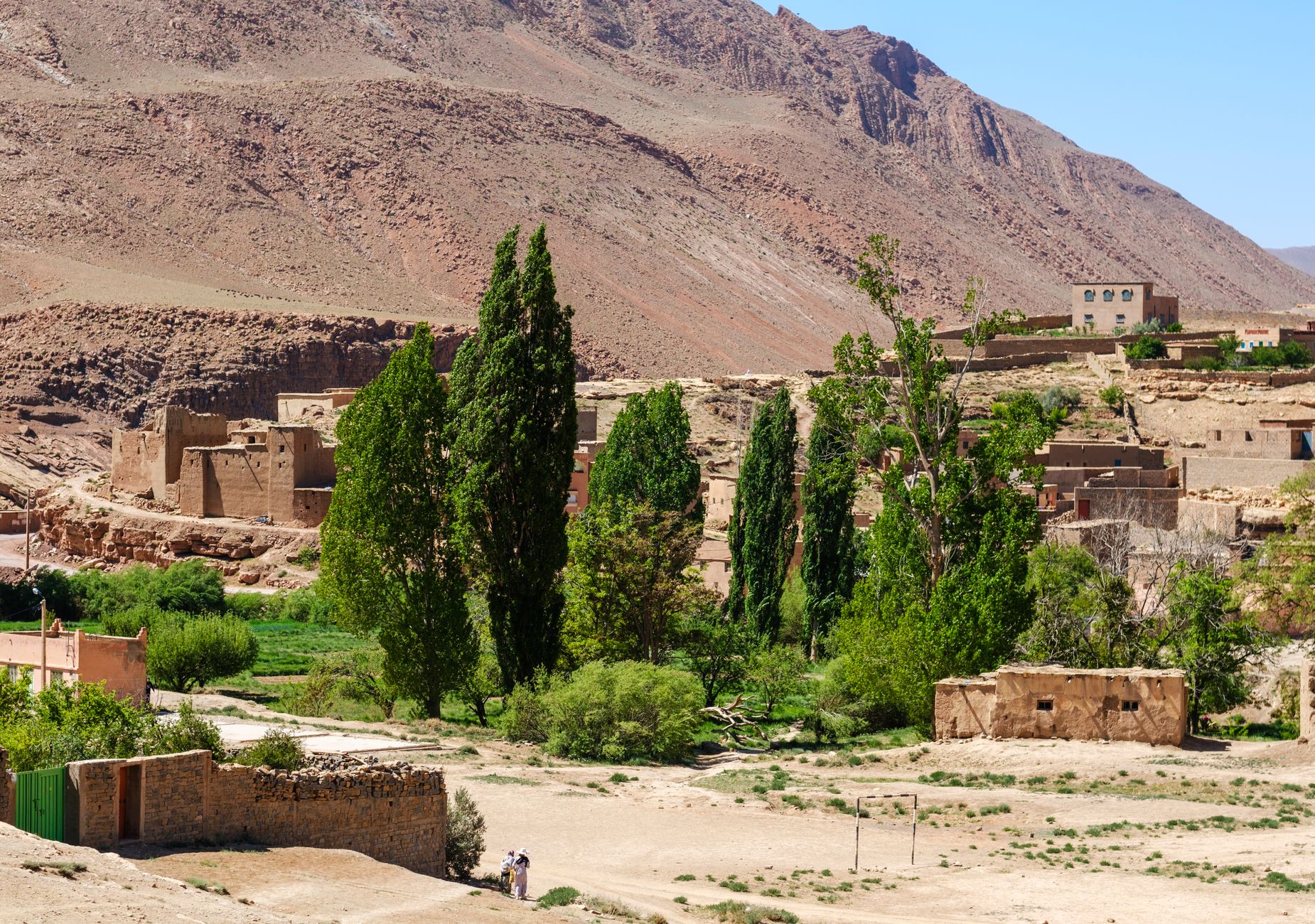
The scent of woodsmoke mingled with freshly baked bread. The rhythmic clang of a blacksmith’s hammer echoing through narrow, cobbled alleys. The hushed murmur of conversations in a language I barely understood, punctuated by the gentle bleating of sheep. I remember standing there, in a tiny village clinging to a mountainside in rural Albania, and feeling an almost dizzying sense of displacement. My smartphone, with its endless notifications and constant demands, felt like a relic from another dimension. Here, time hadn't just slowed down; it felt like it had simply… stopped.
That trip wasn't just a vacation; it was a revelation. In a world obsessed with speed, efficiency, and constant connectivity, I had stumbled upon a growing movement: the rediscovery of villages where life still unfolds much as it did a century ago. These aren't just historical sites; they are living, breathing communities, now trending among travelers yearning for authenticity, a digital detox, and a profound connection to the past. Welcome to the world of "time-stopped villages," where the greatest luxury is the luxury of time itself.
The Allure of the Undiscovered: Why We're Craving a Century-Old Pace
For years, travel was about ticking off bucket list items, racing through cities, and capturing the perfect, fleeting Instagram moment. But something has shifted. We're burnt out, overstimulated, and increasingly aware of the environmental and cultural impact of mass tourism. The "slow travel" movement has gained momentum, and within it, a deep yearning for places where the modern world feels miles away.
These villages offer precisely that. They are sanctuaries of tradition, often nestled in dramatic landscapes that have naturally protected them from rapid development. Here, sustainability isn't a buzzword; it's a way of life. Local crafts thrive, recipes passed down through generations are still cooked over open fires, and community bonds are as strong as the ancient stone walls that define their homes.
What's driving the trend? It's a combination of factors:
* Digital Detox: The ultimate escape from screens and notifications.
* Authentic Cultural Immersion: Real interactions with local people, not just staged performances.
* Sustainable & Ethical Travel: Supporting small, local economies directly.
* Unique Photo Opportunities: Landscapes and traditions unspoiled by modern intervention.
* A Sense of Discovery: The thrill of finding truly off-the-beaten-path destinations.
It’s about reconnecting – with ourselves, with nature, and with a simpler way of being. And trust me, the experience is profoundly transformative.
Stepping Back in Time: My Top Picks for a 100-Year Journey
I’ve had the privilege of exploring several of these incredible places, and each one has left an indelible mark. Here are five villages (or regions) that perfectly encapsulate the "time-stopped" experience and are absolutely trending for the right reasons:
1. Piódão, Portugal: The "Chocolate Box" Schist Village
Imagine a village so perfectly preserved, it looks like it was plucked from a fairy tale. That's Piódão, nestled deep in the Serra do Açor mountains of central Portugal. Known as one of Portugal's "Schist Villages," its houses are built almost entirely from dark schist stone, with striking blue window frames and doors that pop against the earthy tones.
My first glimpse of Piódão was from a winding mountain road – a cascade of dark houses tumbling down a steep hillside, illuminated by the setting sun. It felt like a secret world. Life here revolves around the seasons, the river, and the small community. You won't find bustling supermarkets or chain restaurants. Instead, expect family-run guesthouses, tiny tavernas serving hearty, traditional Portuguese food, and the friendly faces of villagers who might offer you a glass of homemade wine.
What to Experience:
* Wander the alleys: Get lost in the labyrinthine streets, discovering hidden courtyards and ancient chapels.
* River Beach: In summer, cool off at the small river beach (Praia Fluvial de Piódão).
* Local Crafts: Look for handmade wool products and local honey.
* Hiking: Explore the surrounding trails that connect Piódão to other, even tinier schist villages.
Practical Details:
* Getting There: Best by car (approx. 2.5-3 hours from Porto or Lisbon). Buses are infrequent and require transfers.
* Accommodation: Small guesthouses (casas de turismo rural) range from €40-70/night. Book ahead, especially in peak season.
* Food: Expect delicious, rustic Portuguese cuisine. A meal with wine might cost €15-25 per person. Try chanfana (slow-cooked goat) or arroz de cabidela (chicken blood rice).
* Best Time: Spring and early autumn for pleasant hiking weather. Summer can be hot, winter can be cold and rainy.
2. Gjirokastër Region, Albania: The Stone City's Timeless Neighbors
While Gjirokastër itself is a UNESCO World Heritage city, its surrounding villages in southern Albania offer an even deeper dive into a past where time seems to have paused. Gjirokastër, known as the "City of Stone," boasts magnificent Ottoman-era houses and a formidable castle. But venture just a little further, and you'll find villages like Dhërmish or Labova e Kryqit, where traditional life continues largely untouched.
I remember a particularly memorable afternoon in an unnamed village near Gjirokastër, sipping strong Turkish coffee with an elderly woman on her porch. She spoke no English, and I, very little Albanian, yet we communicated through gestures, smiles, and the shared warmth of the sun. Her house, built of local stone, felt like a living museum, filled with ancient tools and family photos that spanned generations.
What to Experience:
* Explore Gjirokastër: Visit the castle, Skenduli House, and the Old Bazaar before venturing out.
* Village Hikes: Discover remote stone villages, many with centuries-old churches and breathtaking views.
* Local Hospitality: Albanians are incredibly welcoming. Don't be surprised if you're invited for coffee or raki (local brandy).
* Traditional Cuisine: Savor dishes like qofte (meatballs), byrek (savory pastry), and slow-cooked lamb.
Practical Details:
* Getting There: Gjirokastër is accessible by bus from Tirana (approx. 4 hours) or Saranda (1.5 hours). Renting a car is best for exploring the surrounding villages.
* Accommodation: Guesthouses (bujtina) in Gjirokastër range from €30-60/night. Village homestays are simpler and cheaper (€20-40).
* Food: Meals are incredibly affordable, often €8-15 per person for a hearty, home-cooked meal.
* Best Time: Spring (April-May) and Autumn (September-October) offer pleasant weather for exploring.
3. Lahaul & Spiti Valley, India: A Himalayan Buddhist Oasis
Imagine a landscape so stark, so majestic, it feels like another planet. That's the Spiti Valley, nestled high in the Indian Himalayas, bordering Tibet. This "Middle Land" is home to ancient Buddhist monasteries clinging precariously to cliffs, and villages where life has remained virtually unchanged for centuries due to extreme isolation. The air is thin, the silence profound, and the hospitality legendary.
My journey to Spiti was an adventure in itself, navigating treacherous mountain passes. Arriving in Key Monastery, perched atop a hill overlooking the Spiti River, felt like stepping into a spiritual realm. The monks, with their serene smiles and ancient chants, embody the timelessness of this region. Village life here is dictated by the harsh climate and Buddhist traditions, focusing on self-sufficiency and community.
What to Experience:
* Monastery Visits: Explore Key, Dhankar, Tabo, and Komik Monasteries – living testaments to ancient Buddhist culture.
* Homestays: Experience genuine Spitian hospitality. Share meals, stories, and warmth with local families.
* Village Walks: Discover traditional mud-brick homes, prayer flags fluttering in the wind, and terraced fields.
* Star Gazing: With minimal light pollution, the night sky here is unparalleled.
Practical Details:
* Getting There: Seasonal access (June-October) via Manali (Rohtang Pass) or Shimla (Kinnaur Valley). Shared taxis or local buses are common. Inner Line Permits are required for some areas.
* Accommodation: Homestays are the most authentic option (€10-25/night, often including meals). Basic guesthouses are available in Kaza.
* Food: Simple, hearty Tibetan/Indian fare: thukpa (noodle soup), momos (dumplings), dal, rice, and fresh vegetables.
* Best Time: June to October, when the passes are open and the weather is relatively mild. Be prepared for cold nights even in summer. High altitude means acclimatization is essential.
4. Batad, Philippines: The Amphitheater of Rice Terraces
Deep in the Cordillera mountains of Luzon, Philippines, lies Batad, a village famous for its magnificent amphitheater-like rice terraces, a UNESCO World Heritage site. Reaching Batad is an adventure – it involves a jeepney ride to a viewpoint, followed by a challenging hike down a steep path. But the reward is immense: a panorama of emerald green terraces carved into the mountainside over 2,000 years ago by the Ifugao people.
When I first descended into Batad, the sheer scale and beauty took my breath away. The air was thick with the scent of damp earth and growing rice. There are no roads within the village, only narrow footpaths winding between the terraces and small, traditional huts. Life here is intimately connected to the rhythm of rice cultivation, a cycle that has sustained the Ifugao for millennia. It's a place where you truly feel the weight of history and the power of human ingenuity.
What to Experience:
* Terrace Trekking: Hike along the narrow paths, marveling at the ancient engineering.
* Tappiya Falls: A refreshing dip in the cool waters of this beautiful waterfall, accessible via a trek from the village.
* Local Interaction: Learn about the Ifugao culture and their unique way of life.
* Simple Living: Enjoy basic accommodations and delicious home-cooked Filipino food.
Practical Details:
* Getting There: Take an overnight bus from Manila to Banaue (8-9 hours). From Banaue, hire a jeepney or tricycle to Batad Saddle Point, then hike down to Batad (30-60 minutes). A local guide is highly recommended for the hike and exploring.
* Accommodation: Basic guesthouses and homestays are available in Batad, typically €10-25/night.
* Food: Expect simple Filipino dishes like adobo, sinigang, and fresh vegetables.
* Best Time: March to May (dry season) or October to November (harvest season, when terraces are lush green or golden). Avoid typhoon season (July-September).
The Slow Pace of Life: What to Expect & Experience
Visiting these villages isn't about luxury resorts or curated experiences; it's about immersion.
- Accommodation: Expect homestays or small, family-run guesthouses. Amenities might be basic (shared bathrooms, limited hot water), but the warmth of the hospitality more than compensates.
- Food: Home-cooked, traditional meals are the norm. Fresh, local ingredients are paramount. Be open to trying new flavors and culinary traditions.
- Activities: Hiking, exploring ancient sites, learning about local crafts (weaving, pottery, wood carving), helping with farm tasks (if invited), or simply sitting and observing daily life. This is your chance for a genuine digital detox.
- Interactions: Locals are often curious and welcoming. Learn a few phrases in their language – even a simple "hello" or "thank you" goes a long way. Be prepared for conversations that transcend language barriers.
- The Soundscape: Listen. The absence of traffic, sirens, and constant chatter is profound. You'll hear nature, human voices, and the quiet rhythm of daily life.
Planning Your Escape: Practicalities & Preparation
Ready to trade Wi-Fi for wild trails? Here’s how to plan your journey:
- Research Thoroughly: These aren't mainstream destinations. Information might be scarce. Consult travel forums, niche blogs, and local tourism boards.
- Transportation: Be prepared for challenging journeys. Roads can be unpaved, public transport infrequent, and hiking often required. Consider hiring a local guide or driver for convenience and safety.
- Accommodation: Book ahead, especially if options are limited. Confirm amenities (e.g., hot water, electricity).
- Budget: These destinations are generally affordable. Carry local currency, as ATMs might be non-existent.
- Packing Essentials:
- Layers: Weather can change quickly, especially in mountains.
- Sturdy Hiking Boots: Essential for cobbled streets and trails.
- Basic First Aid Kit: Pharmacies might be far away.
- Power Bank/Solar Charger: Electricity can be intermittent.
- Water Filter/Purification Tablets: Reduce plastic waste and ensure safe drinking water.
- Reusable Bag: For shopping.
- Torch/Headlamp: For power outages or walking at night.
- Small Gifts: For hosts (e.g., tea, coffee, small souvenirs from your home country).
- Cultural Etiquette:
- Dress Modestly: Especially in conservative regions or when visiting religious sites.
- Ask Permission: Before taking photos of people.
- Learn Basic Phrases: A few words go a long way in showing respect.
- Bargain Gently (if appropriate): But always be fair and respectful.
- Be Patient: Things might move slower than you're used to. Embrace it.
- Connectivity: Expect limited or no Wi-Fi and mobile signal. This is the point! Inform loved ones you'll be off-grid.
Capturing the Magic (Responsibly): Making Your Trip Instagram-Worthy & Impactful
These villages are incredibly photogenic, offering unparalleled opportunities for stunning, authentic content. Think ancient architecture, breathtaking landscapes, vibrant local life, and genuine smiles. But remember, your presence has an impact.
- Ask Before You Click: Always ask permission before photographing people, especially children or those engaged in traditional activities. A smile and a gesture often suffice.
- Support Local: Buy handicrafts directly from artisans, eat at family-run eateries, and stay in local guesthouses. Your money goes directly into the community.
- Leave No Trace: Carry out everything you carry in. Minimize plastic use. Respect the natural environment.
- Share Stories, Not Just Photos: When you share on social media, tell the stories of the people and traditions you encountered. Inspire others to travel respectfully and sustainably. Use hashtags like #SlowTravel #AuthenticExperiences #TimeStoppedVillage #CulturalImmersion.
- Engage and Learn: These aren't just backdrops for your photos. They are homes. Engage with the locals, listen to their stories, and learn from their way of life.
Your Next Great Adventure Awaits
My journey to these villages has been more than just a series of trips; it's been a series of profound lessons in patience, resilience, and the enduring beauty of human connection. In a world that often feels like it's spinning too fast, these ancient communities offer a grounding, powerful antidote. They remind us that true richness often lies not in what we accumulate, but in what we experience, share, and learn.
So, are you ready to ditch the digital noise and step back in time? To trade your fast-paced routine for the gentle rhythm of a life lived authentically? The trend is clear: the future of travel is in the past. Which time-stopped village will you discover first? Share your thoughts in the comments below, and let's inspire each other to explore more responsibly and authentically!
---