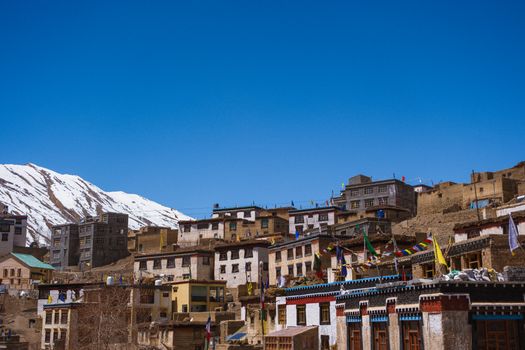
Introduction: A Whisper from the Past
The scent of woodsmoke, the rhythmic clang of a blacksmith's hammer, the hushed whispers of a language barely changed in a century… these are the echoes I chased across the globe. I’ve always been drawn to places that feel untouched, where the past lingers in the cobblestones and the smiles of the locals. This isn't about dusty museums; it's about experiencing living history, breathing the air of a time almost forgotten. This journey led me to seven incredible villages that feel remarkably unchanged, a captivating blend of the past and the present, waiting to be explored before the world catches up.
1. Shirakawa-go, Japan: A Fairytale Frozen in Time
Nestled in the Japanese Alps, Shirakawa-go is a UNESCO World Heritage site famous for its gassho-style farmhouses – steep, thatched roofs that resemble praying hands. The village feels like stepping into a fairytale, with snow-covered roofs in winter and vibrant green rice paddies in summer. I spent a night in a traditional minshuku (family-run inn), experiencing the warmth of the local hospitality and the surprisingly delicious local cuisine. Prices vary, but expect to pay around ¥10,000-¥20,000 per night for a minshuku stay. Getting there: Take a bus from Takayama.
2. Giethoorn, Netherlands: The "Venice of the Netherlands"
Giethoorn, with its charming thatched-roof houses and canals, is often called the "Venice of the Netherlands." Cars are banned, adding to its peaceful atmosphere. I rented a boat and explored the canals, marveling at the picturesque bridges and the reflection of the houses in the still water. The silence, broken only by the gentle lapping of water against the boat, was utterly captivating. Accommodation ranges from charming guesthouses to cozy B&Bs; prices start from around €80 per night. Getting there: Easily accessible by bus or car from nearby cities.
3. Hallstatt, Austria: A Picturesque Lakeside Village
Hallstatt, a UNESCO World Heritage site, is nestled beside a crystal-clear lake, surrounded by towering mountains. The village, with its picturesque houses clinging to the hillside, is breathtakingly beautiful. I hiked up to the viewpoint for panoramic views, capturing the beauty of this timeless place. While tourism has increased, the village retains much of its historic charm. Expect to pay upwards of €100 per night for accommodation, though more budget-friendly options exist outside the village center. Getting there: Train to Hallstatt station, followed by a short bus ride or taxi.
4. Reine, Norway: A Fishing Village with Dramatic Scenery
Reine, a tiny fishing village in the Lofoten Islands, boasts stunning scenery with dramatic mountains, pristine beaches, and the crystal-clear waters of the Norwegian Sea. The brightly colored rorbuer (traditional fishermen's cabins) add to the charm. I spent a day hiking to various viewpoints, capturing the breathtaking views. Accommodation ranges from basic rorbuer to more luxurious options; prices depend heavily on the season and can start from around NOK 1500 per night. Getting there: Requires a flight to Bodø followed by a bus or car journey.
5. San Gimignano, Italy: A Medieval Tuscan Jewel
San Gimignano, perched atop a hill in Tuscany, is a remarkably well-preserved medieval town famous for its towers. Wandering through its narrow cobblestone streets, I felt transported back in time. The views from the top of the towers are absolutely stunning, offering a panoramic view of the rolling Tuscan hills. Accommodation is plentiful, ranging from budget-friendly hostels to luxury hotels; prices vary significantly but start around €70 per night. Getting there: Easily accessible by car or bus from nearby cities like Florence or Siena.
6. Colmar, France: A Picturesque Alsatian Town
Colmar, in the Alsace region of France, is a charming town with canals, half-timbered houses, and a distinctly German influence. Its colorful buildings and flower-filled streets create a fairytale atmosphere. I spent hours wandering through its picturesque streets, enjoying the local cuisine and the relaxed atmosphere. Accommodation ranges from charming guesthouses to boutique hotels, with prices starting from around €80 per night. Getting there: Easily accessible by train from other major French cities.
7. Chefchaouen, Morocco: The Blue Pearl of the Rif Mountains
Chefchaouen, nestled in the Rif Mountains of Morocco, is known for its unique blue-washed buildings. Wandering through its labyrinthine streets, I was captivated by the vibrant colors and the tranquil atmosphere. The medina (old town) is a photographer's dream, offering stunning views at every turn. Prices for accommodation vary greatly, ranging from budget-friendly riads (traditional Moroccan guesthouses) to luxurious hotels, with prices starting from around €20 per night. Getting there: Buses run regularly from major Moroccan cities like Fes and Tangier.
Practical Tips for Experiencing These Villages:
- Travel off-season: Avoid peak tourist seasons for a more authentic and less crowded experience.
- Learn basic phrases: Even a few words in the local language will enhance your interactions with locals.
- Support local businesses: Eat at local restaurants, shop at local markets, and stay in family-run accommodations.
- Respect local customs: Dress modestly and be mindful of local traditions and etiquette.
- Be environmentally conscious: Pack reusable water bottles and bags, and avoid single-use plastics.
Conclusion: A Journey Worth Taking
These villages offer a unique and unforgettable travel experience, a chance to step back in time and connect with a simpler way of life. But time, even in these untouched corners of the world, is moving. Don't wait—plan your adventure today and experience these incredible destinations before they become mainstream. Share your stories using #TripsoraHiddenGems and inspire others to explore the world’s hidden treasures!