The Unexpected Symphony of a Dying Tongue
I stepped off the train, and the air itself seemed to hum with a forgotten melody. It wasn't the usual cacophony of a bustling station; instead, it was a gentle murmur, a cadence of sounds I’d never encountered. The scent of woodsmoke mingled with something vaguely floral, and the distant bleating of sheep punctuated the low thrum of conversation. I was in a small village nestled deep in the Carpathian foothills, a place where the very fabric of the community was woven from a language teetering on the brink of silence. This wasn't just a trip; it was an invitation to become a guardian of a linguistic treasure. This spring, the most profound travel experiences are found not in ticking off landmarks, but in actively participating in the heartbeat of a culture.
Why Language Preservation Projects Are Spring's Ultimate Travel Hack
Forget overcrowded tourist traps and predictable itineraries. This spring, the discerning traveler is seeking something more meaningful, something that resonates long after the tan fades. Language preservation projects offer exactly that. They are vibrant hubs where ancient tongues are not just studied but lived. You're not a passive observer; you're an active participant, your presence and enthusiasm contributing to the very survival of a dialect. It's a chance to connect with people on a level that transcends superficial pleasantries, to understand their history, their humor, and their worldview through the prism of their unique language.
This movement is gaining serious traction because it taps into a growing desire for authentic experiences and responsible travel. We're moving beyond simply seeing a place; we're yearning to be a part of it. And what’s more integral to a culture than its language?
Trending This Spring: Where Living Tongues Beckon Learners
The beauty of these projects is their diversity. From remote island communities to mountain villages, opportunities abound. This spring, several initiatives are particularly buzzing, offering unique learning environments and genuine community integration.
1. The Whispers of the Andes: Quechua Immersion in Peru
The Hook:
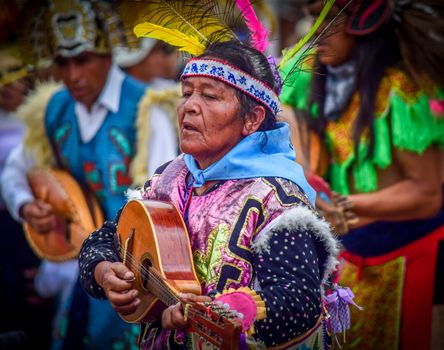
The crisp mountain air bit at my cheeks as I hiked alongside Maria, her weathered hands expertly weaving a vibrant tapestry. Her voice, a melodic blend of Spanish and the ancient Quechua dialect, painted pictures of Inca emperors and celestial spirits. I was struggling to grasp even a few basic phrases, but her patience, her infectious laugh, and the sheer beauty of her words were a powerful motivator.
The Meat:
Nestled high in the Sacred Valley, several community-led initiatives are dedicated to preserving and revitalizing Quechua, the language of the Inca. These aren't sterile classrooms; they are living, breathing cultural centers. You'll find yourself learning alongside local children, participating in daily chores, and sharing meals where the primary language of communication, gradually, becomes Quechua.
- What You'll Learn: Beyond basic conversation, you'll delve into Quechua's rich oral traditions, its connection to the natural world, and its unique grammatical structures. Many projects also offer workshops on traditional weaving, farming, and music.
- Insider Scoop: Try to learn a few basic greetings in Quechua before you arrive. Locals deeply appreciate the effort, and it opens doors to warmer interactions. "Allianchu?" (How are you?) will be your best friend.
- Pro-Tip: Visit during the planting or harvesting seasons to experience the full spectrum of agricultural life and the Quechua vocabulary associated with it.
Quick Facts: Quechua Immersion, Peru
| Category | Details |
| :------------- | :--------------------------------------------- |
| Estimated Cost | $500 - $1500 per week (includes accommodation, meals, and program fees) |
| Best Time to Visit | March-May (Autumn, drier season) and September-November (Spring, drier season) |
| How to Get There | Fly into Cusco (CUZ), then arrange transport with your project host (often a shared van or private taxi). |
2. The Echoes of the Emerald Isle: Irish Gaelic in the Gaeltacht
The Hook:
The salty spray of the Atlantic kissed my face as I stood on a windswept cliff, the crashing waves a dramatic soundtrack. Inside the cozy pub, the air was thick with the aroma of peat smoke and stout. The lively chatter, a rapid-fire, lyrical flow of Irish Gaelic, was both intimidating and exhilarating. I fumbled with my phrasebook, but a kind-faced elderly woman simply smiled and offered me a warm "Fáilte!"
The Meat:
The Gaeltacht regions of Ireland are the custodians of Irish Gaelic (Gaeilge). Spring is an ideal time to visit, as the tourist crowds haven't yet descended, and the landscape is bursting with vibrant green. Many language schools and community centers offer immersive programs specifically designed for learners of all levels.
- What You'll Learn: Focus on conversational fluency, pronunciation, and understanding the nuances of the language as it's spoken by native speakers. Expect traditional music sessions, céilís (dances), and storytelling.
- Insider Scoop: Don't be afraid to join in the impromptu music sessions. Even if you don't play an instrument, your presence and enthusiasm are welcomed. Learning a few traditional songs will make you a hero.
- Pro-Tip: Many Gaeltacht villages have a designated "Irish Hour" in local pubs where only Gaeilge is spoken. Make it your mission to attend one!
Quick Facts: Irish Gaelic Immersion, Ireland
| Category | Details |
| :------------- | :--------------------------------------------- |
| Estimated Cost | $700 - $1800 per week (includes tuition, accommodation, and some meals) |
| Best Time to Visit | April-May (Spring, wildflowers blooming, fewer crowds) |
| How to Get There | Fly into Dublin (DUB) or Shannon (SNN), then take a bus or train to your chosen Gaeltacht region. |
3. The Song of the Silk Road: Uyghur Language & Culture in Xinjiang (with caution)
The Hook:
The scent of cumin and roasted lamb wafted from bustling street stalls. The vibrant silks of the bazaar shimmered under the desert sun, and the melodic call to prayer echoed from minarets. The rapid-fire Uyghur spoken around me was a tantalizing puzzle, a language that felt as ancient and storied as the Silk Road itself. I felt a profound sense of stepping back in time.
The Meat:
While travel to Xinjiang requires careful consideration and adherence to current geopolitical advisories, there are still opportunities to engage with Uyghur language and culture through reputable cultural exchange organizations. These projects often focus on cultural heritage, calligraphy, and traditional music, with language learning integrated organically.
- What You'll Learn: Focus on foundational Uyghur phrases, cultural etiquette, and an appreciation for the rich artistic heritage. You'll likely learn about traditional music, dance, and the history of the Silk Road.
- Insider Scoop: Familiarize yourself with basic Islamic greetings and customs. Showing respect for local traditions is paramount.
- Pro-Tip: Engage with local artisans in the bazaars. They are often eager to share their craft and a few words of Uyghur with curious visitors.
Quick Facts: Uyghur Language & Culture, Xinjiang (with advisories)
| Category | Details |
| :------------- | :--------------------------------------------- |
| Estimated Cost | $800 - $2000 per week (varies greatly by program, includes tours and cultural activities) |
| Best Time to Visit | April-May (Spring, pleasant temperatures before the summer heat) |
| How to Get There | Fly into Ürümqi (URC). Crucially, research current travel advisories and visa requirements thoroughly. |
4. The Rhythms of the Rainforest: Indigenous Languages in the Amazon
The Hook:
The air was thick and humid, alive with the chirps of unseen insects and the distant chatter of monkeys. The earthy scent of damp soil and exotic blooms filled my lungs. Sitting around a crackling fire, the elder's voice, a series of clicks and soft guttural sounds, told stories of the forest spirits. It was a language that seemed to be born from the very heart of the jungle.
The Meat:
Several indigenous communities in the Amazon basin are actively working to preserve their ancestral languages, often through partnerships with NGOs and universities. These are deeply immersive experiences, requiring a significant commitment to respecting local customs and ways of life.
- What You'll Learn: You'll be exposed to unique phonetics, grammatical structures, and a vocabulary deeply intertwined with the natural world. Expect to learn about medicinal plants, traditional hunting techniques, and the cosmology of the community.
- Insider Scoop: Learn the names of common plants and animals in the local dialect. This shows a deep respect for their environment and knowledge.
- Pro-Tip: Bring small, practical gifts for the community (e.g., durable fishing line, sturdy knives, basic medical supplies), but always ask your host organization for guidance on appropriate items.
Quick Facts: Indigenous Amazonian Languages
| Category | Details |
| :------------- | :--------------------------------------------- |
| Estimated Cost | $1000 - $3000+ per week (can be higher due to remote locations and specialized support) |
| Best Time to Visit | May-October (Dry season, easier travel and fewer insects) |
| How to Get There | Varies significantly by region. Typically involves flying into a major city (e.g., Manaus, Brazil; Iquitos, Peru) and then taking smaller planes, boats, or overland transport. |
5. The Melodies of the Mediterranean: Sardinian Dialects in Sardinia, Italy
The Hook:
The scent of wild herbs and the salty tang of the sea filled the air. Sunlight glinted off the ancient stone walls of a hilltop village. The rapid, almost musical cadence of Sardinian, distinct from Italian, was a delightful puzzle. Laughter spilled from a small trattoria, and I felt an immediate pull towards its warmth and authenticity.
The Meat:
Sardinia boasts a rich tapestry of distinct Sardinian dialects, each with its own unique history and charm. Spring offers a perfect window to explore these linguistic treasures before the summer influx. Many cultural associations and local municipalities organize language workshops and cultural events.
- What You'll Learn: Focus on conversational Sardinian (specific dialect dependent on your chosen location), its historical roots, and its cultural significance. You'll also likely engage in activities like cooking classes for traditional Sardinian dishes and exploring ancient Nuragic sites.
- Insider Scoop: Learn the local greeting for your specific village. Sardinians are fiercely proud of their regional identity.
- Pro-Tip: Attend a local festa (festival). These are vibrant celebrations where the language truly comes alive, filled with music, dancing, and delicious food.
Quick Facts: Sardinian Dialect Immersion
| Category | Details |
| :------------- | :--------------------------------------------- |
| Estimated Cost | $600 - $1400 per week (includes accommodation, some meals, and program fees) |
| Best Time to Visit | April-May (Spring, pleasant weather, blooming landscapes) |
| How to Get There | Fly into Cagliari (CAG) or Olbia (OLB), then rent a car or take local buses to your chosen village. |
Beyond the Words: The True Value of Preservation Travel
These projects are more than just language lessons. They are about cultural stewardship. By choosing to learn and engage, you are actively contributing to the survival of a unique human heritage. You're providing economic support to communities that are often overlooked, and you're fostering cross-cultural understanding in a world that desperately needs it.
The Impact of Your Presence:
- Economic Support: Your fees directly benefit local communities, providing income for language teachers, hosts, and cultural practitioners.
- Motivation for Youth: Seeing outsiders genuinely interested in their language and culture can inspire younger generations to embrace and continue their heritage.
- Documentation: Your engagement can help document the nuances of a language, contributing to its scholarly study and preservation.
- Global Awareness: You become an ambassador, sharing your experience and raising awareness about the importance of linguistic diversity.
Packing for Purpose: What to Bring for Your Immersive Spring Adventure
While your enthusiasm is your most important asset, a little preparation goes a long way.
- Comfortable Walking Shoes: You'll be doing a lot of exploring on foot.
- Lightweight, Layered Clothing: Spring weather can be unpredictable.
- A Good Quality Phrasebook/App: Even with immersion, a reference is helpful.
- A Journal: To capture your thoughts, new vocabulary, and cultural observations.
- Small, Thoughtful Gifts: For your hosts (research local preferences).
- An Open Mind and a Willingness to Learn: This is the most crucial item!
Your Spring Awakening: A Journey of Discovery
This spring, consider a journey that nourishes your soul and makes a tangible difference. Language preservation projects offer an unparalleled opportunity to connect with the world on a deeper level. You'll return not just with a few new phrases, but with a profound appreciation for the incredible diversity of human expression, and the satisfaction of knowing you played a small part in keeping these precious voices alive.
So, step off the beaten path. Listen to the whispers of the past. And let the spring air carry you to an adventure that will resonate long after your return.
---