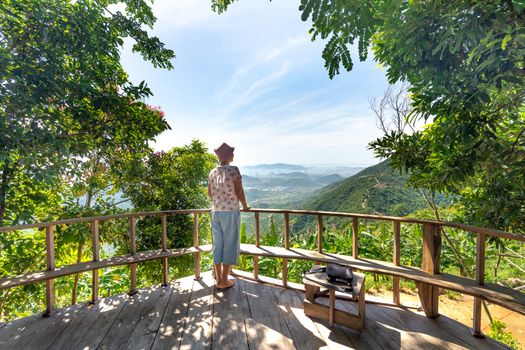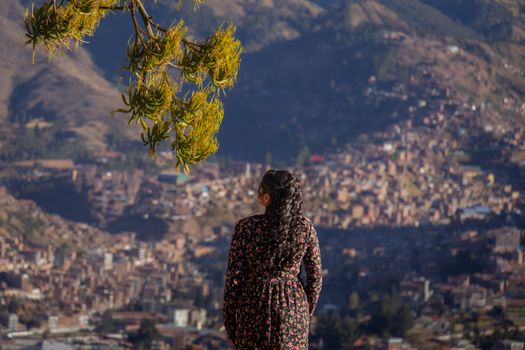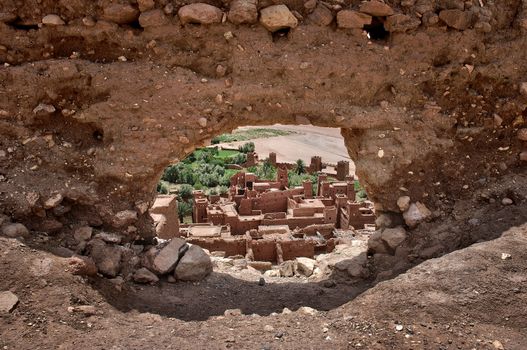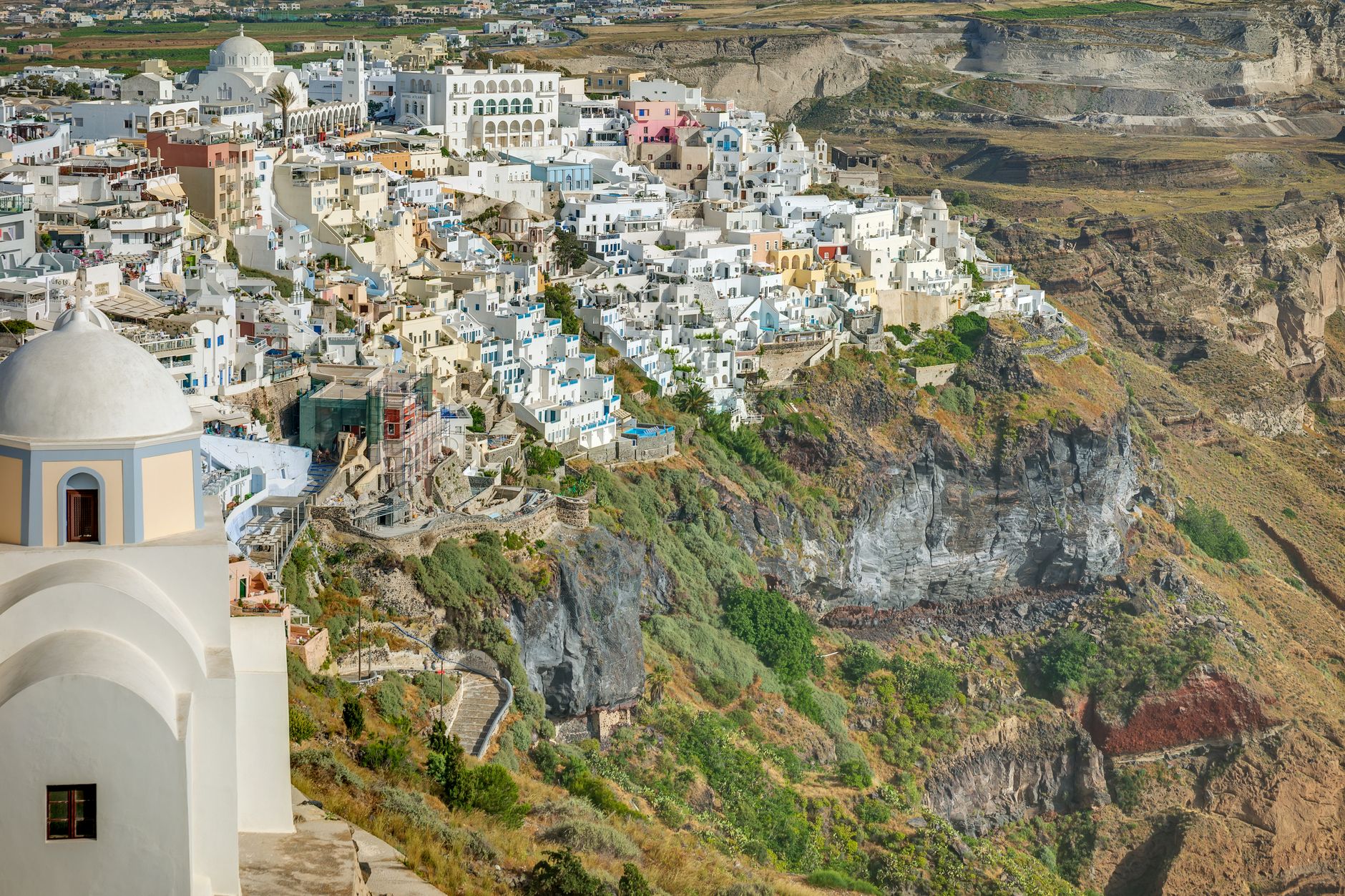
The scent of roasting coffee beans, a whisper of salt spray carried on the breeze, and the distant, melodic chime of temple bells – that was my introduction to the island of Flores. I stepped off the ferry, not onto a manicured tourist boardwalk, but a sun-drenched concrete pier buzzing with local life. Forget the endless scroll of perfectly posed influencers; this was raw, real beauty, and I knew instantly I’d stumbled upon something special.
This year, the travel landscape is shifting. The relentless pursuit of the "perfect" Instagram shot has led many to the same over-saturated, often underwhelming, locations. But for those of us who crave genuine awe and a story to tell, a new wave of destinations is emerging. These are the places that offer not just a view, but an experience. They’re the viewpoints that are better than their Instagram-famous counterparts, offering authenticity, fewer crowds, and a connection to the soul of a place.
The Rise of the Authentic Vista
We've all seen them: the iconic cliffside cafes swarming with people, the perfectly framed archways that require a 3 AM wake-up call, the generic sunsets that have been filtered to oblivion. While these spots might look good on a feed, they often leave the traveler feeling… a little empty. The real magic lies in discovering those unexpected corners, the places where the locals gather, where the light paints a unique masterpiece, and where the only soundtrack is the natural rhythm of the land.
This isn't about dissing the classics; it's about celebrating the evolution of travel. It's about seeking out the subtle nuances, the unpolished gems, and the viewpoints that offer a deeper narrative. This year, the discerning traveler is looking beyond the obvious, seeking out destinations that reward curiosity and a willingness to explore.
Why Now? The Shift Towards Meaningful Travel
The pandemic, in its own strange way, accelerated a global desire for more meaningful experiences. We’ve all had enough of superficiality. Travelers are now prioritizing connection, sustainability, and immersive cultural experiences. This translates directly to how we choose our travel destinations and, crucially, the viewpoints we seek out. The "emerging" destinations are often those that are more sustainable, less impacted by mass tourism, and offer a more genuine interaction with local culture.
The Unseen Grandeur: 5 Viewpoints Redefining "Breathtaking"
Let’s dive into the places that are quietly, yet powerfully, capturing the hearts of those in the know. These are the spots that offer a view, yes, but also a feeling, a memory, a true sense of discovery.
1. The Painted Canyons of Wadi Rum, Jordan (Beyond the Desert Camp Photos)
You’ve seen the iconic shots of jeeps traversing endless red dunes. But the true magic of Wadi Rum lies not just in the vastness, but in its intricate details.
The Insider Scoop:
While many flock to the popular Bedouin camps, venture deeper into the protected area to discover hidden canyons and towering rock formations that feel untouched. The Burda Rock Bridge is spectacular, but the trek to reach it, often with a local guide, is where the real adventure unfolds. The silence, broken only by the wind whistling through ancient rock formations, is profound.
Pro-Tips:
* Hire a local Bedouin guide: They know the secret trails and can share stories of the desert's history.
* Visit during sunrise or sunset: The light here is legendary, painting the sandstone in hues of ochre, rose, and fiery orange. Don't just capture the wide shot; look for the intricate patterns in the rock faces.
* Pack layers: Desert nights can get surprisingly cold.
* Look for petroglyphs: Ancient carvings etched into the rocks tell tales of civilizations long past.
Authenticity Check:
The smell of cardamom-infused coffee brewing over an open fire, the rough texture of hand-woven rugs underfoot, the genuine warmth of a Bedouin welcome – these are the sensory details that elevate Wadi Rum beyond a mere backdrop.
Quick Facts:
* Estimated Costs ($): $50-$150 per day (including guided tours, accommodation in Bedouin camps).
* Best Time to Visit: Spring (March-May) and Autumn (September-November) for pleasant temperatures.
* How to Get There: Fly into Aqaba (AQJ) or Amman (AMM) and take a taxi or rental car to Wadi Rum Village.
2. The Emerald Terraces of Sapa, Vietnam (Beyond the Rice Paddy Poses)
Sapa’s rice terraces are undeniably beautiful, but the tourist trail can feel a bit… well, trodden. The real secret lies in exploring the lesser-known villages and venturing higher into the mountains.
The Insider Scoop:
Forget the main viewpoints. Hire a local Hmong guide and embark on a multi-day trek through the Tavan and Giang Ta Chai valleys, or even further afield to villages like Ban Khoang. Here, the terraces cascade down impossibly steep slopes, carved with generations of skill. The vibrant colours of traditional Hmong clothing against the lush green or golden hues of the rice fields are a photographer's dream, but it’s the quiet moments, observing farmers at work, that truly resonate.
Pro-Tips:
* Book a homestay: Immerse yourself in local life and enjoy home-cooked meals.
* Go during harvest season (September-October): The fields turn a breathtaking golden-yellow.
* Wear sturdy hiking boots: The terrain can be steep and slippery.
* Learn a few basic Vietnamese phrases: A little effort goes a long way in building rapport.
Authenticity Check:
The rhythmic pounding of indigo dye being prepared, the sweet scent of sticky rice steaming, the gentle laughter of children playing – these are the sounds and smells that define the Sapa experience beyond the postcard-perfect vistas.
Quick Facts:
* Estimated Costs ($): $30-$80 per day (including homestays, guided treks).
* Best Time to Visit: September-October (harvest) or March-May (spring planting, pleasant weather).
* How to Get There: Overnight train from Hanoi to Lao Cai, then a taxi or bus to Sapa.
3. The Volcanic Majesty of the Azores, Portugal (Beyond São Miguel's Lagoons)
The Azores are gaining traction, but many visitors stick to the well-trodden paths of São Miguel. Venture to the lesser-visited islands for truly dramatic and untamed landscapes.
The Insider Scoop:
While Lagoa do Fogo is stunning, the island of Pico offers a raw, volcanic beauty that’s unparalleled. Hike to the summit of Mount Pico, Portugal's highest peak, for an otherworldly experience. The stark, black volcanic landscape contrasts with the vibrant blue of the Atlantic Ocean. On Flores, the cascading waterfalls and rugged coastline offer a different, yet equally captivating, kind of grandeur. The Poço do Bacalhau waterfall on Flores is a hidden gem, easily accessible and incredibly rewarding.
Pro-Tips:
* Book your Pico hike permit in advance: Especially during peak season.
* Pack for all weather: The Azores are known for their microclimates.
* Explore the smaller islands: Faial and São Jorge offer unique charm and stunning coastal walks.
* Try the local cheese and wine: Pico wine is a unique volcanic varietal.
Authenticity Check:
The briny tang of the ocean air, the earthy scent of volcanic soil, the sound of waves crashing against black basalt cliffs – these elements create a powerful sensory tapestry that’s far more impactful than a filtered lagoon shot.
Quick Facts:
* Estimated Costs ($): $80-$180 per day (depending on island and activities).
* Best Time to Visit: May-September for the best weather, though shoulder seasons offer fewer crowds.
* How to Get There: Fly into Ponta Delgada (PDL) on São Miguel, then take inter-island flights or ferries to other islands.
4. The Ancient Cityscapes of Matera, Italy (Beyond the Trulli of Alberobello)
Everyone’s seen the iconic conical roofs of Alberobello. But for a truly unique and ancient vista, the cave city of Matera is where history breathes.
The Insider Scoop:
Matera, a UNESCO World Heritage site, is a labyrinth of ancient cave dwellings (Sassi) carved into the rock face. While the main Sassi districts are accessible, wander into the Murgia Materana Park across the ravine. From here, you get a panoramic view of the Sassi that’s simply breathtaking. It’s a view that transports you back millennia, offering a profound sense of human resilience and ingenuity. The light at dawn and dusk here is magical, illuminating the ancient stone.
Pro-Tips:
* Stay in a cave hotel: Experience the Sassi from the inside.
* Explore the Rupestrian Churches: Ancient rock-hewn churches with fascinating frescoes.
* Wear comfortable shoes: The Sassi are a maze of stairs and uneven paths.
* Visit the "Casa Grotta di Vico Solitario": A preserved cave dwelling showing how people lived historically.
Authenticity Check:
The echo of footsteps on ancient stone, the cool, earthy scent of the caves, the taste of local bread baked in traditional ovens – Matera is a city that engages all your senses, offering a visceral connection to its past.
Quick Facts:
* Estimated Costs ($): $70-$150 per day.
* Best Time to Visit: Spring (April-May) and Autumn (September-October) for pleasant temperatures and fewer crowds.
* How to Get There: Fly into Bari (BRI) and take a train or bus to Matera.
5. The Aurora Borealis from the Lofoten Islands, Norway (Beyond the Glass Igloos)
The Northern Lights are a bucket-list item, but the typical "glass igloo" experience can feel manufactured. For a raw, wild encounter with the aurora, the Lofoten Islands are unparalleled.
The Insider Scoop:
Instead of crowded viewing platforms, rent a car and drive to remote beaches like Haukland Beach or Uttakleiv Beach. The dramatic, snow-capped peaks of the Lofoten mountains provide a stunning foreground to the dancing aurora. The feeling of standing on a deserted beach, with the ethereal green and purple lights illuminating the sky above you, is profoundly moving. It's a visceral, untamed spectacle.
Pro-Tips:
* Rent a car: Essential for exploring the islands and finding dark sky locations.
* Check the aurora forecast religiously: Apps like "My Aurora Forecast" are invaluable.
* Pack extreme winter gear: It gets very cold.
* Consider a photography tour: Local guides know the best spots and shooting techniques.
* Embrace the unpredictability: The aurora is a natural phenomenon, and patience is key.
Authenticity Check:
The biting arctic wind on your face, the crunch of snow underfoot, the absolute silence broken only by the crackling of the aurora (if you're lucky enough to hear it) – this is the raw, untamed beauty of the Lofoten Islands.
Quick Facts:
* Estimated Costs ($): $150-$300+ per day (Norway is expensive, especially with car rental and accommodation).
* Best Time to Visit: September to March for the best chance to see the Northern Lights.
* How to Get There: Fly into Bodø (BOO) and take a ferry, or fly into Leknes (LKN) or Svolvær (SVJ) on Lofoten (limited flights).
Beyond the Filter: Embracing the Journey
These viewpoints, and many others like them, are more than just pretty pictures. They are invitations to connect, to explore, and to experience the world in a way that leaves a lasting impression. They remind us that the most memorable travel moments often happen when we step off the beaten path, embrace the unexpected, and allow ourselves to be truly present.
The Future of Travel Photography
The "emerging" destinations are often those that are more sustainable, less impacted by mass tourism, and offer a more genuine interaction with local culture. As travelers become more conscious, the demand for authentic experiences will only grow. This means that viewpoints that showcase genuine culture, untouched nature, and unique local stories will become increasingly valuable.
The tools of photography are evolving, but the desire for authentic visual storytelling remains. The best photographs will come from those who seek out these real, unvarnished moments – the ones that transcend the algorithm and speak directly to the soul.
So, this year, I urge you to look beyond the familiar. Seek out the whispers of adventure, the scent of the unknown, and the views that will not only fill your camera roll but also your heart. The world is full of hidden wonders, waiting to be discovered.