The Hook: The Day I Found a Rainforest in a Parking Garage
I stepped off the rusted iron fire escape and into what should have been a sterile, oil-stained concrete parking deck in the center of the city. Instead, my boots sank into a thick carpet of damp moss. Above me, water dripped from a cracked overhead utility pipe, feeding a wild, accidental fern glen that had taken over the entire unused northern ramp of the structure. The air smelled of wet slate, wild mint, and the sharp, metallic tang of nearby subway grates.
For three years, I had walked past this mid-century concrete monolith on my way to get coffee, completely blind to the micro-wilderness thriving on its third tier.
That is the magic of urban exploration—or "urbex." It forces you to strip away the functional blindness we develop to survive our daily routines. In May, when the spring air is crisp, the humidity is low, and the foliage is bursting through every crack in the asphalt, your city undergoes a quiet transformation. You don't need a flight to Tokyo or a trek through Peru to feel the electric jolt of the unknown. You just need to change your focal length.
---
1. The Psychology of the "Local Blindspot"
To explore your own city, you must first understand why you stopped seeing it. Human brains are optimized for efficiency; once we know a route, our subconscious switches to autopilot, filtering out "irrelevant" visual data like architectural cornices, alleyways, and utility doors.
Breaking the Autopilot Loop
To break this cognitive bias, change your physical altitude and orientation. If you always look down at your phone, commit to a walk where you only look at the third-story level of buildings. You’ll suddenly notice the weathered copper gargoyles, the faded 1920s hand-painted advertisements (known as "ghost signs"), and the structural transitions where 19th-century masonry meets modern glass.
The "Derive" (Drift) Method
Adopt the tactics of the 1950s Situationists. Let go of your destination. Tell yourself: "I will turn left every time I see a building with blue trim, and right every time I smell coffee." This systematic disruption of your routine forces you into interstitial spaces—the alleys, the service lanes, and the quiet residential pockets you’d otherwise never traverse.
---
2. Deciphering the Subterranean & Elevated Layers
Cities are built like lasagna; they are thick stacks of historical eras piled on top of one another. The most thrilling adventures happen when you step off the ground plane.
```
+-------------------------------------------------------------+
| THE ELEVATED LAYER |
| (Abandoned rail spurs, green roofs, public-private plazas) |
+-------------------------------------------------------------+
|
+-------------------------------------------------------------+
| THE STREET LAYER |
| (Alleys, historic facades, active storefronts, plazas) |
+-------------------------------------------------------------+
|
+-------------------------------------------------------------+
| THE SUBTERRANEAN LAYER |
| (Utility vaults, forgotten canal culverts, transit tunnels) |
+-------------------------------------------------------------+
```
Hunting for Abandoned Transit and Rail Spurs
Before the highways took over, cities were webbed with industrial rail lines and streetcars. Many of these tracks still exist, swallowed by weeds or converted into informal community trails.
* How to find them: Open satellite view on your mapping app. Look for long, narrow, wooded corridors cutting diagonally through the rigid grid of your city's streets. These are almost always decommissioned rail rights-of-way.
* What to look for: Look for wild wisteria and elderberry bushes. These plants thrive in the disturbed, gravelly soils of old rail ballast.
Finding the Publicly Accessible Private Spaces (POPS)
Many modern skyscrapers are legally required to provide public plazas, indoor atriums, or rooftop gardens in exchange for zoning variances. These are often deliberately obscured by developers who want to keep them private.
* Pro-Tip: Look for small, polished brass plaques near building entrances that read "Open to the Public" or list specific public hours. Push past the heavy glass doors; if the security guard stops you, politely point out the POPS designation. You’ll often find empty, sun-drenched indoor rainforests or 15th-floor observation decks that are completely free of crowds.
---
3. Architectural Archaeology: Reading the Walls
Every building is a document waiting to be read. When you learn the vocabulary of architecture, a simple brick wall tells a story of economic booms, fires, and changing technologies.
```
[ Ornamental Cornice: Indicates prestige & wealth ]
|
[ Ghost Sign: Faded 1920s paint on brickwork ]
|
[ Structural Cast-Iron Star: Post-fire seismic reinforcement ]
|
[ Rusticated Stone Base: Ground-level defense & stability ]
```
Spotting "Ghost Signs"
These are the faded, hand-painted advertisements from the late 19th and early 20th centuries, preserved on exterior brick walls.
* The Detail: Look for the shadows of letters. Often, multiple layers of ads were painted over each other. A faint white lead outline of a "Gold Medal Flour" ad might overlap with a black-lettered "Singer Sewing Machines" sign.
* The May Advantage: The angled, bright morning sun of May casts deep shadows into the microscopic recesses of the brick, making these faded pigments pop far more clearly than they do under the flat, harsh light of mid-summer.
The Tell-Tale Star: Seismic Tie-Rods
Have you ever noticed star-shaped or S-shaped iron plates bolted flat against the brick exterior of older buildings? These aren't decorative. They are the anchor plates of tie-rods, installed after major earthquakes or fires to hold the masonry walls to the internal wooden floor joists. If you see them, you are looking at a building that survived a major structural crisis, likely in the late 1800s.
---
4. The Micro-Food Safari: Skipping the Dining Room
True urban exploration extends to your palate. Skip the sleek dining rooms with their curated playlists and reservation apps. Instead, seek out the industrial food ecosystems that feed the city before dawn.
The Back-Alley Bakery Window
Many wholesale bakeries that supply high-end restaurants operate out of industrial parks or nondescript brick warehouses. They don't have storefronts, but they do have loading docks.
* Pro-Tip: Head to your city’s industrial or meatpacking district between 4:00 AM and 6:00 AM. Follow the smell of caramelized yeast. Many of these bakeries will sell you sourdough loaves or laminated croissants directly from the baking racks if you bring exact cash and ask politely. It is the freshest, cheapest, and most atmospheric breakfast you will ever experience.
The Hidden Food Court of the Wholesale Market
Look for the wholesale flower, produce, or garment districts. Nestled deep inside these chaotic hubs, you’ll find tiny, counter-only diners designed to serve the workers who start their shifts at midnight. Here, you won't find avocado toast; instead, expect to find hand-pulled noodles, spicy tripe soup, or perfectly griddled breakfast sandwiches served on wax paper.
---
5. High-Tech Urbex: Your 2026 Digital Toolkit
Urban exploration in May 2026 relies on a mix of vintage archival research and cutting-edge mobile technology. Here is how to build your digital scouting kit.
1. LiDAR Scanning Apps
Most mid-to-high-end smartphones now feature built-in LiDAR sensors. Use apps like Polycam or SiteScape to capture high-density 3D scans of the interesting architectural details, tunnels, or graffiti art you discover. Not only does this preserve the space digitally, but it also allows you to analyze structural anomalies in 3D space later.
2. Historical Map Overlays
Use tools like OldMapsOnline or your local library’s digital archive of Sanborn Fire Insurance Maps. Sanborn maps from the late 1900s are incredibly detailed, showing the locations of old coal chutes, underground storage tanks, and forgotten alleyways. Overlay these with your current GPS map to find hidden structural voids in your neighborhood.
3. GIS and Topographical Mapping
Use USGS EarthExplorer or regional GIS portals. Look for sudden, unnatural depressions in the topography of your city. These often indicate buried creeks, filled-in canal basins, or hollowed-out subterranean transit vaults that have settled over the decades.
---
6. The Logistics, Safety, and Legal Blueprint
Urban exploration carries inherent risks, both physical and legal. To keep your adventures safe, sustainable, and legal, adhere to this strict framework.
Quick Facts: The Urban Explorer's Logistics Sheet
| Parameter | Detail / Recommendation | Estimated Cost ($) |
| :--- | :--- | :--- |
| Best Time to Visit | 5:30 AM – 8:30 AM (Sunday mornings are quietest) | $0 (Free) |
| Essential Footwear | Puncture-resistant, high-traction boots (not canvas sneakers) | $80 - $150 |
| Key Gear | 1000-lumen flashlight, backup battery, leather work gloves | $30 - $60 |
| Navigation Apps | Gaia GPS, OnX Hunt (for property boundary verification) | $0 - $30/yr |
| Legal Strategy | Stick to public easements, POPS, and non-posted properties | $0 |
The Golden Rule: "Leave No Trace"
This is the absolute law of the urbex community. Never force entry. If a gate is locked, a window is boarded, or a door is chained, do not break it. The thrill of exploration lies in finding the open path, not committing breaking and entering. Take only photos, leave only footprints.
What to Wear
Avoid bright colors, but don't wear head-to-toe black (which makes you look suspicious). Opt for neutral tones—slate gray, olive green, or navy. Wear durable canvas pants (like Carhartt) to protect against rusty nails, jagged metal, and poison ivy. Always carry a small first-aid kit with antiseptic wipes and tetanus-grade bandages.
---
7. The Final Word: The Adventure is Already Underway
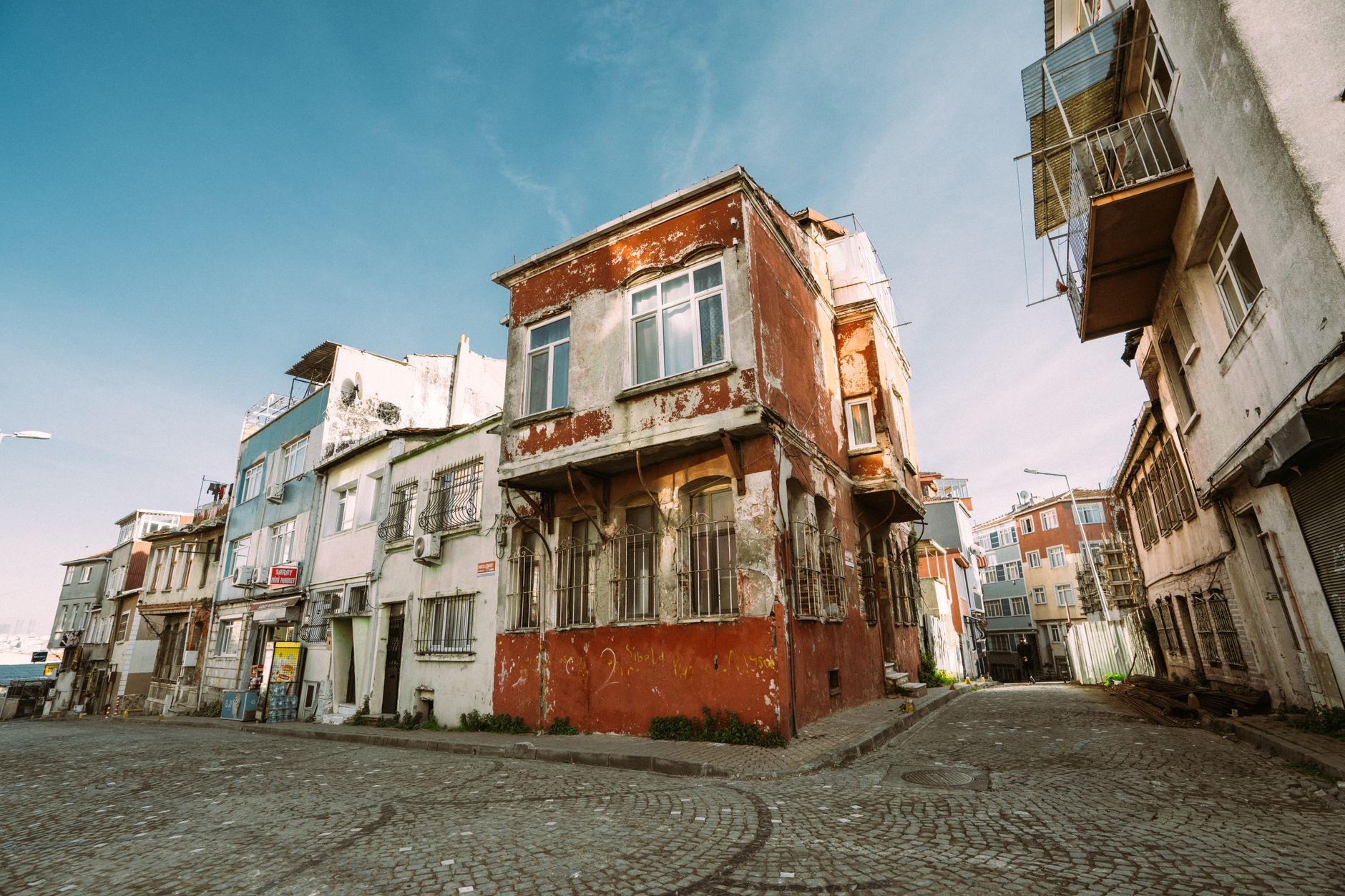
The great irony of travel is that we will spend thousands of dollars to fly halfway across the globe to walk down a narrow alleyway in Rome, yet we will ignore the historic, cobblestone shipping lane two blocks from our own apartment.
This May, challenge yourself to be a traveler in your own zip code. Put on your boots, wake up before the sun, and step outside with the deliberate intention of getting lost. You’ll be amazed at how vast, mysterious, and beautiful your city becomes when you finally stop trying to get somewhere else.
---