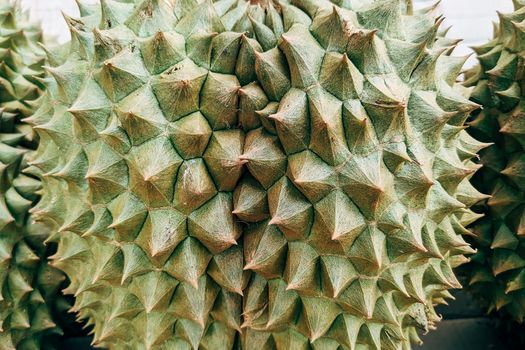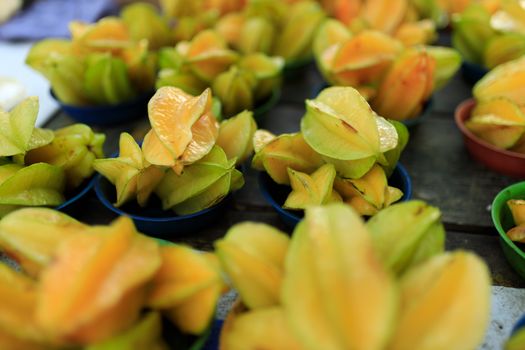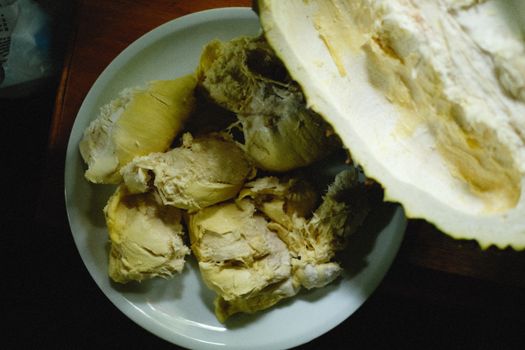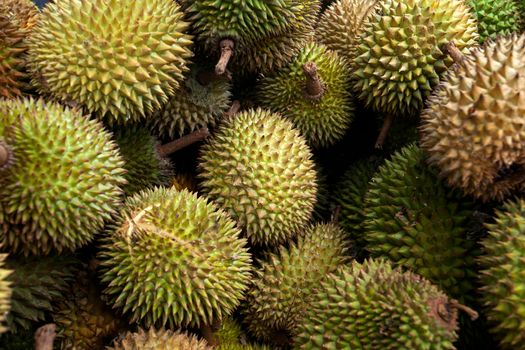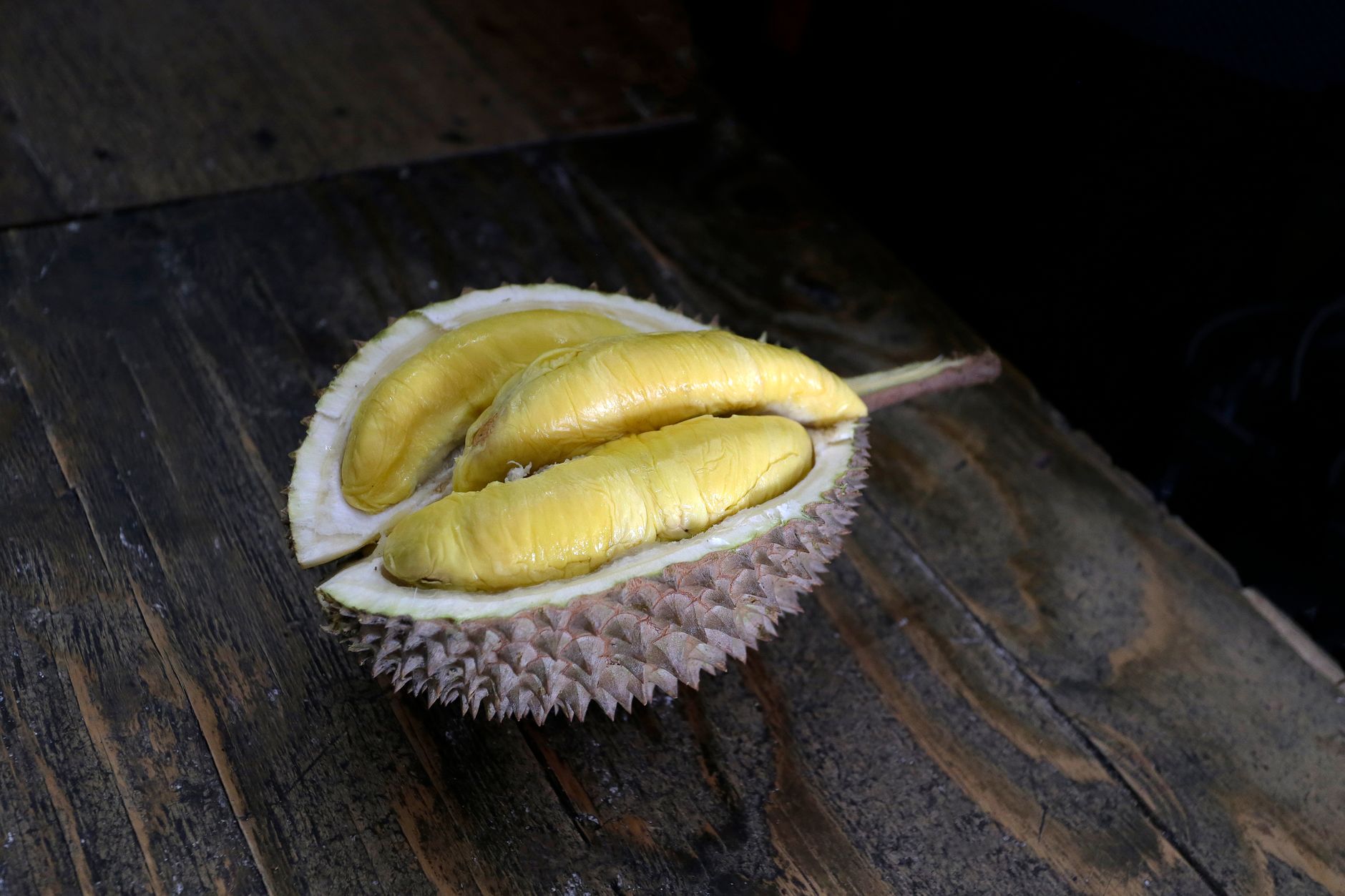
The humid air of a bustling market in Southeast Asia clung to me like a second skin. I was on the hunt, not for the usual rambutan or mangosteen (delicious as they are), but for something more. Something whispered about, pointed to in hushed tones by friendly vendors who, with a wink, would tell me, "This one? Tourists don't usually know this one." That day, I found it – a fruit that looked like it belonged on another planet, its scales shimmering under the market lights. My first bite was an explosion of sweet, tangy, and utterly unique flavors, a moment that solidified my mission: to uncover the world's most unusual, locally-guarded fruits.
Let's be honest, part of the thrill of travel is stumbling upon those authentic, off-the-beaten-path experiences. And when it comes to food, especially fruit, there's a whole secret garden out there waiting to be discovered. These aren't your supermarket staples; many are too delicate to export, too seasonal, or simply too ingrained in local culture to be widely commercialized. Locals often keep them to themselves, not out of malice, but because they're precious, limited, and a cherished part of their culinary heritage. Are you ready to dive into a world of flavors you never knew existed? Your taste buds are in for the adventure of a lifetime.
The Trunk-Bearing Marvel: Jabuticaba (Brazil)
Imagine walking through an orchard and seeing grapes growing directly on the trunks and branches of trees, not from vines. That's the mind-bending reality of the Jabuticaba (pronounced jah-boo-tee-KAH-bah), a truly bizarre and utterly delicious fruit native to Brazil.
My first encounter with Jabuticaba was in a small, sleepy town in Minas Gerais. I was strolling past a local's backyard when I literally stopped dead in my tracks. A tree was covered, from root to canopy, in dark purple, glossy fruits, clustered together like a fantastical fungal growth. It looked like something out of a Dr. Seuss book! A friendly elderly woman, noticing my wide-eyed stare, simply smiled, plucked a handful, and offered them to me.
My first bite? Pure magic. The thin, slightly tart skin gave way to a translucent, juicy pulp, bursting with a sweet, slightly acidic flavor that's a cross between a muscadine grape, a lychee, and a very mild plum. It's incredibly refreshing.
Why locals "keep it secret":
The Jabuticaba has an incredibly short shelf life once picked – sometimes as little as 2-3 days. This makes it impossible to export fresh, keeping it a treasured local delicacy. When it's in season, Brazilians flock to markets to buy it by the kilo, eating it fresh, or transforming it into exquisite jams, jellies, and even Jabuticaba wine. It's a fleeting pleasure, savored intensely.
How to find it:
Your best bet is to visit Brazil during its peak season, typically late winter to early spring (August to September) or sometimes a second bloom in January/February, depending on the region. Head to local farmers' markets (feiras) in states like Minas Gerais, São Paulo, and Goiás. Look for vendors with overflowing baskets of dark purple spheres. Don't be shy; ask for a taste! Prices are usually very affordable, often just a few Brazilian Reais per kilo when in season.
Instagram-worthy moment:
A close-up shot of the fruit-laden tree trunk is pure photo-op gold. The contrast of the smooth, grey bark with the clusters of dark purple fruit is simply stunning.
The Scaly Enigma: Salak, or Snake Fruit (Indonesia & Malaysia)
Stepping into a market in Bali, you’ll likely spot piles of reddish-brown fruits with a distinct, scaly skin that genuinely resembles snakeskin. This is Salak, or Snake Fruit, and while it's relatively common, there's a secret to it that many tourists miss: the varieties.
My first experience with Salak was, to be frank, a bit underwhelming. I bought a handful from a touristy stall, and while interesting, the fruit was somewhat dry and astringent. Later, a local guide, noticing my lukewarm reaction, took me to a smaller, less-frequented market. He pointed to a specific pile of Salak, slightly smaller, with a shinier skin, and whispered, "This is Salak Pondoh. Much better." He was right.
Peeling back the delicate, brittle skin of a Salak Pondoh revealed three creamy-white lobes, each with a large, dark seed. The texture was crisp, almost like a firm apple, but the flavor was a delightful blend of sweet pineapple, tangy citrus, and a subtle nutty undertone. It was incredibly juicy and fragrant – a world away from my first bland encounter.
Why locals "keep it secret":
While Salak is widely available, locals know and seek out the superior varieties like Salak Pondoh (from Java) or Salak Bali, which are sweeter, less astringent, and have a more pleasant texture. These prized varieties are often sold by specific vendors or in certain regions, and knowing which one to pick is a local art form.
How to find it:
Visit local markets in Indonesia (especially Bali and Java) or Malaysia. Ask vendors for "Salak Pondoh" or "Salak Bali." Don't be afraid to try a few different types to find your favorite. The fruit is available year-round but peak season varies by region. Prices are generally very low, often under $1-2 USD per kilo.
Instagram-worthy moment:
The intricate, reptilian skin of the Salak makes for a fascinating texture shot. Pair it with a vibrant market backdrop for an authentic feel.
The Amazonian Secret: Cupuaçu (Brazil & Amazon Basin)
Deep within the heart of the Amazon rainforest lies a fruit that might just be the next big superfood, though for now, it remains a cherished secret of the region: Cupuaçu (pronounced koo-poo-ah-SOO). Related to cacao, this large, football-shaped pod has a tough, brown exterior and houses a creamy, aromatic pulp.
I first encountered Cupuaçu in Belém, a bustling port city at the mouth of the Amazon. I was exploring the Ver-o-Peso market, an assault on the senses with its vibrant colors, exotic smells, and lively chatter. I noticed many locals sipping on a thick, pale-yellow juice. Curiosity piqued, I asked the vendor what it was. "Cupuaçu," she said, handing me a cup. The taste was unlike anything I'd ever experienced: a complex symphony of tangy pineapple, creamy chocolate, and hints of passion fruit, all wrapped up in a smooth, almost custard-like texture. It was instantly addictive.
Why locals "keep it secret":
Cupuaçu is notoriously difficult to eat raw due to its hard shell and the somewhat fibrous nature of its pulp. Locals primarily use it for its pulp, transforming it into juices, smoothies, ice creams, jams, and delicious desserts. It's an integral part of Amazonian cuisine, and its unique flavor profile is something they've long savored without widespread international attention. Plus, its limited growing region keeps it quite exclusive.
How to find it:
Your best bet is to travel to the Amazon region of Brazil (Manaus, Belém), Colombia, or Peru. Look for it in local markets, juice bars (sucos), and bakeries. You'll rarely find the whole fruit outside of these regions; instead, look for the frozen pulp (polpa de cupuaçu) or prepared products. Expect to pay a bit more for prepared items, but the experience is worth it.
Instagram-worthy moment:
A vibrant, frothy glass of Cupuaçu juice against a lush, green Amazonian backdrop, or a shot of the imposing whole fruit if you're lucky enough to find one.
The Autumnal Split: Akebi (Japan)
When you think of Japanese fruits, you probably picture pristine, perfectly ripe peaches or exquisitely sweet melons. But venture into the rural areas of northern Japan in autumn, and you might stumble upon the truly unique and almost otherworldly Akebi (pronounced ah-keh-bee). This fruit grows in a distinctive, elongated purple pod that, when ripe, dramatically splits open down the middle, revealing a translucent, jelly-like pulp embedded with shiny black seeds.
My discovery of Akebi was purely by chance during a leaf-peeping trip through the Tohoku region. We pulled over at a tiny roadside stand, nestled amongst golden rice fields and fiery maple trees. There, alongside local vegetables, were these striking purple pods, some already split open like alien mouths. The vendor, a sweet elderly woman, gestured for me to try.
The taste is incredibly subtle – a delicate, mildly sweet flavor, almost like a very diluted banana or a faint lychee. The texture is what truly stands out: a soft, almost gelatinous pulp that you gently slurp out, spitting out the tiny seeds. The skin itself can be slightly bitter, but locals sometimes stir-fry it with miso. It’s an experience more than just a flavor.
Why locals "keep it secret":
Akebi is largely a wild-foraged fruit, not widely cultivated commercially. It's incredibly seasonal, appearing only for a brief window in autumn, primarily in the mountainous regions of northern Japan. Its subtle flavor means it doesn't have the mass appeal of sweeter fruits, making it a niche delicacy cherished by those who grew up with it.
How to find it:
Plan your trip to northern Japan (Tohoku region, particularly Akita and Yamagata prefectures) in late September or October. Look for it at small, local farmers' markets, roadside stands, or even notice it growing wild if you're hiking. Due to its rarity, it can be a bit pricier than other fruits, perhaps a few hundred yen per pod.
Instagram-worthy moment:
The dramatic split of the purple pod, revealing the translucent pulp, is incredibly photogenic. Capture it with the vibrant autumn leaves in the background for a perfect seasonal shot.
The Superior Cousin: Pulasan (Malaysia & Indonesia)
You've probably heard of Rambutan, the hairy red fruit that's a staple in Southeast Asia. But ask a local in Malaysia or Indonesia, and they might quietly steer you towards its less famous, but arguably superior, cousin: the Pulasan (pronounced poo-lah-sahn). While similar in appearance, Pulasan boasts blunter, thicker spines, often a deeper red hue, and a distinct flavor profile.
I was at a vibrant street market in Penang, Malaysia, happily munching on some rambutan, when a local friend chuckled. "You're eating the tourist fruit," he teased. He then led me to a vendor selling Pulasan. At first glance, they looked almost identical. But as he showed me, Pulasan are easier to peel – the skin often comes off cleanly, revealing a plump, glossy, pure white flesh.
The taste was a revelation. Sweeter, less acidic, and often juicier than rambutan, Pulasan has a richer, almost creamy flavor with a hint of almond. The flesh also tends to separate more easily from the seed, making it a more enjoyable eating experience. It was like discovering the premium version of a fruit I already loved.
Why locals "keep it secret":
Pulasan is less common than rambutan and generally considered a higher-quality, more refined fruit by locals. It's often grown in smaller quantities and doesn't get the same mass distribution. Locals know the subtle differences in taste and texture and will always opt for Pulasan when it's available.
How to find it:
Look for Pulasan in local markets across Malaysia (especially Penang and Borneo) and Indonesia during its peak season, typically from June to September. You might need to ask for it specifically, as it might not be as prominently displayed as rambutan. Prices are comparable to rambutan, perhaps slightly higher due to its perceived superiority.
Instagram-worthy moment:
A side-by-side comparison of Pulasan and Rambutan, highlighting their subtle differences, makes for a great "spot the difference" photo. Or simply a shot of the perfectly peeled, glossy white fruit.
The Flavor-Tripping Marvel: Miracle Berry (West Africa & Florida)
This isn't a fruit you eat for its own flavor, but rather for the incredible trick it plays on your taste buds. The Miracle Berry (Synsepalum dulcificum) is a small, unassuming red berry native to West Africa. On its own, it has almost no taste. But chew on one for a few minutes, and then watch what happens to everything else you eat or drink for the next hour or so.
My first encounter with the Miracle Berry was at a "flavor tripping" party in Florida, where specialized farms cultivate them. We were instructed to slowly chew the berry, letting its pulp coat our tongues. Then, the host brought out a platter of lemons, vinegar, and sour cream. What followed was pure culinary magic. A lemon tasted like the sweetest lemonade. Vinegar transformed into a delightful apple cider. Sour cream became a rich, decadent dessert. It was an absolutely mind-blowing experience, turning the ordinary into the extraordinary.
Why locals "keep it secret":
The Miracle Berry isn't a traditional fruit for eating. Its use is purely for its taste-altering properties, often for specific culinary experiences or to make bland or sour foods more palatable. It's extremely delicate and has a very short shelf life once picked, making it difficult to transport fresh. This keeps it a niche, almost experimental, food item.
How to find it:
Finding fresh Miracle Berries can be challenging outside of West Africa or specialized farms (like those in Florida). You might find them at gourmet food stores or online as freeze-dried tablets, which still contain the active compound, miraculin. If traveling to West Africa, ask locals about "Agbayun," "Taami," or "Asaa" (local names for the fruit). Prices can be quite high for fresh berries due to their rarity and delicate nature.
Instagram-worthy moment:
A series of photos showing people's reactions as they try different sour foods after consuming the Miracle Berry – the expressions of surprise and delight are priceless!
Your Guide to Unlocking These Hidden Fruit Gems
Ready to become a fruit connoisseur and impress your friends with your exotic discoveries? Here are some essential tips for your next culinary adventure:
- Hit the Local Markets, Not Supermarkets: This is non-negotiable. Supermarkets cater to mainstream tastes and shelf life. Local farmers' markets (or "wet markets" in Asia) are where you'll find the freshest, most unusual, and often seasonal produce.
- Go Seasonal: Many of these unique fruits have very specific, short seasons. Do a little research before you travel to know when your target fruit will be ripe for the picking.
- Befriend a Local (or a Vendor): This is the ultimate hack. Locals know their fruits best – which varieties are superior, how to tell ripeness, and where to find the best deals. Don't be afraid to strike up a conversation, show genuine interest, and politely ask for recommendations.
- Learn a Few Phrases: "What is this fruit?" (e.g., "Que fruta é essa?" in Portuguese, "Ini buah apa?" in Indonesian, "Kono kudamono wa nan desu ka?" in Japanese) and "Can I try?" (e.g., "Posso provar?" or "Boleh cuba?") can open doors to amazing discoveries.
- Be Adventurous: Some fruits might look strange, smell unusual, or have an unfamiliar texture. Embrace the unknown! You might just find your new favorite flavor.
- Carry Cash: Many local market vendors prefer cash, and it often makes transactions smoother and quicker.
- Pack Wipes and a Small Knife: For on-the-go fruit tasting, these can be lifesavers.
The Sweetest Secret of All
The world of unusual fruits is a vibrant tapestry of flavors, textures, and stories, woven into the very fabric of local cultures. These aren't just snacks; they're an invitation to connect with a place on a deeper, more delicious level. From the trunk-hugging Jabuticaba to the taste-altering Miracle Berry, each fruit offers a glimpse into a region's unique biodiversity and culinary traditions.
So, next time you plan a trip, go beyond the tourist traps and seek out these hidden gems. Engage with the locals, explore the bustling markets, and let your taste buds lead the way to an unforgettable adventure. You'll not only discover incredible new flavors but also gain a deeper appreciation for the rich diversity of our planet.
What's the most unusual fruit you've ever discovered on your travels? Share your secret finds and tips in the comments below! Let's inspire each other to explore the delicious unknown!
---