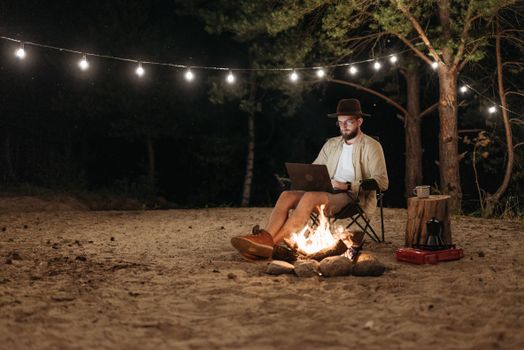
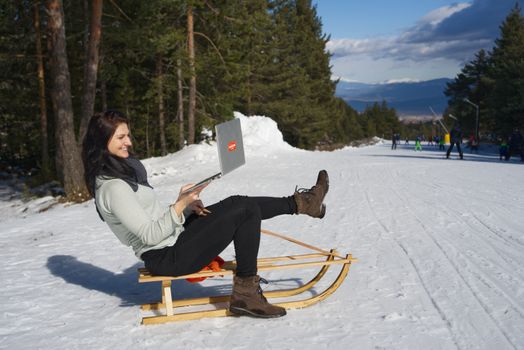
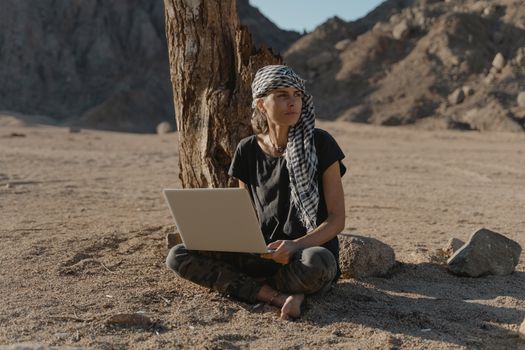
The sun dipped below the horizon, painting the sky in fiery oranges and soft purples, a scene straight out of a postcard. I was scrolling through my feed, sipping a lukewarm instant coffee in my tiny city apartment, watching another influencer pose flawlessly on a Balinese swing, laptop artfully placed beside them, captioning about their "freedom" and "location independence." My own laptop sat open, displaying a spreadsheet. Freedom? My bank account was screaming "less free, more rent."
Sound familiar? We've all been there. The digital nomad dream, meticulously crafted and filtered, often feels just out of reach, especially when you factor in the rising cost of living, visa complexities, and the sheer effort of making a new life in a foreign land. It felt like a secret club, and I definitely wasn't on the guest list.
But what if I told you there’s a different kind of digital nomad life? One where countries don't just tolerate your remote work, but actively incentivize you to move there? Yes, you read that right. There are places, often overlooked by the mainstream travel gurus, that are literally offering cash, tax breaks, and other incredible perks to remote workers and new residents. This isn't about finding a cheap Airbnb; this is about finding a place that wants you so much, they’re willing to put their money where their mouth is.
I spent months digging, sifting through obscure government programs, local initiatives, and off-the-beaten-path opportunities. What I found blew my mind. These aren't just digital nomad visas (though some are bundled with them); these are genuine relocation packages designed to revitalize communities, boost local economies, and, frankly, give people like us a real shot at that global, flexible life without the constant financial stress.
So, put down that lukewarm coffee, ditch the envy, and get ready. Because I'm about to spill the tea on the places Instagram influencers conveniently forget to mention – the countries that actually pay you to work remotely.
The Real Deal: Why Countries Want You (and Your Laptop)
Before we dive into the juicy details, let's understand why these programs exist. It's not charity; it's smart economics. Many beautiful, often rural, regions worldwide are facing depopulation. Young people move to big cities for opportunities, leaving behind aging populations and dwindling local economies.
Remote workers, especially those with stable incomes, are a godsend. We bring:
* Economic injection: We spend money on local goods, services, and housing.
* Demographic boost: We often bring families, or at least a younger, more active demographic.
* Skill transfer: We can contribute to local communities with our diverse skills.
* Visibility: Our presence, even if just online, can draw attention to these hidden gems.
So, these incentives are a win-win. You get a funded adventure, and they get a vibrant new resident. Now, let's talk specifics.
My Top Picks: Countries & Programs That Actually Pay You to Live There
This isn't an exhaustive list, but these are some of the most compelling and well-documented programs I've unearthed. Remember, eligibility criteria vary, so always check the official sources!
1. Italy: Live La Dolce Vita (with a Grant!)
Italy, with its ancient history, stunning landscapes, and unparalleled cuisine, is a dream destination for many. But did you know some regions are actively paying people to move there?
- Calabria: The "Active Residency Income" Program
- The Offer: Calabria, in southern Italy, has launched initiatives to combat depopulation in its charming, often overlooked, villages. Their "Active Residency Income" program has offered up to €28,000 (around $30,000 USD) over three years to individuals willing to relocate to a village with fewer than 2,000 residents.
- The Catch (and Opportunity): You typically need to be under 40 years old and commit to starting a new business (e.g., a B&B, a local shop, or a remote consultancy that serves the area) or taking up a specific job in the region. The idea is to bring new life and economic activity.
- My Take: Imagine setting up your remote design studio or travel blog hub in a sun-drenched village like Altomonte, Civita, or Aieta, sipping espresso in the piazza after a productive morning. This isn't just a grant; it's an investment in your new life. The paperwork can be daunting, but the reward of living authentically Italian, with a significant financial cushion, is immeasurable.
- Sardinia: Revitalizing the Island
- The Offer: The beautiful island of Sardinia has announced a similar program, offering up to €15,000 (around $16,000 USD) to those who move to a village with fewer than 3,000 inhabitants.
- The Catch: The grant must be used to purchase or renovate a home in the chosen municipality, and you must register your residency there.
- My Take: Sardinia's rugged beauty and unique culture make it an incredible place to call home. This grant helps offset the initial costs of settling in, making that dream of a Sardinian escape much more tangible.
2. Spain: Rural Charms and Repopulation Rewards
Spain's rural areas are also keen to welcome new residents, especially families.
- Ponga, Asturias:
- The Offer: This picturesque village in the northern Asturias region offers families a grant of €3,000 (approx. $3,200 USD) to move there, plus an additional €3,000 for each child born in the municipality.
- My Take: If you're looking for a slower pace, stunning mountain scenery, and a close-knit community, Ponga could be your haven. The financial incentive is a nice boost, especially for families. It's a chance to immerse yourself in authentic Spanish rural life, far from the tourist crowds.
- Griegos, Aragon:
- The Offer: Located in the Teruel province, Griegos is another village seeking new residents. They offer free rent for the first six months, followed by a nominal rent of just €225 (approx. $240 USD) per month. They also help new residents find jobs (if needed) or support remote work setups.
- My Take: This program is perfect for those who want to test the waters without a huge upfront commitment. The low cost of living here means your remote income goes a lot further, effectively "paying" you through extreme savings.
3. Greece: A Remote Island Paradise (for the Right Family)
One of the most unique programs I found takes you to a tiny, stunning Greek island.
- Antikythera Island:
- The Offer: The Greek Orthodox Church, in partnership with local authorities, offers families (especially those with three or more children) a house, a piece of land, and a stipend of €500 (approx. $530 USD) per month for the first three years.
- The Catch: This is specifically for families willing to commit to growing the island's population. It's remote, with limited amenities, but offers an unparalleled sense of community and connection to nature.
- My Take: While not for everyone, this is the ultimate "get paid to move" scenario for a specific demographic. Imagine raising your kids on a tranquil island, surrounded by turquoise waters and ancient history, with your basic needs largely covered. It's a truly unique proposition for those seeking a profound change of pace.
4. USA: Don't Forget Home! American Cities & States Are Paying Too.
It's easy to get caught up in the allure of international travel, but some places right in the USA are offering incredible incentives to remote workers. These are often overlooked but offer direct cash payments!
- Tulsa Remote, Oklahoma:
- The Offer: Tulsa, Oklahoma, offers a generous $10,000 cash grant to eligible remote workers who relocate there. They also provide a free desk space at a co-working facility and access to exclusive community events.
- The Catch: You need a full-time remote job, must be 18+, eligible to work in the US, and commit to living in Tulsa for at least one year.
- My Take: A friend of mine, Sarah, a freelance graphic designer, took the plunge with Tulsa Remote last year. She raves about the vibrant arts scene, the low cost of living, and the incredible community support. "It felt like a cheat code," she told me, "getting paid to explore a new city and make amazing connections." The $10k definitely smoothed her transition.
- Ascend WV, West Virginia:
- The Offer: West Virginia's "Ascend WV" program offers an incredible package: $12,000 cash to move to the state, plus free outdoor recreation experiences (worth $2,500), free co-working space, and social events.
- The Catch: You need a full-time remote job, be 18+, eligible to work in the US, and commit to living in West Virginia for at least two years.
- My Take: If you're an outdoor enthusiast, this is a dream. Imagine spending your weekends hiking, biking, or rafting through the Appalachian Mountains, all while receiving a substantial financial boost. It's a compelling offer for nature lovers looking for a slower pace of life.
- Vermont Remote Worker Grant Program:
- The Offer: Vermont offers up to $10,000 to cover relocation expenses for remote workers who move to the state.
- The Catch: You need a full-time remote job and must become a full-time resident of Vermont.
- My Take: Vermont's charm is undeniable, from its stunning fall foliage to its quaint towns. This grant helps make the move financially feasible, allowing you to embrace a quieter, more connected lifestyle in the Green Mountain State.
5. Switzerland: Alpine Living, with an Incentive
Even notoriously expensive Switzerland has its hidden gems.
- Albinen, Valais:
- The Offer: This picturesque mountain village in the Swiss Alps offers grants of up to 25,000 Swiss Francs (approx. $27,000 USD) per adult and 10,000 CHF (approx. $11,000 USD) per child to families who move there.
- The Catch: You must be under 45 years old, commit to living in Albinen for at least 10 years, and purchase or build a home worth at least 200,000 CHF.
- My Take: This is a serious commitment, but for those dreaming of an idyllic alpine life, the financial incentive is substantial. Imagine waking up to snow-capped peaks and fresh mountain air, with a significant chunk of your housing costs covered. It's a long-term investment in a truly magical place.
The Fine Print & How to Qualify: Beyond the Hype
These programs sound incredible, and they are, but they're not a free lunch. Here’s what you need to understand:
- Eligibility Criteria: These vary wildly. Age limits (often under 40 or 45), income thresholds (you need to prove you can support yourself after the grant), profession types, and family status are common. Some require you to start a local business; others just need you to be a remote worker.
- Commitment Periods: Most programs require you to commit to living in the area for a set number of years (e.g., 1-10 years). If you leave early, you might have to repay a portion of the grant.
- Application Process: Be prepared for bureaucracy. Gather all necessary documents (proof of income, birth certificates, marriage licenses, business plans, etc.), fill out forms meticulously, and be patient. It often involves multiple steps and waiting periods.
- Taxes: Understand the tax implications. Will the grant be taxed? What are your tax obligations as a remote worker in your new country and your home country? Consult a tax professional specializing in international taxation. Many countries have double taxation treaties, but it's crucial to understand your specific situation.
- Healthcare: Research the local healthcare system. Some programs might include basic healthcare, while others require you to purchase private insurance.
- Language & Culture: While not always a strict requirement, making an effort to learn the local language and understand the culture will significantly enhance your experience and integration. These communities are often tight-knit.
- Location, Location, Location: Remember, these incentives are often for rural or less populated areas. This means fewer amenities, less nightlife, and potentially more isolation than a bustling city. Embrace the slower pace and local charm.
My Journey & What I Learned: The Unfiltered Reality
While I haven't personally taken the plunge with a full "pay-to-move" program yet, my extensive research and conversations with people who have (like Sarah in Tulsa) have given me invaluable insights.
I remember poring over the Calabria program details, envisioning myself writing from a sun-drenched terrace overlooking the Ionian Sea. The €28,000 figure was intoxicating. But then, I hit the fine print: the business plan, the age limit (I was just scraping by), the commitment to a tiny village. It required a level of planning and specific intent that was beyond my immediate readiness.
What I learned is that these aren't impulse decisions. They require dedication, a willingness to embrace a truly authentic, often less-glamorous, lifestyle, and a good dose of resilience. It's not about jumping on a plane with a laptop and a dream; it's about making a genuine commitment to a community.
The challenges are real:
* Bureaucracy: It's often slow and frustrating. Patience is your greatest virtue.
* Isolation: Moving to a small, rural community can be isolating if you're not proactive about integrating.
* Cultural Differences: Things will be different. Embrace them, don't resist them.
* Connectivity: While you're working remotely, ensure the internet infrastructure is robust enough for your needs. Always check this first!
But the rewards? They are profound:
* Community: You'll often find a deep sense of belonging and support in these smaller towns.
* Financial Freedom: That grant or tax break isn't just money; it's peace of mind, allowing you to invest in experiences, local businesses, or simply breathe easier.
* Authenticity: You're not just a tourist; you're a resident, experiencing a culture from the inside out.
* Purpose: Contributing to the revitalization of a community gives your remote work a deeper meaning.
Making it Happen: Actionable Steps for Your Paid Remote Adventure
Ready to ditch the influencer envy and forge your own path? Here’s how to turn this dream into a reality:
- Deep Dive Research: Don't rely solely on blog posts (even mine!). Go directly to the official government websites of the regions or countries you're interested in. Look for "repopulation grants," "digital nomad incentives," or "relocation programs."
- Assess Your Eligibility: Be brutally honest about whether you meet the criteria (age, income, family status, commitment level).
- Polish Your Remote Skills & Portfolio: Ensure your remote job is stable and your skills are in demand. If you're a freelancer, have a solid portfolio and client base.
- Build Your Financial Cushion: Even with grants, you'll need an emergency fund. Initial moving costs, unforeseen expenses, and waiting periods for grants can add up. Aim for at least 3-6 months of living expenses.
- Learn the Language (Basics): Even a few phrases can make a huge difference in small communities. Duolingo and local language apps are your friends.
- Network, Network, Network: Connect with other digital nomads, expats, and locals online. Forums, Facebook groups, and LinkedIn can provide invaluable real-world advice.
- Be Flexible and Open-Minded: Your experience might not be what you envisioned. Embrace the unexpected, the challenges, and the unique beauty of your new home.
- Embrace the "Un-Instagrammable": These places aren't about perfectly curated feeds. They're about real life, local markets, quiet moments, and genuine connections. That, my friends, is the real viral content.
Your Funded Future Awaits!
The digital nomad landscape is evolving, and it's time to look beyond the obvious. While influencers chase the next viral photo op, you could be building a truly sustainable, funded life in a place that genuinely welcomes you. Imagine the stories you'll tell, the communities you'll become a part of, and the financial freedom you'll gain.
This isn't just about working remotely; it's about intentional living, cultural immersion, and finding a deeper connection to the world around you. So, what are you waiting for? Start researching, start planning, and get ready to unlock a chapter of your life that no filter could ever capture.
Have you heard of other programs? Are you considering making the leap? Share your thoughts and questions in the comments below! And when you embark on your own funded adventure, don't forget to tag #TripsoraPaidRemote!
---