Beyond the Banana: How Exotic Fruits Transformed My Travel Soul
I used to think I knew fruit. Apples, oranges, bananas – they were the reliable, predictable staples of my grocery cart, the comforting background hum of my culinary life. My travels, while exciting in every other way, rarely ventured beyond the familiar when it came to produce. I'd try local dishes, sure, but fruit? That was just… fruit.
Then came Thailand. And with it, a sensory assault of sights, sounds, and most importantly, smells that promised something entirely new. It started subtly, a vibrant purple orb in a bustling Bangkok market that looked like something out of a sci-fi movie. I hesitated, my Western palate wary, but my adventurous spirit nudged me forward. That first bite wasn't just a taste; it was an awakening. It was the moment I realized that food, in its purest, most natural form, could be a gateway to understanding a culture, a land, and even myself, in ways I'd never imagined.
Since then, my travels have taken on a new mission: to seek out the world's most unusual, obscure, and utterly mind-blowing fruits. These aren't just snacks; they're experiences, stories, and often, challenges. They've taught me patience, open-mindedness, and the profound joy of stepping outside my comfort zone. They've literally changed my life, one juicy, sweet, sour, or even pungent bite at a time. And today, I’m sharing five of these extraordinary fruits that you absolutely must try on your next adventure.
---
1. The King of Fruits, The Sultan of Stink: Durian (Southeast Asia)
My First Encounter:
My first Durian encounter was less an introduction and more an ambush. I was in a small, sweltering market in Penang, Malaysia. The air hung thick with a smell that defies easy description: a potent cocktail of gym socks, rotting onions, and something vaguely sweet. My local guide, bless his patient soul, watched my face contort as he held up the spiky, formidable green-brown orb. "You must try," he insisted, a twinkle in his eye. "It is… an experience."
The Taste Revelation:
He cracked open the thorny husk to reveal creamy, yellowish pods nestled within. I braced myself, took a deep breath, and bit into the custardy flesh. And then… magic. Beneath the initial challenging aroma, a complex symphony unfolded. It was sweet, profoundly so, with hints of almond, caramel, and even a faint, boozy undertone. The texture was unbelievably smooth, like a rich, ripe avocado, melting on the tongue. It wasn't just a fruit; it was a dessert in itself, a full-bodied, unforgettable sensory journey. I went from repulsion to utter fascination in a single bite.
Where to Find It & Price:
Durian is ubiquitous across Southeast Asia, especially in Malaysia, Thailand, Indonesia, and the Philippines. You'll find it everywhere from dedicated roadside stalls (often with "No Durian" signs for hotels nearby!) to large fruit markets. The best season is typically May to August. Prices vary wildly by variety and season, but expect to pay anywhere from $5 to $20 USD per kilo for a decent local variety, or significantly more for prized types like Musang King.
Tips for the Brave:
* Embrace the Smell: Don't let the aroma deter you. It's part of the experience.
* Ask for Help: Locals are usually thrilled to help you pick a ripe one and open it.
* Variety is Key: There are dozens of varieties, each with subtle differences in taste and texture. Don't give up if your first isn't a winner.
* Instagram Moment: A selfie with a whole durian or, if you're feeling brave, a video of your first reaction! It's a guaranteed conversation starter.
Why it Changed My Life:
Durian taught me that true beauty and deliciousness can hide behind the most intimidating exteriors. It forced me to challenge my preconceptions and trust my senses beyond initial judgment. It’s a testament to the idea that some of the greatest rewards come from stepping far outside your comfort zone.
---
2. The Queen's Velvet Secret: Mangosteen (Southeast Asia)
My First Encounter:
After the polarizing drama of Durian, I was introduced to its elegant counterpart, the Mangosteen, in a bustling market in Ho Chi Minh City, Vietnam. My guide, sensing my need for something more universally appealing, presented a small, deep purple orb. "This," she said, "is the Queen. The perfect antidote to the King." Its smooth, firm skin and delicate calyx looked utterly regal compared to the Durian's spiky armor.
The Taste Revelation:
I carefully twisted it open to reveal pristine white segments, perfectly arranged like garlic cloves. The aroma was subtly sweet, floral, and utterly inviting. I popped a segment into my mouth, and it was pure bliss. A burst of sweet, tangy, juicy perfection. It was like a delicate lychee crossed with a peach and a hint of strawberry, all wrapped in a silken texture that dissolved on the tongue. It was refreshing, clean, and utterly addictive. I ate five in quick succession, staining my fingers purple in the process.
Where to Find It & Price:
Mangosteen thrives in the same tropical regions as Durian – Thailand, Malaysia, Indonesia, Vietnam, and the Philippines. Peak season is generally May to September. You'll find it in most fruit markets and street stalls. Prices are usually very reasonable, ranging from $2 to $5 USD per kilo, making it an affordable luxury.
Tips for the Connoisseur:
* Check for Freshness: Look for firm, smooth, deep purple skin with a vibrant green calyx. The number of petals on the bottom indicates the number of segments inside.
* Opening Technique: Gently twist the fruit along its equator or press firmly until the skin cracks, then peel away the rind. Be careful of the purple juice, it can stain!
* Pairing: It's often enjoyed as a palate cleanser after Durian, but it's exquisite on its own or in fruit salads.
* Instagram Moment: The striking contrast of the deep purple skin against the pristine white flesh makes for a stunning photo. Bonus points for capturing the juicy burst!
Why it Changed My Life:
Mangosteen taught me the beauty of balance and contrast. It’s a reminder that for every bold, challenging experience, there’s often an equally exquisite, soothing counterpart waiting to be discovered. It made me appreciate the nuances and delicate complexities of nature's bounty.
---
3. The Hairy Sweetheart: Rambutan (Southeast Asia)
My First Encounter:
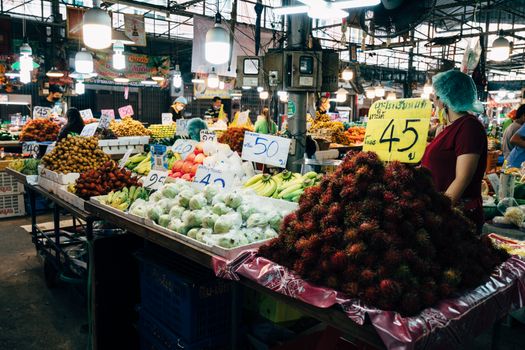
It was a sweltering afternoon in a small village outside Ubud, Bali. I was exploring a local market when I spotted a vendor with mounds of what looked like bright red, hairy golf balls. My curiosity was piqued. "What are those?" I asked, pointing. "Rambutan!" she beamed, holding one out. It felt soft and slightly yielding, its whimsical appearance instantly endearing.
The Taste Revelation:
She showed me how to peel back the soft, leathery skin, revealing a translucent, glistening white-pink flesh similar to a lychee. The first bite was incredibly sweet and juicy, with a delicate floral aroma. It was less complex than a mangosteen but utterly refreshing and easy to eat. It had a single, inedible seed in the center, which you simply eat around. It was the perfect thirst quencher in the humid Balinese heat, and I found myself buying bag after bag.
Where to Find It & Price:
Rambutan is another ubiquitous treat across Southeast Asia – especially Thailand, Malaysia, Indonesia, and Vietnam. The season typically runs from June to October. You’ll find them in any market, often sold in large bunches on their branches. They are incredibly affordable, usually $1-3 USD per kilo.
Tips for Easy Enjoyment:
* Choosing Ripe Ones: Look for bright red fruits with green-tipped "hairs" (spindles). Avoid any with dark, shriveled hairs or soft spots.
* Peeling: You can either twist the skin open or gently bite into it to create an opening, then peel it back. It's quite easy.
* Snack Attack: They're perfect for snacking on the go, adding to fruit salads, or even making refreshing juices.
* Instagram Moment: A vibrant pile of rambutans with their playful "hair" makes for a fun, eye-catching photo. Or a photo of you holding one, mid-peel!
Why it Changed My Life:
Rambutan showed me that joy can be found in simplicity and whimsical beauty. It was a delightful, unpretentious fruit that brought instant happiness. It reminded me that not every culinary adventure needs to be a challenging epic; sometimes, it’s just about pure, unadulterated sweetness and fun.
---
4. The Desert Dragon's Jewel: Pitaya (Dragon Fruit) (Central America & Asia)
My First Encounter:
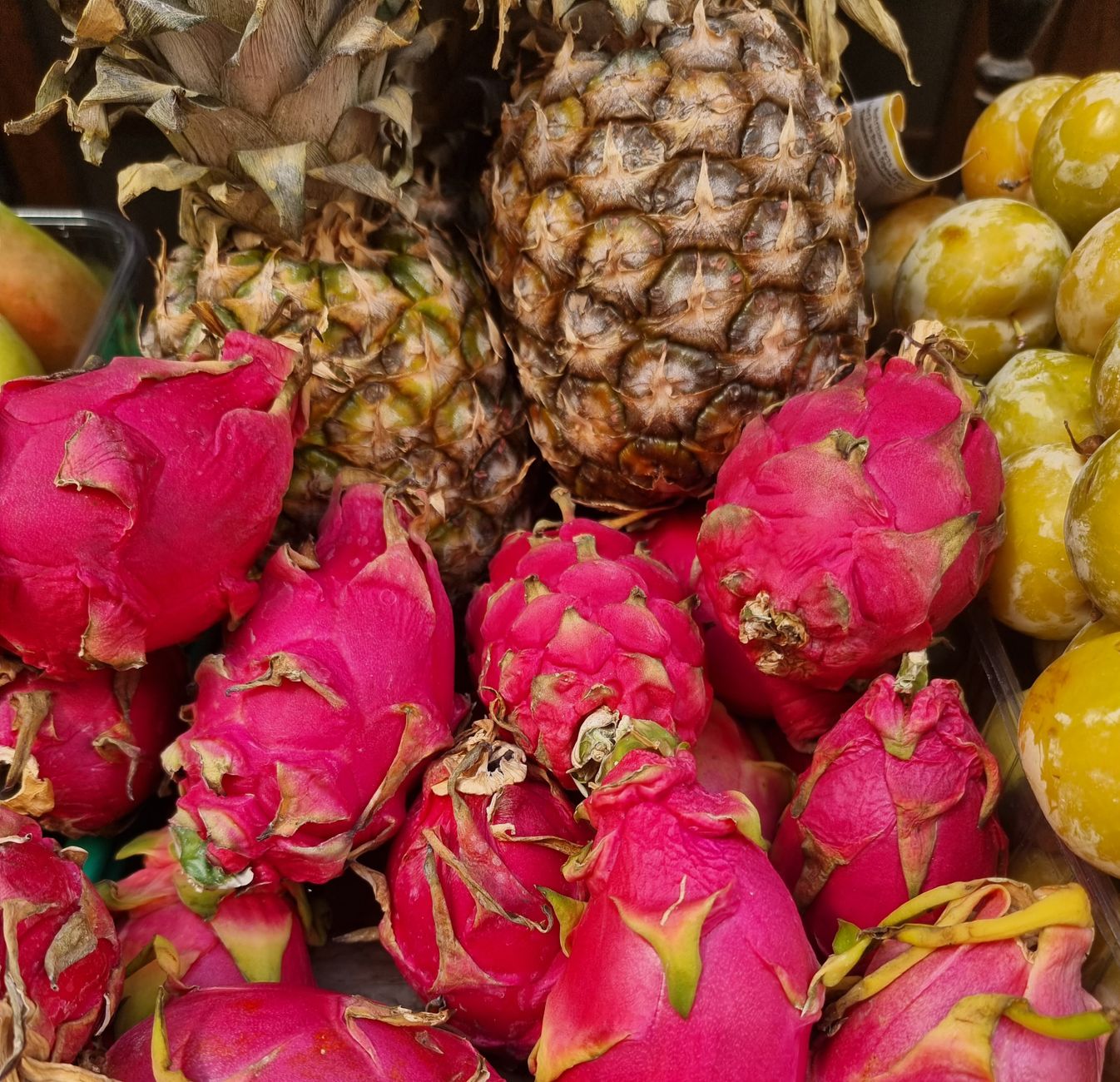
My first encounter with Dragon Fruit was not in its native Central America, but rather in a trendy smoothie bowl café in Canggu, Bali. It was the vibrant pink hue of the smoothie that first caught my eye, looking like an edible unicorn dream. I asked what made it so brilliantly colored, and the barista pointed to a striking, fuchsia-skinned fruit with green scales on the counter. "Pitaya," she smiled. "Dragon fruit."
The Taste Revelation:
The fruit itself, when I later bought a whole one, was less intensely flavored than its smoothie-bowl reputation suggested. Its flesh was white with tiny black seeds, or sometimes a stunning deep magenta. The taste was subtly sweet, incredibly refreshing, and very mild – a bit like a less sweet kiwi or a very delicate pear. Its texture was crunchy from the seeds and juicy. While not a flavor explosion like a Durian or Mangosteen, its sheer visual appeal and hydrating qualities made it a staple for me in hot climates.
Where to Find It & Price:
Dragon fruit is widely cultivated in Southeast Asia (Vietnam is a major exporter), but it's native to Central and South America (Mexico, Nicaragua, Costa Rica). You'll find it in most tropical fruit markets. The season is usually year-round in many growing regions, but peaks in summer months. Expect to pay around $3-7 USD per kilo, depending on the color and origin.
Tips for a Refreshing Treat:
* Choosing Ripe Ones: Look for bright, evenly colored skin without blemishes or bruises. The "scales" should be slightly pliable.
* Serving: Simply slice it in half and scoop out the flesh with a spoon, or cube it for salads and smoothies.
* Hydration Hero: It's packed with water, making it perfect for rehydrating in hot climates.
* Instagram Moment: This fruit is made for Instagram. The vibrant pink or white flesh with black seeds is incredibly photogenic. Slice it in half for a dramatic shot, or cube it for a colorful fruit platter.
Why it Changed My Life:
Dragon fruit reminded me that beauty isn't just skin deep, but sometimes, the visual spectacle is a significant part of the experience. It taught me to appreciate subtle flavors and the power of presentation. It's a testament to how nature can be both delicious and artistically inspiring.
---
5. The Snake's Sweet Secret: Salak (Snake Fruit) (Indonesia)
My First Encounter:
I was trekking through a rice paddy field near Sidemen, Bali, when my guide pointed to a low-growing palm tree with clusters of strange, reddish-brown fruits. The skin was remarkably scaly, like a reptile's hide. "Salak," he said, peeling one for me. "Snake fruit." I was instantly intrigued by its unique appearance.
The Taste Revelation:
The skin peeled away easily, revealing three pale yellow-white lobes of flesh. The texture was crisp and crunchy, almost like a firm apple, but with a unique dry sweetness. The flavor was a complex mix of apple, pineapple, and a hint of citrus, sometimes with a slightly astringent finish. Some varieties are sweeter and juicier, others more tart. It was utterly unlike anything I'd ever tasted – a fascinating blend of familiar and utterly alien. I loved the satisfying crunch and the unexpected flavor profile.
Where to Find It & Price:
Salak is most commonly found in Indonesia, particularly Bali and Java, but also in parts of Malaysia. It’s available year-round, with peak seasons varying by region. You'll find it in local markets and from roadside vendors. Prices are very affordable, typically around $1-3 USD per kilo.
Tips for the Adventurous Eater:
* Peeling: Find the tip and peel downwards, like you're peeling a hard-boiled egg. It's surprisingly easy once you get the hang of it.
* Varieties: If you can, try different varieties. Salak Pondoh from Java is often considered one of the best for its sweetness and crispness.
* Texture Play: Its unique crunch makes it a fun addition to fruit salads or eaten simply on its own.
* Instagram Moment: The striking snake-like skin is a definite photo opportunity! A close-up of the scales or a shot of the peeled fruit with the skin beside it would be cool.
Why it Changed My Life:
Salak taught me to embrace the unexpected and to find beauty in the unconventional. Its reptilian skin and surprising crunch were a reminder that nature is full of delightful surprises, and sometimes the most unassuming fruits hold the most intriguing secrets. It solidified my belief that true travel is about seeking out the unfamiliar.
---
Your Global Fruit Adventure Awaits: Practical Tips for the Curious Foodie
Embarking on your own unusual fruit quest is one of the most rewarding aspects of travel. Here’s how to make the most of it:
- Hit the Local Markets: This is where the magic happens. Skip the supermarkets. Local markets are vibrant hubs of culture, offering the freshest, most diverse, and best-priced produce. Engage with vendors – they often love sharing their knowledge.
- Ask the Locals: Don't be shy! Point to a fruit you don't recognize and ask "What is this?" and "How do I eat it?" Locals are your best resource for choosing ripe fruit and learning proper preparation.
- Start Small: If you're hesitant, buy just one or two of a new fruit. That way, if it’s not to your taste, you haven't wasted much.
- Wash Thoroughly: Always wash your fruit before eating, especially if you're eating the skin.
- Be Open-Minded: Some fruits might not be love at first bite (looking at you, Durian!). Give them a second chance, or try a different variety. Your palate expands with exposure.
- Consider the Season: Fruits are best when in season. Do a quick search before you go to see what's ripe and abundant in your destination.
- Carry a Small Knife/Peeler: For some fruits, a small, clean knife can be a lifesaver.
- Mind Allergies: If you have known allergies, be cautious, especially with fruits that might have cross-reactivity with common allergens.
---
The Sweetest Souvenirs Are Tastes
These five fruits are just the tip of the iceberg. There’s the creamy, caramel-like Caimito (Star Apple) from the Caribbean, the earthy Sapodilla from Mexico, the tart and vibrant Lulo from Colombia, and so many more. Each one tells a story, reveals a facet of its homeland, and leaves an indelible mark on your memory.
My journey through the world of unusual fruits has fundamentally reshaped how I travel. It’s no longer just about seeing famous landmarks; it’s about tasting the true essence of a place, connecting with its natural bounty, and challenging my own culinary boundaries. It's about finding wonder in the everyday, extraordinary in the ordinary, and life-changing experiences in a simple piece of fruit.
So, on your next adventure, bypass the familiar. Seek out the strange, the spiky, the scaly, the smelly. Trust me, your taste buds – and your travel soul – will thank you for it.
What's the most unusual fruit you've ever tried? Share your stories and recommendations in the comments below! Let's inspire each other's next delicious adventure!
---