The Morning the Silence Returned
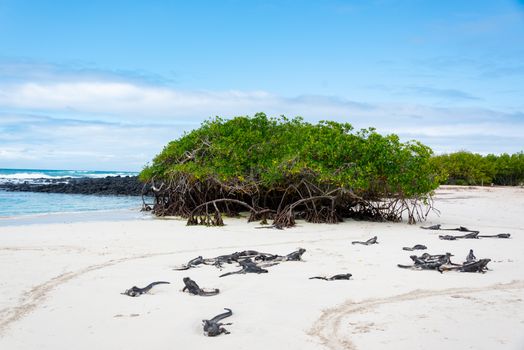
I stood on the black volcanic sands of Puerto Ayora, the air smelling of salt spray and sun-baked basalt, and for the first time in a decade, I didn't hear the roar of a hundred outboard motors. Instead, I heard the rhythmic hiss of a marine iguana sneezing salt and the distant, melodic clink of a local fisherman securing his panga.
For years, we’ve treated the world’s most beautiful islands like disposable backdrops for our digital lives. But as I’ve navigated the globe this year, I’ve felt a shift. The "more is more" era of travel is dying. In its place, a sophisticated, protective, and frankly necessary wave of policy-making is rising. These are the islands recovering from overtourism with better policies emerging this year—and they are better for it.
1. The Galápagos, Ecuador: The High-Value, Low-Impact Pivot
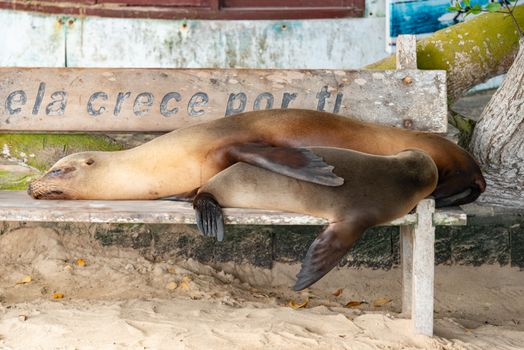
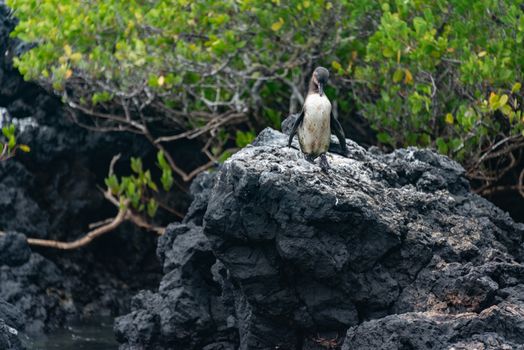
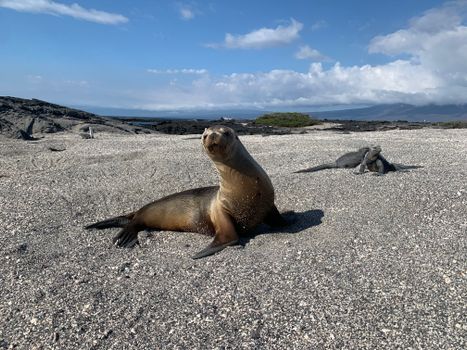
The Galápagos has long been the gold standard for conservation, but even paradise has its breaking point. This year, the Ecuadorian government did something radical: they doubled the entry fee. As of August 2024, international visitors now pay $200 to enter the national park.
While "more expensive" isn't usually a headline travelers cheer for, in this case, it’s a victory. This revenue is funneling directly into sewage treatment, renewable energy, and preventing invasive species from hitchhiking onto the islands.
- The Insider Vibe: The islands feel more like a living laboratory again rather than a zoo. You’ll notice fewer "day-tripper" crowds and more serious naturalists.
- Pro-Tip: Skip the massive 100-passenger cruisers. Book a 16-passenger catamaran like the EcoGalaxy. You’ll access smaller coves where the blue-footed boobies aren't yet cynical about humans.
- The Hidden Entrance: When on Santa Cruz, head to Playa de los Alemanes at 6:30 AM. You’ll have the turquoise water and the red mangroves entirely to yourself before the water taxis start their engines.
2. Bali, Indonesia: Quality Over Quantity
Bali was drowning. Not just in plastic, but in a "cheap-party" reputation that didn't fit its spiritual soul. This year, the "Island of the Gods" implemented a mandatory $10 (IDR 150,000) tourist tax and a strict "New Tourist Code of Conduct."
The government is also cracking down on illegal businesses and unruly behavior at sacred temples. The result? The "Bule" (foreigner) chaos in Canggu is being tempered by a renewed focus on the island’s cultural heart.
- The Insider Vibe: There is a palpable sense of "respect or leave." You’ll see more visitors wearing sarongs properly and fewer motorbikes on sidewalks.
- Pro-Tip: Head north to Sidemen. It looks like Ubud did 30 years ago—endless emerald rice terraces without the "Eat Pray Love" gift shops.
- Insider Detail: Ask for Arak (local spirit) infused with honey and lime at a local warung, but ensure it’s legally distilled. It’s the true taste of the Balinese highlands.
3. Bora Bora, French Polynesia: The 1,200-Guest Line in the Sand
Bora Bora is the definition of "bucket list," but its lagoon was suffering from the sheer volume of massive cruise ships. Starting this year, the island has implemented a strict cap: no more than 1,200 cruise passengers can disembark per day.
By limiting the "day-tripper" surge, the island is protecting its coral gardens and ensuring that the people staying in overwater bungalows actually get the serenity they paid for.
- The Insider Vibe: The lagoon feels vast again. You can kayak across the crystalline water without dodging a 10-story ship.
- Pro-Tip: Don’t just stay on your resort’s private motu. Take the public ferry to Vaitape and eat at the "roulottes" (food trucks).
- Quick Fact: The best snorkeling isn't at the resorts; it's at the "Aquarium" near the Sofitel, where the current pulls you over gardens of purple coral.
4. Santorini, Greece: Managing the Sunset Stampede
We’ve all seen the photos: thousands of people crammed into the narrow alleys of Oia, all trying to film the same sunset. It was unsustainable. This year, Santorini has tightened its daily cruise passenger cap to 8,000 and is proposing new zoning laws to stop the sprawl of "Instagram-only" villas.
- The Insider Vibe: The local government is prioritizing the "permanent" guest over the "eight-hour" visitor.
- Pro-Tip: Experience the sunset from Pyrgos. It’s the highest point on the island, far less crowded, and the view of the caldera is arguably more dramatic because you can see the entire crescent of the island.
- Insider Detail: Seek out wines made from the Assyrtiko grape. The vines are grown in unique "kouloura" (basket) shapes to protect them from the Aegean winds—a technique used for centuries.
5. Mallorca, Spain: The Bed Cap and the "Less is More" Strategy
Mallorca is leading the charge in the Mediterranean. The local government has implemented a "Tourist Bed Cap," effectively banning the creation of new hotel beds or vacation rental licenses. They are also restricting the sale of alcohol in certain "party zones" to pivot toward luxury and wellness tourism.
- The Insider Vibe: The island is reclaiming its identity as a Mediterranean jewel of art and hiking, rather than just a place to get a cheap pint.
- Pro-Tip: Rent a car and drive the Serra de Tramuntana (a UNESCO site). Stop in Deià and visit the house of poet Robert Graves.
- The Hidden Door: In Palma, look for the small, unmarked bakeries selling Ensaimada (a flaky pastry). If it doesn't come in a traditional octagonal box, it’s not the real deal.
6. Palawan, Philippines: The Gold Standard of Zoning
Palawan is often voted the "Best Island in the World," and they intend to keep it that way. This year, El Nido and Coron have expanded their "No-Go Zones" for boats to protect sea grass and turtle nesting grounds. They’ve also implemented a strict "Carry-In, Carry-Out" policy for all island-hopping tours.
- The Insider Vibe: The water is so clear it looks like glass. The lack of plastic waste is noticeable compared to other Southeast Asian hubs.
- Pro-Tip: Book a "Big Lagoon" tour for the earliest possible slot (usually 8 AM). The limestone karsts look ethereal in the morning mist.
- Insider Detail: Try the Lato (sea grapes). It’s a local seaweed that "pops" in your mouth with a burst of salty freshness.
7. The Future: Why These Policies Matter
These islands aren't trying to keep you out; they are trying to make sure there is still something left for you to see. When we pay the $10 tax in Bali or the $200 fee in the Galápagos, we aren't just buying a ticket; we are paying "rent" for the privilege of visiting someone else's home.
Quick Facts & Logistics
| Destination | New Policy | Best Time to Visit | Est. Daily Cost | How to Get There |
| :--- | :--- | :--- | :--- | :--- |
| Galápagos | $200 Entry Fee | May - June | $350+ | Fly to Baltra (GPS) via Quito |
| Bali | $10 Tourist Tax | April - October | $50 - $200 | Fly to Denpasar (DPS) |
| Bora Bora | 1,200 Pax Cap | May - October | $600+ | Fly to Papeete, then local hop |
| Santorini | 8,000 Pax Cap | Sept - October | $250+ | Fly to Thira (JTR) or Ferry |
| Mallorca | Bed Cap/Limits | May or Sept | $150+ | Fly to Palma (PMI) |
---