I Stepped Off the Railbus into a Subsidized Mediterranean Oasis
The smell of crushed rosemary and ozone hit me before my boots even touched the cracked stone platform in Ollolai, a sun-baked mountain village perched in Sardinia’s rugged interior. The only sound was the far-off clang of brass goat bells echo-chambering through the canyon.
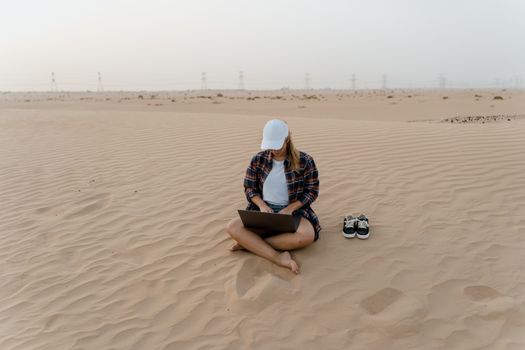
Three years ago, I would have rushed through a place like this on a frantic 7-day island tour, snapping a few photos before speeding back to a crowded coastal resort. Instead, I sat down at a wobbly wooden table at Bar Coddu, ordered a €1.10 espresso, and opened my laptop.
Here is the kicker: the local municipality was covering my rent.
As part of a bold regional initiative to revive dying mountain villages, local governments are literally paying digital nomads, creatives, and long-stay travelers to live, work, and shop locally. Across the globe, forward-thinking nations are moving away from quick-turnaround mass tourism. They are actively incentivizing slow travel—the practice of staying in one region for weeks or months, engaging with the local ecosystem, and contributing directly to local micro-economies.
If you are tired of fast travel burnout and ready to build a life on the road that gives back, here are the top countries offering incentives for slow travel travel advisors suggest right now.
---
1. Italy: Sardinia & Molise’s Work-and-Stay Stipends
Italy was one of the first European nations to recognize that overtourism in Venice and Florence was suffocating local life, while stunning inland towns were crumbling into dust. Enter the regional slow travel incentives.
In towns like Ollolai (Sardinia) and across the under-the-radar region of Molise, local councils have launched targeted programs offering rent-free accommodation or cash stipends up to €700 per month for remote workers who commit to staying at least 30 to 90 days. Furthermore, Italy’s official Digital Nomad Visa now allows high-skilled remote workers to live anywhere in the country for up to a year, enjoying flat-tax structures if they choose to set up long-term residency.
To sweeten the deal for train lovers, Trenitalia launched its Promo Estate and regional slow-travel passes, allowing unlimited travel on regional trains for fixed 3- to 5-day blocks—ideal for taking the scenic rail path through Umbria or Calabria rather than flying budget airlines.
- The Vibe: Sun-bleached granite alleyways, wild mountain ranges, and afternoons marked by the smell of wood-fired pecorino tarts (seadas).
- Pro-Tip: Apply for rural Italian accommodation grants directly through municipality (comune) portals rather than global housing platforms. Search for terms like "Work from Ollolai" or "Residenziazione Molise" to cut out third-party markups.
---
2. Spain: The 'Pueblos Acogedores' & Beckham Law Tax Relief
Spain’s national strategy to combat rural depopulation (España Vaciada) has birthed one of the most sophisticated slow travel networks in Europe: the Red de Pueblos Acogedores (Network of Welcoming Villages).
This network connects slow travelers and remote workers with dozens of tiny villages across rural Spain—from the painted blue streets of Genalguacil in Andalusia to the pine-scented peaks of Tejeda in the Canary Islands. These communities offer low-cost housing, high-speed fiber-optic internet in converted municipal spaces, and tailored integration programs where locals introduce travelers to traditional agriculture, artisanal cooking, and local history.
Financially, Spain’s Digital Nomad Visa offers an incredible perk: remote workers can opt into a modified version of the Beckham Law, capping their income tax at a flat 14–24% for up to five years, significantly lower than standard progressive tax brackets.
- The Vibe: Tapas served with zero pretension, midday quiet hours that force you to slow down, and evenings drinking local Rioja under 14th-century church spires.
- Pro-Tip: Skip the crowded coastlines of Barcelona and Málaga. Head to the town of Genalguacil in Malaga’s Genal Valley. It operates as an open-air art museum, offering free studio spaces to visiting long-term artists and workers.
---
3. Japan: Rural 'Akiya' Grants & The 6-Month Nomad Subsidies
Japan recently made headlines by launching its 6-month Digital Nomad Visa, but the real magic lies in its regional tourism dispersal incentives.
To combat extreme overcrowding in Kyoto and Tokyo, local prefectures like Tokushima, Nagano, and Tottori are rolling out extended-stay incentives. Through programs backed by regional tourism boards, long-stay travelers can access heavily subsidized stays in renovated traditional wooden houses known as Akiya (formerly vacant homes transformed into sleek, modern long-stay rentals).
Additionally, Japan’s rail infrastructure makes slow travel unmatched. While the national JR Pass prices went up, regional rail passes—such as the JR West Kansai Wide Area Pass—offer unlimited slow train journeys through off-the-beaten-path regions for a fraction of the cost.
- The Vibe: Crisp mountain air, steam rising from quiet rural onsens, and the therapeutic crunch of gravel underneath your feet in century-old cedar forests.
- Pro-Tip: Head to Kamiyama in Tokushima Prefecture on Shikoku Island. Once a forgotten farming hamlet, it has transformed into a high-tech rural slow-travel hub with satellite co-working spaces built inside historic indigo-dyeing barns.
---
4. Portugal: Madeira’s Nomad Village & Regional Eco-Grants
Portugal practically invented the modern slow travel village movement with its flagship project: Digital Nomads Madeira Islands, located in the cliffside village of Ponta do Sol.
By partnering with the Startup Madeira initiative and the regional government, the program provides slow travelers with free co-working spaces, free access to community workshops, organized hikes, and exclusive discounts on long-term stays with local guesthouses.
If you prefer the mainland, the interior Alentejo region and the Azores archipelago run eco-incentives for slow travelers. The Azores offer subsidized flight transfers between islands when you book extended stays at certified sustainable eco-lodges, encouraging travelers to spend weeks exploring volcanic craters rather than rushing through on a weekend break.
- The Vibe: Dramatic black-sand ocean views, the salty tang of fresh-grilled limpets, and endless conversations over glass after glass of fortified Madeira wine.
- Pro-Tip: Avoid booking long-term rentals in Madeira’s capital, Funchal. Set up your base in Ponta do Sol or Paul do Mar, where community hosts organize free daily ocean swims and local farm-to-table dinners for stay-at-home travelers.
---
5. Costa Rica: Extended Eco-Visas & Income Tax Immunity
Costa Rica’s slow travel program isn't just about remote work—it's built around deep ecological immersion. Under the country’s extended Remote Work Law (Law No. 10008), visitors can live and work in the country for up to two years with a complete exemption from Costa Rican income taxes.
To encourage travelers to stay outside of tour-bus hot spots like Manuel Antonio, the country’s network of Bio-Reserves and rural eco-lodges offer steep "green season" discounts (typically May through November) for stays exceeding 14 nights. Many eco-lodges partner with conservation organizations, granting long-stay guests free access to private rainforest trails, wildlife research lectures, and permaculture workshops in exchange for light volunteer work or extended stays.
- The Vibe: Rain falling softly on big palm fronds, damp red earth, dark rich espresso, and the far-off roar of howler monkeys signaling dusk.
- Pro-Tip: Head to Nosara on the Nicoya Peninsula—one of the world's five original Blue Zones. Base yourself at a lodge that offers long-stay rates; living slow here isn't just a travel style, it's a scientifically proven longevity strategy.
---
Quick Facts: Comparing Slow Travel Incentive Destinations
| Destination | Incentive Type | Est. Monthly Cost ($USD) | Best Time to Visit | Primary Route / How to Get There |
| :--- | :--- | :--- | :--- | :--- |
| Sardinia/Molise, Italy | Housing Grants / €1 Homes | $1,200 - $1,800 | Apr–June, Sept–Oct | Regional train from Rome to Campobasso or ferry to Olbia |
| Andalusia/Canaries, Spain | 15% Flat Tax / Free Co-working | $1,400 - $2,200 | Sept–May | Fast train (AVE) to Málaga, then local bus to Genalguacil |
| Tokushima/Nagano, Japan | Cheap Akiya Stays / Regional Passes | $1,500 - $2,500 | Oct–Nov, Mar–May | Shinkansen to Shin-Kobe, then bus/regional train to Kamiyama |
| Madeira, Portugal | Free Community Hubs / Long-Stay Deals | $1,600 - $2,400 | Year-round | Direct flight to Funchal (FNC), then local rental car/bus |
| Nicoya Peninsula, Costa Rica | Zero Income Tax / Eco-Lodge Subsides | $1,800 - $2,800 | May–November | Fly to Liberia (LIR), then 2.5-hour shuttle or 4x4 drive |
---
How to Pitch and Secure These Incentives (Travel Advisor Strategy)
Getting local governments and eco-resorts to grant you long-stay discounts or access to tax perks requires a shift in how you communicate. You aren't a tourist looking for a cheap vacation; you are a high-value, long-term economic partner.
1. Bypass Commercial Booking Engines
Booking platforms charge hosts up to 20% in commissions, making long-term discounts hard for them to offer. Use local municipality tourism boards (Pro Loco in Italy, Oficina de Turismo in Spain) to find registered family-owned guesthouses. Reach out directly via email in the local language (use professional translation tools) and ask for their "extended stay tariff" (tariffa lungo soggiorno or tarifa de larga estancia).
2. Pitch Your Skills to Rural Hubs
Many regional initiatives—especially in Southern Europe—run on community input. If you have skills in digital marketing, photography, language teaching, or environmental science, mention them when applying for municipal stays like Madeira’s Nomad Village or Spain's Pueblos Acogedores. Local mayors (alcaldes) are often happy to waive utility fees or offer free office spaces in exchange for a weekend workshop for local youth.
3. Time Your Application for the " shoulder-to-shoulder" Season
The golden rule of slow travel: never negotiate long-stay perks in July or August. Apply for long-stay stays during the shoulder months (September–November and March–May). You will get lower rates, warmer welcomes from locals, and cooler weather for exploring without the sweltering heat or long crowds.
---
The Verdict: Slow Travel is the Future of Global Exploration
The era of rushing through six countries in ten days is quietly coming to an end. It drains your wallet, burns out your nerves, and leaves local communities dealing with environmental strain without seeing long-term economic gains.
By choosing countries offering incentives for slow travel travel advisors suggest, you swap rushed airport transfers for quiet mornings in sleepy mountain cafes, deep connections with local artisans, and long-term financial savings. Pack less, stay longer, and let the local municipality pick up part of the tab.
---