The Scent of Ancient Earth and the Call of the Mountains
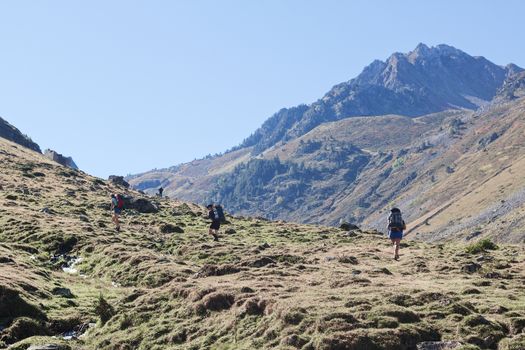
I stepped off the train in the small, sun-drenched village of Chamonix, and the air hit me like a forgotten memory. It was crisp, carrying the faint, sweet perfume of pine needles warmed by the alpine sun, mingled with the earthy, mineral tang of the towering granite peaks that clawed at the impossibly blue sky. The distant, melodic clang of cowbells drifted on the breeze, a gentle soundtrack to the grandeur unfolding before me. This wasn't just a view; it was an immersion, a visceral reminder of why we seek out these wild, untamed corners of the world. This, I knew instantly, was the beginning of something profound – the kind of walking holiday that etches itself onto your soul.
For years, I’ve chased horizons, not just for the postcard-perfect shots, but for the stories whispered by ancient stones and the raw, unfiltered beauty of landscapes that have witnessed centuries unfold. And I’ve learned a thing or two from the seasoned explorers, the quiet guides who know the land like the back of their hand, and the passionate trekkers who return year after year. They all agree: the most rewarding journeys are often the ones taken on foot, through places that resonate with history, legend, and unparalleled natural splendor.
This isn't about ticking boxes; it's about deep connection. It's about the satisfying ache in your legs after a day of purposeful movement, the quiet contemplation as you crest a ridge, and the genuine warmth of a shared meal with locals whose families have farmed these lands for generations. So, forget the crowded tourist traps. Let’s venture off the beaten path, guided by the wisdom of those who know these legendary landscapes best.
1. The Inca Trail to Machu Picchu: A Pilgrimage Through Cloud Forests and Lost Civilizations
There are treks, and then there are pilgrimages. The Inca Trail to Machu Picchu is undeniably the latter. Winding through the Peruvian Andes, this ancient route, once trodden by Inca royalty, is more than just a hike; it's a journey back in time. The air thins, the vegetation shifts from lush cloud forest to stark, windswept páramo, and with every stone step, you feel the weight of history pressing in.
The Magic:
Imagine hiking through mist-shrouded ruins like Wiñay Wayna, its terraces clinging precariously to a steep mountainside, the intricate stonework a testament to Inca ingenuity. The Dead Woman's Pass (Warmiwañusca) at nearly 4,200 meters is a formidable challenge, but the panoramic views of the surrounding peaks are a reward in themselves. And then, the moment you’ve dreamed of: emerging through the Sun Gate (Inti Punku) at dawn, the iconic silhouette of Machu Picchu bathed in the first golden rays of light. It’s a scene that will forever be imprinted on your memory.
Pro-Tip:
Book your permits at least six months in advance, as they are strictly limited. Opt for a reputable, small-group tour operator that prioritizes porter welfare and sustainable practices.
Insider Insight:
The local guides often share Quechua legends and tales of the Apus (mountain spirits) that imbue the journey with a palpable sense of the sacred. Pay attention to the intricate carvings on the stones; they tell stories the written word cannot.
2. The Tour du Mont Blanc: A Grand Traverse of Alpine Majesty
For a truly epic circuit that circles the highest peak in Western Europe, the Tour du Mont Blanc (TMB) is unparalleled. This classic trek takes you through France, Italy, and Switzerland, offering a dizzying array of alpine scenery, from emerald valleys dotted with wildflowers to dramatic glaciers and imposing rocky spires. It’s a journey that awakens the senses with the scent of wild thyme, the sound of rushing glacial meltwater, and the feeling of pure, invigorating mountain air.
The Magic:
Each country presents a distinct flavor. France offers charming alpine villages and challenging ascents. Italy enchants with its rustic trattorias and the dramatic Mont Blanc massif looming large. Switzerland provides pristine trails, efficient infrastructure, and breathtaking vistas from passes like Grand Col Ferret. You’ll traverse wildflower-strewn meadows, cross high mountain passes, and descend into picturesque valleys, all with Mont Blanc as your constant, majestic companion.
Pro-Tip:
The TMB can be hiked in both directions. Consider hiking counter-clockwise to tackle some of the steeper ascents earlier in the day. The wildflowers are at their peak in July and August.
Insider Insight:
Don't miss the chance to savor a fondue savoyarde in France or a hearty polenta con funghi in Italy after a long day’s trek. The local cheeses are also exceptional – ask for recommendations at the refuges.
3. The Camino de Santiago: A Spiritual Odyssey Across Northern Spain
More than just a walking holiday, the Camino de Santiago is a spiritual and cultural pilgrimage that has drawn travelers for over a thousand years. While there are numerous routes, the Camino Francés is the most popular, stretching over 800 kilometers from St. Jean-Pied-de-Port in France to Santiago de Compostela in Spain. This is a journey of introspection, camaraderie, and the discovery of countless historical and natural treasures.
The Magic:
The Camino is a tapestry of diverse landscapes: the rolling vineyards of La Rioja, the stark beauty of the Meseta plateau, and the lush, green hills of Galicia. You'll walk through ancient forests, past medieval villages, and along quiet country lanes, encountering fellow pilgrims from all walks of life. The destination, the magnificent Cathedral of Santiago de Compostela, is a powerful and emotional culmination, but the true magic lies in the journey itself, the shared experiences, and the personal growth it fosters.
Pro-Tip:
Travel light! You can avail yourself of luggage transfer services between albergues (pilgrim hostels). The shoulder seasons (spring and autumn) offer pleasant weather and fewer crowds.
Insider Insight:
Embrace the 'Buen Camino!' greeting. It’s more than a farewell; it’s a wish for a good journey, imbued with centuries of shared experience. Try pulpo a la gallega (Galician-style octopus) in the final stages – it’s a local delicacy.
4. The Lycian Way: Ancient Ruins and Turquoise Coasts of Turkey
For a walking holiday that combines breathtaking coastal scenery with a deep dive into ancient history, the Lycian Way along Turkey’s Turquoise Coast is an absolute gem. This long-distance path, established by a British expat, winds its way through pine forests, olive groves, and dramatic cliffs, connecting a string of fascinating ancient Lycian cities, tombs, and Roman ruins.
The Magic:
Imagine trekking along a coastal path, the scent of wild herbs and pine filling the air, with the impossibly blue Mediterranean Sea stretching out below. You'll stumble upon Olympos, a jungle-clad ancient city, discover the rock-cut tombs of Myra, and marvel at the sunken ruins of Kekova. The trail offers incredible vistas, secluded coves perfect for a refreshing dip, and charming seaside villages where you can savor delicious Turkish cuisine.
Pro-Tip:
The best times to hike are spring (April-May) and autumn (September-October) to avoid the summer heat. Carry plenty of water, as some sections can be remote.
Insider Insight:
Look out for the natural gas vents known as Chimaera, where flames flicker from the mountainside – a phenomenon that has fascinated travelers for millennia. Don't miss a boat trip to explore the submerged ruins of Kekova.
5. The Dolomites Alta Via 1: A High-Altitude Symphony of Peaks and Valleys
If dramatic, jagged peaks and soaring limestone formations are your idea of legendary landscapes, then the Alta Via 1 in the Italian Dolomites is your calling. This iconic high-altitude trek traverses the heart of this UNESCO World Heritage site, offering some of the most spectacular mountain scenery in Europe. It’s a journey that will leave you breathless – both from the altitude and the sheer, jaw-dropping beauty.
The Magic:
The Dolomites are a photographer's dream. Towering three-thousanders, vibrant green alpine meadows, and crystal-clear mountain lakes create a panorama of unparalleled beauty. You'll hike along well-maintained paths, often with the aid of via ferratas (protected climbing routes) and cable cars, staying in cozy mountain huts (rifugi) that offer hearty Italian mountain fare and stunning sunset views. The sheer scale of the landscape is humbling.
Pro-Tip:
While the trail is well-marked, it's advisable to have some experience with mountain hiking. The rifugi are popular, so booking accommodation in advance is highly recommended, especially during peak season.
Insider Insight:
Try the local specialty, Canederli (bread dumplings), often served in a rich broth or with melted butter and cheese. The sunrise and sunset views over the pale, rosy-hued Dolomite peaks are truly magical – set your alarm!
Quick Facts: Legendary Walking Holidays
| Destination | Estimated Cost (per person, 7-10 days) | Best Time to Visit | How to Get There |
| :---------------------- | :------------------------------------- | :-------------------------- | :------------------------------------------------------------------------------- |
| Inca Trail, Peru | $1,500 - $3,000 (incl. permits & guide) | May - September | Fly into Cusco (CUZ), then transfer to the trailhead. |
| Tour du Mont Blanc | $1,200 - $2,500 (self-guided) | June - September | Fly into Geneva (GVA), then take a train/bus to Chamonix or other starting points. |
| Camino de Santiago | $700 - $1,500 (budget-friendly) | April - June, Sept - Oct | Fly into various Spanish airports (e.g., Bilbao, Pamplona, Santiago), then bus/train. |
| Lycian Way, Turkey | $800 - $1,800 | April - May, Sept - Oct | Fly into Antalya (AYT) or Dalaman (DLM), then local transport. |
| Dolomites Alta Via 1 | $1,300 - $2,800 | July - September | Fly into Venice (VCE) or Verona (VRN), then train/bus to Cortina d'Ampezzo. |
Costs are estimates and can vary based on accommodation choices, tour operators, and length of stay.
The Art of Authentic Exploration
What truly elevates a walking holiday from a mere vacation to an unforgettable experience is authenticity. It’s about more than just pretty views; it’s about engaging with the place on a deeper level. This means seeking out local eateries, not just tourist traps. It means listening to the stories of the people who live and work in these legendary landscapes, understanding their traditions, and respecting their way of life.
When you're on the Inca Trail, ask your guide about the agricultural techniques of the Incas still practiced today. On the TMB, strike up a conversation with a shepherd tending their flock. On the Camino, share a glass of wine with fellow pilgrims and listen to their diverse reasons for walking. On the Lycian Way, learn a few basic Turkish phrases to greet shopkeepers. In the Dolomites, delve into the history of the Ladin culture.
This is the essence of responsible and rewarding travel. It’s about leaving a place as you found it, or perhaps even better, having contributed positively to the local community and gained a profound appreciation for its unique heritage.
Your Next Legendary Adventure Awaits
These are not just walks; they are invitations. Invitations to step outside your comfort zone, to challenge yourself, and to reconnect with the raw, untamed beauty of our planet. They are journeys that promise not just stunning scenery, but also personal growth, cultural immersion, and memories that will last a lifetime.
So, which legendary landscape will you choose to conquer next? The ancient whispers of the Incas? The majestic embrace of the Alps? The spiritual resonance of the Camino? The sun-drenched coasts of Turkey? Or the awe-inspiring peaks of the Dolomites?
Whichever path you choose, remember: the greatest discoveries are often made when you put one foot in front of the other, with an open heart and a curious mind. Happy trails!
---