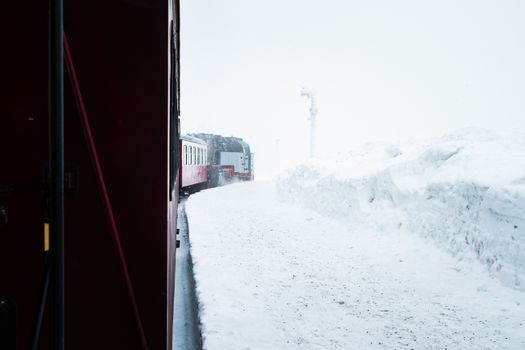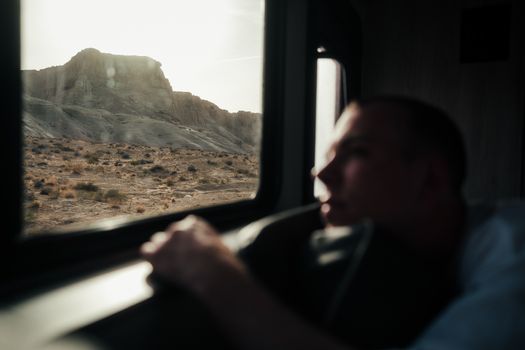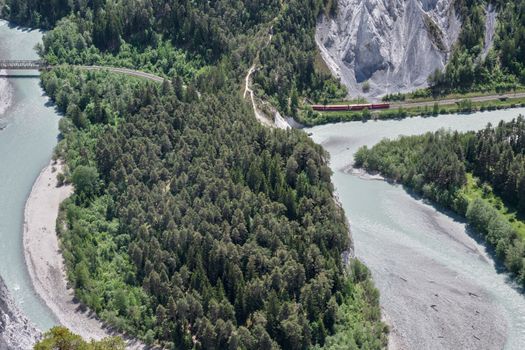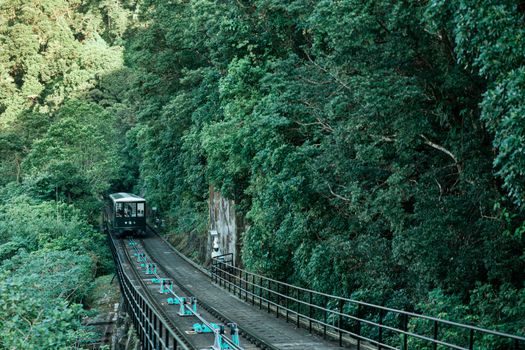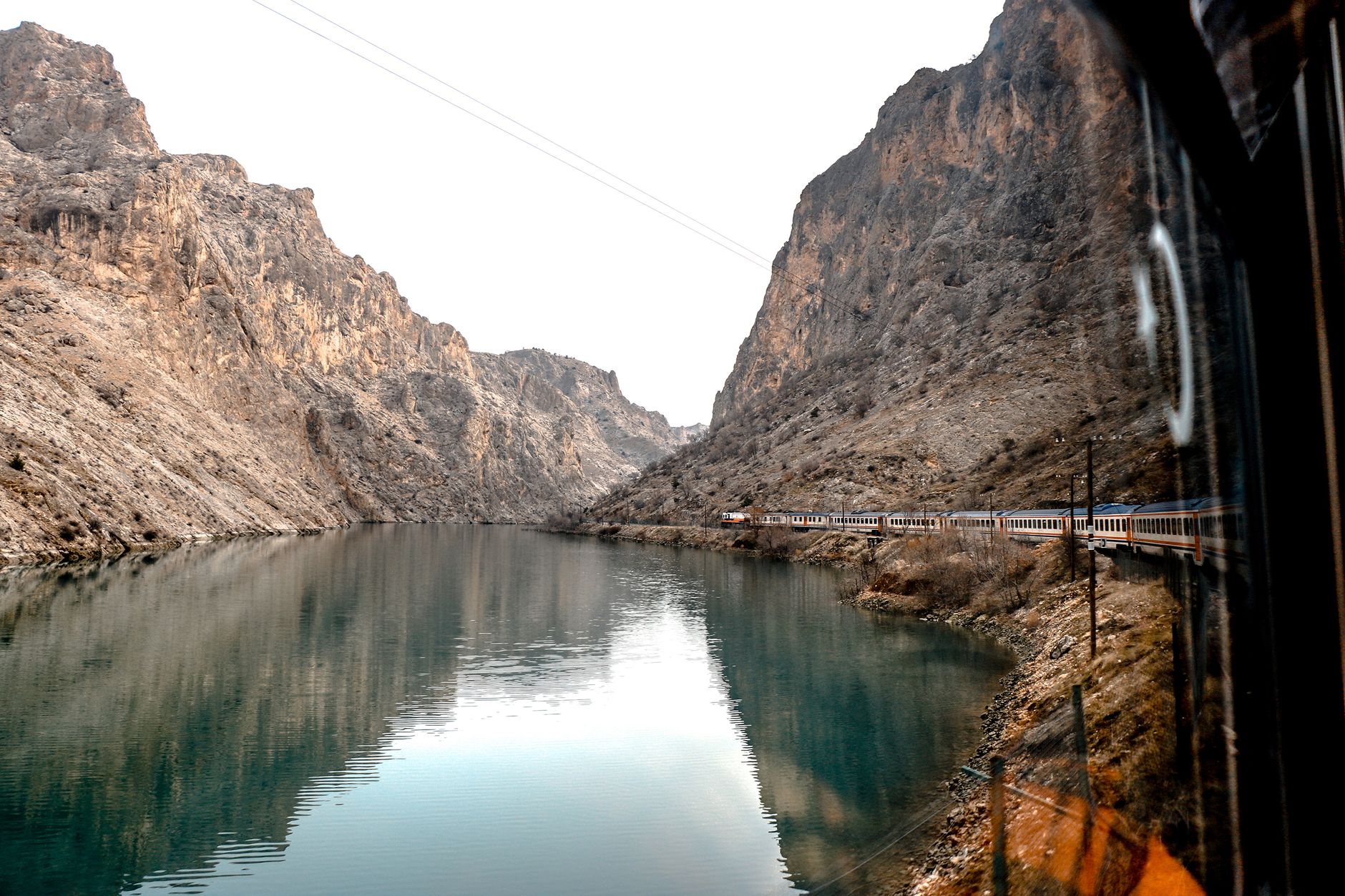
There’s a moment on every trip, for me, when the world shifts. It’s not always a grand vista or a bustling market; sometimes, it’s the quiet rumble beneath my feet, the rhythmic clickety-clack of steel on steel, and the blur of a landscape unfolding outside a train window. I used to think of travel as a means to an end – a destination to reach, a checkbox to tick. But then, I discovered train travel, specifically trains that traverse landscapes so utterly impossible, so breathtakingly wild, they don't just move you geographically; they move you deep within your soul. These aren't just journeys; they are life-altering odysseys.
I remember staring out of my office window one dreary Tuesday, feeling the suffocating weight of routine. My wanderlust, usually a vibrant flame, was reduced to a flicker. I craved something raw, something that would shake me awake. I didn't want a quick flight; I wanted a slow, deliberate immersion. That's when I started researching the world's most extreme railway lines – engineering marvels that defied mountains, deserts, and frozen tundras. What I found wasn't just a list of routes; it was a promise of transformation. And let me tell you, that promise was delivered. Every single time.
This isn't just about seeing pretty views; it's about the journey itself becoming the destination, about disconnecting to truly connect, and about witnessing human ingenuity conquer nature's most formidable challenges. If you're ready to trade the mundane for the magnificent, to swap screens for sweeping panoramas, then buckle up. These are the impossible train journeys that changed my life forever, and how they might just change yours too.
The Andean Ascent: Climbing the Clouds on the Tren a las Nubes, Argentina
My first foray into truly impossible train travel took me to the high altitudes of Argentina, aboard the legendary Tren a las Nubes (Train to the Clouds). The name alone stirred my imagination, and the reality did not disappoint. This isn't just a train; it's a testament to human will, an engineering marvel that climbs from the relatively low altitude of Salta to a staggering 4,200 meters (13,800 feet) above sea level in the Andes.
I booked my ticket months in advance, buzzing with anticipation. The journey begins in Salta, a charming colonial city, and slowly, almost deliberately, begins its ascent. The landscape outside my window transformed from lush valleys to arid plains, then to a stark, breathtaking panorama of the high puna – a vast, treeless plateau dotted with cacti and the occasional vicuña. The air grew thinner, the light sharper, and the silence more profound.
The most iconic moment, for me, was crossing the La Polvorilla Viaduct. This massive iron bridge, a lattice of steel spanning a deep gorge, felt like something out of a dream. Our train crawled across it, and I pressed my face against the window, gazing down at the tiny river far below, then up at the impossibly blue sky. It felt like we were floating, truly, among the clouds. The collective gasp from my fellow passengers was audible, followed by a flurry of camera clicks – a true Instagram moment if there ever was one.
The journey is slow, allowing you to truly absorb the changing environment. Along the way, we passed small, remote Andean villages, their inhabitants waving to the passing train, a lifeline in this harsh environment. The onboard guides provided fascinating insights into the region's history, geology, and the incredible story of the railway's construction.
Practical Tips for the Tren a las Nubes:
* Book Early: Tickets, especially for peak season (April-November), sell out fast. Check the official Tren a las Nubes website.
* Acclimatize: Salta is at 1,187m (3,894ft), but the train goes much higher. Spend a day or two in Salta to adjust before the trip.
* Stay Hydrated: Drink plenty of water and avoid alcohol before and during the journey to help with altitude sickness.
* Bring Layers: Temperatures can vary wildly from Salta to the high Andes.
* Cost: Expect to pay around $150-$250 USD, depending on the season and package. It's a full-day excursion.
Arctic Dreams & Midnight Sun: The Nordland Railway, Norway
From the arid heights of the Andes, my next impossible journey took me to the frozen north: the Nordland Railway in Norway. This isn't just a scenic route; it’s the longest railway line in Norway, stretching over 729 kilometers (453 miles) from Trondheim to Bodø, crossing the Arctic Circle. I chose to do this journey in late June, specifically to experience the phenomenon of the Midnight Sun.
Boarding the train in Trondheim, I settled into my comfortable seat, initially surrounded by forests and fjords typical of central Norway. But as we headed north, the landscape began to change dramatically. The trees thinned, the mountains grew more rugged, and the light took on an ethereal quality. Crossing the Arctic Circle was marked by a small monument and an announcement, a moment of quiet triumph for everyone on board.
The true magic began as evening approached. Instead of darkness, the sun dipped towards the horizon but never truly set, painting the sky in shades of fiery orange, soft pink, and deep purple for hours on end. I stayed awake, mesmerized, watching the vast, uninhabited wilderness of northern Norway bathed in this surreal glow. Rivers glistened, glaciers shimmered, and isolated cabins looked like postcards against the dramatic backdrop. It felt like traveling through a dreamscape, a place where time itself bent to the will of the sun.
The Nordland Railway also offers the chance to see the Northern Lights during winter months, a completely different but equally impossible experience. The sheer scale of the Arctic wilderness, the crisp, clean air, and the profound silence outside the train windows were deeply humbling. It reminded me how vast and untouched parts of our world still are.
Practical Tips for the Nordland Railway:
* Season Choice: For Midnight Sun, go June-July. For Northern Lights, September-March (though winter brings shorter days).
* Sleeper Car: Consider a sleeper car for longer stretches, especially if you want to maximize viewing time without feeling exhausted.
* Book with Vy: Vy is the main train operator in Norway. Book well in advance, especially for popular seasons.
* Cost: A standard seat from Trondheim to Bodø can range from $50-$150 USD, depending on booking time and flexibility. Sleeper cars are extra.
* Pack Smart: Layers are essential year-round. Even in summer, evenings can be chilly.
A Himalayan Dream: The Darjeeling Himalayan Railway, India
My next impossible journey was less about altitude and more about charm, history, and an incredibly unique pace of life. The Darjeeling Himalayan Railway, affectionately known as the "Toy Train," is a UNESCO World Heritage site and an icon of colonial India. From New Jalpaiguri, it chugs its way up to Darjeeling, nestled in the Himalayan foothills, at an average speed of 10-12 km/h (6-7 mph).
This journey wasn't about speed; it was about immersion. As the tiny steam locomotive huffed and puffed, pulling its equally small carriages, I felt transported back in time. The train weaves through bustling towns, past vibrant markets where vendors barely flinch as the train passes inches from their stalls, and then through verdant tea plantations, their terraced slopes a stunning tapestry of green.
I remember leaning out of the open window (something you definitely can't do on modern trains!) as we navigated a particularly tight curve, the smell of coal smoke mixing with the sweet scent of tea leaves. Local children would run alongside the train, waving and laughing. At one point, we stopped at a small station, and a woman offered me a cup of chai from a thermos – hot, sweet, and perfectly spiced. It was a simple moment, but it felt incredibly authentic and grounding.
The engineering of this railway is astounding, with its famous "loops" and "zig-zags" designed to gain altitude on steep gradients. The Batasia Loop, in particular, offers breathtaking panoramic views of the surrounding mountains, including the majestic Kanchenjunga, the third-highest peak in the world. Seeing those snow-capped giants appear through the mist was a moment of pure awe. This train journey truly forces you to slow down, to observe, and to appreciate the intricate dance between nature, humanity, and history.
Practical Tips for the Darjeeling Himalayan Railway:
* Book Early: Especially if you want a specific class or a steam locomotive journey (diesel runs are more frequent). Indian Railways website (IRCTC) or local agents are options.
* Steam vs. Diesel: While diesel offers more reliable service, the steam experience is undeniably more authentic and charming.
* Embrace the Pace: This is not a fast journey. Enjoy the slowness, the views, and the unique interactions.
* Food: Bring snacks, but also enjoy local street food at the stops.
* Cost: Tickets are very affordable, ranging from $5-$30 USD depending on the class and type of engine.
The Desert Serpent: The Ghan, Australia
From the lush Himalayas to the scorching heart of the Australian Outback, my next impossible journey was aboard The Ghan. Named after the Afghan camel drivers who once traversed this harsh landscape, The Ghan runs from Adelaide in the south to Darwin in the north, a monumental 2,979-kilometer (1,851-mile) journey through the Red Centre.
This wasn't just a train ride; it was a luxurious expedition into the vast, ancient soul of Australia. I opted for the Gold Service, which included all meals and drinks – a wise decision, as the food was exceptional, showcasing regional produce. But the real luxury was the view. For two days and three nights, the landscape outside my window was a constant, mesmerizing blur of red earth, spinifex grass, and ancient rock formations.
I remember waking up on the second morning, looking out to see an endless, flat horizon, the sunrise painting the sky in fiery hues that mirrored the ground. It was a landscape of such immense scale and profound silence that it felt almost spiritual. We had off-train excursions – a boat cruise through Katherine Gorge, a visit to Alice Springs – which broke up the journey and allowed for deeper immersion into Aboriginal culture and the history of the Outback.
One evening, I sat in the lounge car, sipping a local wine, watching the stars emerge in a sky so clear and unpolluted that the Milky Way was a vibrant, shimmering band. It was a stark contrast to the city lights I was used to, a powerful reminder of nature's raw beauty. The Ghan isn't just about traversing a desert; it's about understanding the resilience of life in extreme conditions, the pioneering spirit, and the deep connection Indigenous Australians have with this land.
Practical Tips for The Ghan:
* Splurge if You Can: Gold or Platinum Service offers a more inclusive and comfortable experience, including meals, drinks, and off-train excursions.
* Book Far Ahead: Especially for peak season (May-August), as cabins sell out quickly.
* Prepare for Heat: Even in cooler months, the Outback can be warm.
* Stargazing: Don't miss the opportunity to step outside at night during stops, or simply gaze out your window – the stars are incredible.
* Cost: Can be a significant investment. A Gold Service cabin starts from around $1,500-$2,500 USD per person, depending on the season and route length.
The Epic Saga: Trans-Siberian/Mongolian Majesty, Russia/Mongolia/China
If there's one train journey that defines "impossible landscape" and "life-changing," it has to be the Trans-Siberian/Mongolian Railway. This isn't a single route but a network of lines, the most famous being the Trans-Mongolian, which took me from Moscow, across Siberia, through the Mongolian steppe, and finally to Beijing. This was not just a journey; it was an expedition spanning thousands of kilometers and multiple cultures.
My adventure started in Moscow, a vibrant city that quickly faded into the vastness of the Russian plains. Days blurred into a rhythm of reading, writing, watching the endless taiga forest, and sharing tea with my compartment mates. The landscape was mesmerizing in its monotony, broken only by the occasional wooden village or the majestic expanse of Lake Baikal, the deepest freshwater lake in the world, which we skirted for hours. Seeing its icy blue waters stretch to the horizon was an unforgettable sight.
The border crossing into Mongolia was an experience in itself – a long, drawn-out affair where guards meticulously checked passports and customs forms. But then, the landscape transformed again. The dense forests gave way to the rolling, golden-green steppes of Mongolia, dotted with yurts and herds of horses. It felt like entering a different dimension, a land of ancient nomads and boundless freedom. I remember leaning out the window at a station stop, breathing in the crisp air, and feeling an incredible sense of liberation.
The final leg into China, after another border crossing, brought yet another dramatic shift. The steppes gave way to mountains and then increasingly dense population centers until we pulled into the bustling metropolis of Beijing. This journey wasn't just about seeing landscapes; it was about witnessing the incredible diversity of our planet, the resilience of cultures, and the surprising connections you make with strangers in a small train compartment over several days. It redefined my concept of distance and time.
Practical Tips for the Trans-Siberian/Mongolian:
* Visa Planning: This is crucial. You'll need visas for Russia, Mongolia, and China (depending on your route). Start months in advance.
* Choose Your Route: Trans-Siberian (Moscow-Vladivostok), Trans-Mongolian (Moscow-Beijing via Mongolia), or Trans-Manchurian (Moscow-Beijing via Manchuria).
* Break Up the Journey: Don't do it all at once! Stop in cities like Irkutsk (for Lake Baikal), Ulaanbaatar, or Novosibirsk to explore.
* Pack Smart: Bring layers, comfortable clothes, entertainment (books, journal), and snacks. Hot water is usually available for instant noodles/tea.
* Learn Basic Phrases: A few words of Russian, Mongolian, and Mandarin will go a long way in making connections.
* Cost: Varies wildly depending on class (platzkart, coupe, SV), route, and number of stops. Expect anywhere from $600-$2,000+ USD for train tickets alone for the full journey. Add visa costs, accommodation during stops, and food.
Why Train Travel Transforms You: Beyond the View
You might be thinking, "That sounds amazing, but why is it life-changing?" It's a fair question, and the answer lies in the unique nature of train travel itself, especially through these impossible landscapes.
- Forced Slowdown: In a world obsessed with speed, trains force you to slow down. You can't rush a mountain pass or a desert crossing. This deliberate pace allows for deep observation, reflection, and a true appreciation of the moment.
- Connection to Place: Unlike flying over at 30,000 feet, trains keep you grounded. You witness the subtle shifts in climate, geology, and culture as you move from one region to the next. You feel the land.
- Human Connection: In shared compartments, dining cars, or even just on station platforms, you're constantly interacting with fellow travelers and locals. These brief, often profound encounters can open your mind to new perspectives and forge unexpected bonds.
- Digital Detox (Mostly): While Wi-Fi is becoming more common, long train journeys often have spotty or no internet. This forces a digital detox, allowing you to read, write, think, or simply stare out the window – a rare luxury in our hyper-connected world.
- A Sense of Achievement: Successfully navigating a multi-day, multi-country train journey, especially through challenging terrain, instills a deep sense of accomplishment and self-reliance.
- Perspective Shift: Witnessing the sheer scale of the planet's impossible landscapes – the vastness of the Arctic, the towering Andes, the endless Outback – makes you feel incredibly small, yet profoundly connected to something much larger than yourself. It puts your daily worries into perspective and reminds you of the incredible beauty and resilience of our world.
These journeys aren't just about ticking off bucket list items; they are about collecting experiences that reshape your understanding of geography, history, and your own place in the grand tapestry of life.
Ready to Embrace the Impossible?
My train journeys through impossible landscapes weren't just vacations; they were pilgrimages. They challenged my assumptions, expanded my worldview, and filled me with a sense of wonder I hadn't known I was missing. Each clickety-clack of the wheels carried me further not just across continents, but deeper into myself.
If you're looking for travel that truly transforms, that leaves an indelible mark on your soul, then I urge you to consider one of these epic railway adventures. Whether it's the high-altitude thrills of the Andes, the ethereal light of the Arctic, the charming chug of the Himalayas, the vastness of the Outback, or the epic scale of Siberia, there's an impossible landscape waiting to change your life forever.
Which impossible train journey calls to you the most? Have you already embarked on one? Share your stories and dreams in the comments below! And don't forget to share this post with your fellow adventurers – let's inspire more impossible journeys!