Europe on $50/Day: Your Mind-Blowing Budget Travel Guide!
Let's be honest. For years, the idea of backpacking through Europe conjured images of endless cash, designer luggage, and champagne toasts in Parisian cafes. Or, at the very least, a budget that seemed perpetually out of reach for a regular person like me. I remember scrolling through Instagram, seeing friends living their best lives in Santorini or sipping espresso in Rome, and thinking, "Nope, that's a dream for another lifetime."
My first attempt at a "budget" Euro trip involved an overbooked hostel, ramen noodles for every meal, and the constant anxiety of checking my bank balance. It was stressful, not mind-blowing. I came home feeling like I'd failed the "Europe on a budget" challenge.
But here's the kicker: I didn't give up. I became obsessed. I researched, I experimented, I made mistakes, and I learned the real secrets to unlocking Europe without needing a trust fund. And I'm not talking about just surviving; I'm talking about thriving, exploring, and creating unforgettable memories for genuinely under $50 a day. Yes, you read that right.
This isn't just a list of tips; it's a manifesto for budget adventurers. It's the blueprint that took me from ramen-noodle despair to savoring local delicacies, marveling at ancient ruins, and dancing in hidden squares – all while keeping my daily spend incredibly low. Get ready, because your perception of European travel is about to be blown wide open.
The Golden Rule: Transportation Takes the Biggest Bite (Unless You're Smart)
Flights and long-distance travel can easily eat up half your budget before you even step foot in your destination. This is where most people go wrong. But with a strategic approach, you can slash these costs dramatically.
Flights: Your Budget Airline Best Friends
Forget the big national carriers. Your new best friends are Ryanair, Wizz Air, EasyJet, Vueling, and Transavia. These low-cost carriers crisscross Europe, often offering fares for less than a fancy dinner. My record? A flight from Rome to Budapest for a jaw-dropping €18!
- Be Flexible: The single biggest factor in cheap flights is flexibility. Can you fly on a Tuesday instead of a Friday? Are you open to flying into a smaller, secondary airport outside the main city? Often, these little adjustments can save you €50-€100 per flight.
- Incognito Mode & Price Trackers: Always search in incognito/private mode to avoid dynamic pricing. Use Skyscanner, Google Flights, and Momondo with the "Everywhere" or "Cheapest Month" options to discover hidden gems and ultra-low fares.
- Pack Light: Low-cost airlines charge an arm and a leg for checked luggage. Invest in a good carry-on backpack that meets their strict dimensions. Learn the art of minimalist packing – it's liberating and budget-friendly!
On the Ground: Buses, Trains & Your Own Two Feet
Once you're in Europe, ditch the expensive high-speed trains for shorter distances unless a specific Interrail/Eurail pass makes sense for your specific itinerary (often, individual tickets bought in advance are cheaper).
- Buses are Budget Kings: Companies like FlixBus, BlaBlaCar Bus (formerly Ouibus), and RegioJet offer incredibly affordable long-distance routes. I've traveled from Berlin to Prague for €15 and from Krakow to Budapest for €20. They're comfortable enough, often have Wi-Fi, and let you see the countryside. Book well in advance for the best prices.
- Local Public Transport: In cities, buy multi-day passes or bundles of tickets if you plan on using metros, trams, or buses frequently. Otherwise, walk! It's free, you discover so much more, and it's great exercise. My favorite way to get around any European city is on foot.
- Consider Carpooling/Ridesharing: Services like BlaBlaCar connect drivers with passengers, offering a social and often cheaper alternative to buses, especially for less common routes. Always check reviews and trust your gut.
Daily Transport Budget: €5-€10 (often less!)
Sleep Smart, Not Sorry: Budget Accommodation Hacks
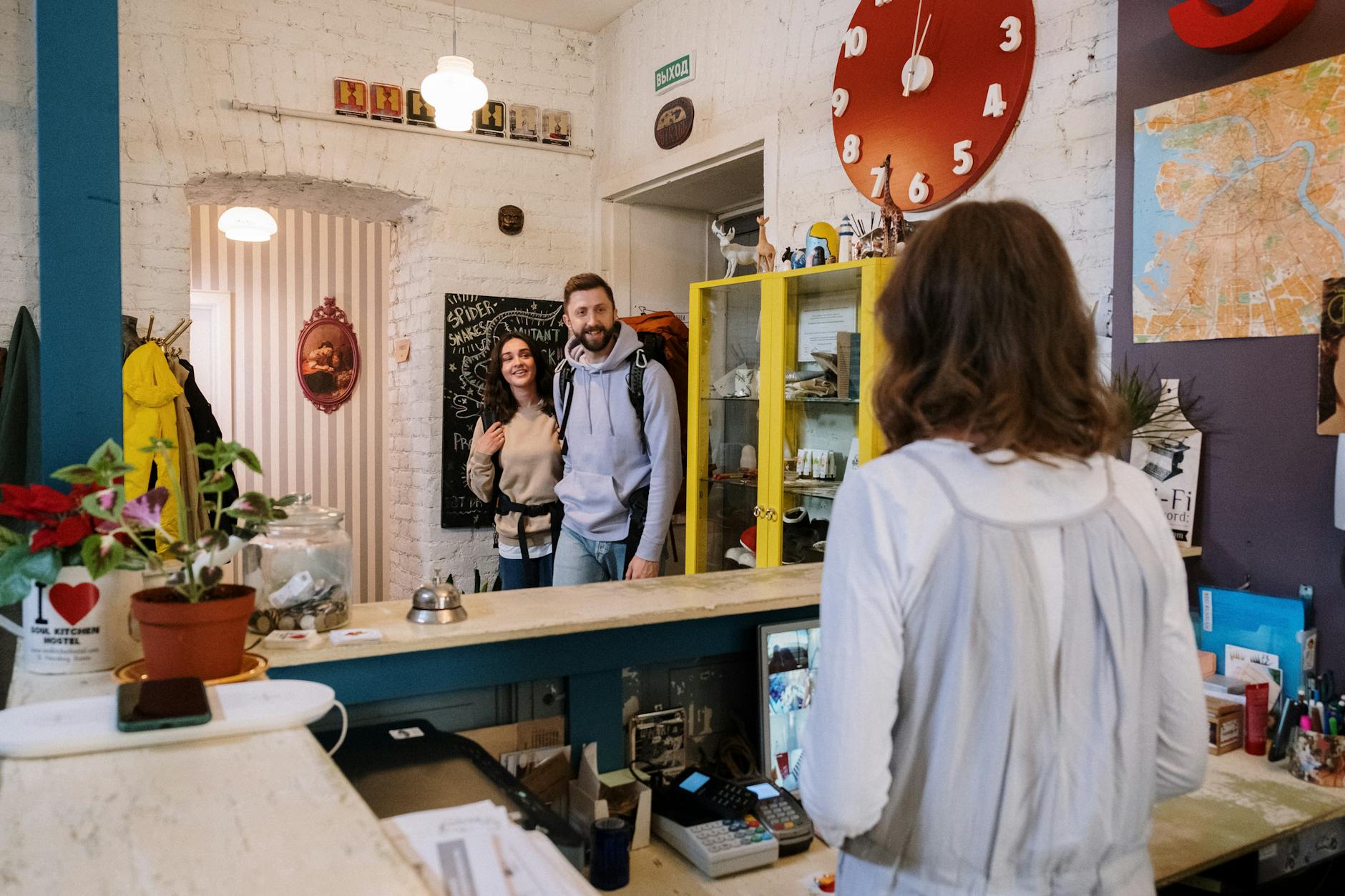
Your bed for the night doesn't need to be a five-star hotel. It needs to be safe, clean, and ideally, a hub for meeting fellow travelers. Hostels are your sanctuary.
- Hostels: The Social & Savvy Choice: This is your primary weapon against budget creep. Look for hostels with:
- Free Breakfast: A huge money-saver! Even if it's just toast and coffee, it's a solid start to the day.
- Kitchen Facilities: Crucial for cooking your own meals (more on that later!).
- Common Areas: Great for socializing, planning, and often free events.
- Good Reviews: Always, always read recent reviews on Hostelworld or Booking.com. Look for cleanliness, security, and atmosphere.
- My Hostel Experiences: I've stayed in incredible hostels across Europe. "The Flying Pig" in Amsterdam offers a lively atmosphere and a great location. "Wombat's City Hostel" in Berlin and Vienna are consistently clean and well-run. Expect to pay anywhere from €15-€30 per night for a dorm bed, depending on the city and season. In Eastern Europe, you can often find beds for as little as €10-€12.
- Couchsurfing: Free Accommodation & Cultural Exchange: If you're truly adventurous and want to dive deep into local culture, Couchsurfing offers free accommodation with locals. It's not just about saving money; it's about making genuine connections. Again, safety is paramount, so always check profiles and reviews thoroughly. I've had some of my most memorable experiences couchsurfing, from sharing homemade meals in Lisbon to getting insider tips on hidden gems in Krakow.
- Guesthouses/B&Bs in Cheaper Regions: In countries like Portugal, Greece (off-peak), Bulgaria, or Romania, you can sometimes find private rooms in guesthouses or small B&Bs for prices comparable to or even cheaper than a hostel dorm, especially if traveling with a friend.
- Booking Smart: Book your accommodation a few weeks in advance, especially during peak season, to snag the best deals. Consider traveling during shoulder seasons (April-May, September-October) for lower prices and fewer crowds.
Daily Accommodation Budget: €15-€25
Feast Like Royalty (On a Pauper's Budget): Food & Drink
Food is one of the most enjoyable parts of travel, and thankfully, you don't need to sacrifice deliciousness for savings.
- Master the Supermarket & Hostel Kitchen: This is your secret weapon. Head to a local supermarket (Lidl, Aldi, Carrefour, Billa, Tesco often have good deals) and stock up on essentials. Bread, cheese, cold cuts, fruit, pasta, rice, and vegetables. Many hostels have fully equipped kitchens.
- My Go-To Meal: A fresh baguette, local cheese, some tomatoes, and a cheap bottle of wine from a French supermarket. Costs less than €8 and makes for an epic picnic by the Seine. In Italy, it's pasta with pesto. In Eastern Europe, it's pierogi from a local market you can heat up.
- Embrace Local Markets & Street Food: Forget overpriced restaurants in tourist squares. Wander into local markets for fresh, affordable produce and incredible street food. A €3-€5 street food snack can be a full, delicious meal. Think pastéis de nata in Lisbon (€1), currywurst in Berlin (€3.50), or a slice of pizza in Rome (€2.50).
- Lunch Deals & Plat du Jour: In many European countries, lunch menus (often called "Plat du Jour" or "Menú del Día") are significantly cheaper than dinner. You can often get a multi-course meal for €8-€15. Look for places slightly off the main tourist drag where locals are eating.
- Picnics in Parks: Buy your groceries and enjoy a scenic picnic in a beautiful park. It's free entertainment and a fantastic way to soak in the atmosphere. Imagine eating a fresh sandwich by the Eiffel Tower or in Rome's Villa Borghese.
- Water Bottle is Your Friend: Don't buy bottled water! Carry a reusable bottle and fill it up at hostels, public fountains (many European cities have excellent potable water), or even in cafes (ask politely).
Daily Food & Drink Budget: €10-€15
Free & Frugal Fun: Experiences That Don't Cost a Dime
Europe is a treasure trove of free experiences. You don't need to pay for every museum or attraction to have an incredible time.
- Free Walking Tours: Almost every major city offers free (tip-based) walking tours. They're a fantastic way to get acquainted with a city, learn its history, and get insider tips from a local guide. Just remember to tip your guide well – they work hard! My favorite free walking tour was in Rome, where I learned so much about ancient history and local legends.
- Parks, Gardens & Public Spaces: Europe boasts some of the world's most stunning parks and public gardens. Wander through Berlin's Tiergarten, relax in Barcelona's Parc de la Ciutadella, or explore Lisbon's miradouros (viewpoints). These are perfect for people-watching, reading, or just soaking up the atmosphere.
- Window Shopping & People-Watching: Stroll down grand boulevards, explore charming cobblestone streets, and simply observe local life. From the bustling markets of Marrakech (okay, not Europe, but you get the idea for market vibes!) to the elegant avenues of Vienna, simply being present is often the best experience.
- Museum Free Days/Hours: Many world-class museums offer free entry on specific days, evenings, or the first Sunday of the month. Research in advance! For example, many Paris museums are free on the first Sunday of the month.
- Street Art & Architecture: Europe is an open-air museum. Marvel at the intricate architecture of ancient buildings, discover vibrant street art, and soak in the historical ambiance. I spent an entire afternoon in Lisbon just admiring the azulejos (tiles) and street art – absolutely free and utterly captivating.
- Hiking & Nature: If you love the outdoors, Europe offers incredible hiking trails, beautiful beaches, and stunning natural landscapes that cost nothing to explore.
- Local Festivals & Events: Check local listings for free concerts, festivals, or markets happening during your visit. These are wonderful ways to experience local culture.
Daily Activities Budget: €0-€5 (allowing for a small treat or a good tip)
Mastering the Money Game: Budgeting & Mindset
Staying under $50 a day requires discipline and smart financial habits.
- Track Everything: Use a simple spreadsheet or a budgeting app like TravelSpend or Wallet. Log every single expense. This creates awareness and helps you identify where your money is really going. I found that my biggest budget leaks were often small, impulsive purchases that added up.
- ATM Withdrawals & Bank Fees: Research your bank's foreign transaction fees. Ideally, get a travel-friendly debit card (like Revolut, N26, or Monzo in Europe, or Charles Schwab in the US) that offers no foreign transaction fees and free ATM withdrawals. Withdraw larger amounts less frequently to avoid multiple ATM fees.
- Prioritize Your Splurges: You don't have to be a monk! Identify one or two things you truly want to splurge on in each city. Is it a special meal? A specific museum entry? A unique experience? Budget for it, and cut back elsewhere. For me, it's often a local craft beer or a special pastry.
- Embrace Flexibility & The Unexpected: Things will go wrong. Buses will be late. You might miss a free museum day. Don't let it derail your budget or your mood. Have a small "buffer" fund for emergencies, but also be open to changing plans and finding alternative, cheaper solutions. Sometimes, getting lost leads to the best discoveries!
- Travel Insurance: Non-Negotiable: This isn't a budget item to cut. A medical emergency or lost luggage can wipe out your savings and more. Get comprehensive travel insurance. It's a small upfront cost for immense peace of mind.
Daily Miscellaneous/Buffer Budget: €5-€10
Geographic Advantage: Where Your Dollar Stretches Furthest
Not all of Europe is created equal in terms of cost. To truly nail the $50/day challenge, you need to be strategic about where you travel.
- Eastern & Central Europe: Your Budget Paradise: This is where your money will sing. Countries like Poland, Hungary, Czech Republic, Bulgaria, Romania, Serbia, and the Baltic States (Lithuania, Latvia, Estonia) offer incredible value.
- Examples: A delicious, hearty meal in Krakow for €8. A hostel bed in Budapest for €15. A pint of beer in Prague for €2. Public transport is excellent and cheap. The history, culture, and beauty are just as rich as Western Europe, often with fewer crowds.
- Southern Europe's Hidden Gems: Portugal, parts of Spain (especially outside Barcelona/Madrid and coastal resorts), and Greece (outside the peak season and famous islands like Santorini/Mykonos) can also be very budget-friendly.
- Examples: Lisbon is significantly cheaper than Paris or Rome, offering incredible food and vibrant culture. A hostel bed in Porto can be as low as €12.
- The "Splurge" Regions (Approach with Caution): Switzerland, Scandinavia, the UK, and major cities in France (Paris), Italy (Venice, Florence, Rome), and Germany (Munich) are notoriously expensive. You can visit them on a budget, but it will require even more stringent discipline, shorter stays, and prioritizing free activities. I've done a quick 2-day budget sprint through Paris, focusing on picnics, free walking tours, and window shopping, but it's much harder to maintain the $50/day average there. Consider these as quick stops rather than long stays.
Your Mind-Blowing European Adventure Awaits!
So, can you travel Europe for under $50 a day? Absolutely. It requires planning, smart choices, and a willingness to embrace a different style of travel. It means ditching the luxury resorts for lively hostels, swapping fancy restaurants for bustling local markets, and trading expensive tours for the joy of discovery on foot.
But here's the secret: this isn't about deprivation. It's about enrichment. It's about connecting with locals, making friends with fellow travelers, savoring authentic experiences, and proving to yourself that adventure isn't reserved for the wealthy. It's about the freedom of the open road, the thrill of a new discovery, and the profound satisfaction of making your dream a reality on your own terms.
My budget European trips have been some of the most rewarding journeys of my life. I've haggled in markets, cooked meals with strangers, hiked to breathtaking viewpoints, and danced until dawn in hidden bars – all without worrying about my bank account.
Now it's your turn. Stop dreaming and start planning. The secrets are out. Go forth, explore, and let Europe blow your mind without blowing your budget!
What's your best budget travel hack for Europe? Share your tips in the comments below and let's inspire each other to explore more!
---