Unplug, Recharge, Reconnect: My Transformative Journey with Traditional Healers Around the World
The rhythmic hum of the plane, the blur of new landscapes, the taste of exotic spices – for years, that was my travel mantra. I chased the thrill of discovery, the perfect photo op, the next adrenaline rush. But beneath the surface, a quiet exhaustion began to set in. My digital nomad life, while outwardly exciting, left me feeling fragmented, constantly "on," and strangely disconnected from myself.
It was during a particularly grueling stretch in Southeast Asia, feeling utterly burnt out and emotionally adrift, that a chance conversation with a local in Ubud, Bali, changed everything. "You look tired, friend," she said with a gentle smile. "Perhaps you need more than a massage. Perhaps you need a healing."
That simple suggestion ignited a spark. What if travel wasn't just about seeing the world, but about healing within it? What if the most profound experiences weren't just about ancient ruins, but ancient wisdom? What if the people who held the keys to this wisdom were still living, still practicing, and – crucially – still welcoming to respectful seekers like me?
Thus began my quest: to seek out traditional healers around the globe, to immerse myself in their practices, and to understand the profound connection between culture, spirituality, and well-being. This isn't about finding a "cure" for every ailment, or replacing modern medicine. This is about cultural immersion, spiritual exploration, and rediscovering parts of yourself you didn't know were lost. It's about opening your mind, your heart, and your spirit to experiences that are so deeply enriching, so fundamentally transformative, that you truly need to experience them before you die.
Are you ready to step off the beaten path and into the heart of ancient healing? Let's dive in.
---
1. The Balinese Mankun: Cleansing Your Spirit in the Island of Gods (Ubud, Bali, Indonesia)
My initiation into traditional healing began, fittingly, in Bali, an island where spirituality is woven into the very fabric of daily life. Balinese Hinduism, with its emphasis on harmony between humans, nature, and the divine, provides fertile ground for traditional healing practices known as Usada Bali. Here, the Mankun (or Balian), a traditional healer, acts as a conduit for spiritual energy, using ancient texts, herbs, massage, and water blessings to restore balance.
My Experience:
I arrived at the home of a respected Mankun in a quiet village just outside Ubud, led there by a trusted local guide. The air was thick with the scent of incense and frangipani. The Mankun, an elderly woman with piercing, knowing eyes and a warm smile, greeted me. She didn't speak much English, but her presence was incredibly calming. Through my guide, I explained my feelings of exhaustion and mental fog.
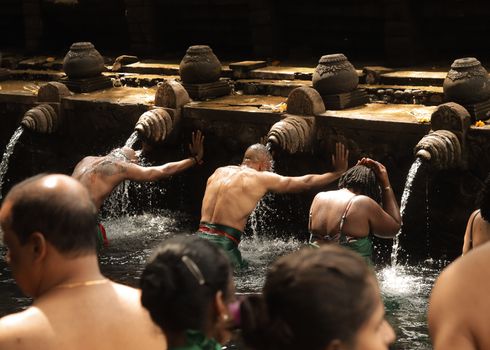
The session began with a simple conversation, followed by her gently feeling my pulse points and observing my energy. Then came the melukat, a traditional water purification ceremony. I sat by a small, sacred spring, and she began to chant, pouring blessed water over my head, cleansing me with flowers and prayers. It was profoundly moving. I felt the weight of my anxieties lift with each drop of water, a sensation of being washed clean, not just physically, but spiritually. Later, she offered me a herbal concoction and gave me simple advice for daily mindfulness.
Why You Need to Experience It:
Bali's spiritual energy is palpable, and a session with a Mankun offers a direct, powerful way to tap into it. It's a deeply personal ritual that connects you to ancient traditions and leaves you feeling lighter, clearer, and more at peace. It’s an ideal starting point for anyone seeking spiritual renewal.
Practical Tips & Details:
* Location: Most Mankun are found in villages around Ubud, Gianyar, and Tabanan.
* Finding a Reputable Healer: This is crucial. Avoid tourist traps. Ask your guesthouse owner, a trusted local guide, or reputable wellness centers for recommendations. Some popular, well-regarded healers include Cokorda Rai (Ubud) or Ibu Mangku.
* Cost: Sessions can range from IDR 500,000 to IDR 1,500,000 (approx. $35-$100 USD), depending on the healer and the length/type of session. Sometimes a small offering (like fruit or flowers) is also appreciated.
* What to Bring: Wear respectful clothing (shoulders and knees covered), an open mind, and perhaps a small offering. Be prepared to sit on the floor.
* Booking: Often, you book through a local contact or simply show up during designated hours. Patience is key, as these healers often have many visitors.
---
2. The Amazonian Curandero: Deep Healing in the Heart of the Jungle (Peruvian Amazon)
From the serene rice paddies of Bali, my journey took me deep into the dense, vibrant embrace of the Peruvian Amazon. Here, the curandero (healer) is a master of plant medicine, drawing on millennia of indigenous knowledge to heal physical ailments, emotional traumas, and spiritual imbalances. Their connection to the jungle, its spirits, and its vast pharmacopoeia is profound.
My Experience:
This was a more intense and immersive experience. I joined a small, ethically run retreat center deep in the jungle near Iquitos. The focus was on purification and connection with nature, guided by a respected Shipibo curandero. The days were spent on a dieta (a restricted diet of bland food) and connecting with the jungle through walks and quiet contemplation.
My most vivid memory is of a night ceremony. We sat in a circular hut, the sounds of the jungle alive around us. The curandero, with his calm, steady presence, led us through chants and energetic cleansing rituals. It was challenging, confronting, and deeply introspective. I felt a powerful release of old anxieties and a renewed sense of clarity, a feeling of being stripped back to my most authentic self. The plants, the sounds, the shared intention – it all coalesced into an experience that felt ancient and utterly transformative.
Why You Need to Experience It:
The Amazon offers a complete immersion, a chance to disconnect from modern life and reconnect with the primal rhythms of nature. The wisdom of the curanderos, passed down through generations, is unparalleled in its understanding of the human spirit's connection to the natural world. It's not for the faint of heart, but for those seeking profound internal shifts, it is an unparalleled journey.
Practical Tips & Details:
* Location: Iquitos (Peru) and the Sacred Valley (Peru) are popular hubs for ethical plant medicine retreats. Parts of Ecuador and Colombia also offer similar experiences.
* Finding a Reputable Center: This is paramount for safety and ethical reasons. Research extensively. Look for centers with strong reviews, clear safety protocols, experienced facilitators, and a deep respect for indigenous traditions. Avoid unregulated or purely commercial operations.
* Cost: Multi-day retreats (3-10 days) can range from $500 to $2,000+ USD, often including accommodation, food, and ceremonies.
* What to Bring: Light, breathable clothing, insect repellent, headlamp, sturdy walking shoes, and an absolutely open mind. Prepare for a strict dieta and potentially challenging emotional experiences.
* Booking: Book well in advance, as reputable centers fill up quickly. Many require a pre-screening process.
---
3. The Sangoma: Ancestral Wisdom in the Heart of Africa (South Africa / Eswatini)
My journey then led me to the vibrant, spiritual landscapes of Southern Africa, where the Sangoma (traditional healer) holds a revered place in many indigenous communities. Sangomas are diviners, herbalists, and spiritual guides, communicating with ancestors to offer guidance, healing, and protection. Their practices often involve drumming, chanting, dancing, and the throwing of bones for divination.
My Experience:
I had the privilege of meeting a Sangoma in a rural village in Eswatini (formerly Swaziland), arranged through a cultural tour operator that works directly with local communities. The experience was humbling and deeply respectful. The Sangoma, a woman in her 60s with a powerful presence, welcomed me into her hut.
She began by explaining the importance of ancestors and the interconnectedness of all things. Then, she performed a bone throwing divination. With each cast, she interpreted the patterns, speaking of energies, past influences, and potential paths forward. It wasn't about telling me my future, but about understanding my present through an ancestral lens. Her insights were surprisingly accurate, touching on aspects of my life that I hadn't vocalized. I left with a sense of groundedness and a deeper appreciation for the wisdom of lineage.
Why You Need to Experience It:
To connect with a Sangoma is to delve into the heart of African spirituality. It's a powerful reminder of our connection to those who came before us and the unseen forces that shape our lives. It offers a unique perspective on life's challenges and a profound sense of cultural immersion.
Practical Tips & Details:
* Location: Sangomas practice across Southern Africa (South Africa, Eswatini, Lesotho, Zimbabwe). Rural areas or cultural villages often provide more authentic experiences.
* Finding a Reputable Healer: This is best done through trusted local guides, cultural tour operators, or community-based tourism initiatives that work directly with Sangomas. Avoid commercialized "shows."
* Cost: Sessions can vary, often ranging from ZAR 300-800 (approx. $15-$45 USD), sometimes with additional requests for specific offerings or herbs. Always confirm the expected contribution beforehand.
* What to Bring: Respectful attire, an open mind, and a willingness to engage respectfully with local customs. A small gift (like tobacco or a non-perishable food item) might be appropriate as a gesture of goodwill, but always defer to your guide.
* Booking: Often arranged through local contacts or tour operators. Be patient and flexible, as appointments are often made around community needs.
---
4. The Ayurvedic Doctor: Holistic Balance in the Land of Spices (Kerala, India)
After the intense spiritual work in the Amazon and Africa, I sought a different kind of balance, one rooted in ancient Indian science: Ayurveda. Originating over 5,000 years ago, Ayurveda is a holistic system of medicine focused on balancing the body's three doshas (energetic forces). Kerala, in southern India, is renowned as the birthplace and heartland of authentic Ayurvedic treatment.
My Experience:
I booked a week-long Panchakarma (detoxification and rejuvenation) program at an Ayurvedic resort nestled amidst the backwaters of Kerala. My journey began with a consultation with an Ayurvedic doctor, who meticulously assessed my dosha (mine is Pitta-Vata, apparently!) and prescribed a personalized regimen of diet, herbal medicines, yoga, meditation, and daily treatments.
Each day involved different therapeutic massages with warm herbal oils (abhyanga), steam baths (swedana), and other purifying therapies. The food was simple, delicious, and perfectly tailored to my dosha. It was a complete immersion – no phone, no distractions, just the gentle rhythm of treatments, the sounds of nature, and the focus on internal balance. By the end of the week, I felt completely re-calibrated, my mind clear, my body light, and my energy levels soaring. It was a profound lesson in self-care and mindful living.
Why You Need to Experience It:
Ayurveda offers a comprehensive approach to health, addressing the root causes of imbalance rather than just symptoms. It's a deep dive into self-awareness and a powerful way to reset your system, leaving you with practical tools for long-term well-being.
Practical Tips & Details:
* Location: Kerala, India, is the best place, with numerous reputable Ayurvedic resorts and hospitals. Kannur, Kovalam, and Kottakkal are good starting points.
* Finding a Reputable Center: Look for government-certified centers or those affiliated with established Ayurvedic colleges. Read reviews, check their doctors' qualifications, and ensure they offer personalized treatment plans.
* Cost: A 7-day Panchakarma program can range from $500 USD for basic facilities to $2,000-$5,000+ USD for luxury resorts, often including accommodation, food, consultations, and daily treatments.
* What to Bring: Comfortable, loose clothing, a journal, and an open mind. Be prepared for copious amounts of oil and a strict diet.
* Booking: Book well in advance, especially during peak season (October-March).
---
5. The Hanbang Doctor: Eastern Wisdom for Modern Ailments (Seoul, South Korea)
My final stop brought me to the bustling metropolis of Seoul, South Korea, where ancient healing traditions seamlessly blend with modern life. Hanbang, or Traditional Korean Medicine (TKM), is a sophisticated system that has evolved over centuries, focusing on restoring the body's natural balance and flow of Qi (life energy) through acupuncture, herbal medicine, moxibustion, and cupping.
My Experience:
Feeling the residual effects of long-haul travel and the occasional flare-up of chronic neck tension, I sought out a Hanbang clinic in Seoul's historic Insa-dong district. The clinic was sleek and modern, yet filled with the earthy scent of traditional herbs. My consultation with the Hanbang doctor was thorough, involving pulse diagnosis, tongue examination, and a detailed discussion of my lifestyle and symptoms.
Based on his assessment, he recommended a combination of acupuncture and a personalized herbal decoction. The acupuncture needles were tiny, and after a brief sensation, I felt a gentle warmth spread through my neck. The herbal medicine, a dark, potent brew, tasted… unique, but surprisingly comforting. Over a few sessions, I noticed a significant reduction in my neck pain and a general improvement in my energy levels. It was a testament to the subtle yet powerful efficacy of Hanbang.
Why You Need to Experience It:
Hanbang offers a fascinating blend of ancient wisdom and modern clinical application. It's perfect for addressing specific physical ailments or simply for a general wellness boost, offering a deeper understanding of your body's energy flow.
Practical Tips & Details:
* Location: Hanbang clinics are found throughout South Korea, with many reputable ones in Seoul (e.g., Gangnam, Insa-dong, Gyeongdong Market area).
* Finding a Reputable Clinic: Look for clinics with English-speaking doctors or staff, especially those catering to international visitors. Many are clearly marked with the "Hanbang" symbol. The Kyung Hee University Hospital at Gangdong has a renowned TKM department.
* Cost: A consultation can range from KRW 30,000-80,000 (approx. $25-$60 USD). Acupuncture sessions are typically KRW 20,000-50,000 ($15-$40 USD) per session. Herbal prescriptions can vary widely, from KRW 100,000-300,000+ ($80-$250+) for a course of treatment.
* What to Bring: Your passport, any relevant medical history, and a willingness to try new tastes and sensations.
* Booking: Appointments are often recommended, especially for English-speaking doctors.
---
Embracing the Unseen: Why These Experiences Are Non-Negotiable
My journey with traditional healers wasn't just about finding relief for a physical ache or a spiritual malaise. It was about something far deeper:
* Cultural Immersion: It offered an unparalleled window into the heart and soul of diverse cultures, showcasing their respect for nature, ancestors, and holistic well-being.
* Self-Discovery: Each session was a profound act of introspection, forcing me to confront my own patterns, beliefs, and aspirations.
* Reconnection: I reconnected with my body, my spirit, and the earth in ways I hadn't imagined possible, shedding layers of modern-day conditioning.
* Perspective Shift: It taught me that healing isn't always about a pill or a quick fix; it's often about balance, intention, and a deep respect for ancient wisdom.
These experiences are not merely tourist attractions; they are sacred encounters. They require an open heart, a respectful attitude, and a genuine desire for understanding. They challenge your perceptions, expand your worldview, and leave an indelible mark on your soul.
---
Final Thoughts & Your Call to Action
The world is full of wonders, but some of the most profound are found not in grand monuments, but in the quiet wisdom of those who carry ancient healing traditions. My journey with these traditional healers transformed my understanding of travel, wellness, and my own place in the world. It taught me that true adventure often lies within, guided by the hands of those who understand the intricate dance of spirit and matter.
Don't just see the world; feel it, heal with it, and grow with it. These are not just trips; they are pilgrimages of the soul.
Which traditional healing experience calls to you most? Have you had a transformative healing encounter abroad? Share your stories in the comments below! Let's inspire each other to seek out these profound journeys. And if this post sparked a fire in your wanderlust, don't keep it to yourself – share it with your fellow adventurers! Let's make sure these incredible traditions continue to thrive by supporting them respectfully.
---