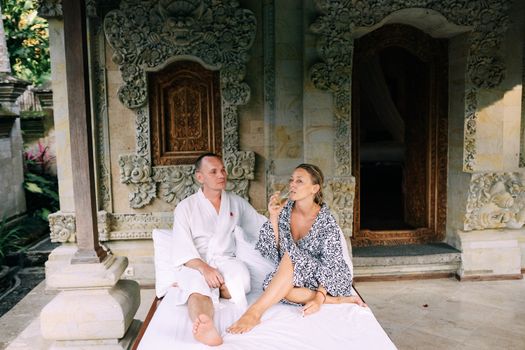
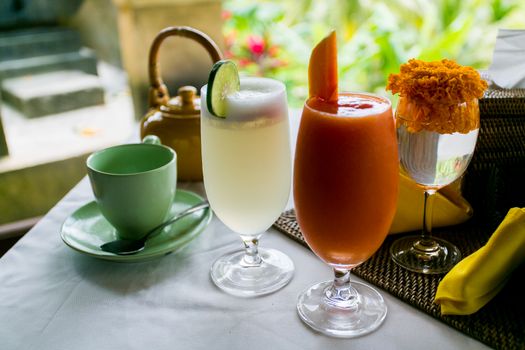
The humid air of Ubud, Bali, clung to me like a second skin, heavy with the scent of frangipani and burning incense. I’d arrived feeling… well, unmoored. The relentless pace of city life, the endless scroll of social media, the constant pressure to be "on"—it had all taken its toll. I wasn't looking for another infinity pool or a picture-perfect beach; I was seeking something deeper, something that could mend the frayed edges of my soul. That’s when I heard about Pak Made, a Balinese Balian, a spiritual healer.
My first encounter with traditional healing wasn't a spa treatment; it was a profound, humbling dip into a vibrant culture centuries old. I sat cross-legged on a mat, the Balian’s eyes, ancient and kind, assessing me. He didn’t just talk about my physical ailments; he spoke of my energy, my spirit, the unseen burdens I carried. What followed was a ritual of water purification, chanting, and herbal remedies that left me feeling lighter, clearer, and more connected than I had in years. This wasn't just travel; it was a homecoming to myself.
And I’m not alone. Right now, there's a powerful, growing trend among travelers: a yearning for authentic, transformative experiences that go beyond sightseeing. We’re seeking out traditional healers – the shamans, curanderos, balians, and vaidyas – who are opening their doors, sharing their ancestral wisdom, and guiding us toward holistic well-being. This isn't just about 'healing' in the Western sense; it's about cultural immersion, spiritual growth, and rediscovering ancient practices that offer profound insights into ourselves and the world. Ready to embark on your own journey of discovery? Let’s dive in.
---
Why Now? The Rise of Mindful Healing Travel
In a world that often feels disconnected and overwhelming, the allure of traditional healing offers a powerful antidote. Modern wellness trends often feel commodified, but seeking out a traditional healer is about stepping into a living lineage, an unbroken chain of wisdom passed down through generations. It’s about slowing down, listening, and engaging with a culture on its own terms.
Travelers are increasingly prioritizing experiences that offer personal growth, authenticity, and a chance to truly disconnect from the digital noise. Traditional healing fits this perfectly. It’s an opportunity to:
- Deepen Cultural Understanding: Engage directly with local traditions, beliefs, and community structures.
- Seek Holistic Wellness: Address not just physical symptoms, but also emotional, spiritual, and energetic imbalances.
- Find Authentic Connection: Form bonds with local practitioners and communities, moving beyond tourist traps.
- Experience Personal Transformation: Many report profound shifts in perspective, emotional release, and a renewed sense of purpose.
This isn't just a fleeting trend; it’s a movement towards more conscious, respectful, and impactful travel.
---
Bali, Indonesia: The Balinese Balian & Sacred Water Cleansing
If there’s one place that has truly embraced mindful healing tourism, it’s Bali. The island of the gods is steeped in spiritual tradition, and its Balinese Balians are revered practitioners who act as conduits between the physical and spiritual worlds. They are not doctors in the Western sense, but rather spiritual guides, herbalists, and energy workers who help restore balance.
My own experience with Pak Made wasn't planned; it was a recommendation from a local friend. His small, open-air compound in the village outside Ubud was simple, adorned with intricate offerings and the sweet scent of incense. He didn't speak much English, but his assistant translated, explaining the process. First, an assessment of my energy, then a diagnosis that felt eerily accurate. He spoke of "stuck emotions" and "heavy energy" from stress.
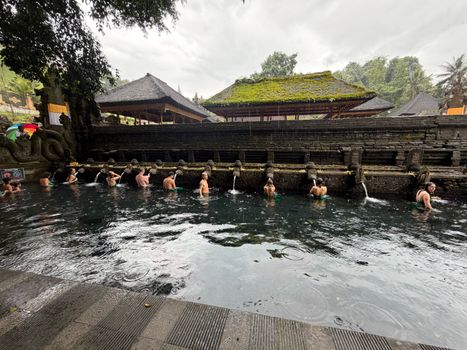
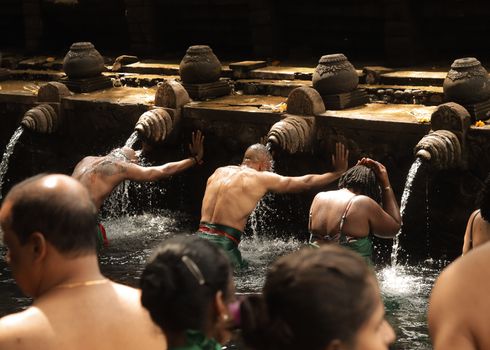
The highlight was the Melukat, a water purification ceremony. We drove to a nearby temple, Tirta Empul, where natural springs feed ancient bathing pools. Guided by Pak Made, I moved through the different spouts, allowing the cool, blessed water to wash over me, each stream representing a different blessing or purification. With each douse, I felt layers of tension peel away. It was deeply emotional, incredibly cleansing, and utterly unforgettable. Afterward, Pak Made provided me with specific herbal remedies and dietary advice, all rooted in local tradition.
What to Expect:
* Energy Healing: Balians often work with prana (life force energy) to clear blockages.
* Herbal Remedies: Expect traditional plant-based medicines, often prepared fresh.
* Spiritual Cleansing (Melukat): Water purification ceremonies at sacred springs or temples.
* Divination: Reading palms, cards, or using other methods to gain insight into your spiritual path.
* Massage: Some Balians also incorporate traditional Balinese massage.
Practical Tips for Bali:
* Finding a Balian: Word-of-mouth is best. Ask trusted locals, guesthouse owners, or reputable tour operators. Some well-known Balians like Cokorda Rai (often booked far in advance) or those around Tirta Empul are accessible.
* Cost: A session can range from IDR 300,000 to IDR 800,000 (approx. $20-$55 USD), sometimes more depending on the ceremony and duration. Always clarify the price upfront.
* Etiquette: Dress modestly (shoulders and knees covered). Bring a sarong. Always be respectful, humble, and open-minded. Offer a small donation or gift (e.g., fruit, cigarettes for men) if appropriate, in addition to payment.
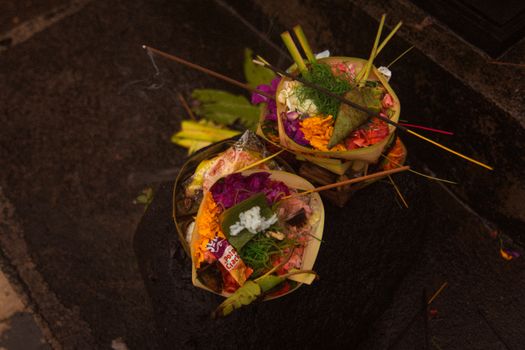
* Instagrammable Moment: The ritualistic beauty of a Melukat ceremony at Tirta Empul, or the intricate offerings (canang sari) found everywhere.
---
Oaxaca, Mexico: Curanderos & the Wisdom of the Land
Venturing further west, Oaxaca, Mexico, is a vibrant tapestry of indigenous culture, ancient traditions, and incredible cuisine. Here, the traditional healers are known as Curanderos (male) or Curanderas (female), masters of herbal medicine, spiritual cleansing, and ancestral wisdom. Their practices are deeply rooted in pre-Hispanic traditions, blending indigenous beliefs with Catholic elements.
My journey to find a Curandera in Oaxaca led me to a bustling market, where vibrant stalls overflowed with exotic fruits, colorful textiles, and bundles of dried herbs. It was through a local artisan that I was introduced to Doña Maria, a soft-spoken woman whose eyes held generations of wisdom. Her small, humble healing space was filled with the earthy scent of copal incense and dried flowers.
I sought a limpia, a traditional spiritual cleansing. Doña Maria began by gently fanning me with a bundle of fresh herbs, muttering prayers and invocations in a mix of Spanish and Zapotec. She then used an egg, rubbing it over my body, believed to absorb negative energies. The process was deeply meditative, almost hypnotic. Afterwards, she cracked the egg into a glass of water, interpreting the patterns to reveal insights into my emotional state. It was a fascinating blend of practical herbalism and intuitive spiritual guidance, leaving me feeling lighter and more grounded, as if a weight had been lifted. She also recommended specific teas for digestion and stress, made from herbs readily available in the market.
What to Expect:
* Limpias (Cleansings): Rituals using herbs, eggs, or smoke to clear negative energy.
* Herbal Remedies: Consultations and preparations of teas, poultices, and tinctures for various ailments.
* Spiritual Readings: Insight into personal challenges or future paths.
* Bone Setting (Hueseros): Specialized healers who work with musculoskeletal issues.
* Soul Retrieval (Susto): Addressing spiritual fright or shock.
Practical Tips for Oaxaca:
* Finding a Curandero/a: Similar to Bali, local referrals are best. Ask at reputable cultural centers, ethical tour operators, or trusted guesthouses. Some Curanderos operate openly in local markets, but a personal introduction often leads to a more profound experience.
* Cost: A limpia or consultation might range from MXN 500 to MXN 1500 (approx. $30-$90 USD). Herbal remedies are usually extra and very affordable. Always confirm the price beforehand.
* Etiquette: Show deep respect for their traditions. A small offering of fresh fruit or flowers can be a thoughtful gesture. Be patient and open to the process.
* Instagrammable Moment: The vibrant colors of the local markets, the intricate folk art depicting traditional practices, or the serene setting of a healing space (with permission).
---
Kerala, India: Ayurvedic Vaidyas & Holistic Rejuvenation
Shifting gears to a different kind of ancient wisdom, Kerala, India, often called "God's Own Country," is the birthplace and stronghold of Ayurveda. This ancient holistic healing system, dating back thousands of years, focuses on balancing the body's three doshas (Vata, Pitta, Kapha) through diet, lifestyle, herbal medicine, and therapeutic treatments. Here, traditional healers are known as Vaidyas.
My introduction to Ayurveda began not with a single healer, but with a week-long retreat at an Ayurvedic center nestled amidst the tranquil backwaters of Kerala. The moment I arrived, I was enveloped in an atmosphere of serene calm. My first consultation with the resident Vaidya involved an in-depth assessment: pulse diagnosis, tongue examination, and a detailed questionnaire about my lifestyle, diet, and emotional state. She determined my dominant dosha and outlined a personalized plan.
My days were a rhythmic dance of early morning yoga, therapeutic oil massages (abhyanga), steam baths, and carefully curated Ayurvedic meals. The most remarkable part was the Panchakarma treatment – a series of detoxification and rejuvenation therapies. While some parts were challenging (like the specific diet or purging), the cumulative effect was incredible. I left feeling profoundly reset, my mind clear, my body energized, and with a deeper understanding of how to maintain balance in my daily life. It wasn't just a treatment; it was an education in living.
What to Expect:
* Dosha Assessment: A personalized consultation to determine your unique body-mind constitution.
* Herbal Medicines: Prescriptions for traditional Ayurvedic formulations.
* Therapeutic Massages: Medicated oil massages like Abhyanga (full body), Shirodhara (oil dripped on forehead), Pizhichil (oil bath).
* Panchakarma: A comprehensive detoxification and rejuvenation program (can last 7-21 days).
* Dietary & Lifestyle Advice: Guidance on food, exercise, and daily routines tailored to your dosha.
Practical Tips for Kerala:
* Finding a Vaidya/Center: For a comprehensive experience, opt for a reputable Ayurvedic retreat or hospital. Look for centers certified by the Kerala Tourism Department for Ayurveda. Well-known areas include Kovalam, Thrissur, and the backwaters.
* Cost: A single consultation might be INR 1000-3000 (approx. $12-$36 USD). A 7-day Panchakarma package at a reputable center can range from INR 50,000 to INR 150,000+ (approx. $600-$1800+ USD), depending on the luxury level and treatments included.
* Etiquette: Dress modestly. Be prepared for a detailed consultation and commit to the prescribed regimen for best results.
* Instagrammable Moment: The serene beauty of Kerala's backwaters, the vibrant colors of Ayurvedic herbs, or the tranquil settings of the healing centers.
---
Respectful Engagement: Your Guide to Mindful Healing Travel
Embarking on a journey with traditional healers is not like booking a typical spa day. It requires a deeper level of respect, openness, and cultural sensitivity. To ensure your experience is authentic, beneficial, and ethical, keep these guidelines in mind:
- Do Your Research (Thoroughly!): Not all practitioners are equally skilled or ethical. Seek recommendations from trusted locals, expatriates, or reputable travel guides focused on responsible tourism. Look for established practitioners with a good reputation within their community. Avoid anyone who makes outlandish claims or pressures you excessively.
- Approach with Humility and Respect: You are a guest in their culture and tradition. Dress modestly, speak respectfully, and be open to practices that may differ greatly from your own. Avoid judgment or skepticism; approach with a beginner's mind.
- Set Clear Intentions: Before your session, take time to reflect on what you hope to gain. Are you seeking physical relief, emotional clarity, spiritual guidance, or simply cultural understanding? A clear intention can help you connect more deeply.
- Manage Expectations: Traditional healing is not a quick fix. It’s often a process that requires patience, commitment, and a willingness to look inward. Results may not be immediate or what you initially anticipated. Sometimes, the healing is subtle, unfolding over time.
- Ask About Costs Upfront: Always clarify the price of a session or treatment before you begin. This avoids misunderstandings and shows respect.
- Be Mindful of Photography: Always ask for explicit permission before taking photos, especially of the healer or during sacred rituals. Some practices are private or considered sacred, and photography may be inappropriate.
- Listen and Observe: Pay close attention to the healer's instructions, non-verbal cues, and the surrounding environment. This is a learning experience.
- Prioritize Safety: While most traditional healers are benevolent, exercise caution as you would with any travel experience. Trust your intuition. If a situation feels uncomfortable or unsafe, politely excuse yourself.
- Support Ethically: If you purchase herbs or other items, ensure you are supporting the local community and sustainable practices. Avoid contributing to the exploitation of natural resources or cultural heritage.
- Integrate the Learning: The true power of these experiences lies in what you take away and integrate into your daily life. Reflect on the insights, advice, and feelings you gained, and consider how you can apply them for lasting well-being.
---
A Journey Beyond the Surface
My encounters with traditional healers were more than just travel experiences; they were profound lessons in connection – connection to ancient wisdom, to vibrant cultures, and most importantly, to myself. The lingering scent of Balinese incense, the earthy taste of Oaxacan herbal tea, the soothing warmth of Ayurvedic oil – these sensory memories are woven into the fabric of my being, constant reminders of the healing power found when we dare to look beyond the familiar.
This new wave of mindful healing travel is an invitation to slow down, to listen, and to allow ancient traditions to guide us toward a more balanced and authentic existence. It’s about discovering that the deepest healing often comes not from what’s new, but from what has endured for centuries.
Are you ready to swap the ordinary for the extraordinary? To trade superficial sightseeing for profound self-discovery? The world's traditional healers are waiting to share their wisdom. Plan your journey, open your heart, and prepare for a transformation that will resonate long after you return home.
Have you had an experience with a traditional healer? Share your stories and tips in the comments below! Let's inspire each other to explore these incredible paths to wellness.
---