The Moment the Gates Swung Open
I stepped out of the dust-splattered 4x4 into the dawn air of northern Ethiopia’s Gheralta Mountains. The scent of wild mountain thyme and smoldering frankincense drifted from a nearby stone homestead. Below us, a valley once veiled by conflict was bathed in soft amber light. For years, this ancient landscape—home to fifth-century monasteries carved directly into sheer vertical sandstone—was entirely cut off from the outside world. Today, as my local guide, Tsega, ran his hands along the weather-worn stone steps leading up to Abuna Yemata Guh, he whispered two words that sent shivers down my spine: "We're back."
Moments like this are defining a massive shift in global travel. Diplomatic breakthroughs, historic peace accords, and demilitarization agreements have quietly reopened some of the world’s most mesmerizing, culturally rich, and pristine landscapes.
For adventurous travelers who crave raw, untouched destinations before the tour buses arrive, this season isn't about overcrowding European hot spots. It's about stepping onto land that hasn't seen international footprints in a generation. Here are the top travel corridors unlocked by new peace agreements that are officially trending this summer.
---
1. Northern Ethiopia: The Tigray & Axum Cultural Corridor
Following the signing and sustained implementation of the Pretoria Peace Agreement, northern Ethiopia has quietly transformed from an inaccessible hazard zone into one of the most compelling cultural corridors in Africa.
```
+-----------------------------------------------------------------------------------+
| "To stand atop the Gheralta peaks without another soul in sight is to remember |
| what true travel used to feel like—reverent, raw, and profoundly peaceful." |
+-----------------------------------------------------------------------------------+
```
Unlocking Fifth-Century Cliffside Monasteries
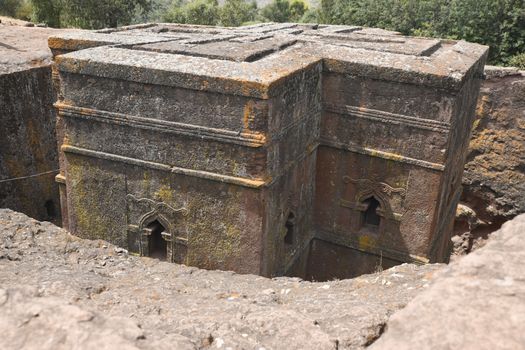
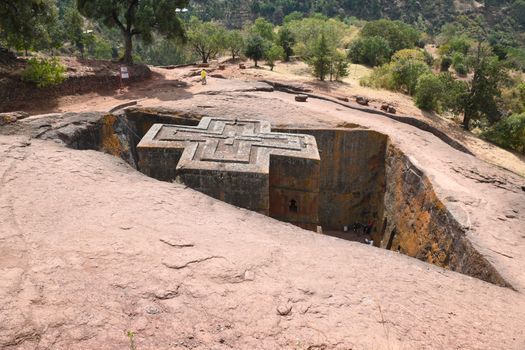
For years, the sandstone pinnacles of Tigray were completely inaccessible. Now, regional flights into Mekelle and Shire have fully resumed, allowing traveler access to the rock-hewn churches of Gheralta and the obelisks of Axum—a UNESCO World Heritage site long considered the resting place of the Ark of the Covenant.
- The Experience: Scale vertical rock walls using footholds carved centuries ago to reach churches painted with biblical frescoes that have retained their vibrant cobalt and ochre pigments for over 1,500 years.
- Local Insight: The local clergy in Tigray are eager to welcome respectful visitors back. Bypassing the big group tours in favor of local Tigrayan guides directly injects capital into host communities rebuilding after years of isolation.
> PRO-TIP: Climb to Abuna Yemata Guh at 6:30 AM before the sandstone heats up under the afternoon sun. Hire a local harness boy at the base—even if you are an experienced climber, their steadying hands on the sheer 20-foot drop-off section are worth ten times the small tip.
---
2. The South Caucasus Silk Road: The Margara Border Crossing (Turkey–Armenia)
After three decades of closed borders, diplomatic thaws between Turkey and Armenia have led to the historic agreement to open the Margara land border to third-country nationals and diplomatic personnel, paving the way for full civilian overland transit.
```
[ TURKEY ]
|
(Margara Bridge)
|
[ ARMENIA ]
```
Walking the Reconnected Silk Road
This corridor bridges two distinct worlds rich in ancient church architecture, basalt canyons, and distinct culinary traditions. Previously, overland travelers had to execute an exhausting multi-day detour through Georgia to travel between Kars (Turkey) and Gyumri (Armenia).
- The Highlight: Visitors can now easily combine trips to Ani—the ancient Armenian "City of 1,011 Churches" sitting right on the Turkish edge of the border—with Gyumri, Armenia’s creative, bohemian second city known for its 19th-century black tuff architecture.
- The Vibe: Unexpected, artistic, and deeply historic. Gyumri's café culture is booming with young artists revitalizing old imperial mansions, while Kars offers rich Ottoman-Russian fusion cuisine.
> PRO-TIP: In Gyumri, visit the hidden backyard dining space at *Gvozd off Rustaveli Street. Order the local river trout baked in lavash with wild herbs—a dish that blends regional flavors from both sides of the reopened frontier.*
---
3. Colombia’s Amazonian Peace Frontier: San José del Guaviare
The ongoing expansion of peace accords between the Colombian government and former insurgent groups has permanently opened up vast stretches of Colombia's Amazonian transition zone. Chief among these safe havens is San José del Guaviare.
```
[ Jungle Canopy ] ---> [ Cerro Azul Rock Art ] ---> [ Guayabero River ]
(12,000-Year-Old Ochre Murals)
```
Prehistoric Art in Once-Forbidden Jungles
Once considered entirely off-limits, Guaviare is an eco-traveler’s dream. The region serves as the ecological gateway where the Andes mountains drop down to meet the deep Amazonian basin.
- Cerro Azul (Serranía de La Lindosa): Marvel at miles of sheer cliff faces covered in 12,000-year-old ice-age rock paintings depicting giant sloths, mastodons, and early hunter-gatherers. These ancient ochre murals were hidden from the outside world by decades of armed conflict.
- Pink River Dolphins and Red Rivers: Kayak down the Raudal del Guayabero to spot pink river dolphins, or swim in Caño Sabanas, a river that blooms in vibrant pink hues due to endemic aquatic plants similar to those at Caño Cristales.
> PRO-TIP: Look for the blue wooden door marked "Don Jose" at the base of Cerro Azul. His family guards the trail entrance and serves fresh sugarcane juice pressed on-site with local jungle limes.
---
4. The Dângrêk Demilitarized Sanctuary: Preah Vihear (Thailand–Cambodia)
Following years of border disputes and military standoffs around the majestic 11th-century temple of Preah Vihear, peaceful bilateral management agreements between Thailand and Cambodia have solidified safe, uninterrupted access along this dramatic cliffside corridor.
```
+-----------------------------------------------------------------+
| PREAH VIHEAR TEMPLE |
| Perched on a 525-meter cliff overlooking the Cambodian plains |
+-----------------------------------------------------------------+
```
Khmer Splendor Without the Siem Reap Crowds
Perched on a 525-meter cliff in the Dângrêk Mountains, Preah Vihear is an architectural masterpiece of the Khmer Empire, predating Angkor Wat.
- The Vibe: Unlike Angkor Wat, where you share sunrise with thousands of tripod-wielding tourists, Preah Vihear offers absolute, wind-swept serenity.
- Architectural Marvel: The temple is constructed along an 800-meter long axis, rising through four tiers of processional stairways toward a sanctuary that drops off dramatically into the Cambodian plains below.
> PRO-TIP: Hire a local motorbike taxi at the base station to navigate the steep 20% gradient up the mountain. Request a stop at the third level Gopura at precisely 11:30 AM, when the light streams directly through the stone lintels.
---
5. The Red Sea Gateway: Saudi Arabia to Socotra via Aden
With diplomatic agreements stabilizing transit across the southern Arabian Peninsula and Yemeni coastal corridors, new direct regional flight connections and ferry routes are emerging via Saudi Arabia and Aden, unlocking safer access to the legendary island of Socotra.
```
[ Saudi Arabia Hubs ] === (Direct Air/Sea Links) ===> [ Socotra Island ]
|--> Dragon's Blood Trees
|--> White Sand Dunes
```
The Galapagos of the Indian Ocean
Socotra’s otherworldly landscape—famous for its umbrella-shaped Dragon's Blood Trees, white sand dunes, and alien flora—was historically difficult to access due to regional geopolitical strife.
- The Landscape: Seventy percent of the island is protected as a national park. You won't find luxury high-rises here; instead, you'll sleep in eco-camps under pristine dark skies, dive alongside untouched coral reefs, and trek through ancient canyons.
- The Cultural Experience: Connect with indigenous Socotri Bedouins who speak a unique, unwritten Semitic language distinct from Arabic and possess centuries of knowledge regarding native plant medicine.
> PRO-TIP: Bring cash in crisp, unmarked $100 USD bills issued after 2013. There are zero functional international ATMs on Socotra, and card terminals are non-existent.
---
Master Logistics & Cost Breakdown
Planning a journey into newly opened peace corridors requires precise preparation. Below is a breakdown of estimated daily budgets, ideal travel windows, and primary transit hubs.
| Destination Corridor | Key Diplomatic Accord | Est. Daily Budget ($ USD) | Best Time to Visit | Primary Transit Hub / How to Get There |
| :--- | :--- | :--- | :--- | :--- |
| Northern Tigray, Ethiopia | Pretoria Peace Accord | $60 - $120 / day | October to April | Fly into Mekelle (MQX) via Addis Ababa; hire private 4x4. |
| Margara Border (Turkey-Armenia) | Turkey–Armenia Normalization | $45 - $90 / day | May to September | Train/Taxi from Kars (Turkey) to Gyumri (Armenia). |
| Guaviare, Colombia | Colombian National Peace Accords | $50 - $100 / day | December to March | Direct 45-min flight from Bogotá to San José del Guaviare (SGO). |
| Preah Vihear (Cambodia/Thailand) | ASEAN Border Demilitarization | $35 - $75 / day | November to February | Private driver from Siem Reap (2.5 hours) via NH64. |
| Socotra Gateway | Southern Peninsula Transit Accords | $180 - $280 / day (guided) | October to April | Weekly charter flights via Jeddah (JED) or Aden (ADE). |
---
Essential Rules for Frontier & Peace-Corridor Travel
Navigating regions that have recently emerged from conflict requires high levels of mindfulness, cultural agility, and preparation.
```
+-----------------------------------------------------------------------+
| FRONTIER RULE BOOK: |
| 1. Hire local, pay fair. |
| 2. Keep paper cash reserves. |
| 3. Ask before filming military or border infrastructure. |
| 4. Leave zero trace in fragile, newly opened ecosystems. |
+-----------------------------------------------------------------------+
```
1. Hire Hyper-Local Guides
When peace agreements open land, the local economy needs your travel dollars to solidify stability. Using local guides from the exact district you are visiting ensures your money directly aids host families and community-led conservation efforts.
2. Cash Is King
Digital payment infrastructure is often late to arrive in newly opened frontiers. Always carry adequate local currency in small bills, along with pristine, uncreased US Dollars or Euros.
3. Respect Border Photography Etiquette
While borders may be open, military personnel and border guards are adapting to the influx of international travelers. Never take photos of military checkpoints, border bridges, official buildings, or uniform personnel without explicit permission.
4. Travel with Comprehensive Evacuation Insurance
Frontier travel is breathtaking, but remote medical infrastructure can be basic. Ensure your policy includes emergency medical evacuation coverage that explicitly includes regional land transit.
---
The Verdict: Why This Summer Belongs to the Frontiers
The world is opening up in ways that felt impossible just a decade ago. Choosing to travel along these newly opened peace corridors isn't just about boasting rights—it’s about participating in a global story of healing, connection, and renewal.
By stepping onto these unlocked paths with curiosity and respect, you aren't just taking a vacation; you're bearing witness to the transformative power of peace.
Pack your bags, double-check your passports, and go set foot where few have gone before.
---