The Smell of Fermented Indigo and the Rhythm of the Wooden Mallet
I stepped off the local bus into the dust-choked heat of Bagru, Rajasthan, and was immediately hit by a smell I will never forget: a sharp, pungent mix of fermented iron, dried pomegranate peels, and wet mud.
It wasn't pleasant at first. But then I heard it—a synchronized, heartbeat-like rhythmic thud-thud-thud echoing through the open courtyard of a family compound.
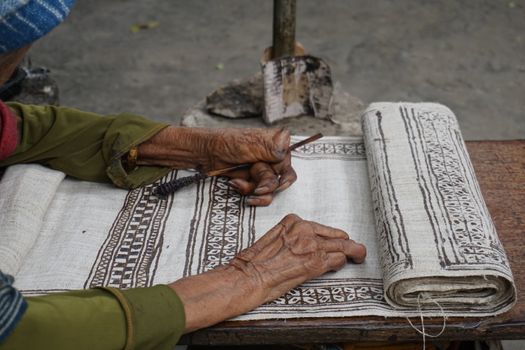
Following the sound, I found Ramji, a fifth-generation Chhipa master printer, bent over a ten-foot slab of teak wood. His right hand held a hand-carved wooden block soaked in dark dabu mud; his left wrist landed with surgical precision, slamming the block onto raw cotton. In four seconds, an intricate floral lattice appeared.
"Ten years ago," Ramji told me, wiping indigo-stained sweat from his brow, "my sons wanted to leave for tech jobs in Jaipur. They saw no future in mud and dye. Today, travelers like you pay us directly to learn this art, and my sons are leading our digital cooperative."
This is the power of high-impact travel. While cheap factory knockoffs and synthetic dyes have brought ancient handcrafts to the brink of extinction, a new movement backed by top travel advisors is reversing the trend. By diverting tourism dollars directly into workshop masterclasses, heritage preservation yields viable, profitable livelihoods for master artisans.
---
Why Traditional Craft Revivals Need Your Travel Dollars Right Now
For decades, the travel industry treated local craft markets as mere souvenir photo-ops. Mass-produced plastic knick-knacks replaced hand-carved heritage goods, squeezing true masters out of the market.
When you book a direct masterclass or purchase authentic artisanal pieces, you do more than buy a keepsake:
- You preserve generational intellectual property: Complex geometry, botanical dyeing formulas, and metallurgical secrets are held entirely in oral tradition. If a generation skips learning, the knowledge dies forever.
- You fund ethical micro-economies: Direct artisan tourism bypasses exploitative middle-men, ensuring up to 85% of your spent dollar stays inside the artisan's household and local community.
- You combat climate impact: Heritage crafts rely almost exclusively on locally sourced, biodegradable materials—from plant dyes to hand-spun wool—offering a blueprint for low-carbon fashion and design.
Here are five critically endangered traditional craft revivals that leading travel advisors urge you to visit, support, and experience firsthand.
---
1. Zapotec Natural Dyeing & Backstrap Weaving (Teotitlán del Valle, Mexico)
High in the Central Valleys of Oaxaca, the Zapotec village of Teotitlán del Valle has produced textiles for over a thousand years. However, the rise of synthetic acrylic threads in the late 20th century almost wiped out the complex science of pre-Hispanic botanical dyeing.
The Craft Revival
A small collective of young Zapotec weavers is reclaiming the old ways. They harvest cochineal (a scale insect living on nopal cacti that produces a vibrant crimson dye), wild marigold for golden yellows, and fermented indigo leaves for deep blues. The yarn is hand-spun using wooden malacates and woven on backstrap looms tied around the weaver’s waist.
The Insider Experience
You aren't just watching; you are grinding dried cochineal bugs on a granite metate, adding lime juice to watch the dark dust instantly turn electric pink, and sitting on the floor to operate a floor loom.
- Pro-Tip: Skip the main commercial shops on the entry road into Teotitlán. Head to the smaller family workshops located behind the 17th-century church of Precious Blood of Christ. Look for houses flying red yarn samples outside their gates.
- Advisors’ Pick: Book through local indigenous-led outfits like Taveco for private access to master weaver Lilia Gutierrez.
---
2. Bagru’s Mud-Resist Block Printing & Indigo Vats (Rajasthan, India)
While Jaipur’s commercial markets are flooded with screen-printed synthetic textiles labeled as "handmade," thirty kilometers southwest lies Bagru, where the authentic Dabu (mud-resist) and Bagru-Print (natural vegetable dye) techniques survive.
The Craft Revival
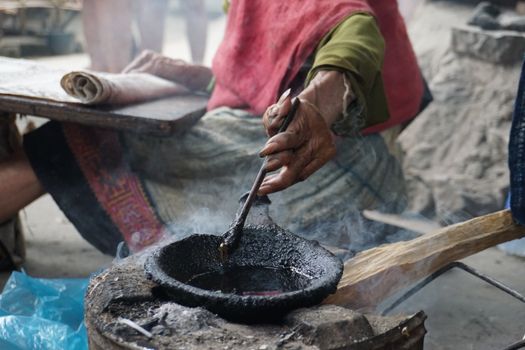
The Chhipa community uses hand-carved teak wood blocks to stamp patterns using a paste made from black clay, wheat chaff, and gum. The fabric is dusted with sawdust to set the mud, then dipped into deep subterranean indigo vats that have been fermenting for decades.
The Insider Experience
Spend a full day under the Rajasthani sun. You will carve your own simple wooden block, mix the viscous dabu mud with your hands, and drop your stamped linen into the dark green indigo liquid. As you pull the fabric into the air, oxygen reacts with the dye, turning it from bright green to deep, hypnotic navy before your eyes.
- Pro-Tip: Visit between 7:00 AM and 10:00 AM. Artisans work early to lay out hundreds of meters of dyed fabric across the dry riverbed before the midday dust storms blow in.
- Advisors’ Pick: Partner with Studio Bagru, an ethical enterprise that runs immersive multi-day residency workshops and guarantees fair wage distribution to local families.
---
3. 1,500-Year-Old Echizen Washi Papermaking (Fukui Prefecture, Japan)
Forget industrial printer paper. In the mountain valleys of Fukui, paper is treated as a sacred, living element. Echizen Washi has been produced continuously for 1,500 years, traditionally used for imperial decrees, Shinto rituals, and sliding shoji screen doors.
The Craft Revival
Industrialization and a declining rural population reduced Echizen's active papermaking families from thousands down to fewer than sixty. Today, younger-generation papermakers are keeping the tradition alive by adapting washi for modern interior design, high-end architecture, and fine arts.
The Insider Experience
At the Udatsu Paper Craft Museum, master craftspeople guide you through the labor-intensive Nagashizuki method. You stand over cold water vats containing raw kozo (mulberry) bark fibers mixed with neri (a viscous root extract). Using a bamboo screen held in a wooden frame (deckle and mould), you rock the water in precise, sweeping motions to interlock the plant fibers.
- Pro-Tip: Plan your visit during autumn. The mountain cold makes the mountain water purer, which contracts the mulberry fibers to produce the highest grade, velvety paper.
- Advisors’ Pick: Have your travel advisor arrange a private session with Osada Washi, a family-run studio specializing in three-dimensional embossed paper techniques.
---
4. Authentic Hand-Spun Pashmina & Kani Weaving (Srinagar, Kashmir)
Real Pashmina has nothing to do with the cheap polyester shawls sold in airport gift shops. True Kashmiri Pashmina comes from the ultra-fine undercoat of Changthangi goats living above 14,000 feet in the Himalayas.
The Craft Revival
Power looms and cheap blended yarn almost crippled Srinagar’s weaving communities. A fierce local campaign, backed by GI (Geographical Indication) certification, is reviving pure, hand-spun Pashmina and complex Kani weaving—where artisans use tiny wooden needles (kanis) to weave intricate floral patterns like a tapestry.
The Insider Experience
Navigating the narrow, winding lanes of Srinagar’s Old City, you will step into quiet timber-framed karkhanas (workshops). Here, elder masters read aloud from Talim—coded scripts written on strips of paper that dictate every single thread color change—while younger apprentices work the wooden handlooms with blinding speed.
- Pro-Tip: Always look for the official GI laser mark on any Kashmiri shawl. Pure hand-spun, hand-woven Pashmina will pass smoothly through a wedding ring and carries a distinct, soft matting that power looms cannot replicate.
- Advisors’ Pick: Work with specialists like Kashmir Loom to gain respectful, non-intrusive access to high-grade weaving guilds hidden in the Downtown quarter.
---
5. Volcanic Lava Glazing & Majolica Ceramics (Deruta & Sicily, Italy)
In the hilltop towns of Umbria (Deruta) and the coastal villages of Sicily (Caltagirone), ceramic production dates back to the Renaissance. However, competition from cheap imported stoneware forced hundreds of historic kilns to extinguish their fires over the past two decades.
The Craft Revival
A handful of master ceramists are blending centuries-old Majolica tin-glazing traditions with a modern twist: slicing slabs of raw lava stone from Mount Etna, firing them at temperatures exceeding 1,000°C, and hand-painting them with intricate historic patterns to create indestructible, waterproof art installations, tables, and tiles.
The Insider Experience
In a historic vaulted studio, you’ll learn the delicate technique of pouncing—transferring charcoal designs onto unfired glazed clay—before painting intricate arabesques using mineral pigments made from copper, iron, and cobalt oxide.
- Pro-Tip: When in Deruta, pass by the main road showrooms and walk up into the medieval upper town (Deruta Alta). Look for workshops labeled Bottega Artigiana rather than commercial retail stores.
- Advisors’ Pick: Request a masterclass with second-generation lava-stone specialists near Catania to observe how raw, brutal volcanic rock is transformed into delicate, glossy ceramic art.
---
Logistics, Costs & Planning Blueprint
Plan your craft-focused itinerary with this clear logistics guide:
| Destination | Primary Craft | Best Time to Visit | Est. Workshop Cost (USD) | Travel Advisor Logistics Tip |
| :--- | :--- | :--- | :--- | :--- |
| Teotitlán del Valle, Mexico | Zapotec Natural Dyeing | Oct – Mar (Mild weather) | $70 – $150 / day | Hire a bilingual local driver from Oaxaca City (45 mins away). |
| Bagru, India | Dabu Block Printing | Oct – Mar (Dry season) | $40 – $90 / day | Take an early taxi from Jaipur before traffic swells at 8:00 AM. |
| Echizen, Japan | Kozo Washi Papermaking | Oct – Nov / Mar – Apr | $100 – $250 / session | Take the Hokuriku Shinkansen to Echizen-Takefu Station; pre-book taxis. |
| Srinagar, Kashmir | Kani Loom Weaving | Apr – Oct (Pleasant temps) | $120 – $300 / day | Requires local guide/fixer to navigate Old City security and hidden alleyways. |
| Deruta/Sicily, Italy | Majolica & Lava Ceramics | May – Jun / Sep – Oct | $150 – $350 / day | Rent a car in Perugia or Catania; kiln schedules vary wildly during summer. |
---
How to Ensure Your Dollars Directly Benefit the Artisans
To avoid tourist traps and greenwashed "cultural shows," follow these four rules recommended by sustainable travel specialists:
- Demand Direct Masterclasses over Big Showrooms: Instead of entering large retail hubs where a guide earns a commission, hire a private driver and visit small home-workshops directly.
- Verify Materials and Sources: Ask direct questions. Inquire where the wool, clay, dye, or paper pulp comes from. Authentic artisans are proud to discuss their raw material sources in detail.
- Pay Cash for Direct Purchases: While credit card readers are becoming common, paying cash (in local currency) directly to the artisan ensures zero processing fee deductions or delayed payouts.
- Book Through Certified B-Corp or Local Non-Profit Operators: If you use tour operators, ensure they belong to organizations like the Global Sustainable Tourism Council (GSTC) or work with micro-funding non-profits like Nest.
---
The Final Stitch: Why Your Next Journey Matters
Travel has the power to strip away regional barriers, but its real magic lies in its ability to keep humanity's greatest achievements alive.
When you sit on a dusty floor in Bagru, smell the sharp bite of fermented indigo, or feel the cold mulberry water of Echizen rush over your hands, you cease being a mere spectator. You become a active patron of human history.
Pack your bags, leave room in your suitcase for items that carry a soul, and let your travel choices weave a sustainable future for the world's master craftspeople.
---