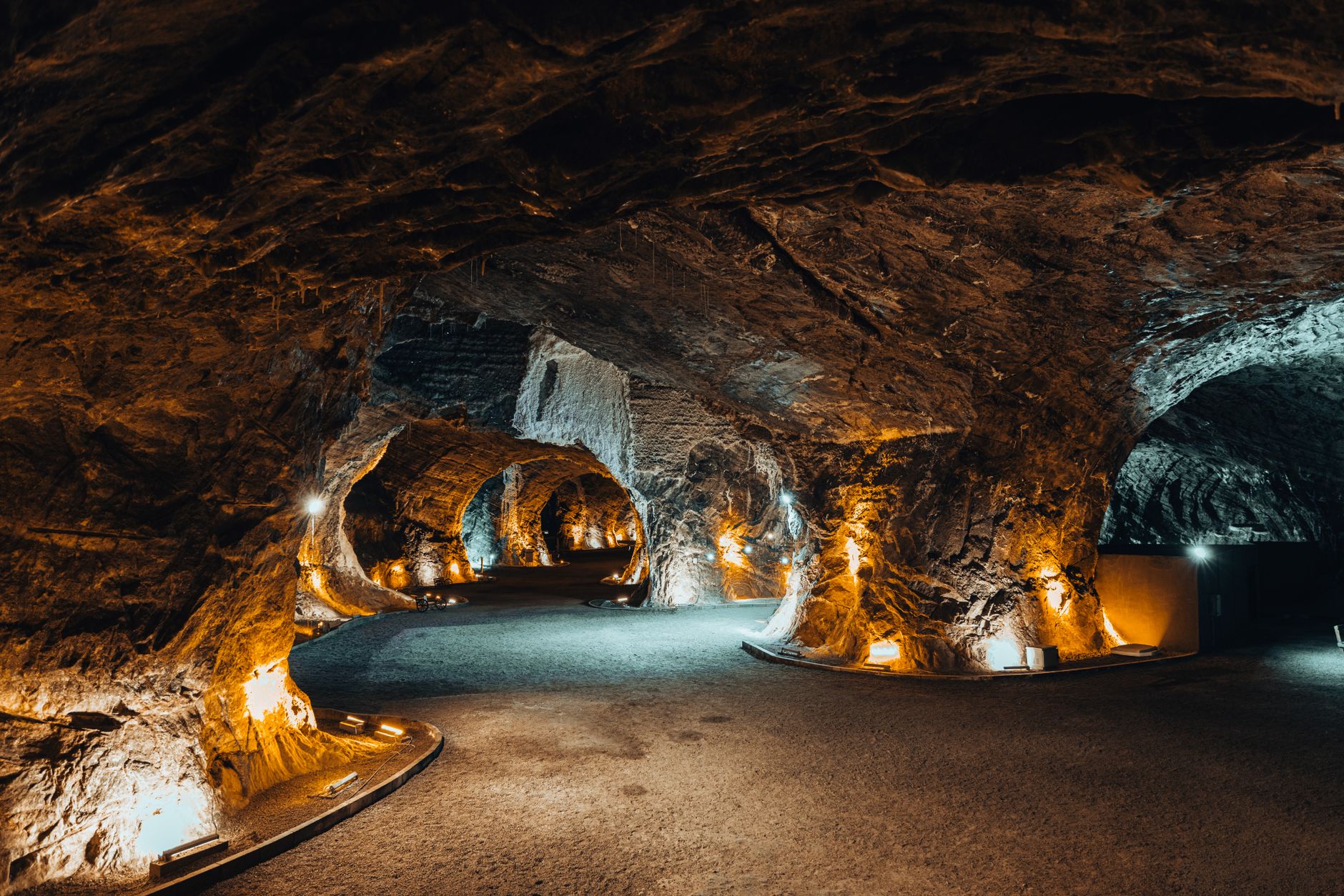
Let’s be honest. We’ve all been there. You scroll through your feed, planning your next big trip, and it’s a sea of perfectly posed selfies in front of the Eiffel Tower, the Colosseum, or a meticulously curated brunch. Don’t get me wrong, those spots are iconic for a reason! But after a while, you start to crave something… more. Something raw, authentic, a story that hasn't been filtered into oblivion.
I remember my own "aha!" moment. I was in Rome, feeling a bit jaded after navigating the throngs at the Trevi Fountain. My friend, a local, winked and said, "You want to see the real Rome? Come with me." We descended into a dimly lit, damp passageway beneath a seemingly ordinary church. Suddenly, the air grew thick with history, the scent of damp earth and ancient stone filling my lungs. We weren't just seeing history; we were walking through it, layer upon forgotten layer. It was messy, it was dark, it wasn't particularly "Instagrammable" in the traditional sense, but it was absolutely, profoundly unforgettable. And that, my fellow travelers, is the magic of the underground.
These aren't your average tourist traps. These are the secret tunnels, the hidden catacombs, the ancient cities buried beneath the very ground you walk on. They offer a perspective no selfie stick can capture, a story no filter can enhance. They're the places influencers often skip because they require effort, sometimes a bit of grit, and certainly don't guarantee that perfect golden hour shot. But for the adventurous, the curious, and those seeking genuine connection with a destination's past, these subterranean worlds are pure gold.
So, ditch the perfectly posed pictures for a moment, grab your comfortable shoes, and prepare to dive deep. Here are some of the most incredible secret tunnels beneath famous cities that Instagram influencers might not tell you about, but Tripsora certainly will.
1. Paris Catacombs: A Macabre Masterpiece Beneath the City of Lights
Ah, Paris. The city of romance, art, and… six million skeletons. While many flock to the Louvre or ascend the Eiffel Tower, a truly unique and haunting experience awaits beneath the bustling streets: the Catacombs. This vast underground ossuary holds the remains of countless Parisians, transferred here from overflowing cemeteries in the late 18th century.
My Experience:
The first time I queued for the Catacombs, I expected a spooky, somewhat ghoulish experience. What I found was something far more profound. Descending 131 steps into the cool, damp earth, the noise of Paris slowly faded away. The passages, meticulously lined with femurs and skulls, stretch for miles, forming intricate patterns. It's not just a pile of bones; it's a chilling, artistic testament to life and death, an eerie quietude broken only by the drip of water and the hushed whispers of fellow visitors. It makes you confront mortality in a way few other places can.
What You Need to Know:
* Location: 1 Avenue du Colonel Henri Rol-Tanguy, 75014 Paris.
* Access: The official Catacombs tour is a one-way, 1.5 km (0.9 miles) walk. There are also "unofficial" (and highly illegal and dangerous) sections, which you should absolutely not attempt to access. Stick to the official, safe route.
* Tickets & Prices: Booking online in advance is essential to avoid excruciatingly long queues. Tickets typically range from €29-€35, with various options for audio guides or guided tours.
* Why Influencers Skip It: It’s dark, it’s damp, and let's face it, it's a bit morbid. While you can take photos, the low light and solemn atmosphere don't lend themselves to bright, airy, "aspirational" content. It's an experience meant for reflection, not just aesthetic appeal.
* Tripsora Tip: Dress warmly, even in summer, as the temperature underground is consistently around 14°C (57°F). Wear comfortable, sturdy shoes. No restrooms are available once you enter, so plan accordingly!
2. Edinburgh Vaults: Whispers of a Dark Past
Edinburgh, with its dramatic castle and medieval Old Town, already feels steeped in history. But beneath the iconic South Bridge lies a network of dark, damp chambers known as the Edinburgh Vaults. Built in the late 18th century to house taverns and workshops, they soon became a haven for the city's poorest, criminals, and worse.
My Experience:
I joined a ghost tour of the Vaults one chilly evening, and it was less about jumpscares and more about the palpable atmosphere. Our guide, a master storyteller, painted vivid pictures of the hardship, crime, and alleged paranormal activity that once plagued these forgotten spaces. Standing in the pitch black, listening to tales of Burke and Hare, and imagining the desperate lives lived within those stone walls, sent shivers down my spine far more effectively than any staged "haunting." The air was thick with the stories of the past.
What You Need to Know:
* Location: Various access points beneath South Bridge, Edinburgh. Tours typically start from the Royal Mile.
* Access: The Vaults are only accessible via guided tours, many of which are ghost-themed (e.g., Mercat Tours, City of the Dead Tours).
* Tickets & Prices: Tours typically cost between £15-£25 and last around 1-1.5 hours. Booking in advance is recommended, especially during peak season.
* Why Influencers Skip It: It’s genuinely dark, often cold and damp, and not exactly "glamorous." The focus is on storytelling and atmosphere, which doesn't translate easily into a quick, pretty reel.
* Tripsora Tip: Choose a reputable tour company with good reviews. Prepare for cold and damp conditions year-round. If you're sensitive to confined spaces or intense historical narratives, be aware. Keep an open mind for unexplained phenomena!
3. Rome's Subterranean Layers: Unearthing Ancient Empires
Rome is a city built on layers, quite literally. Beneath the modern metropolis lies a sprawling network of ancient structures, from Roman roads and houses to Mithraic temples and early Christian basilicas. It's a journey through millennia of human history, often hidden beneath active churches or unassuming streets.
My Experience:
My first dive into Rome's underground was at the Basilica di San Clemente. From the vibrant 12th-century church on street level, we descended to a 4th-century basilica, then further down to a 2nd-century Roman house and a Mithraic temple, complete with its original altar. The sound of a subterranean stream, the shifting light, and the sheer scale of history stacked upon itself was breathtaking. It felt like a secret key unlocking the city's true depth. Later, I explored the "City of Water" (Vicus Caprarius), an ancient Roman apartment complex with a functioning aqueduct system, just steps from the Trevi Fountain but a world away from the crowds.
What You Need to Know:
* Locations:
* Basilica di San Clemente: Via Labicana, 95, 00184 Roma.
* Vicus Caprarius (City of Water): Vicolo del Puttarello, 25, 00187 Roma (near Trevi Fountain).
* Domus Aurea: Viale della Domus Aurea, 00184 Roma (Nero's Golden House, requires hard hat tour).
* Access: Most sites require guided tours or specific timed entries. Booking well in advance is crucial, especially for San Clemente and Domus Aurea.
* Tickets & Prices: San Clemente entry is around €10-€15 (plus a small fee for the underground section). Vicus Caprarius is around €4. Domus Aurea tours can be €15-€20.
* Why Influencers Skip It: These sites are often dimly lit, require extensive walking, and demand a genuine interest in history rather than just a pretty backdrop. The stories are complex, spanning centuries, and don't fit into a quick, digestible social media post.
* Tripsora Tip: Wear comfortable shoes and be prepared for stairs. Research each site beforehand to appreciate the incredible historical context. Many tours are in specific languages, so check when booking.
4. London's Hidden Depths: From Wartime Bunkers to Mail Trains
London, a city that constantly reinvents itself, also holds incredible secrets beneath its surface. Beyond the Tube, there are layers of military strategy and industrial ingenuity waiting to be discovered.
My Experience:
Exploring the Churchill War Rooms was like stepping back into 1940s wartime London. The bunker, preserved exactly as it was when Churchill and his cabinet strategized, is incredibly atmospheric. The map room, the Cabinet Room, Churchill’s bedroom – it's all there, an eerie silence now where momentous decisions were once made. Then, for a completely different vibe, I hopped on the Mail Rail at the Postal Museum. This miniature underground railway, once the secret artery of London's postal service, offers a quirky, fascinating ride through tunnels rarely seen by the public. It's a testament to human ingenuity and a delightful contrast to the solemnity of the War Rooms.
What You Need to Know:
* Churchill War Rooms:
* Location: Clive Steps, King Charles St, London SW1A 2AQ.
* Access: Part of the Imperial War Museums. Booking online well in advance is essential, as it's very popular.
* Tickets & Prices: Adult tickets are around £29.50.
* The Mail Rail at The Postal Museum:
* Location: 15-20 Phoenix Pl, London WC1X 0DA.
* Access: Ride the Mail Rail as part of your visit to The Postal Museum.
* Tickets & Prices: Adult tickets are around £16.50, including museum entry and Mail Rail ride.
* Why Influencers Skip It: The War Rooms are atmospheric but not "bright and airy." The Mail Rail is unique but a bit niche. Neither offers the typical "London glamour shot," but both provide incredibly rich, authentic experiences.
* Tripsora Tip: Allocate at least 2-3 hours for the Churchill War Rooms – there’s a lot to absorb. For the Mail Rail, embrace the novelty and enjoy learning about a unique piece of London's industrial history.
5. Cappadocia's Underground Cities: A World Beneath the Fairy Chimneys
While Cappadocia, Turkey, is famous for its surreal "fairy chimney" landscapes and hot air balloon rides, its most incredible wonders lie hidden beneath the surface. Ancient civilizations carved vast, multi-level underground cities into the soft volcanic rock, designed to shelter thousands of people for months at a time.
My Experience:
Descending into Derinkuyu, one of the largest underground cities, was mind-boggling. Imagine an entire self-sufficient city, stretching eight levels deep, complete with stables, churches, wineries, schools, and ventilation shafts. The narrow, sometimes claustrophobic passages opened into vast chambers, and I couldn't help but marvel at the ingenuity of people who carved this entire world by hand, without modern tools. It was a profound reminder of human resilience and adaptability.
What You Need to Know:
* Locations: Derinkuyu and Kaymakli are the two most popular and accessible underground cities. They are located a short drive from the main towns of Göreme and Ürgüp.
* Access: Can be visited independently, but a licensed guide is highly recommended to understand the history, purpose, and intricate layout of these cities.
* Tickets & Prices: Entry fees are around 60-70 Turkish Lira per person (approx. €2-€3), with guided tours costing extra (negotiable with local guides or included in package tours).
* Why Influencers Skip It: While visually striking in their scale, these cities are often dark, dusty, and require navigating tight spaces. They're not the vibrant, colorful backdrops that typically dominate Instagram feeds. The experience is more about immersion and historical wonder than photographic perfection.
* Tripsora Tip: If you're claustrophobic, be mindful, as some passages are very narrow and low. Wear comfortable, sturdy shoes. Consider hiring a private guide for a truly in-depth experience, as they can explain the intricate details and history.
6. Cu Chi Tunnels, Vietnam: A Testament to Resilience
Moving to a different continent and a more recent history, the Cu Chi Tunnels near Ho Chi Minh City offer a powerful and sobering glimpse into the Vietnam War. This vast network of underground passages was used by Viet Cong soldiers as hiding spots, supply routes, hospitals, and living quarters.
My Experience:
Visiting the Cu Chi Tunnels was a deeply humbling experience. Our guide explained the incredible ingenuity and hardship of the soldiers who lived and fought in these confined spaces. I even had the chance to crawl through a short, widened section of the tunnel (original sections are much, much smaller!). The heat, the darkness, and the sheer physical effort gave me a tiny, fleeting glimpse of the immense challenges faced by those who used them. It wasn't a "fun" experience, but it was profoundly educational and left a lasting impact.
What You Need to Know:
* Location: Approximately 70 km (43 miles) northwest of Ho Chi Minh City, Vietnam.
* Access: Best visited as part of an organized tour from Ho Chi Minh City, which typically includes transport and a guide.
* Tickets & Prices: A half-day tour from HCMC usually costs between $25-$50, including transport, guide, and entrance fees.
* Why Influencers Skip It: This is a serious historical site, not a lighthearted travel destination. The focus is on education and respect for history, not on creating aesthetically pleasing content. It's a powerful, sometimes uncomfortable, experience.
* Tripsora Tip: Wear light, comfortable clothing and sturdy shoes. Be prepared for heat and humidity. Listen respectfully to your guide. If you're claustrophobic, you can still visit the site and see the various traps and exhibits without entering the tunnels.
Beyond the Filter: Practical Tips for Your Underground Adventure
Ready to swap filtered skylines for authentic subterranean discoveries? Here are some actionable tips to make your underground explorations unforgettable:
- Book in Advance: Especially for popular sites like the Paris Catacombs or Rome's underground, tickets sell out fast. Don't leave it to chance.
- Comfort is Key: You'll be walking, climbing, and sometimes crawling in confined, often damp spaces. Wear comfortable, closed-toe shoes and layers of clothing.
- Mind Your Head (and Your Claustrophobia): Tunnels can be low and narrow. If you're severely claustrophobic, research the specific site carefully or consider if it's the right experience for you. Many sites have wider sections or alternatives.
- Embrace the Dark: Photography in low light can be challenging. Focus on the experience rather than getting the perfect shot. A good phone camera with night mode or a compact camera with a wide aperture will serve you better than a bulky DSLR.
- Hire a Guide: For places like Cappadocia or Rome's complex underground, a knowledgeable guide is invaluable. They bring the history to life and help you navigate.
- Respect the Space: These are often historical, sacred, or solemn sites. Be mindful of your noise levels and follow all rules.
- Stay Hydrated & Fueled: Most underground tours don't have facilities. Eat beforehand and bring water if allowed.
Why Go Underground? The Real Influencer Experience
In a world saturated with carefully curated feeds and travel itineraries designed for maximum likes, venturing underground offers something different. It’s about challenging your perceptions, connecting with history on a visceral level, and discovering stories that are often untold. It’s about authenticity, raw and unfiltered.
These secret tunnels and underground cities aren't just tourist attractions; they're portals to another time, offering profound insights into human ingenuity, resilience, and the sheer passage of time. They remind us that there's always more to a place than meets the eye – or the Instagram feed.
So, next time you're planning a trip, look beyond the surface. Dare to go deeper. You might just find the most incredible, share-worthy stories aren't the ones everyone else is posting, but the ones you discover for yourself, far beneath the bustling world above.
Which underground world will you explore first? Share your discoveries with #TripsoraUnderground and inspire others to dig deeper!