The Whisper of Steam: My Accidental Discovery of a Local Gem
I stepped off the rattling local train, the air thick with the scent of pine and something faintly mineral. It was a scent I’d come to associate with pure, unadulterated relaxation. My guide, a weathered man named Mateo whose smile crinkled the corners of his eyes, had promised me something “different.” He’d pointed to a barely-there track winding into the dense forest, a stark contrast to the manicured paths of the well-known spas just a few kilometers away. The only sound was the distant murmur of the river and the rustle of leaves underfoot. This wasn't just a place; it was a feeling, a secret held close by the earth itself.
The Allure of the Unseen: Why Local Secrets Trump Tourist Hotspots
We’ve all been there: packed into a geothermal pool, the air buzzing with selfie sticks and hurried conversations, the supposed tranquility shattered by the sheer volume of humanity. The magic, the soul of a thermal bath, is lost. But what if there were places where the steam rose untroubled, where the only soundtrack was the symphony of nature, and where the water’s warmth felt like a direct embrace from the earth, known only to those who live and breathe the surrounding landscape? These aren't just hot springs; they are sanctuaries, whispered about in hushed tones by locals who cherish their peace.
Unveiling Europe's Best-Kept Thermal Secrets
This isn't a list cobbled together from glossy brochures. This is a deep dive, a collection of thermal havens I’ve stumbled upon, been guided to, or painstakingly researched, focusing on places where authenticity reigns supreme. These are the spots that make you feel like you’ve found your own private slice of paradise.
1. The Enchanted Grottos of Slovenia: A Fairytale Escape
Nestled in the Julian Alps, far from the well-trodden paths of Bled, lies a series of thermal caves that feel plucked from a fantasy novel. I remember the first time I descended into one of these natural chambers. The air was humid, carrying the earthy aroma of damp rock and the subtle, sweet perfume of unseen wildflowers. Stalactites dripped with a rhythmic plink, echoing in the cavernous space, and the water, a perfect 38°C, glowed with an almost ethereal blue under the soft, natural light filtering from above.
- Pro-Tip: Look for the small, unmarked wooden door just past the old mill. It’s the only way in. Bring a waterproof headlamp for exploring the deeper grottoes.
- Insider Lingo: Locals call this place "Podzemno Kraljestvo" – the Underground Kingdom. They believe the mineral-rich water has healing properties for the skin.
Quick Facts: Grottoes of the Julian Alps
| Feature | Details |
| :--------------- | :----------------------------------------------- |
| Estimated Cost | €10-€15 (for local guide/access fee) |
| Best Time | Spring (April-May) for fewer crowds, lush surroundings |
| How to Get There | Fly into Ljubljana (LJU). Rent a car and drive approx. 1.5 hours towards the mountains. Ask locals for directions to the old mill. |
2. The Forgotten Springs of the Azores, Portugal: Volcanic Whispers
The Azores are a tapestry of raw, volcanic beauty, and their thermal secrets are just as dramatic. Forget the tourist-packed Furnas. Venture to the western side of São Miguel island, where I discovered a series of steaming pools cascading down a cliff face into the churning Atlantic. The air here is a bracing mix of salty sea spray and the distinct, sulphuric tang of geothermal activity. As I sank into the naturally heated water, the cool ocean breeze kissed my skin, a wild, invigorating contrast.
- Pro-Tip: The best pools are accessible only at low tide. Check the tide charts religiously! Wear sturdy water shoes as the rocks can be slippery.
- Insider Lingo: This spot is known locally as "Poças do Mar Secreto" – Secret Sea Pools. It’s a place for quiet contemplation and connecting with the raw power of nature.
Quick Facts: Poças do Mar Secreto, Azores
| Feature | Details |
| :--------------- | :----------------------------------------------- |
| Estimated Cost | Free (but transport to the island is the main cost) |
| Best Time | Summer (June-August) for calmer seas, but shoulder seasons offer solitude. |
| How to Get There | Fly into Ponta Delgada (PDL). Rent a car and drive west on São Miguel. Ask for directions to the village of Mosteiros, then look for the cliffside paths. |
3. The Alpine Oasis of Austria: A Hidden Valley's Embrace
Austria is renowned for its spa culture, but I found a truly secluded gem hidden in a remote valley in the Styrian region. It’s not marked on any tourist map. I was led there by a local farmer who swore by its restorative properties. Imagine a vast, natural pool, fed by a hot spring that bubbles up from the earth at a perfect 36°C, surrounded by towering, snow-capped peaks and meadows carpeted with wild gentians. The air is crisp, carrying the scent of alpine herbs and the distant chime of cowbells. It felt like stepping into a forgotten world.
- Pro-Tip: The best entrance is a narrow, almost invisible path behind the old stone church. Visit on a weekday morning for absolute solitude.
- Insider Lingo: The locals refer to it as "Die Quelle der Ruhe" – The Spring of Peace. They say the water tastes faintly of iron and has a unique, grounding effect.
Quick Facts: Die Quelle der Ruhe, Austria
| Feature | Details |
| :--------------- | :----------------------------------------------- |
| Estimated Cost | €5-€10 (small donation for upkeep, often collected discreetly) |
| Best Time | Late Spring (May-June) for wildflowers, or early Autumn (September) for crisp air and fewer visitors. |
| How to Get There | Fly into Graz (GRZ). Rent a car and drive south-east for approximately 2 hours. The exact location is best obtained from a local. |
4. The Desert Mirage of Morocco: An Oasis of Serenity
Morocco conjures images of bustling souks and vast deserts, but hidden within the arid landscapes are pockets of thermal magic. I found one such place, a natural hot spring known to the Berber people for centuries, located a challenging but rewarding trek from a small desert village. The contrast is breathtaking: the scorching desert heat outside, and the impossibly soothing, mineral-rich water, around 35°C, enveloping you. The only sounds are the gentle lapping of water and the distant cry of a desert bird. The air carries a subtle, earthy aroma, mingled with the faint scent of desert herbs.
- Pro-Tip: Hire a local guide from the nearest village; they know the safest routes and the exact location. Bring plenty of water and wear sun protection for the trek.
- Insider Lingo: This is known as "Ain El Hayat" – The Spring of Life. The locals believe the water purifies the body and spirit.
Quick Facts: Ain El Hayat, Morocco
| Feature | Details |
| :--------------- | :----------------------------------------------- |
| Estimated Cost | €20-€50 (for a guided trek, depending on length) |
| Best Time | Early Morning (sunrise) or Late Afternoon (sunset) to avoid the harshest desert heat. |
| How to Get There | Fly into Marrakech (RAK) or Ouarzazate (OZZ). Arrange transport to a desert village (e.g., Merzouga area, but further afield). Hire a local guide from there. |
5. The Volcanic Vents of Iceland: Beyond the Blue Lagoon
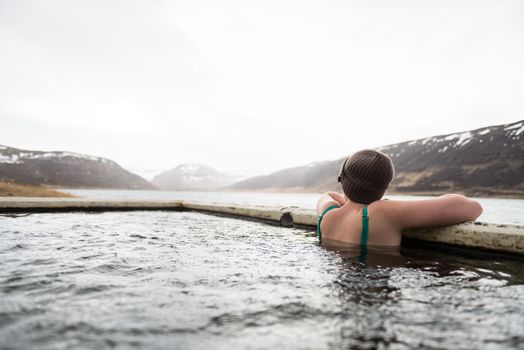
Everyone knows the Blue Lagoon, but Iceland’s geothermal heart beats in many more places. I discovered a series of natural, undeveloped hot pots hidden along the less-traveled Westfjords. Picture this: you hike for an hour through a dramatic, windswept landscape, and suddenly, you stumble upon a steaming pool overlooking a fjord where seals often play. The water is naturally heated to a perfect 39°C, and the air is clean and bracing, carrying the faint scent of sulfur and the salty tang of the sea. It’s raw, elemental, and utterly magical.
- Pro-Tip: Some pots are marked with cairns, others are known only to locals. Ask for directions in the nearest fishing village. Be prepared for unpredictable weather.
- Insider Lingo: These are often simply called "Hverir" (hot springs) or have very local, descriptive names like "Fjalls-laug" (Mountain Pool).
Quick Facts: Westfjords Hot Pots, Iceland
| Feature | Details |
| :--------------- | :----------------------------------------------- |
| Estimated Cost | Free (but car rental and accommodation in Iceland are significant costs) |
| Best Time | Summer (June-August) for longer daylight hours and easier access. Winter can be magical but requires serious preparation. |
| How to Get There | Fly into Reykjavík (KEF). Rent a 4x4 vehicle and drive towards the Westfjords (approx. 5-7 hours). Seek local advice for specific locations. |
The Art of Experiencing Secret Thermal Baths
Finding these places is only half the adventure. The true joy lies in the experience, in respecting the local custodians of these natural wonders. It’s about slow travel, about immersion, and about leaving no trace.
- Patience is a Virtue: These aren't drive-up destinations. They often require a hike, a local tip, or a bit of adventurous spirit.
- Respect the Locals: Always ask permission if you encounter anyone. A small gift or a sincere thank you goes a long way.
- Leave No Trace: Pack out everything you pack in. These places are pristine because they are cherished.
- Embrace the Quiet: This is your chance to disconnect. Put away the phone, breathe deeply, and let the water work its magic.
Beyond the Soak: Cultural Immersion and Local Flavors
The beauty of seeking out these secret spots is that they often lead you to the heart of local culture. You might find yourself sharing a simple meal with a family who guards the spring, or learning about ancient traditions tied to the water. In Slovenia, I was offered a hearty jota soup after my dip. In Morocco, the taste of sweet mint tea after the desert trek was divine. These experiences enrich the journey immeasurably.