The Hook: The Night I Found the City Beneath My Feet
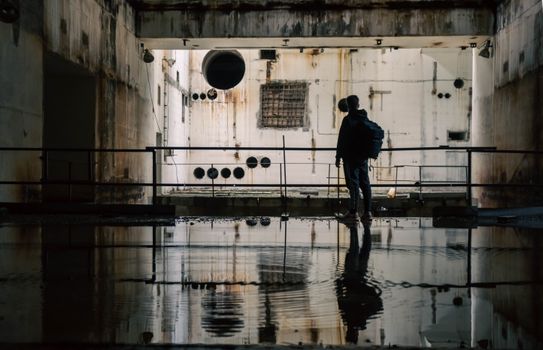
I slipped through the rusted chain-link gate behind the old rail yard, my boots crunching on dry sycamore leaves and shattered green glass. The ambient hum of the city—the screech of distant sirens and the low drone of highway traffic—faded, replaced by a heavy, cool silence that smelled of damp earth, calcified mortar, and oxidized iron.
With my headlamp cutting through the subterranean gloom, I looked up. Above me rose a vaulted ceiling of hand-laid red brick, constructed in 1888 and forgotten by municipal planners fifty years later. I wasn’t in some remote European ruin; I was precisely twenty feet beneath the intersection where I buy my morning macchiato.
This is the magic of urban exploration (urbex). It is the art of peeling back the mundane layers of our daily commutes to reveal the hidden, forgotten, and liminal spaces that exist just beyond the drywall of our everyday lives.
You do not need a passport to experience the thrill of discovery. The urban exploration adventures in your own city experts are recommending require only a shift in perspective, a keen eye for architectural anomalies, and a willingness to look where others look away. Here is how you can unlock the secret geography of your own hometown.
---
1. The Mindset Shift: How to See Your City Through an "Urbex" Lens
Most people walk through a city on a flat, two-dimensional plane. They look at eye level—focusing on storefronts, traffic lights, and pedestrian traffic. To find the hidden gems experts rave about, you must train your brain to think in three dimensions.
Decoding Architectural Clues
Every city is a living document, written in brick, concrete, and steel. When buildings are remodeled or streets are repaved, the past leaves scars. Look for:
* Ghost signs: Faded, hand-painted advertisements on brick walls that are now partially blocked by newer buildings.
* Brick-infilled windows: Archways on old brick buildings that have been filled with newer, mismatched masonry. These often indicate old alleyways or interior structural changes that left dead spaces behind them.
* Disused utility plates: Brass or iron plates on sidewalks marked with names of defunct telegraph, water, or electric companies. They are the trapdoors to the city's old nervous system.
The Art of the "No-Destination" Walk
To find the unusual, you must abandon efficiency. Dedicate one afternoon a week to what French philosophers called the dérive—a drift through the city guided entirely by intuition. If an alley looks narrow, dark, and slightly crooked, walk down it. If a staircase leads up a concrete retaining wall, climb it.
---
2. Subterranean Secrets: Navigating the Underworld
Every major metropolis sits on a labyrinth of forgotten infrastructure. From abandoned subway spurs and old utility conduits to vaulted storm drains built like Roman aqueducts, the underworld is the holy grail of local exploration.
```
+-------------------------------------------------------------+
| SUBTERRANEAN SAFETY |
| Never enter storm drains if rain is forecast within 50 miles. |
| Flash floods underground can occur in less than ten minutes. |
+-------------------------------------------------------------+
```
Historic Utility Tunnels and Crypts
Many older universities, hospitals, and municipal buildings are connected by steam tunnels built in the late 19th and early 20th centuries. While some are strictly off-limits, many historic societies and preservation groups offer legal, guided access to these spaces.
For example, London’s "Ghost Stations" tours or the subterranean cistern tours in cities like Istanbul and Seattle offer a legal, safe way to experience the damp, echoing thrill of the underground.
> Pro-Tip: To find these legal subterranean access points on your own, search your local library's digital archives using terms like "intercepting sewer," "abandoned transit spur," or "municipal vault." Cross-reference these old blueprints with modern GIS (Geographic Information Systems) maps to find where these structures intersect with public land.
---
3. Vertical Conquests: Scaling the Concrete Canopy
If the underworld offers mystery, the rooftops offer perspective. Scaling the heights of your city provides a view of the skyline that few ever see—a playground of water towers, gravel-strewn roofs, and Art Deco cornices.
Finding Publicly Accessible Rooftops
You do not need to scale cranes or dangle from ledges to get a spectacular high-altitude view. Look for:
* Multi-level parking garages: The top decks of municipal parking structures are almost always open to the public, cheap to access, and offer unobstructed views of surrounding architecture.
* POPS (Privately Owned Public Spaces): Many modern skyscrapers are legally required to provide public plazas, some of which are located on elevated terraces or mid-building sky lobbies. Look up your city’s POPS registry to find these hidden, high-altitude gardens.
The Golden Hour Vantage Point
The best time to access these vertical spaces is during the "blue hour"—the 30 minutes just after sunset. The city lights begin to flicker on, the sky turns a deep indigo, and the architectural geometry of the surrounding buildings stands out in sharp, clean silhouettes.
---
4. Industrial Archaeology: Repurposed Relics and Ghost Spaces
Before our cities were hubs of tech and finance, they were engines of manufacturing. The skeletal remains of this industrial past—grain silos, power stations, breweries, and rail yards—are monumentally beautiful spaces that tell the story of the working class.
Decaying Warehouses and Brutalist Monuments
Look for decommissioned industrial zones along waterfronts or active rail corridors. These structures are often characterized by massive steel trusses, rusted corrugated iron, and vast interior spaces where light streams through broken clerestory windows like sunbeams in a cathedral.
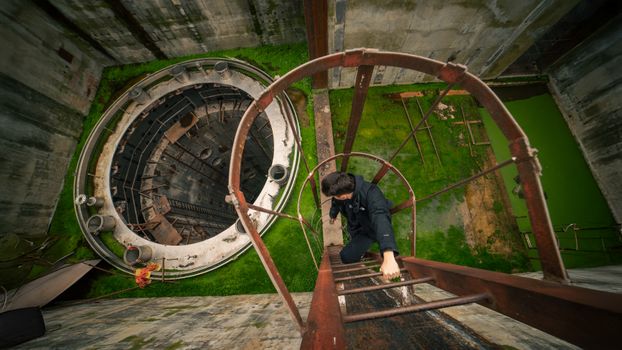
- Look for the patina: The orange rust of oxidized iron, the green moss growing on wet concrete, and the peeling layers of lead-free industrial paint create a rich visual texture that is a dream for photographers.
- Respect the structural limits: Industrial ruins are inherently unstable. Never step on wooden floors that show signs of water damage, and stay clear of old elevator shafts, which are often left uncovered.
> Pro-Tip: Look for the "Blue Door" entry. In many abandoned industrial complexes, the easiest, safest point of entry isn't a broken window, but an unlocked service door located near the loading docks or the boiler room. Always test doors gently before attempting more strenuous methods of entry.
---
5. The "Secret in Plain Sight": Hidden Courtyards and Cloisters
Sometimes, the most profound urban adventures don’t involve rust or decay. Instead, they involve finding quiet sanctuaries of peace and beauty tucked behind the roaring facades of busy avenues.
Finding Vestpocket Parks and Mews
In historic cities, look for narrow gaps between buildings that lead to interior courtyards. These spaces, originally designed for horse carriages or light wells, often contain:
* Forgotten stone fountains: Covered in ivy, dripping slowly with cool water.
* Historic cobblestones: Worn smooth by over a century of iron-shod wheels.
* Local micro-climates: Because these spaces are shielded from the wind and trap heat, they often host unique ferns, mosses, and wildflowers that don't grow anywhere else in the city.
---
6. Crucial Gear and Safety Protocols for Local Explorers
Urban exploration is an active sport. To do it safely and comfortably, you need the right gear. Forget the tactical camo; the goal is to look like you belong there—a utility worker, a photographer, or a curious local.
What's in My Pack
* The Light: A high-quality headlamp (at least 300 lumens) with a red-light mode to preserve night vision.
* The Footwear: Steel-shank, puncture-resistant boots. Rusty nails and broken glass are the most common hazards in abandoned spaces.
* The Mask: A particulate respirator mask (N95 or better). Old buildings are filled with airborne hazards like mold spores, dried pigeon droppings (which carry histoplasmosis), and friable asbestos.
* The Communication: A fully charged external battery pack. Subterranean spaces drain phone batteries quickly as they search for a signal.
The Golden Rules of Urbex Ethics
1. Take nothing but pictures, leave nothing but footprints. Do not spray paint, do not break windows to enter, and do not steal historical relics.
2. Never go alone. Always have at least one partner, and leave a detailed "flight plan" with a friend on the surface, letting them know exactly where you are going and when you expect to check back in.
3. If a door is locked, leave it locked. The difference between exploration and breaking-and-entering is often just a matter of force. If a space is tightly secured, appreciate it from the outside and move on.
---
7. Quick Facts: The Local Explorer’s Blueprint
| Metric | Details |
| :--- | :--- |
| Estimated Cost | $0 - $20 (mostly for parking, transit, or a legal tour ticket) |
| Best Time to Visit | Sunday mornings (minimal traffic/security) or Golden Hour |
| Physical Difficulty | Moderate (requires walking, climbing stairs, and occasional crouching) |
| How to Get There | Use local light rail or buses to reach the oldest municipal sectors |
| Essential App | Google Earth (3D view) & local property tax assessment maps |
---
The Takeaway: Your City is an Unfinished Novel
The next time you walk out your front door, don't just look at the pavement. Look up at the gargoyles clinging to the cornices of the 1920s bank building. Look down at the iron grating venting warm, sweet-smelling air from the depths of the earth.
Our cities are not static collections of concrete and glass; they are living, breathing, multi-layered mazes of history and human endeavor. The ultimate adventure isn't thousands of miles away. It is waiting for you just around the corner, behind that unmarked blue door, under the streetlights of your own hometown. Go find it.
---