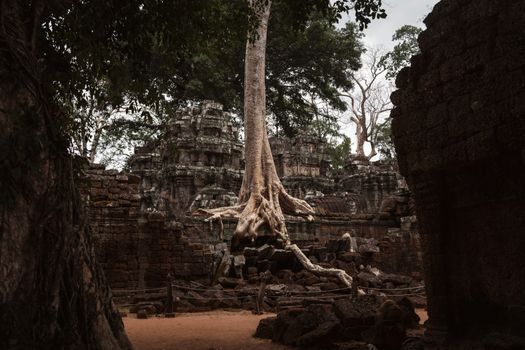
The humid air, thick with the scent of frangipani and damp earth, hit me the moment I stepped off the rattling local bus. The distant, rhythmic chanting of monks drifted on the breeze, a siren song promising something ancient and profound. I wasn't in Cambodia, and this wasn't Angkor Wat. I was somewhere else, somewhere quieter, somewhere that felt like stepping back in time, a feeling I hadn't experienced in years, not even at the iconic Angkor Wat.
Travel advisors, bless their well-meaning hearts, often paint a picture of Southeast Asia's ancient wonders with a very broad brush. Angkor Wat is, undeniably, a marvel. But for those of us who crave the thrill of discovery, the whisper of forgotten empires, and architecture that makes your soul sing without the selfie-stick symphony, there are other temples. Temples that are, dare I say it, more impressive. They possess a raw, untamed beauty, a palpable history that seeps from every stone, and a profound sense of peace that's often lost in the throngs.
Beyond the Familiar: Unveiling Southeast Asia's Secret Temple Treasures
For too long, Angkor Wat has been the undisputed king of Southeast Asian temple tourism. While its grandeur is undeniable, the sheer volume of visitors can dilute the experience. But what if I told you there are other ancient civilizations, equally magnificent, whose masterpieces remain largely undiscovered? These are the places where history breathes, where the stones tell tales of forgotten kings, and where you can truly connect with the spirit of the past.
1. Borobudur, Indonesia: A Mandala of Enlightenment
Forget crowded temple complexes; Borobudur is a colossal, three-dimensional mandala, a Buddhist monument built in the 9th century that offers a journey of spiritual ascent. As I climbed its tiered levels, each adorned with intricate relief carvings depicting Buddhist teachings and Jataka tales, I felt a profound sense of peace. Unlike the sprawling ruins of Angkor, Borobudur is a singular, monumental structure that commands your absolute attention.
The Architecture:
Imagine a colossal pyramid made of volcanic stone, rising from the lush Javanese landscape. Each of the nine stacked platforms represents a stage of enlightenment, culminating in the central stupa. The sheer scale is breathtaking, and the meticulous detail in the hundreds of Buddha statues and narrative panels is astonishing.
Pro-Tip:
Visit for sunrise. Watching the first rays of light paint the sky behind the silhouette of Borobudur, with mist clinging to the surrounding volcanoes, is a spiritual experience that rivals any sunrise at Angkor. The air is cool, the crowds are minimal, and the silence is profound.
Authenticity:
The carvings aren't just decorative; they are a visual narrative, a story etched in stone. I spent hours tracing the lines of a panel depicting the life of Buddha, feeling a connection to the artisans who poured their devotion into every chisel stroke centuries ago.
2. Prambanan, Indonesia: A Symphony in Stone to Hindu Gods
Just a stone's throw from Borobudur lies Prambanan, a 9th-century Hindu temple complex dedicated to the Trimurti: Brahma, Vishnu, and Shiva. While Borobudur is a serene journey inward, Prambanan is a vibrant explosion of devotion outward. The towering spires, reaching towards the heavens, are an architectural marvel that truly makes you feel small in the face of divine power.
The Architecture:
The central compound features three main temples, each dedicated to one of the gods, surrounded by smaller shrines. The sheer height of the main Shiva temple is awe-inspiring, and the intricate carvings depicting the Ramayana epic are some of the finest in Southeast Asia. The stone itself seems to vibrate with ancient energy.
Pro-Tip:
Explore the outer courtyards as the sun begins to set. The warm glow on the stone illuminates the intricate details, and the shadows dance, bringing the epic tales carved into the walls to life. It's incredibly romantic and historically rich.
Authenticity:
The sheer density of the carvings is staggering. You can spend days deciphering the stories of gods and demons, heroes and battles. The local guides, often descendants of those who once tended these temples, can bring these narratives to life with passionate storytelling.
3. Shwedagon Pagoda, Myanmar: A Golden Beacon of Devotion
While not ancient in the same vein as Angkor, the Shwedagon Pagoda in Yangon is a spiritual powerhouse that demands a visit. It’s not just a temple; it’s a living, breathing monument to Buddhist devotion, constantly being renovated and adorned with gold leaf by pilgrims. The sheer opulence and the palpable spiritual energy are unlike anything I've encountered.
The Architecture:
The central stupa, covered in hundreds of kilograms of gold, gleams under the Burmese sun. Surrounding it are countless smaller temples, shrines, and pavilions, each with its own unique charm and history. The intricate mosaics and glittering jewels are a feast for the eyes.
Pro-Tip:
Visit at dusk. As the sun dips below the horizon, the pagoda lights up, creating a truly magical spectacle. The atmosphere becomes even more reverent as locals gather to pray and make offerings.
Authenticity:
The air is thick with the scent of incense and the murmur of prayers. It's a place of deep personal devotion, and witnessing this firsthand is incredibly moving. You'll see people from all walks of life engaging in heartfelt worship.
4. Ellora Caves, India: A Subterranean Masterpiece of Faith
Venturing slightly outside the typical Southeast Asian circuit, but absolutely worth the detour, are the Ellora Caves in Maharashtra, India. This UNESCO World Heritage site is a testament to religious harmony, featuring 34 caves carved directly into a basalt cliff face, representing Buddhism, Hinduism, and Jainism. The sheer audacity of carving an entire temple complex out of solid rock is mind-boggling.
The Architecture:
The absolute showstopper is Cave 16, the Kailasa Temple, dedicated to Shiva. It's not carved from the rock; it's carved down into it, a monolithic structure created by excavating from the top down. The scale and detail are simply unbelievable, a true marvel of ancient engineering and artistry.
Pro-Tip:
Hire a local guide. The sheer complexity of the site and the stories behind each cave are best explained by someone who knows the history intimately. They can also point out hidden details you might otherwise miss.
Authenticity:
The feeling of stepping into a vast, sculpted underground world is profound. Each cave is a sanctuary, and the different architectural styles reflect the religious traditions they represent, showcasing a remarkable period of interfaith coexistence.
5. Bagan, Myanmar: A Plain of a Thousand Temples
While Angkor Wat is a single, magnificent complex, Bagan is an entire plain dotted with thousands of ancient temples, pagodas, and stupas. The sheer density of these structures, built between the 9th and 13th centuries, is what makes Bagan so unique. It feels like a lost city, a vast archaeological wonderland waiting to be explored.
The Architecture:
From towering, grand temples like Ananda to smaller, more intimate brick structures, Bagan offers an incredible variety. Many of the temples feature stunning murals and intricate stucco work, hinting at their former glory. The sheer number of structures is overwhelming in the best possible way.
Pro-Tip:
Rent an e-bike and explore the dusty paths at your own pace. Discover hidden temples tucked away from the main tourist routes. Climbing some of the older, permitted temples for sunset offers panoramic views of the entire plain – a truly unforgettable sight.
Authenticity:
The silence in many of these smaller temples is profound. You can stand alone, surrounded by centuries of history, listening to the wind whisper through the ancient stones. It’s an immersive experience that connects you directly to the past.
The Logistics of Leaving the Tourist Trail
Stepping off the well-trodden path doesn't mean sacrificing comfort or adventure. It simply means a more rewarding, authentic experience.
Quick Facts: Beyond Angkor
| Destination | Estimated Cost ($) | Best Time to Visit | How to Get There |
| :------------------ | :----------------- | :----------------- | :------------------------------------------------- |
| Borobudur | $50 - $150/day | April - October | Fly into Yogyakarta (JOG), then taxi/private driver |
| Prambanan | $50 - $150/day | April - October | Fly into Yogyakarta (JOG), then taxi/bus |
| Shwedagon Pagoda| $30 - $80/day | November - February| Fly into Yangon (RGN), then taxi |
| Ellora Caves | $40 - $100/day | October - March | Fly into Aurangabad (IXU), then taxi/bus |
| Bagan | $60 - $180/day | November - February| Fly into Nyaung U (NYU), then e-bike/taxi |
Note: Costs are estimates per person per day, excluding international flights. They cover accommodation, food, local transport, and entrance fees.
Insider Tip:
For destinations like Borobudur and Prambanan, consider hiring a private driver for the day. It’s surprisingly affordable when split among a small group and allows you to maximize your time and visit other nearby attractions.
Why These Temples Whisper Louder
These aren't just beautiful ruins; they are places where you can feel the pulse of history. The scent of jasmine from a nearby village, the distant call of a street vendor, the cool stone beneath your fingertips – these sensory details create an immersive experience that Angkor, for all its glory, sometimes struggles to provide due to its sheer popularity.
The intricate details of a Javanese relief, the golden shimmer of a Burmese pagoda at sunset, the sheer audacity of a rock-cut temple in India – these are the moments that stay with you. They are reminders that the world is vast, full of wonders, and that sometimes, the most impressive discoveries are the ones your travel advisor didn't tell you about. So, pack your bags, embrace the spirit of adventure, and go find your own hidden temple. The world is waiting.