Voluntourism That Actually Helps: My Journey Beyond the Tourist Trail
I stepped off the rickety bus, the scent of roasting corn and diesel fumes hitting me first. Then, the symphony: the distant crowing of roosters, the cheerful chatter of children playing in the dust, and the rhythmic thump-thump-thump of someone pounding grain. This wasn't the manicured resort experience; this was real life, raw and vibrant, in a small village I’d only seen on a faded map. My mission? To find voluntourism that didn't just feel good, but did good.
For years, I’d heard the whispers, seen the glossy brochures. Voluntourism. The idea of combining travel with making a difference is intoxicating. But the reality? Often, it's a tangled mess of good intentions gone awry, well-meaning volunteers inadvertently creating dependency, or worse, organizations with more profit motive than altruistic purpose. I was determined to find the exceptions, the places where my hands, my skills, and my presence could genuinely contribute to a community's growth, not just tick a box on a resume.
This isn't about judgment; it's about informed action. It's about understanding that true impact comes from collaboration, respect, and a deep understanding of local needs. So, I embarked on a quest, talking to locals, researching organizations, and yes, even making a few missteps myself. What I found are places and projects that are quietly, effectively, and beautifully making a difference.
H2: The Echo Chamber of Good Intentions: Why So Much Voluntourism Misses the Mark
Before we dive into the gems, let's acknowledge the elephant in the room. Many voluntourism programs, despite their noble aims, fall short. Why?
- Lack of Skill Assessment: Volunteers are often placed in roles they're unqualified for, leading to frustration and minimal actual contribution. Think a lawyer teaching kindergarten math.
- Dependency Creation: Projects that rely heavily on foreign volunteers can stifle local initiative and create an expectation of external help, hindering long-term sustainability.
- Cultural Insensitivity: A lack of understanding of local customs, traditions, and social structures can lead to unintentional offense or disruption.
- "Savior" Complex: The underlying narrative can sometimes be one of "fixing" a community, rather than partnering with it. This disempowers the very people you aim to help.
- Profit Over Purpose: Some organizations are more focused on marketing and volunteer fees than on the actual needs of the community.
Pro-Tip:
Always ask about the organization's long-term strategy and how local community members are involved in decision-making.
H2: Beyond the Brochure: Identifying Truly Impactful Projects
So, how do you sift through the noise? It's about looking for specific indicators of genuine impact and ethical practice.
H3: Community-Led Initiatives: The Cornerstone of Sustainable Change
The most effective voluntourism projects are those born from within the community. They address identified needs and are driven by local leaders. This means the project’s success isn't dependent on foreign volunteers showing up, but rather, volunteers are there to support and enhance existing efforts.
- Look for: Projects where local community members are in leadership roles, where the initiative has a clear origin story rooted in local problem-solving, and where volunteers are seen as collaborators, not saviors.
- Insider Language: You'll hear terms like "capacity building," "empowerment," and "self-sufficiency" used consistently, not as buzzwords, but as guiding principles.
H3: Skill-Based Volunteering: Matching Your Talents to Real Needs
Instead of a general "help out at an orphanage" model, the most impactful programs seek volunteers with specific skills. Whether you're a teacher, a doctor, an engineer, a marketer, or a skilled artisan, there are communities that can benefit from your expertise.
- Example: A rural clinic in Nepal desperately needs a nurse for three months to train local health workers. A marketing expert can help a women's cooperative in Peru develop an online presence to sell their crafts.
- Pro-Tip: Be honest about your skill level. It's better to offer a foundational skill you're proficient in than to overstate your abilities.
H3: Cultural Exchange, Not Just Service: The Power of Reciprocity
The best voluntourism fosters genuine cultural exchange. This means volunteers are as much learners as they are givers. It’s about sharing knowledge, traditions, and perspectives in a way that enriches everyone involved.
- What to look for: Programs that offer language classes, cultural workshops, opportunities to participate in local festivals, and meals with host families.
- My Experience: In a small village in Guatemala, I spent evenings learning traditional weaving techniques from the elder women. They, in turn, were fascinated by my smartphone and the world it represented. It was a beautiful exchange, far richer than just laying bricks.
H2: Destinations Where Your Time Truly Matters: My Top Picks
After countless hours of research and on-the-ground exploration, these are the places and types of projects that consistently stand out for their commitment to ethical and impactful voluntourism.
H3: Project 1: Empowering Artisans in the Andes, Peru
- The Vibe: Imagine the crisp mountain air, the vibrant colors of hand-woven textiles, and the rhythmic clatter of looms. This isn't just about buying souvenirs; it's about supporting generations of craftsmanship and providing economic independence for women.
- The Impact: Organizations here partner with local weaving cooperatives, helping them with fair trade practices, marketing, quality control, and even financial literacy. Volunteers with business, design, or marketing backgrounds are invaluable. Even those with strong organizational skills can help streamline operations.
- Authenticity: You'll learn the intricate patterns of the alpaca wool textiles, understand the symbolism woven into each design, and taste traditional Andean dishes prepared with love. The "secret entrance" to the cooperative’s workshop is a small, unassuming adobe door painted a bright cerulean blue, often overlooked by casual tourists.
- Quick Facts:
- Estimated Cost ($): $500 - $1200 per week (includes accommodation, meals, and program fees that directly support the community).
- Best Time to Visit: May to September (dry season).
- How to Get There: Fly into Cusco (CUZ), then take a scenic bus or private transfer to the Sacred Valley region.
H3: Project 2: Sustainable Agriculture & Education in Rural Cambodia
- The Vibe: The humid air hums with insect life. The scent of fertile soil and blooming jasmine fills the air. Here, the focus is on building resilience through sustainable farming practices and providing accessible education to children.
- The Impact: Volunteers work alongside local farmers to implement organic farming techniques, improve irrigation, and teach sustainable land management. In the education sphere, volunteers with teaching experience or those who can assist with curriculum development are needed to support local educators. The goal is to create self-sufficient food sources and improve educational outcomes.
- Authenticity: You'll learn to cultivate rice paddies, understand the nuances of tropical permaculture, and share stories with children over games of "sepak takraw." The local market, best experienced at 6 AM to witness the true hustle, is a kaleidoscope of exotic fruits and pungent spices you won't find anywhere else.
- Quick Facts:
- Estimated Cost ($): $400 - $900 per week (covers homestay, meals, and project resources).
- Best Time to Visit: November to April (dry season).
- How to Get There: Fly into Phnom Penh (PNH) or Siem Reap (REP), then take a bus or minivan to the chosen rural province.
H3: Project 3: Marine Conservation & Community Engagement in Costa Rica
- The Vibe: The salty spray of the Pacific Ocean, the call of howler monkeys in the distance, and the vibrant green of the rainforest meeting the turquoise sea. This is a place where conservation efforts directly benefit local livelihoods.
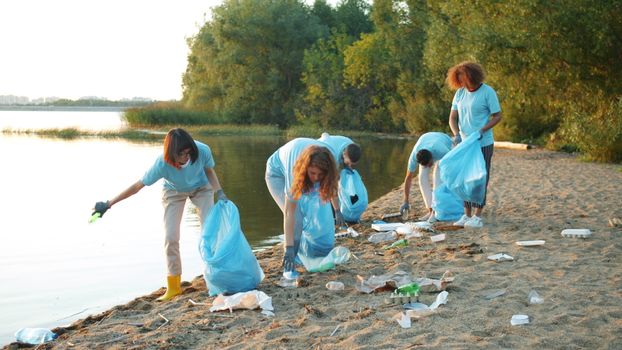
- The Impact: Organizations focus on protecting endangered sea turtle populations, restoring coral reefs, and promoting eco-tourism that directly funds conservation. Volunteers can assist with data collection, beach clean-ups, community outreach, and educating local children about marine life.
- Authenticity: You’ll learn about the delicate balance of the coastal ecosystem, understand the challenges of protecting marine biodiversity, and perhaps even witness the magical sight of sea turtles nesting or hatching. The "hidden entrance" to the research station is a narrow, overgrown path behind a brightly painted mural of a sloth.
- Quick Facts:
- Estimated Cost ($): $600 - $1300 per week (includes basic accommodation, meals, and program contributions).
- Best Time to Visit: December to April (dry season) for turtle nesting, though marine life is abundant year-round.
- How to Get There: Fly into San José (SJO) or Liberia (LIR), then take a bus or shuttle to the Pacific coast.
H2: The "How-To" of Making a Real Difference: Your Action Plan
Ready to embark on your impactful voluntourism journey? Here’s how to approach it with intention and integrity.
H3: Step 1: Define Your "Why" and Your "What"
- Why are you doing this? Is it to gain experience, to give back, to learn a new skill, or to immerse yourself in a culture?
- What skills can you offer? Be realistic. Don't volunteer as a doctor if you're not a licensed physician. Consider your hobbies and passions too – can you teach art, music, or sports?
H3: Step 2: Research, Research, Research!
- Look for established organizations: Seek out those with clear mission statements, transparent financials, and a strong track record.
- Read reviews and testimonials: Pay attention to feedback from both volunteers and, crucially, the local community members if available.
- Ask tough questions:
- "How are local community members involved in the planning and execution of this project?"
- "What is the long-term sustainability plan for this initiative beyond volunteer involvement?"
- "What percentage of my fees directly supports the community and the project?"
- "What training and support will I receive before and during my placement?"
H3: Step 3: Prepare for Cultural Immersion
- Learn basic phrases: Even a few words in the local language can go a long way.
- Read up on the culture: Understand social etiquette, customs, and potential cultural sensitivities.
- Pack accordingly: Be mindful of local dress codes.
H3: Step 4: Embrace the Experience with Humility and Openness
- Be adaptable: Things may not always go according to plan.
- Listen more than you speak: Learn from the people you are there to help.
- Be present: Put down your phone and connect with the people and the environment around you.
H2: The Lasting Ripple Effect: Beyond Your Trip
Voluntourism, when done right, is not just about a few weeks of your time; it’s about creating a lasting positive ripple effect. It's about forging connections that transcend borders, empowering communities to thrive, and enriching your own life in ways you never imagined.
The scent of roasting corn, the laughter of children, the feeling of sand between my toes on a protected beach – these are the sensory memories that stay with me. They are reminders of a journey taken with purpose, a commitment to making a difference, and the profound beauty of truly connecting with the world. Go forth, travel with intention, and discover the voluntourism that actually helps.
---