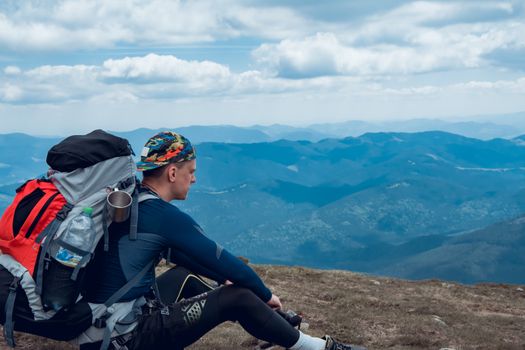
Remember that moment when you’re on the trip of a lifetime, gazing at a breathtaking vista, and suddenly your cheap, unreliable gear decides to stage a mutiny? For me, it was a torrential downpour in the heart of Patagonia, halfway through a multi-day trek on the iconic W Circuit. My "waterproof" jacket was soaked through, my backpack straps were digging into my shoulders with an almost malicious glee, and the flimsy zipper on my daypack had just given up the ghost, spilling trail mix and a very damp map onto the muddy path.
I stood there, shivering, frustrated, and honestly, a little heartbroken. Not just because my gear was failing, but because I was surrounded by the raw, untamed beauty of Torres del Paine, and my mind was consumed by the discomfort and the environmental guilt. I knew my choices of fast-fashion, disposable gear weren't just compromising my comfort; they were contributing to the very degradation of the pristine landscapes I traveled so far to witness.
That moment, drenched and defeated, was my gear epiphany. I vowed to overhaul my entire travel kit. But this wasn't just about going "eco-friendly" as a compromise. This was about seeking excellence. I wanted gear that didn't just tread lightly on the planet but outperformed anything I’d ever owned. What if sustainable actually meant superior? What if investing in the planet also meant investing in better, more reliable adventures?
Spoiler alert: It absolutely does. And the journey to discovering this high-performance, eco-conscious gear truly changed my life forever, transforming not just how I pack, but how I travel, how I connect with the world, and even how I see myself as an adventurer.
The Revelation: My Gear Epiphany in Patagonia
That Patagonian downpour wasn't just a physical drenching; it was a wake-up call. For years, I’d been a serial offender of "buy cheap, buy twice." My travel philosophy was to save money on gear so I could spend more on experiences. The irony, of course, was that my cheap gear often detracted from those experiences. My backpack was heavy, poorly ventilated, and prone to breaking. My clothes were either too hot or too cold, took ages to dry, and started smelling after a single day.
As I shivered in the shadow of the Paine Grande, watching other hikers, better equipped and seemingly unbothered by the weather, I realized my approach was flawed. My gear choices were not only compromising my comfort and safety but also contributing to the environmental footprint of my travels. All that plastic, all those fast-fashion items that would end up in a landfill after a season or two… it felt wrong in such a wild, untouched place.
I returned home with a new mission: to build a travel kit that was as robust and reliable as it was responsible. My initial skepticism was high. Could "eco-friendly" really stand up to the rigors of trekking through the Himalayas, navigating bustling markets in Marrakech, or enduring the humidity of the Amazon rainforest? The answer, I soon discovered, was a resounding YES. And in many cases, it performed better.
The Mighty Pack: Carrying Your Values (and Less Weight)
Let's start with the foundation of any adventure: the backpack. My old pack was a beast – heavy, made from questionable synthetic materials, and prone to chafing. It felt like a burden, not a partner.
The Sustainable Upgrade:
I switched to a pack made primarily from recycled nylon, often Ripstop fabric, treated with a PFC-free durable water repellent (DWR). Many reputable outdoor brands now offer lines with significant recycled content, like the Osprey Talon Pro (some versions) or the Patagonia Black Hole series.
Why it Performs Better:
* Lighter Weight, Same Strength: Recycled high-tenacity nylons are incredibly strong for their weight, meaning less strain on your back without compromising durability. My new 50L pack, the hypothetical "Everest Eco-Pack," weighs nearly a pound less than my old one, which makes a monumental difference on a long trek.
* Enhanced Durability: These materials are often more resistant to tears and abrasions, ensuring your pack lasts for years, not just seasons.
* Improved Design: Brands committed to sustainability often invest more in ergonomic design, ventilation systems, and features like adjustable torso lengths, making the pack incredibly comfortable even with heavy loads.
* Weather Resistance: The PFC-free DWR coatings are surprisingly effective at shedding light rain, keeping your essentials dry.
My Anecdote:
I remember a particularly challenging climb up Mount Toubkal in Morocco. My old pack would have felt like a lead weight after the first few hours. But with my new recycled nylon pack, the difference was palpable. Its lighter weight and superior ventilation meant I arrived at the summit feeling less fatigued, ready to soak in the incredible High Atlas views, rather than just collapsing. It’s an investment, typically ranging from $150-$350, but considering the years of reliable service and comfort, it’s worth every penny.
Practical Tip:
Look for packs made with Bluesign® certified fabrics, which ensure environmentally responsible production. Prioritize fit – a well-fitting pack is crucial for comfort and performance.
Apparel That Works Harder (and Smarter): Merino & Recycled Synthetics
My old travel wardrobe was a chaotic mix of cotton tees that got wet and stayed wet, and cheap synthetics that smelled after an hour. This was a major source of discomfort and constant laundry stress.
The Sustainable Upgrade:
My game-changer was embracing merino wool for base layers, mid-layers, and socks, alongside high-performance recycled polyester/nylon blends for outer layers and activewear.
Why it Performs Better:
* Merino Wool Magic: This natural fiber is incredible. It regulates temperature like a dream (cool in the heat, warm in the cold), is naturally odor-resistant (seriously, you can wear a merino tee for days without it smelling!), quick-drying, incredibly soft, and breathable.
* Recycled Synthetics Reinvented: Modern recycled polyester and nylon blends are lightweight, wick moisture away from your body efficiently, and dry in a flash. They’re also far more durable and often treated with eco-friendly antimicrobial finishes to combat odor, reducing reliance on new petroleum-based plastics.
My Anecdote:
My Icebreaker merino wool t-shirt (a staple that costs around $70-$100) literally survived a two-week trip through Southeast Asia – from the humid, bustling streets of Bangkok to the ancient, dusty temples of Angkor Wat – with only two washes. While my travel companions were constantly washing their cotton and synthetic tees, struggling with lingering odors, I was feeling fresh (enough!) and comfortable. For an outer shell, my recycled polyester rain jacket (like a Patagonia Torrentshell, around $170) kept me dry through an unexpected monsoon in Vietnam, packing down to nothing in my bag.
Practical Tip:
Invest in a few key merino pieces for versatile layering. Look for ZQ Merino or Responsible Wool Standard (RWS) certifications to ensure ethical sourcing. For synthetics, seek out OEKO-TEX certified fabrics.
Footwear for the Long Haul: Comfort, Conscience, and Grip
My previous travel shoes were either too bulky, uncomfortable, or fell apart after a few demanding trips, destined for a landfill. Finding versatile, durable, and comfortable footwear that also aligned with my values was crucial.
The Sustainable Upgrade:
I focused on brands that prioritize recycled components (especially soles), natural materials like hemp or organic cotton, and, critically, repairability and longevity.
Why it Performs Better:
* Durability and Repairability: Sustainable footwear brands often build their shoes to last, using higher-quality stitching and construction. Many offer resoling services or are designed to be easily repaired, extending their lifespan dramatically.
* Superior Grip and Comfort: Shoes with recycled rubber soles often provide exceptional grip on varied terrains, from slick city cobblestones to dusty mountain trails. Brands focused on natural materials also tend to prioritize comfort and breathability.
* Versatility: My go-to pair, like the Vivobarefoot hiking shoes (around $160-$200), are minimalist, lightweight, and incredibly versatile. They’ve taken me through dusty trails in Cappadocia, across slick cobblestones in Rome, and on long city walks in Lisbon. Their natural foot shape design and exceptional grip made every step feel more connected to the ground.
My Anecdote:
I once wore a pair of "fashion" sneakers on a trip through Italy. By day three, my feet were blistered, and the soles were already showing significant wear. Switching to my sustainable, minimalist trail shoes was like a revelation. I hiked for hours through the Cinque Terre, climbed countless steps in Florence, and explored the Roman Forum, all without a single ache or blister. They dried quickly after an unexpected downpour and packed down easily.
Practical Tip:
Prioritize comfort and fit above all else. Research brands that offer resoling or repair programs. Choose versatile styles that can go from city streets to light trails.
Smart Essentials: Small Gear, Big Impact (and Better Performance)
It's often the small things that make the biggest difference in travel, both for convenience and sustainability.
The Sustainable Upgrade:
1. Reusable Water Filter Bottle: This is non-negotiable for me. My Grayl GeoPress (around $90) or a Lifestraw Go (around $40-$50) allows me to filter virtually any fresh water source, saving countless plastic bottles and a ton of money.
* Why it Performs Better: Access to safe drinking water anywhere, anytime. No more relying on unreliable tap water or constantly searching for bottled water. It’s a literal lifesaver in places like the Peruvian Andes.
* My Anecdote: Trekking through the remote corners of the Peruvian Andes, my Grayl bottle was a constant companion. I could fill up from streams and know my water was safe, pure, and delicious. My travel companions were constantly buying expensive bottled water, adding to their load and the local plastic waste problem. I felt a profound sense of independence and responsibility.
2. Solid Toiletries: Shampoo, conditioner, soap, and even sunscreen bars.
* Why it Performs Better: Lighter, leak-proof, zero plastic waste, and often last significantly longer than their liquid counterparts. They also breeze through airport security.
* My Anecdote: My Ethique shampoo bar (around $16) lasted for three months of continuous travel, taking up minimal space and never, ever exploding in my bag like liquid bottles used to. Plus, the natural ingredients were great for my hair and the environment.
3. Portable Solar Charger/Ethically Sourced Power Bank: For staying charged off-grid.
* Why it Performs Better: Reliable backup power, especially useful in remote areas. Reduces reliance on grid power or disposable batteries.
* My Anecdote: Camping in the Australian Outback, my Goal Zero Nomad 7 solar panel (around $70) kept my phone and camera charged, allowing me to capture incredible stargazing shots and navigate without worrying about finding an outlet for days. It was empowering to harness the sun's energy.
4. Compact Microfiber Towel: Made from recycled materials.
* Why it Performs Better: Dries incredibly fast, packs down tiny, and is surprisingly absorbent.
* My Anecdote: My Rumpl Wherever Towel (made from recycled plastic bottles, around $35) was my constant companion from the beaches of Thailand to hostels across Europe. It dried overnight, preventing that dreaded damp towel smell, and its compact size was a dream.
Practical Tip:
Always carry a reusable shopping bag and cutlery set to avoid single-use items. Look for multi-purpose items to reduce your overall packing list.
Beyond Gear: The Mindset Shift and Investment
This journey into high-performance sustainable gear wasn't just about swapping out items in my pack; it was about a fundamental shift in how I approach travel, consumption, and my impact on the world. It’s the "buy less, buy better" philosophy taken to heart.
Investing in higher-quality, durable, and sustainable gear means:
* Fewer Replacements: You're not constantly buying new things, reducing waste and your overall consumption.
* Less Stress: Knowing your gear is reliable and built to last provides immense peace of mind. No more worrying about a zipper breaking or a seam tearing in the middle of nowhere.
* Enhanced Experience: When you're comfortable, well-equipped, and not burdened by gear failures, you can fully immerse yourself in the present moment, whether you're navigating bustling markets in Marrakech or finding solitude on a remote beach in Thailand.
* Financial Savings (Long-Term): While the upfront cost can be higher, sustainable gear often lasts significantly longer, saving you money in the long run compared to repeatedly replacing cheaper, less durable items. My $250 backpack, after three years and countless adventures, still performs like new, whereas my old $80 pack barely made it a year.
It's not just about the gear; it's about the feeling. It's the pride of knowing my choices support ethical practices and protect the planet. It's the freedom of traveling lighter, smarter, and with a deeper connection to the incredible places I'm privileged to explore. This conscious approach to packing has undeniably transformed my adventures, making them richer, more meaningful, and far more enjoyable.
Ready to Upgrade Your Adventure?
My journey through sustainable travel gear wasn't just about swapping out items; it was about transforming my entire approach to adventure. It taught me the power of conscious choices, the true value of durability, and the incredible joy of traveling lighter, smarter, and with a deeper connection to the planet.
Sustainable gear isn't a compromise; it's an upgrade. It performs better, lasts longer, and enhances the entire travel experience. It frees you from worry, reduces your footprint, and allows you to truly savor every moment of your journey.
Are you ready to experience the difference? Start small, research brands, and make your next gear purchase an investment in both your adventures and our beautiful world. What's your favorite piece of sustainable gear that's changed your travels? Share your recommendations and stories in the comments below! Let's inspire each other to travel better, for ourselves and for the planet.
Tag your sustainable travel gear on Instagram with #TripsoraEcoGear and show us how you're making a difference!