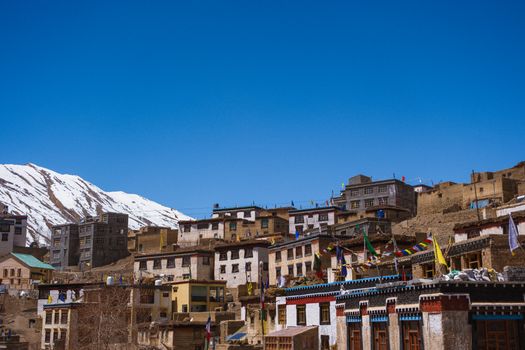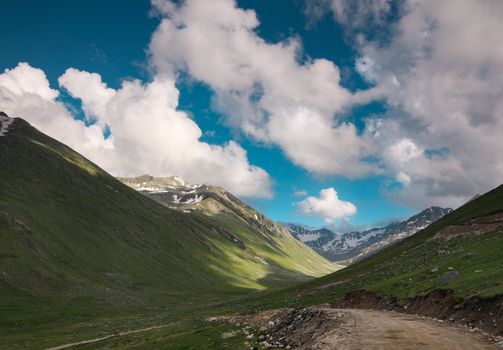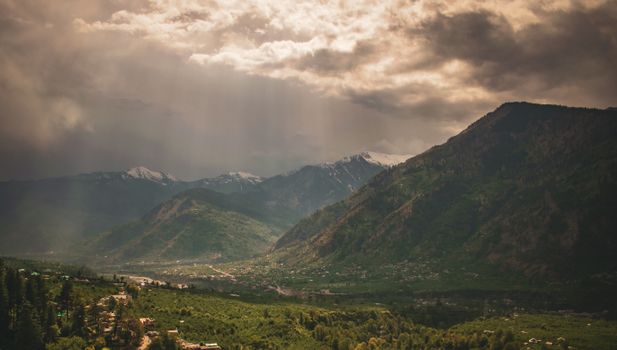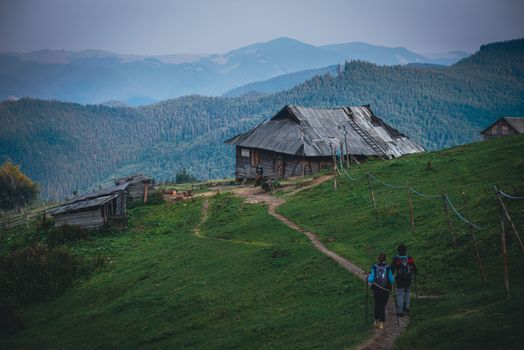
The year was 2018. I stood on a ridge in the Swiss Alps, the air crisp, the views undeniably spectacular. Below me, a serpentine queue of hikers snaked up the path, a steady stream of brightly colored jackets and clicking trekking poles. Don’t get me wrong, it was beautiful, but a little piece of my adventurous spirit felt… deflated. That day, I vowed to seek out the wilder, quieter corners of the world’s mountains, places where the only crowds you’d encounter were a herd of grazing sheep or a soaring eagle.
Fast forward to today, and that quest has led me to some truly extraordinary places – destinations that offer the breathtaking beauty, challenging trails, and profound cultural immersion of the world’s most famous ranges, but without the Instagram-fueled frenzy (yet!). If you’re like me, yearning for a summer escape that feels authentic, adventurous, and gloriously uncrowded, you’re in the right place.
This isn’t just about avoiding people; it’s about discovering places where local traditions thrive, where the silence of the peaks is truly golden, and where your dollar stretches further. These are the mountain destinations on the cusp, the ones you’ll want to visit now before the secret gets out. Pack your bags, lace up your boots, and get ready to redefine your summer mountain adventure.
The Allure of the Untrodden Path: Why Go Before Mainstream?
There’s a unique thrill in visiting a place just as it’s beginning to emerge on the global travel radar. It’s a delicate balance – enough infrastructure to make travel comfortable, but not so much that it loses its soul. The benefits are manifold:
- Authenticity: You’ll experience local life and culture in a purer form, interacting with communities eager to share their heritage.
- Lower Costs: Generally, less-visited destinations mean more affordable accommodation, food, and activities. Your travel budget stretches significantly further.
- Pristine Nature: Fewer visitors mean less environmental impact (though we must always practice Leave No Trace principles!), and more chances to witness wildlife in its natural habitat.
- Sense of Discovery: There’s an unparalleled satisfaction in exploring trails and villages that aren't yet dominated by gift shops and fast-food chains.
- Bragging Rights (Let’s Be Honest!): Be the one who says, "Oh, I was there before it became popular."
So, where should you set your sights for this summer? Here are my top picks for mountain escapes that are ripe for discovery.
1. Svaneti, Georgia: Where Ancient Towers Guard Pristine Peaks
Imagine a land where medieval stone towers pierce the sky, guarding ancient villages nestled beneath colossal, snow-capped peaks. That’s Svaneti, a remote historical province in the northwest of Georgia, and it's nothing short of magical. The region, particularly the UNESCO-listed village of Ushguli (Europe's highest permanently inhabited settlement), feels like stepping back in time.
Why it's a gem:
The Svan people have a fiercely independent culture, unique language, and a history steeped in legend. Their defensive stone towers, built between the 9th and 13th centuries, are iconic. The trekking here is phenomenal, ranging from day hikes to multi-day traverses between villages.
My Experience:
My first glimpse of Mestia, Svaneti’s main town, with its dozens of Svan towers silhouetted against the backdrop of the Caucasus, took my breath away. But it was the trek from Mestia to Ushguli that truly captured my heart. Over four days, I hiked through alpine meadows bursting with wildflowers, crossed glacial rivers, and spent nights in cozy guesthouses where families shared homemade wine and khachapuri (cheese bread) with me. The hospitality was overwhelming, and the views of Mount Shkhara, Georgia's highest peak, were simply majestic.
Practical Tips:
* Getting There: Fly into Kutaisi (KUT) or Tbilisi (TBS), then take a marshrutka (minibus) or shared taxi to Mestia. The drive is long but scenic.
* Accommodation: Guesthouses are abundant and offer a fantastic cultural immersion. Expect to pay around $30-50 per night, often including breakfast and dinner.
* Activities: Hike the Mestia-Ushguli trail (4-5 days), explore the Svan towers, visit the Svaneti Museum of History and Ethnography, or take a day trip to Koruldi Lakes for panoramic views.
* Best Time: June to September for hiking.
* Budget: Very affordable. Expect to spend $40-70 per day for food, accommodation, and transport if you're hiking independently.
2. Julian Alps, Slovenia: Emerald Rivers and Alpine Serenity
Slovenia is a small country with an oversized natural beauty, and its Julian Alps are the crown jewel. While Lake Bled draws the crowds, venture deeper into Triglav National Park, and you’ll find a pristine wilderness of emerald rivers, towering limestone peaks, and charming alpine villages that feel wonderfully untouched.
Why it's a gem:
Home to Mount Triglav, Slovenia’s highest peak, this region offers everything from gentle lakeside strolls around Lake Bohinj to challenging multi-day treks. The Soca River, with its impossibly vibrant turquoise waters, is a playground for outdoor enthusiasts.
My Experience:
I remember kayaking down the Soca River, the water so clear I could see every pebble on the bottom. The air was cool, scented with pine, and the only sounds were the dip of my paddle and the rustle of leaves. It was pure bliss. Later, a hike through the Seven Lakes Valley revealed a chain of glacial lakes, each a different shade of blue and green, nestled in a dramatic karst landscape. Slovenia perfectly blends adventure with accessibility, making it ideal for those who want a taste of the wild without going completely off-grid.
Practical Tips:
* Getting There: Fly into Ljubljana (LJU). Renting a car offers the most flexibility for exploring Triglav National Park. Public buses also connect major towns.
* Accommodation: Options range from charming guesthouses in villages like Kranjska Gora or Bohinj to mountain huts (koča) for trekkers. Glamping is also popular near Lake Bled/Bohinj. Expect $60-120 per night.
* Activities: Hiking (Seven Lakes Valley, Triglav summit), white-water rafting and canyoning on the Soca River, cycling, exploring Vintgar Gorge, visiting Lake Bohinj.
* Best Time: July to September for hiking and water sports.
* Budget: Mid-range European. $70-120 per day.
3. Rila & Pirin Mountains, Bulgaria: Monasteries and Mystical Lakes
Often overshadowed by Western Europe's more famous ranges, Bulgaria's Rila and Pirin Mountains offer raw, rugged beauty, glacial lakes, and a rich cultural heritage at incredibly affordable prices. These ranges are home to some of the Balkans' most spectacular scenery.
Why it's a gem:
The Rila Mountains boast the iconic Seven Rila Lakes, a stunning chain of glacial lakes each named for its distinctive shape or characteristic. The Pirin Mountains, a UNESCO World Heritage site, offer dramatic, jagged peaks and an abundance of wildlife. Both ranges are dotted with charming mountain huts and offer extensive, well-marked trails. Plus, the Rila Monastery, a breathtaking Eastern Orthodox monastery, adds a spiritual and historical dimension to your trip.
My Experience:
The hike to the Seven Rila Lakes was a highlight. Starting from the chairlift, the trail gradually revealed each lake, shimmering in the sun like scattered jewels. The sense of peace and the vastness of the landscape were truly restorative. But it was the Rila Monastery, with its vibrant frescoes and serene courtyards, that left an indelible mark. Visiting it felt like stepping into another era, a profound cultural experience nestled deep within the mountains.
Practical Tips:
* Getting There: Fly into Sofia (SOF). You can take a bus to Sapareva Banya (for Rila Lakes) or Bansko (for Pirin). Renting a car provides more flexibility.
* Accommodation: Mountain huts are very basic but incredibly affordable (around $10-20 per night). Guesthouses and hotels in nearby towns like Bansko or Borovets offer more comfort (around $40-80 per night).
* Activities: Hike the Seven Rila Lakes, summit Musala (highest peak in the Balkans) in Rila, trek to Vihren Peak in Pirin, visit Rila Monastery.
* Best Time: Mid-June to September.
* Budget: Very affordable. Expect to spend $30-60 per day.
4. Apuseni Mountains, Romania: Caves, Karst, and Rural Authenticity
While Romania’s Bucegi and Fagaras mountains get more attention, the Apuseni Mountains in Transylvania offer a different kind of charm: a landscape of dramatic karst formations, vast cave systems, traditional wooden villages, and a slower pace of life. This is a region where time seems to have stood still, and the locals welcome visitors with genuine warmth.
Why it's a gem:
The Apuseni are a paradise for spelunkers and hikers alike. With hundreds of caves, including the impressive Scarisoara Ice Cave (home to one of the largest underground glaciers in Europe) and Bear's Cave (with prehistoric bear skeletons), there’s a unique underground world to explore. Above ground, rolling hills, deep gorges, and traditional farming communities provide a picturesque backdrop for hiking and cultural immersion.
My Experience:
I rented a car and spent a week winding through the Apuseni, staying in family-run guesthouses. One evening, after a day exploring a smaller, lesser-known cave with a local guide who spoke only Romanian (we communicated with gestures and shared laughter), I sat on a porch watching a farmer herd his cows down the village path, the air thick with the smell of woodsmoke. It was an unfiltered, authentic experience that reminded me why I seek out these hidden corners. The traditional mămăligă (polenta) with cheese and sour cream was heavenly!
Practical Tips:
* Getting There: Fly into Cluj-Napoca (CLJ) or Oradea (OMR). A rental car is highly recommended for exploring this region.
* Accommodation: Guesthouses (pensiune) in villages like Garda de Sus or Arieseni offer excellent value and local hospitality. Expect $30-60 per night.
* Activities: Explore Scarisoara Ice Cave and Bear's Cave, hike through Padis Plateau, visit traditional villages, try local crafts, go rafting on the Aries River.
* Best Time: May to October.
* Budget: Very affordable. Expect to spend $35-65 per day.
5. Hunza Valley, Pakistan: Where Mountains Meet Miracles
For the truly adventurous seeking an experience that feels utterly unique and profoundly beautiful, the Hunza Valley in northern Pakistan is a destination that will leave an indelible mark. Nestled in the Karakoram mountain range, often referred to as a "heaven on Earth," it's a place of ancient forts, terraced fields, and some of the most awe-inspiring mountain vistas you'll ever witness.
Why it's a gem:
The Hunza Valley is flanked by giants like Rakaposhi (7,788m) and Ultar Sar (7,388m). The local Hunzakut people are renowned for their hospitality, unique culture, and surprisingly vibrant apricot orchards. It's a place of incredible peace and stunning natural drama, far removed from the typical tourist trail.
My Experience:
The journey to Hunza itself is an adventure along the Karakoram Highway, a feat of engineering winding through epic landscapes. Arriving in Karimabad, the main town, and seeing the ancient Baltit Fort perched precariously on a ridge with Rakaposhi dominating the skyline, was a moment of pure awe. I spent days hiking to various viewpoints, sharing tea with locals, and gazing at the impossibly blue waters of Attabad Lake. The scale of the mountains here is humbling, and the warmth of the people is truly heartwarming. It felt like discovering a secret world.
Practical Tips:
* Getting There: Fly into Islamabad (ISB), then take a domestic flight to Gilgit (GIL) or a multi-day bus journey along the Karakoram Highway. From Gilgit, shared jeeps or taxis go to Karimabad.
* Accommodation: Guesthouses and hotels in Karimabad are comfortable and budget-friendly, ranging from $20-50 per night.
* Activities: Visit Baltit and Altit Forts, explore Attabad Lake (boat rides available), hike to Passu Cones viewpoint, trek to Patundas meadow, enjoy local Hunza cuisine (especially apricot products!).
* Best Time: May to October, with July-August being peak summer.
* Budget: Very affordable once you're there, but international flights and internal transport can add up. Expect $30-60 per day for local expenses.
* Safety/Visa: Check current travel advisories and visa requirements well in advance. Pakistan has a robust tourism infrastructure in the north, but it's always wise to be informed.
6. High Tatras, Poland/Slovakia: A Central European Alpine Wonderland
While parts of the High Tatras, particularly around Zakopane in Poland, are well-known domestically, they still offer a distinctly different and often less crowded experience than their Western European counterparts. The Tatras are the highest range in the Carpathian Mountains, boasting dramatic, jagged peaks, glacial lakes, and rich biodiversity.
Why it's a gem:
The Tatras offer well-maintained trails for all levels, from easy strolls around lakes to challenging climbs. The Polish side (Zakopane) is more developed, while the Slovak side (High Tatras National Park) feels wilder and offers stunning views of peaks like Lomnický štít. Both sides provide charming mountain huts and a unique Central European alpine culture.
My Experience:
My trip to the Polish Tatras started in Zakopane, which, admittedly, was bustling. But a short bus ride took me to the trailheads, and soon I was immersed in the quiet grandeur of the mountains. The hike to Morskie Oko (Eye of the Sea) lake, surrounded by towering peaks, was unforgettable. But it was a less-trodden path on the Slovak side, leading to a hidden waterfall, where I truly felt the Tatras' wild heart. The smell of pine, the sound of rushing water, and the sheer scale of the mountains felt incredibly invigorating.
Practical Tips:
* Getting There: Fly into Krakow (KRK) for the Polish side, or Poprad-Tatry (TAT) for the Slovak side. Buses and trains connect cities to the mountain towns.
* Accommodation: Zakopane offers plenty of hotels and guesthouses (around $50-100). On the Slovak side, resorts like Štrbské Pleso or Tatranská Lomnica offer options, plus numerous mountain huts (chata) for trekkers ($20-40).
* Activities: Hike to Morskie Oko, climb Rysy (Poland's highest peak), explore Kasprowy Wierch (cable car access), trek in the Slovak Paradise National Park (nearby), visit thermal baths.
* Best Time: June to September for hiking.
* Budget: Mid-range. Expect $60-100 per day.
Your Summer Escape Toolkit: Practical Advice for Off-Grid Peaks
Embarking on an adventure to these emerging mountain destinations requires a bit more planning than a typical resort holiday, but the rewards are immeasurable.
- Gear Up Smart:
- Layers are Key: Mountain weather is unpredictable. Pack moisture-wicking base layers, a warm fleece or down jacket, and a waterproof/windproof outer shell.
- Sturdy Footwear: Invest in good quality, broken-in hiking boots with ankle support.
- Navigation: A physical map and compass are crucial, even if you rely on GPS apps. Download offline maps!
- First Aid Kit: Always carry a basic kit with blister treatment, pain relievers, and any personal medications.
- Water Filtration: A water filter or purification tablets can be invaluable for refilling from streams.
- Safety First, Always:
- Inform Someone: Let a local guesthouse owner or family/friends know your hiking plans and expected return time.
- Weather Watch: Check forecasts diligently. Mountain weather can change rapidly.
- Know Your Limits: Don't attempt trails beyond your fitness or experience level.
- Travel Insurance: Absolutely essential for any international adventure.
- Embrace Local Culture & Be Respectful:
- Learn Basic Phrases: "Hello," "thank you," and "please" in the local language go a long way.
- Dress Modestly: Especially when visiting religious sites or conservative rural areas.
- Support Local: Choose local guesthouses, eat at family-run restaurants, and buy local crafts.
- Leave No Trace: Pack out everything you pack in. Stick to marked trails. Protect the pristine environments you've traveled so far to see.
- Booking & Flexibility:
- Flights: Book international flights in advance for better deals.
- Accommodation: While some places might allow walk-ins, booking guesthouses a few days ahead, especially in peak summer, is wise.
- Be Flexible: Things might not always go exactly as planned – embrace the adventure!
The Call of the Wild Awaits!
The well-trodden paths are wonderful, but there's a unique magic in discovering a place before the guidebooks highlight every corner, before the tour buses roll in, and before the authentic charm begins to fade. These mountain destinations offer a chance to reconnect with nature, challenge yourself, and immerse in cultures that are still wonderfully distinct.
This summer, don't just travel; discover. Don't just hike; explore. Take that leap, venture beyond the mainstream, and find your own slice of mountain paradise. Which hidden peak will you conquer?
Share your dream mountain escape in the comments below! And don't forget to tag #TripsoraAdventures and #HiddenMountainGems on your social media posts when you embark on your own pre-mainstream journey!