Summer's Secret Sanctuaries: Unveiling 7 Mind-Blowing Destinations Far From the Crowds
The scent of sunscreen, the distant murmur of waves, and the promise of endless sunshine – summer travel. Ah, blissful, right? Well, for many of us, it often translates into crowded beaches, overpriced cafes, and the constant battle for a decent photo without a hundred strangers photobombing your perfect shot. I remember one disastrous trip to a 'secluded' European beach town that felt more like a sardine can than a serene escape. That's when I swore to myself: never again.
Since then, I’ve dedicated my travels to uncovering those magical spots that remain blissfully off the mainstream radar, even during peak season. The kind of places where local smiles are genuine, nature remains untamed, and your biggest decision is whether to swim in the azure waters or hike to that breathtaking viewpoint. If you, like me, yearn for a summer that’s less about dodging selfie sticks and more about soaking in authentic beauty, then prepare to have your mind blown. I’m about to share my top 7 secret sanctuaries for an unforgettable summer, sans the crowds.
1. The Undiscovered Riviera: Albania’s Ionian Coast
Forget the packed beaches of Italy and Greece; Albania is the Mediterranean's best-kept secret, and its Ionian Coast is a revelation. I first stumbled upon Sarandë years ago, expecting a sleepy fishing village, and found a vibrant, emerging Riviera. But the real magic lies beyond the main towns.
Why it blows your mind:
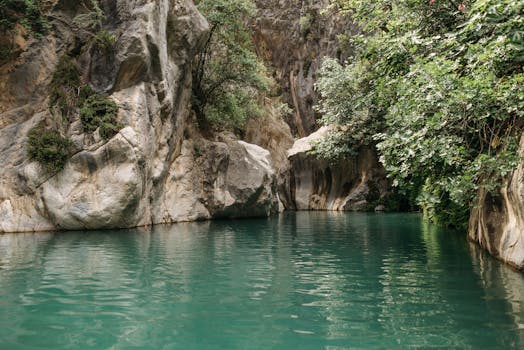
Imagine emerald waters rivaling the Caribbean, dramatic cliffs plunging into the sea, and ancient ruins whispering tales of empires past – all without the throngs of tourists. Places like Dhërmi, Himarë, and Ksamil (especially if you visit in early June or late September) offer pristine beaches, charming guesthouses, and a genuine, welcoming vibe. My personal favorite is Gjipe Beach, a true hidden gem accessible by a scenic hike or a local boat taxi. The feeling of swimming in its crystal-clear waters, surrounded by towering canyon walls, is pure freedom.
What to do:
* Beach hop: Explore secluded coves like Gjipe, Livadhi, and Porto Palermo. Rent a small boat for a day of pure exploration.
* Explore ancient history: Visit the UNESCO World Heritage site of Butrint, an archaeological marvel spanning Greek, Roman, and Ottoman eras. It’s stunning and surprisingly uncrowded.
* Hike the Llogara Pass: Enjoy panoramic views of the Albanian Riviera.
* Taste local flavors: Indulge in fresh seafood, delicious olive oil, and strong Albanian coffee. A seafood platter for two with wine can cost as little as €30-40.
Practical Tips:
Fly into Corfu (Greece) and take a short ferry to Sarandë, or fly directly to Tirana and drive south. Renting a car offers the most flexibility for exploring the coast. Accommodation ranges from budget-friendly guesthouses (€30-50/night) to charming boutique hotels (€70-120/night). Embrace the slow pace and friendly locals.
Instagram-worthy moment:
A drone shot over Gjipe Beach, revealing its hidden canyon entrance, or a sunset toast overlooking the Ionian Sea from a cliffside restaurant in Dhërmi.
2. Land of Fire and Ice (and Fewer Tourists): The Faroe Islands
If your idea of a perfect summer involves crisp air, dramatic landscapes, and a profound sense of solitude, then the Faroe Islands are calling. This self-governing archipelago in the North Atlantic, part of the Kingdom of Denmark, is a photographer's dream and a hiker's paradise.
Why it blows your mind:
Forget tropical heat; here, you’ll find emerald green mountains, cascading waterfalls, grass-roofed houses, and a coastline so rugged it feels like the edge of the world. While Iceland has seen a massive boom in tourism, the Faroes remain wonderfully understated. You can hike for hours without seeing another soul, just puffins, sheep, and the raw power of nature. I remember standing by the Múlafossur waterfall, watching it plunge directly into the ocean, and feeling utterly insignificant and utterly alive.
What to do:
* Hike to iconic viewpoints: The hike to Drangarnir sea stacks or the Kallur Lighthouse on Kalsoy island are unforgettable.
* Explore charming villages: Visit Gasadalur, Saksun, and Tjørnuvík for their picturesque settings and turf-roofed houses.
* Birdwatching: The islands are a haven for seabirds, especially puffins (May-August). Take a boat trip to Mykines.
* Road trip: Rent a car and drive through incredible tunnels and over scenic passes, stopping at will for photos.
Practical Tips:
Fly directly to Vágar Airport (FAE). Renting a car is essential for exploring. Weather can change rapidly, even in summer, so pack layers, waterproof gear, and sturdy hiking boots. Accommodation can be pricier (€100-200/night for guesthouses/hotels) due to limited options, but self-catering cottages are available. Meals can be around €20-40 per person. Book well in advance, especially for Mykines tours.
Instagram-worthy moment:
The iconic Drangarnir sea stack framed by dramatic clouds, or a selfie with the adorable puffins on Mykines.
3. Slovenia’s Alpine Gem: Lake Bohinj & Triglav National Park
Everyone knows Lake Bled, right? Its iconic island church is plastered all over postcards. But just a short drive away lies its quieter, wilder, and arguably more beautiful sister: Lake Bohinj, nestled deep within Triglav National Park.
Why it blows your mind:
While Bled bustles, Bohinj offers pristine serenity. It's larger, less developed, and surrounded by the towering Julian Alps. This is where Slovenians go to escape. I spent a week here, hiking through alpine meadows, swimming in the impossibly clear lake, and listening to the cowbells echo across the valleys. It felt like stepping into a fairytale, minus the crowds.
What to do:
* Hike to Savica Waterfall: A stunning waterfall, the source of Lake Bohinj.
* Explore the lake: Rent a kayak or paddleboard, swim in its refreshing waters, or take a scenic boat ride.
* Hike in Triglav National Park: Countless trails for all levels, from easy strolls to challenging ascents of Mount Triglav itself. The Seven Lakes Valley is a multi-day trek for the adventurous.
* Visit Vogel Ski Resort (in summer): Take the cable car up for breathtaking panoramic views of the lake and mountains.
* Canyoning or rafting: For an adrenaline rush on the nearby Soča River.
Practical Tips:
Fly into Ljubljana (LJU) and take a bus or rent a car for the easy 1-hour drive. Accommodation around Bohinj is typically guesthouses, apartments, or campsites (€60-150/night for a double). Food is hearty and affordable, with traditional Slovenian meals costing €15-25 per person. The Bohinj Card offers discounts on activities and transport.
Instagram-worthy moment:
A sunrise shot over Lake Bohinj, with the Julian Alps reflected perfectly in its glassy surface, or a panoramic selfie from the Vogel cable car.
4. Montenegro’s Mountain Majesty: Durmitor National Park
Montenegro’s Bay of Kotor is undeniably beautiful, but it can get incredibly busy in summer. For a completely different, crowd-free experience, head north to the rugged heart of the country: Durmitor National Park.
Why it blows your mind:
This UNESCO World Heritage site is a land of dramatic limestone peaks, glacial lakes (known as "mountain eyes"), and Europe's deepest canyon – the Tara River Canyon. It's an outdoor adventurer's paradise, offering a stark contrast to the coastal glamour. My first glimpse of the Black Lake, with its dark, mysterious waters reflecting the surrounding peaks, left me speechless. The air is crisp, the silence is profound, and the scenery is simply epic.
What to do:
* Hike around Black Lake (Crno Jezero): An easy, incredibly scenic walk.
* Raft the Tara River Canyon: Experience thrilling rapids through one of the world's deepest canyons. Half-day trips cost around €50-80.
* Hike to Bobotov Kuk: The highest peak in Durmitor (and Montenegro) offers a challenging but rewarding climb with unparalleled views.
* Visit the Đurđevića Tara Bridge: A spectacular bridge spanning the canyon, where you can also zipline across!
* Explore Žabljak: The main town in the park, offering guesthouses, restaurants, and tour operators.
Practical Tips:
Fly into Podgorica (TGD) or Tivat (TIV) and rent a car for the scenic 2-3 hour drive. Buses are also available but less flexible. Accommodation in Žabljak includes cozy guesthouses and apartments (€40-80/night). Food is hearty mountain fare – think grilled meats and stews – for €10-20 per meal. Even in summer, evenings can be cool, so pack layers.
Instagram-worthy moment:
A wide-angle shot of the Tara River Canyon from the Đurđevića Tara Bridge, or a serene reflection of the peaks in the Black Lake.
5. Georgia’s High Caucasus Wonderland: Svaneti Region
For the truly adventurous soul seeking ancient culture amidst breathtaking mountains, the Svaneti region in Georgia is an unparalleled summer escape. Tucked away in the High Caucasus, this remote area feels like stepping back in time.
Why it blows your mind:
Svaneti is famous for its unique medieval defensive towers (Svan towers), which dot the landscape of every village, standing proudly against a backdrop of snow-capped peaks. The isolation has preserved a distinct culture and language. Mestia, the regional capital, is charming, but the real magic lies in Ushguli, Europe’s highest permanently inhabited settlement. I spent days hiking between villages, staying in family guesthouses, and being overwhelmed by the hospitality and the sheer grandeur of the mountains. It's raw, authentic, and utterly captivating.
What to do:
* Hike from Mestia to Ushguli: This multi-day trek is world-renowned and offers incredible scenery and cultural immersion. Local guides can be hired.
* Explore Mestia: Visit the Svaneti Museum of History and Ethnography, and climb one of the Svan towers for panoramic views.
* Horseback riding: A fantastic way to explore the valleys and reach remote viewpoints.
* Taste Svan cuisine: Try Kubdari (meat-filled bread) and Tashmijabi (cheese and potato puree). Meals are incredibly affordable, often included with guesthouse stays or €5-10 at local eateries.
Practical Tips:
Fly into Kutaisi (KUT) or Tbilisi (TBS). From Kutaisi, take a marshrutka (minibus) or shared taxi to Mestia (approx. 4-5 hours, €10-15). From Tbilisi, it's a longer journey. Guesthouses are the primary accommodation (€20-40/night including breakfast and dinner). English isn't widely spoken, so a phrasebook or translation app is helpful. Be prepared for basic facilities in some remote areas.
Instagram-worthy moment:
The iconic Svan towers of Ushguli with Mount Shkhara in the background, or a candid shot of a Svan elder in traditional attire.
6. The Atlantic Archipelago: The Azores, Portugal
While mainland Portugal sizzles and swells with tourists in summer, the volcanic archipelago of the Azores, located in the mid-Atlantic, offers a refreshingly different and crowd-free experience.
Why it blows your mind:
The Azores are a landscape photographer's dream – lush green hills, dramatic volcanic craters filled with lakes, thermal hot springs, vibrant hydrangeas lining the roads, and the vast, whale-filled Atlantic Ocean. Each of the nine islands has its own unique character. São Miguel, the largest, offers incredible diversity without feeling overwhelmed. I remember soaking in a natural hot spring while the rain gently fell around me – a truly surreal and calming experience. The air is fresh, the pace is slow, and the adventure is endless.
What to do:
* Whale and dolphin watching: The Azores are one of the world's best spots for this, with tours ranging from €50-80.
* Hike to volcanic craters: Explore the iconic Sete Cidades twin lakes or the stunning Lagoa do Fogo.
* Soak in thermal springs: Visit Furnas or Caldeira Velha for a relaxing dip in mineral-rich waters.
* Tea plantations: Visit Europe's only tea plantations, Gorreana and Porto Formoso, for a tasting.
* Canyoning and kayaking: Explore waterfalls and coastal caves.
Practical Tips:
Fly directly to Ponta Delgada (PDL) on São Miguel from major European and North American cities. Renting a car is highly recommended for exploring the islands. Inter-island flights or ferries connect the islands. Accommodation ranges from charming guesthouses (€60-100/night) to boutique hotels (€120-180/night). Food, especially fresh seafood, is excellent and reasonably priced (€15-30 per person for a main meal). Pack layers and waterproofs, as weather can be unpredictable.
Instagram-worthy moment:
The iconic viewpoint over Sete Cidades lakes, capturing the distinct blue and green waters, or a close-up of vibrant blue hydrangeas against a lush backdrop.
7. Canada's Wild East: Cape Breton Island, Nova Scotia
When most people think of summer in Canada, they picture the Rockies or bustling cities. But for an entirely different, incredibly scenic, and crowd-free experience, head to Cape Breton Island in Nova Scotia.
Why it blows your mind:
This island is a masterpiece of rugged coastline, rolling highlands, and charming fishing villages, all threaded together by one of the world's most scenic drives: the Cabot Trail. It's where Gaelic culture thrives, lobster is king, and the pace of life slows to a comfortable crawl. I’ve driven the Cabot Trail twice, and each time I find new viewpoints, hidden trails, and friendly faces. The sheer scale of the landscape and the warmth of the people make it an unforgettable summer escape.
What to do:
* Drive the Cabot Trail: Allow at least 3-4 days to fully experience this breathtaking 300km loop. Stop frequently at viewpoints and small towns.
* Hike in Cape Breton Highlands National Park: Numerous trails, from easy coastal walks to challenging mountain treks. The Skyline Trail offers incredible clifftop views.
* Whale watching: Take a boat tour from Pleasant Bay or Cheticamp to spot pilot whales, minke whales, and fin whales.
* Explore Louisbourg Fortress: Step back in time at this meticulously reconstructed 18th-century French fortress.
* Enjoy live Celtic music: Visit a local pub or ceilidh (kay-lee) for an authentic cultural experience.
Practical Tips:
Fly into Halifax (YHZ) and rent a car for the 4-5 hour drive to Cape Breton. Alternatively, fly directly to Sydney (YQY) on Cape Breton. Accommodation ranges from charming B&Bs (€80-150/night) to motels and cottages. Seafood is a must-try – fresh lobster rolls, crab, and scallops are abundant. Expect to pay €20-40 for a good meal. Book B&Bs and popular restaurants in advance during July and August. Cell service can be spotty in remote areas of the Cabot Trail.
Instagram-worthy moment:
A panoramic shot of the Cabot Trail winding along the dramatic coastline, or a plate piled high with fresh lobster at a quaint harborside restaurant.
Your Guide to Escaping the Summer Rush: Practical Tips for Off-Peak Perfection
Finding these hidden gems is only half the battle. Here’s how to maximize your crowd-avoiding success:
- Travel "Shoulder-Season" within Summer: Early June or late September often offer fantastic weather, fewer crowds, and sometimes better prices than July and August. You get all the summer vibes without the peak season chaos.
- Embrace the Early Bird (or Night Owl): Even in less-crowded destinations, popular spots can see a momentary rush. Visit key attractions right when they open or an hour before closing. Sunrises are always less crowded than sunsets.
- Go Local: Seek out local markets, family-run restaurants, and community events. These are often less touristy and offer a more authentic experience. Ask your guesthouse host for their favorite secret spots!
- Ditch the Car (Sometimes): While a car is essential for some of these destinations, consider public transport, bikes, or even walking in smaller towns. It forces you to slow down and notice details you’d miss.
- Book Smart, Not Just Early: Look for accommodations slightly outside the main town centers. They often offer better value, more peace, and a chance to experience local life.
- Be Flexible: Sometimes the best discoveries happen when you deviate from your plan. A local recommendation, an unexpected detour – these are the moments that truly define an adventure.
- Pack Light & Smart: You’ll be moving more and possibly navigating varied terrain. Layers are always your friend, especially in destinations with unpredictable weather.
- Digital Detox (Partially): While sharing your amazing photos is a must, try to put the phone down and truly immerse yourself. The best "likes" are the memories you make.
Don't Just Dream It, Live It!
Summer doesn't have to mean sacrificing serenity for sunshine. With a little adventurous spirit and these insider tips, you can unlock a world of breathtaking beauty, authentic culture, and peaceful escapes that will truly blow your mind. These are the journeys that stay with you, the stories you tell for years to come, and the photographs that make everyone ask, "Where is that?"
So, what are you waiting for? Stop scrolling through crowded feeds and start planning your next great adventure. Which of these secret sanctuaries will be your first escape? Let me know in the comments below! Share this post with your fellow wanderlusters and inspire them to ditch the crowds this summer!