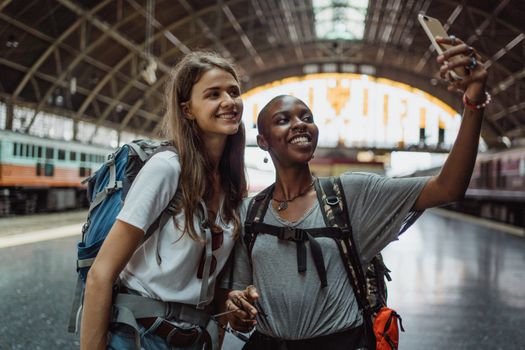
The hum of a crowded hostel common room, the clinking of glasses at a pub crawl, the forced small talk on a bus tour – sound familiar? For years, these were the go-to methods for solo travelers looking to make friends on the road. And don't get me wrong, they work. I've had some fantastic nights and met some cool people this way. But there came a point, somewhere between a particularly uninspired hostel "family dinner" in Berlin and a slightly too-loud pub crawl in Prague, where I realized something profound: these connections, while fun, often felt fleeting, surface-level, and, well, mainstream.
I craved something deeper. I wanted to meet people who were genuinely curious, not just looking for a drinking buddy. I yearned for connections that felt organic, born from shared experiences rather than shared proximity in a dorm. I wanted to feel like I wasn't just traveling alongside people, but truly connecting with them.
It was during a particularly challenging solo trip through rural Patagonia, where hostels were few and far between, and the internet was a distant dream, that I stumbled upon the "underground" methods of making friends. I was forced out of my comfort zone, away from the digital crutches and the pre-packaged social events. What I discovered revolutionized my solo travel experience, turning lonely moments into profound connections.
This isn't about ditching hostels entirely (they still have their place!), but it’s about expanding your toolkit. It’s about being proactive, intentional, and a little bit adventurous in how you seek out human connection. It's about making friends before everyone else discovers these methods, before they become just another item on the "Top 10 Ways to Meet People Abroad" list.
So, if you’re ready to ditch the mainstream and dive into a world of authentic, unforgettable friendships, pull up a chair, grab a strong coffee (or a local craft beer), and let’s talk strategy.
1. Beyond the Hostel Bar: The 'Why Not Here?' Approach
Let's face it, the hostel bar is convenient. But it often attracts a specific type of traveler, and the conversations can sometimes feel repetitive. To find truly unique connections, you need to broaden your horizons and ask yourself, "Why not here?"
My Story:
I was in Lisbon, Portugal, feeling a bit uninspired by the hostel scene one evening. Instead of heading to the usual Bairro Alto pub crawl, I decided to wander. I found a tiny, unassuming hole-in-the-wall tasca (traditional Portuguese restaurant) tucked away on a cobbled street. It was packed with locals, all laughing and sharing plates. I squeezed onto a communal table, ordered a bacalhau à brás and a glass of house wine. Within minutes, the elderly couple next to me, noticing my solo status and my attempts at Portuguese, struck up a conversation. They shared their food, their stories, and even taught me a few local slang words. By the end of the night, I wasn't just full of delicious food, but also buzzing with the warmth of genuine human connection – a connection I'd never have found at a crowded tourist bar.
Actionable Tips:
- Embrace Local Haunts: Seek out places where locals gather. This means independent coffee shops, small family-run restaurants, bakeries, or neighborhood parks. Look for places that aren't heavily advertised in tourist guides.
- How to spot them: Listen for the local language, check for menus primarily in the local language (or handwritten), and observe if people are lingering rather than just grabbing and going.
- Join a Niche Local Tour (Non-Mainstream Edition): Forget the big bus tours. Look for walking tours focused on specific interests like street art, local food markets, or architecture. These often attract more discerning travelers and locals.
- Example: Instead of a general city tour in Rome, look for a "Trastevere Food & Wine Walk" or a "Hidden Roman Gardens Tour." I once did a "Ghost Stories of Edinburgh" tour (cost me about £15) and ended up chatting with a fellow solo traveler for hours afterward because we shared a love for spooky tales.
- Utilize Public Transport Creatively: Long train journeys, local buses, or even shared taxis (like colectivos in South America) can be excellent opportunities. People are often more relaxed and open to conversation when sharing a journey.
- Pro Tip: Always have a book or a journal. It makes you approachable without looking glued to your phone. Sometimes, someone will ask what you're reading, and boom – conversation starter!
2. The Art of the 'Micro-Adventure' Invitation
Making friends isn't just about sharing a moment; it's about sharing an experience. Instead of waiting for someone to invite you for a drink, become the initiator of unique, small-scale adventures. These are the kinds of activities that foster bonds quickly and authentically.
My Story:
In Chiang Mai, Thailand, I was staying at a small guesthouse. I'd met a fellow traveler, Maria from Spain, during breakfast. Instead of suggesting we go to the Night Bazaar (which we both knew was touristy), I said, "Hey, I'm planning to visit the Wat Phra That Doi Suthep temple this afternoon, but I also want to stop at a local market on the way to grab some fresh fruit for a picnic up there. Want to join? We can split a tuk-tuk." It wasn't a grand plan, but it was specific, unique, and offered more than just sight-seeing. We ended up having an incredible afternoon, sharing stories over mangoes and sticky rice with a breathtaking view, and became fast friends. The tuk-tuk cost us 300 THB (approx. $9 USD) each way, split between us, making it an affordable and memorable outing.
Actionable Tips:
- Be Specific and Offer Value: Don't just say, "Want to hang out?" Offer a concrete, interesting activity. "I'm heading to the local fish market at 7 AM to see the morning catch, then planning to cook something simple back at my Airbnb. Want to join for the market run?"
- Suggest a Shared Learning Experience: Cooking classes, language exchange meetups (often free or very low cost, like a coffee), pottery workshops, or even a short hiking excursion are fantastic for building rapport.
- Example: A 3-hour cooking class in Vietnam might cost $30-$50 USD, but the shared experience and delicious outcome are priceless for bonding. I did a Vietnamese spring roll class in Hoi An (around $35) and connected with two other solo travelers over our shared struggles with rolling technique!
- Leverage Local Events: Check local community boards, Facebook groups for expats/locals, or even ask your accommodation staff about upcoming festivals, farmers' markets, live music nights at non-touristy venues, or local sports events.
- How to invite: "I saw there's a small jazz concert at [local park/cafe] tonight. It's supposed to be free/low-cost. Want to check it out?"
3. Leveraging Niche Interests: The 'Secret Handshake' Method
This is where you find your people. If you have a specific hobby or passion, it's a golden ticket to connecting with like-minded individuals, often locals, who share that "secret handshake." These are the connections that often last long after your trip ends.
My Story:
I'm an avid photographer. In Kyoto, Japan, I was struggling to find unique angles away from the crowds. I decided to search for local photography groups on Facebook. I found a small group planning a "night photography walk" around Gion. I messaged the organizer, explained I was a solo traveler, and asked if I could join. They were incredibly welcoming! For about 3 hours, we explored hidden alleys, experimented with long exposures, and shared tips. I not only got amazing photos but also connected with local photographers who later showed me some of their favorite non-touristy spots. This experience cost me nothing but a train ticket (around 250 JPY for a local line) and brought immense value.
Actionable Tips:
- Search for Local Interest Groups Online: Use Facebook groups, Meetup.com, or even Reddit for specific cities/regions. Search terms like "Lisbon hiking group," "Berlin indie music," "Kyoto photography club," "Yoga in Bali."
- Join a Local Class or Workshop: Beyond cooking, think art classes, dance lessons (salsa, tango, bachata), pottery, language lessons, or even a local gym/yoga studio for a drop-in class.
- Consider: A one-time yoga class might be $10-$20 USD, but the shared energy and post-class chat can be a great way to meet people.
- Volunteer for a Few Hours: If you have a day or two to spare, look for local charities or organizations that need short-term help. This is a fantastic way to meet engaged locals and fellow travelers who care about similar causes.
- Where to look: Websites like Workaway (though usually longer commitments, sometimes short-term opportunities pop up), or simply ask at local community centers or eco-lodges.
4. Embrace the 'Digital Nomad' Hubs (With a Twist)
Digital nomad hubs like Lisbon, Medellín, Canggu, or Chiang Mai are overflowing with people from all over the world. But instead of just showing up, use these places strategically to find your tribe beyond the standard co-working space networking event.
My Story:
In Medellín, Colombia, I was working from a popular co-working space. While I met some great people there, I noticed the conversations often revolved around work. I wanted more. I started checking their community boards and saw they hosted a "Spanish Conversation & Coffee" hour every Tuesday morning (free for members, about $5 for non-members). I also saw flyers for "Salsa Night at a Local Bar" organized by a few members. I joined both. At the coffee hour, I met a solo traveler from Australia who was also trying to improve her Spanish, and we decided to practice together over lunch. At salsa, I connected with a local dance instructor and a group of expats who invited me to their weekly dinner. These connections felt more natural because they weren't forced "networking."
Actionable Tips:
- Look Beyond Work Events: If you're using a co-working space, check their non-work-related events: language exchanges, yoga classes, film nights, or local excursions they might organize.
- Utilize Community Boards/Apps: Many nomad-friendly cities have local Facebook groups (e.g., "Expats in Lisbon," "Medellín Digital Nomads"). These groups often have posts about meetups, hikes, game nights, or people seeking companions for specific activities.
- Be Proactive: Post your own idea! "Anyone interested in checking out the [local art gallery/hike/coffee shop] this afternoon?"
- Stay at Co-living Spaces (Short-term): These are designed for community. Even if you're not a long-term digital nomad, some offer short stays. They often have built-in social activities and a ready-made community.
- Consider: Look for places like Selina or local independent co-living spaces. Prices can vary widely, from $30/night for a dorm to $100+ for a private room, but the social aspect is often part of the package.
5. The Power of 'Slow Travel' & Community Immersion
This is perhaps the most "underground" and rewarding method, requiring a shift in mindset. Instead of rushing from place to place, pick a spot and stay awhile – a week, two weeks, even a month. This allows you to move beyond being a tourist and start becoming a temporary local.
My Story:
I once spent two weeks in a small coastal town in Montenegro, Kotor. Instead of booking a different Airbnb every few days, I found a charming apartment for the whole duration (around €300 for two weeks, a steal!). I had my morning coffee at the same cafe every day, bought groceries from the same market stall, and even found a local bakery where I'd buy fresh bread. The barista at the cafe started remembering my order, the market vendor would give me extra olives, and the bakery owner would greet me by name. Through these small, daily interactions, I started feeling like part of the community. One evening, the cafe owner invited me to a local folk music night happening in the town square – an event I never would have known about as a transient tourist. I met his friends, danced with locals, and felt a connection that transcended any typical travel friendship.
Actionable Tips:
- Book Longer Stays: Opt for at least 5-7 days in one location, ideally more. This gives you time to settle in, explore deeply, and establish routines.
- Become a 'Regular': Find a local cafe, bakery, restaurant, or bar and frequent it. The staff will start recognizing you, and these small interactions can lead to bigger connections.
- Learn Basic Local Phrases: Even a few words ("hello," "thank you," "please," "how are you?") go a long way in showing respect and opening doors to conversation with locals.
- Support Local Businesses: Choose independent shops over big chains, eat at local eateries, and buy from artisans. This not only puts money directly into the local economy but also creates opportunities for genuine interaction.
- Observe and Participate: Watch what locals do for leisure. Do they play chess in the park? Go for evening strolls? Join in if it feels comfortable and appropriate.
6. The Art of Being Open & Approaching with Curiosity
No matter which method you choose, the underlying principle is simple: be open, be curious, and be willing to make the first move. The "mainstream" ways often rely on others to facilitate the connection. These "underground" methods put the power in your hands.
Actionable Tips:
- Make Eye Contact & Smile: It's the universal invitation for interaction.
- Ask Open-Ended Questions: Instead of "Where are you from?", try "What brought you to [this place]?" or "What's been your favorite discovery here so far?"
- Share a Little About Yourself: Don't just interrogate. Offer a piece of your own story to create a balanced conversation. "I just arrived from [X] and I'm really enjoying [Y]."
- Be Present: Put your phone away. Seriously. When you're genuinely engaged in your surroundings, you're more approachable and more likely to notice opportunities for connection.
- Embrace Vulnerability: It's okay to admit you're traveling solo and looking to connect. "I'm exploring [this place] by myself today and was wondering if you had any local recommendations?" This often elicits a helpful and friendly response.
---
Making friends while traveling solo, truly making friends, is an art form that goes far beyond the predictable paths. It's about intentionality, curiosity, and a willingness to step off the well-trodden tourist trail. These "underground" methods are not about avoiding people, but about finding the right people – those who will enrich your journey with shared laughter, deep conversations, and memories that truly last.
The world is full of incredible individuals waiting to connect, and by embracing these less mainstream approaches, you're not just finding friends; you're discovering new cultures, new perspectives, and a deeper sense of belonging. So, next time you're packing your bags for a solo adventure, remember these tips. Dare to be different. Dare to be open. And dare to make connections that others will only dream of, long before they become mainstream.
What's your secret weapon for making friends on the road? Share your "underground" tips and stories in the comments below! Let's build a community of conscious, connected solo travelers!
---