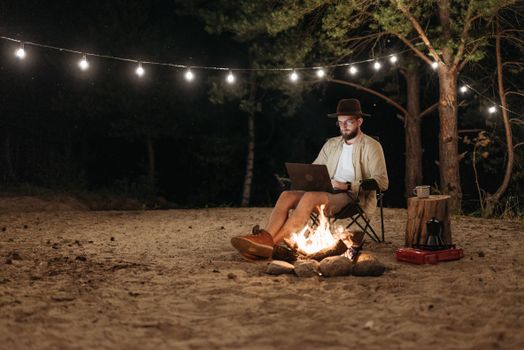
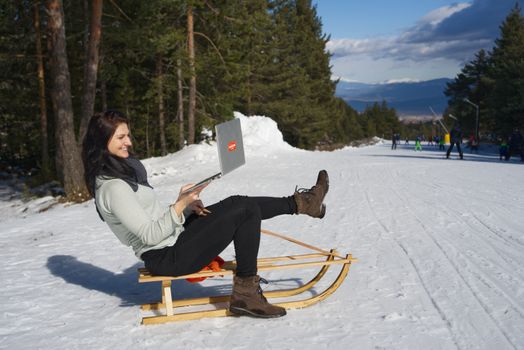
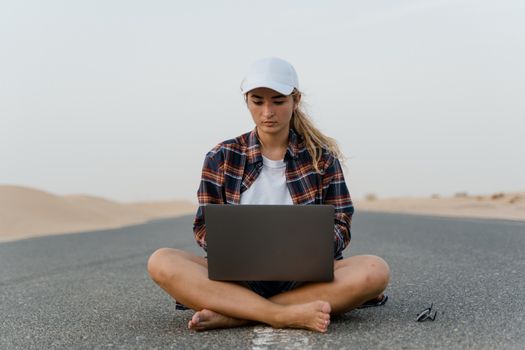
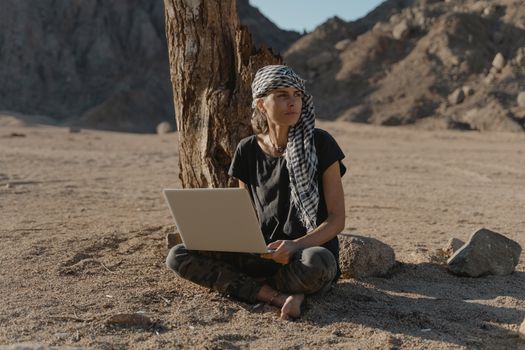
Remember that iconic Instagram shot? The one with the laptop perfectly perched on a sun-drenched balcony overlooking the Aegean Sea, a half-empty coffee cup beside it, and a caption like, "My office for the day!" Yeah, I’ve been there. And let me tell you, that picture rarely tells the whole story.
My first attempt at being a "productive traveler" was a glorious disaster. I was in Chiang Mai, Thailand, buzzing with the excitement of street food, temples, and scooter adventures. I had a looming deadline for a major client report, and my grand plan was to wake up early, crush my work, and then explore. Simple, right?
Wrong.
The hostel common room was a symphony of backpacker chatter and questionable music choices. The Wi-Fi was as reliable as a politician's promise. My "early start" quickly devolved into a frantic scramble, fueled by lukewarm instant coffee and the growing panic of a missed deadline. I ended up holed up in a tiny, overpriced private room, curtains drawn, missing out on the very experiences I’d traveled halfway across the world for. It was a wake-up call. The dream of productive travel was achievable, but it required strategy, discipline, and a whole lot of smart hacks.
Fast forward five years, and I’ve built a thriving career while exploring over 40 countries. From writing articles in a bustling Venetian cafe to editing videos from a quiet co-working space in Medellín, I’ve cracked the code. And the good news? The strategies that are trending right now aren't about superhuman willpower; they're about smart systems, essential tech, and a flexible mindset.
So, if you’re ready to ditch the frantic scrambles and embrace a truly productive, wanderlust-filled life, let’s dive into the ultimate guide for maintaining productivity while traveling.
1. Master Your Mobile Command Center: The Essential Tech Toolkit
You wouldn’t go to battle without your armor, right? Your mobile office is your armor against the unpredictable nature of travel. This isn't about carrying your entire desktop; it's about smart, compact, and powerful essentials. The trend is minimalist efficiency, not maximalist baggage.
The Must-Haves (and My Personal Picks):
- Noise-Canceling Headphones: Non-negotiable. Whether you're on a noisy flight, in a bustling cafe, or sharing a hostel dorm, these are your instant focus bubble. I swear by my Bose QuietComfort 45s. They've saved me from countless distractions, allowing me to dive deep into writing even amidst airport chaos. They're an investment, but worth every penny for your sanity and productivity.
- Reliable Power Bank: Don’t get caught with a dead laptop or phone when you need it most. Look for one with high capacity (20,000mAh+) and fast charging. The Anker 737 PowerCore 24K is a beast – it can charge my MacBook Pro multiple times, and it’s surprisingly compact for its power.
- Portable Monitor (Optional, but a Game Changer): If you rely on dual screens, a lightweight portable monitor like the ASUS ZenScreen or ViewSonic VG1655 can seriously boost your efficiency. I used to think it was excessive, but trying to juggle multiple tabs on a single laptop screen in Florence while researching complex topics was a nightmare. Now, it’s a staple for deep work sessions.
- Ergonomic Mouse & Keyboard: Your wrists will thank you. The trackpad is fine for quick tasks, but for hours of work, a compact ergonomic mouse (like the Logitech MX Anywhere 3) and a foldable Bluetooth keyboard can prevent strain and boost speed.
- VPN (Virtual Private Network): Essential for security on public Wi-Fi and accessing geo-restricted content. I use NordVPN for its speed and reliability. It’s not just about streaming Netflix; it’s about protecting your sensitive client data.
- Universal Travel Adapter with USB-C: One adapter to rule them all. Make sure it has multiple USB ports (including USB-C) to charge all your devices simultaneously. I found a fantastic one on Amazon for about $25 that covers every major plug type.
Pro Tip:
Pack a small, dedicated tech pouch. It keeps everything organized and prevents you from rummaging through your bag like a mad scientist every time you need a charger.
2. The Art of Strategic Time Blocking & Deep Work Sprints
The biggest myth of travel productivity? That you'll magically "find time." You don't find time; you make it. And the most effective way to make it is through strategic time blocking and embracing the power of deep work sprints. This is a trending methodology among top performers, and it's particularly vital for digital nomads.
How I Make It Work (Even in Paradise):
- The "Non-Negotiable" Block: Identify your most critical tasks and block out dedicated, uninterrupted time for them. For me, this is usually 3-4 hours in the morning. I treat these blocks like sacred appointments. No social media, no emails, no spontaneous "let's go explore" temptations.
- Anecdote: I was once in Seminyak, Bali, and the temptation to hit the beach for a surf lesson was immense. But I had a client presentation due. I blocked 8 AM - 12 PM, put on my noise-canceling headphones, and found a quiet corner at "Revolver Espresso". I finished the presentation, then rewarded myself with an afternoon of waves. The key was commitment to the block.
- The Pomodoro Technique: This classic productivity hack is a lifesaver. Work for 25 minutes, then take a 5-minute break. After four "pomodoros," take a longer 15-30 minute break. This prevents burnout and keeps your focus sharp. There are countless free Pomodoro timer apps available.
- Leverage Time Zone Differences: This can be a blessing or a curse. If your team is 8 hours behind, use your mornings for deep, focused work, and your afternoons for communication and collaboration when they come online. Or, if you’re ahead, you can get a head start on tasks before anyone else is even awake.
- Schedule "Discovery" Time: Don't forget why you're traveling! Explicitly schedule time for exploring, relaxing, and experiencing your destination. This prevents guilt and ensures you don't burn out. My Google Calendar isn't just for work; it’s for "Hike in the Dolomites," "Pasta Making Class in Bologna," and "Sunset Cocktails."
Practical Tip:
Use a digital calendar (Google Calendar, Fantastical) to visually block out your time. Color-code it for work, travel, and personal time. This visual representation helps you see your commitments and prevents over-scheduling.
3. Harnessing the Power of Digital Tools & Automation: Your Virtual Assistant
In the age of AI and cloud computing, there's no excuse for manual inefficiency. The most productive travelers aren't just using tools; they're creating interconnected systems that automate mundane tasks, streamline communication, and keep projects on track, regardless of their location.
My Go-To Productivity Stack:
- Project Management (Asana/Trello/ClickUp): Essential for tracking tasks, deadlines, and collaborating with clients or team members across different time zones. I personally lean towards Asana for its robust features and ability to manage complex projects. It’s where I dump every task, big or small.
- Note-Taking & Knowledge Base (Notion/Evernote): From travel itineraries to client notes, having a centralized system is crucial. Notion has become my digital brain. I use it for everything: content calendars, research notes, travel planning, even my personal budget. It’s incredibly flexible and powerful.
- Communication (Slack/Google Workspace): Keep client and team communication organized. Ditch endless email threads. Slack channels for specific projects make it easy to follow conversations and share files quickly.
- Cloud Storage (Google Drive/Dropbox): Access your files anywhere, anytime. Ensure everything is backed up and easily shareable. Offline access is a lifesaver for long flights or areas with spotty internet.
- Time Tracking (Toggl Track/Clockify): If you bill hourly or just want to understand where your time goes, these tools are invaluable. They help you stay accountable and identify time sinks.
- Automation (Zapier/IFTTT): This is where the magic happens. Connect your apps to automate repetitive tasks. For example, automatically create a Trello card from a new email, or get Slack notifications for new tasks in Asana. It saves hours every week. I use Zapier to link my CRM with my project management tool, ensuring no lead falls through the cracks, even when I'm halfway across the globe.
Anecdote:
I once spent an entire day manually transferring client information from my email to my project management system. It was tedious and error-prone. Then I discovered Zapier. Now, when a new client signs up, their details are automatically populated, tasks are created, and a welcome email is queued. It freed up an entire day of my time, which I promptly used to explore the stunning "Parque Arví" in Medellín.
4. Mindset & Wellness: Your Secret Productivity Weapon
You can have the best tech and the smartest systems, but if your mind and body aren't taken care of, productivity will suffer. This is perhaps the most underrated aspect of maintaining focus while traveling, yet it's absolutely crucial and increasingly emphasized in the remote work community. Burnout is real, and it hits harder when you're far from your usual support system.
Strategies for a Healthy, Productive Mind:
- Embrace Disconnection: Schedule deliberate times to completely unplug. No work, no emails, no social media. This allows your brain to recharge and process information, often leading to creative breakthroughs. My rule: no work after 7 PM, and one full day off per week where my laptop stays closed.
- Prioritize Sleep: Travel can disrupt sleep patterns, but consistent, quality sleep is paramount for cognitive function. Stick to a routine as much as possible, use an eye mask and earplugs, and avoid screens before bed. I always carry a sleep supplement like melatonin for time zone adjustments.
- Move Your Body: Sitting for hours in a cafe or hostel can take a toll. Incorporate movement into your day. A morning run along the beach in Tel Aviv, a yoga session in a park in Berlin, or simply walking everywhere instead of taking public transport. Even 15-30 minutes of activity can boost your energy and focus.
- Fuel Your Body Well: It’s tempting to live on street food and instant noodles, but nutritious meals are essential. Seek out fresh local produce, cook when possible, and stay hydrated. My routine often involves a big, fresh breakfast at a local market, which sets me up for a productive morning.
- Practice Mindfulness: Travel can be stressful. Daily meditation (even 5-10 minutes with apps like Calm or Headspace) can significantly reduce anxiety and improve focus. I often take short walking meditations through new neighborhoods, observing everything around me without judgment.
- Set Realistic Expectations: Don't expect to be 100% productive every single day while traveling. There will be travel days, sick days, and days where the Wi-Fi just isn't cooperating. Be kind to yourself, adjust your schedule, and focus on progress, not perfection.
Personal Story:
There was a period when I was trying to "do it all" – work full-time, explore intensely, and maintain a social life in a new city. I ended up completely exhausted in Budapest, barely able to concentrate on anything. I learned the hard way that pushing too hard leads to diminishing returns. Now, I schedule my "recovery" and "exploration" with the same seriousness as my work blocks. That means saying no to a late-night outing if I have an early meeting, or dedicating an entire day to simply wandering and soaking in the culture without any work guilt.
5. Finding Your Productive Sanctuary: Beyond the Hotel Room
Working from your hotel room or hostel common area can be isolating or distracting. The trending solution is to actively seek out environments optimized for focus and collaboration. This is where you truly blend work and wanderlust.
My Favorite Productive Havens:
- Coworking Spaces: The ultimate solution for reliable Wi-Fi, ergonomic setups, and a professional atmosphere. Many cities offer day passes (ranging from $10-$30 USD) or weekly memberships.
- Examples: Impact Hub (global network), WeWork (often has free trials or day passes), or local gems like "Punspace" in Chiang Mai, Thailand (where I finally found my focus after that disastrous first attempt!) or "Selina" in Latin America, which often combine co-working with hostels and vibrant communities. I once spent a week at Selina La Candelaria in Bogotá, Colombia – perfect blend of work and social.
- Cafes with a Vibe: Not all cafes are created equal for work. Look for ones with good Wi-Fi, plenty of outlets, comfortable seating, and a buzz that’s energizing, not distracting.
- How I find them: I use Google Maps, searching "cafes with Wi-Fi" and reading reviews that mention "good for working" or "plenty of outlets." I also ask locals! In Lisbon, "Fábrica Coffee Roasters" became my go-to for their strong coffee and even stronger Wi-Fi. In Rome, "Barnum Cafe" offered a quiet back room that felt like a secret productivity haven.
- Public Libraries: Often overlooked, libraries are fantastic for free, quiet workspaces with reliable internet. They're also a great way to experience local culture. I've had surprisingly productive sessions in the grand reading rooms of libraries in cities like Vienna and New York.
- Hotel Lobbies/Business Centers: Even if you're not staying there, many larger hotels have comfortable lobbies or dedicated business centers that offer Wi-Fi and a more professional environment. Sometimes, buying a coffee is all it takes to gain access.
- Rooftop Terraces/Parks (with a hotspot): For tasks that don't require super-fast internet, a portable Wi-Fi hotspot can turn almost any beautiful location into an "office." I’ve drafted entire blog posts from a park bench overlooking Lake Geneva, tethered to my phone. Just be mindful of battery life!
Key Consideration:
Always check Wi-Fi speed and availability before committing to a location. Speedtest.net is your friend. And always have a backup plan (like a local SIM card with a data plan).
6. The "Travel Smarter, Not Harder" Philosophy: Efficiency on the Go
Productivity isn't just about how you work; it's about how you integrate work into your travel. The most successful remote workers aren't trying to cram a 9-to-5 into every travel day; they're optimizing their travel around their work, and vice-versa. This is about strategic planning and embracing flexibility.
My Smart Travel Productivity Hacks:
- Batch Similar Tasks: Instead of checking emails every hour, set aside specific times (e.g., 9 AM and 4 PM) to process your inbox. Do the same for administrative tasks, social media scheduling, or client follow-ups. This minimizes context switching, which is a major productivity killer.
- Optimize Travel Days: Long flights, train rides, or bus journeys aren't necessarily "lost time."
- Offline Work: Use this time for tasks that don't require internet: writing, editing, planning, brainstorming, organizing files. I often download articles or research papers to read during transit.
- "Light Work" Days: Don't expect to be highly productive on a day you're traveling from London to Rome. Schedule it as a light work day – maybe just checking urgent emails or doing some light planning.
- Embrace the Nap: Sometimes, the most productive thing you can do on a long journey is rest. Arriving refreshed means you'll be more focused the next day.
- Buffer Days: If you have a big project or deadline, schedule a "buffer day" before or after a major travel leg. This gives you breathing room in case of delays or unexpected issues. It’s saved me from countless stress-induced meltdowns.
- Learn to Say No: This is huge. You don't have to attend every social event or join every spontaneous day trip. Protect your work blocks and your downtime. Your travel friends will understand if you need to prioritize.
- Embrace Flexibility (Within Structure): The beauty of remote work is flexibility. If a local festival pops up that you absolutely can't miss, shift your work schedule around it. The key is to be intentional with that shift, not just let your schedule derail completely. Sometimes, working late one night means you can take a magical afternoon off the next day.
Anecdote:
I was on a multi-day trek in Patagonia, with no internet access for days. Before I left, I batched all my client communications, scheduled social media posts, and prepared all my offline writing tasks. When I returned, refreshed and inspired, I had minimal catch-up to do, and my clients hadn't even noticed my "disappearance." It was a testament to smart planning and automation.
Conclusion: Your Productive Adventure Awaits!
The dream of being a productive traveler isn't just for a select few. It's an achievable reality for anyone willing to embrace strategy, leverage technology, and prioritize their well-being. From my initial chaotic hostel experience in Chiang Mai to confidently managing projects from a co-working space overlooking the Andes, I've learned that the secret isn't about working harder, but about working smarter and more intentionally.
The trending approaches right now are all about intentionality: creating dedicated mobile workspaces, blocking out deep work sessions, automating the mundane, and fiercely protecting your mental and physical health. It’s about building a sustainable rhythm that allows you to experience the world without sacrificing your professional goals.
So, pack your bags, fire up your VPN, and block out your first deep work session. The world is waiting, and your most productive adventure is just beginning.
What's your top travel productivity hack? Share your wisdom in the comments below! Let's build a community of efficient wanderers!
---