The Unseen Frame: Mastering Street Photography Etiquette in Cultures Before They Become Mainstream
The sun was dipping below the horizon in Varanasi, painting the Ganges in hues of fiery orange and deep violet. I stood on the ghats, my camera poised, ready to capture the timeless ritual of aarti. A wizened sadhu, his face a roadmap of ancient wisdom, caught my eye. He was meditating, oblivious to the world, or so I thought. I raised my lens, careful, discreet. Just as my finger hovered over the shutter, his eyes flickered open, meeting mine with an intensity that sent a jolt through me. He didn't speak, didn't move, but his gaze communicated volumes: "Do you see me? Do you respect me?"
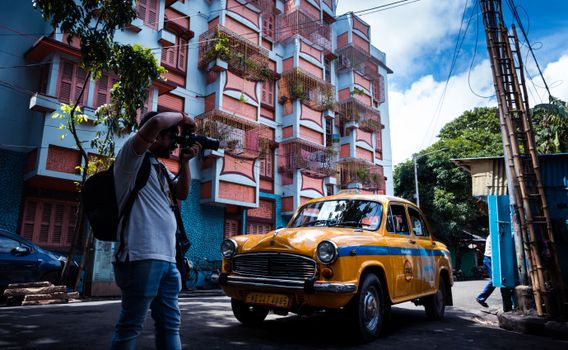
That moment, years ago, was a profound awakening. It wasn't just about getting the shot; it was about the human connection, the silent negotiation, the profound responsibility of being an observer. Street photography, for me, is an intimate dance between curiosity and respect, an art form that demands more than just technical skill—it demands cultural intelligence.
In an age where every corner of the globe is Instagrammable, and "off-the-beaten-path" spots become mainstream overnight, the onus is on us, the photographers and travelers, to tread lightly. To understand the unwritten rules before they're codified by tourist boards, before cultures adapt to the lens, and before the magic of genuine interaction is replaced by transactional poses. This isn't just about avoiding a scolding; it's about preserving authenticity, fostering mutual respect, and ensuring our presence enhances, rather than diminishes, the places we visit.
So, grab your camera, open your mind, and let's delve into the delicate art of ethical street photography across the globe.
The Golden Rule: Beyond "Ask First" – Cultivating Intuition & Respect
Before we dive into specific regions, let's establish a foundational principle: there's no universal "ask first" or "shoot candid" rule. The true golden rule is respect and intuition. It’s about reading the room, understanding the context, and always prioritizing human dignity over a photograph.
My early days were filled with awkward encounters, like the time in a bustling Marrakech souk where I tried to surreptitiously photograph a spice vendor, only to have him dramatically shield his face and demand payment. The lesson? Directness, even if it means a polite "no," is often better than perceived sneakiness.
Practical Tip:
Spend time observing before you even raise your camera. What's the rhythm of the place? How do people interact with strangers? Are they open, reserved, or busy? Your body language speaks volumes. Smile, make eye contact (if culturally appropriate), and show genuine interest in the place, not just the potential photo opportunity. A small, non-intrusive camera (like a mirrorless or even a good smartphone) can also make you less intimidating than a DSLR with a huge lens.
Asia's Tapestry: Navigating Privacy & Openness
Asia is a continent of staggering diversity, where ancient traditions blend with hyper-modernity. Photography etiquette here is a rich tapestry of deference, privacy, and surprising openness.
India: The Dance of Candid & Consent
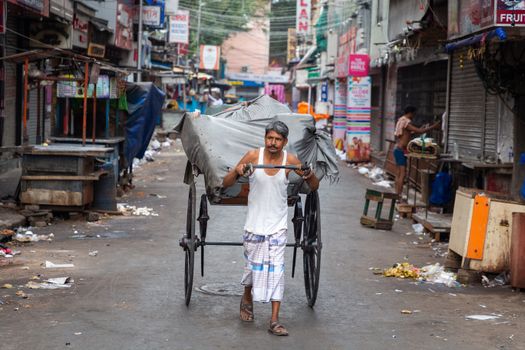
In India, particularly in places like Varanasi or the bustling markets of Delhi, you'll find a fascinating paradox. Many people are incredibly open to being photographed, almost expecting it, especially in tourist-heavy areas. Children will often run up to you, giggling, asking for their picture. Sadhu holy men on the ghats might pose dramatically, expecting a small donation (often 50-100 INR, about $0.60-$1.20 USD) in return.
However, this openness doesn't grant a free pass. There's a fine line between a respectful exchange and turning people into attractions. I remember once trying to photograph a woman grinding spices in a small village outside Udaipur. She was initially hesitant, but after I spent a few minutes chatting with her daughter (with the help of my guide), showing genuine interest in their work, she eventually nodded, a gentle smile gracing her lips. It wasn't just a photo; it was a shared moment.
Practical Tips for India:
* Be direct, but gentle: A simple nod and a questioning gesture with your camera often works. If they shake their head, respect it immediately.
* Engage: A smile, a "Namaste," or a brief conversation can open doors.
* Offer a print (if possible): If you can, promise to email or send a print. This is gold. I carry a small portable printer on longer trips for this exact reason, though it's not always practical.
* Donations: Be prepared to offer a small sum to performers, sadhus, or those whose livelihoods might be interrupted by your request. Always ask your guide for appropriate amounts.
Japan: The Art of Discretion & Respect for Space
Japan, particularly in places like Kyoto's Gion district, offers a stark contrast. Privacy is paramount, and direct confrontation is rare, but disapproval can be palpable. While photographing cityscapes and architecture is generally fine, people are often uncomfortable with being photographed without explicit permission, especially candidly.
The most sensitive area is undoubtedly the geisha and maiko (apprentice geisha) of Kyoto. There are strict rules against stopping them, blocking their path, or photographing them without permission, especially on private property. Signs are everywhere, and fines can be steep (up to 10,000 JPY, roughly $65 USD). My first trip to Gion, I saw a tourist literally chase a maiko down an alley, shoving a camera in her face. The look of distress on her face was heartbreaking. It’s a powerful reminder that these are not characters in a performance; they are individuals going about their lives.
Practical Tips for Japan:
* Be invisible: Use a longer lens if you want to capture street scenes from a distance.
* Ask for permission: If you truly want to photograph someone, approach them politely with a "Sumimasen, shashin o tottemo ii desu ka?" (Excuse me, may I take a picture?). Be prepared for a polite refusal.
* Avoid chasing: Never pursue someone for a photo.
* Respect signs: If a sign says "No Photography," it means NO photography.
Southeast Asia (Cambodia, Vietnam, Laos): Sensitivity to Poverty & Exploitation
In countries like Cambodia and Vietnam, where tourism has a significant economic impact, the dynamic changes. While people are often friendly and curious, there's an increased awareness of economic disparities. Photographing children, particularly those working or begging, requires extreme sensitivity. It's easy to inadvertently contribute to a cycle where children are encouraged to engage with tourists for photos or money, rather than attending school.
In Angkor Wat, Cambodia, I once saw a tourist giving money to a child who had just posed for a photo. Moments later, the child was approached by an adult who took the money. It highlighted the complex issues at play.
Practical Tips for Southeast Asia:
* Prioritize dignity: Avoid photos that might exploit or sensationalize poverty.
* Engage with adults: If you wish to photograph children, always seek permission from a parent or guardian first.
* Support local businesses: If you want to take a photo of a vendor or artisan, consider buying something from them first. It's a small gesture of appreciation that goes a long way.
* Be aware of your impact: Your camera can be seen as a symbol of wealth. Use it thoughtfully.
Latin America's Vibrant Spirit: Engagement & Reciprocity
Latin America is a kaleidoscope of color, music, and passionate people. Here, street photography often thrives on direct engagement and a willingness to become part of the scene.
Mexico: Warmth, Fiestas, & "Con Permiso"
In places like Oaxaca, Mexico, known for its vibrant markets, indigenous cultures, and lively fiestas, people are generally very warm and open. During festivals like Día de Muertos, the streets are alive with costumes and celebrations, and photography is often encouraged as part of the shared joy.
However, even in the midst of revelry, politeness is key. A simple "Con permiso, puedo tomar una foto?" (Excuse me, may I take a photo?) works wonders. I remember photographing a woman selling traditional textiles in the Tlacolula Market near Oaxaca City. After asking permission, she not only agreed but proudly showed me her intricate weaving process, turning a quick snap into a beautiful cultural exchange.
Practical Tips for Mexico & Latin America:
* Learn basic phrases: "Hola," "Gracias," "Por favor," and "Puedo tomar una foto?" are essential.
* Share the moment: Show them the picture on your camera screen. It’s a universal gesture of goodwill.
* Be part of the scene: Don't just observe; participate where appropriate. Dance, listen to music, try the local food. Your camera will feel less intrusive if you're not just a passive observer.
Cuba: Directness, Charm, & The "Propina"
Cuba, particularly Havana, is a street photographer's dream: classic cars, crumbling colonial architecture, and incredibly resilient people. Cubans are often very direct. If they see you taking a photo, they might ask for a "propina" (tip). This isn't necessarily exploitative; it's often a way for people to supplement meager incomes in a challenging economic environment.
I recall an elderly gentleman in Old Havana, impeccably dressed, smoking a cigar, who clearly knew he was a photogenic subject. When I asked if I could take his picture, he smiled, puffed out his chest, and then, with a wink, extended his hand. We settled on a dollar, and he gave me the most magnificent, genuine smile. It felt like a fair exchange for his time and charisma.
Practical Tips for Cuba:
* Be prepared to pay: A small tip (CUC 1-2, about $1-2 USD) is often expected, especially from street performers, musicians, or people who pose.
* Engage in conversation: Many Cubans love to chat. Use it as an opportunity to connect beyond the lens.
* Be clear: If you don't want to pay, politely decline. Most will understand.
Africa's Diverse Landscapes: Building Trust & Connection
Africa is a continent of unparalleled natural beauty and rich, diverse cultures. Photography here requires patience, humility, and a deep understanding of local customs, especially in communities less exposed to tourism.
Morocco: The Souks, Performance, & Negotiation
In the bustling Djemaa el-Fna square of Marrakech, street performers, snake charmers, and storytellers are part of the spectacle. However, photographing them often comes with an expectation of payment. They are, after all, performing for their livelihood. My first time, I tried to snap a quick shot of a water seller, and he immediately stopped, pointed at his pouch, and demanded money.
Practical Tips for Morocco:
* Negotiate: For performers, it's often a negotiation. Agree on a price (10-20 MAD, about $1-2 USD) before you take the photo.
* Discretion in markets: In the labyrinthine souks, be mindful of vendors who might not want their goods or faces photographed. A quick nod or "Salam alaikum" can help gauge their openness.
* Respect religious sites: Always be extremely respectful around mosques and other religious sites. Ask permission before photographing inside, and dress modestly.
Ethiopia's Omo Valley: Deep Cultural Sensitivity & Guided Interactions
This is perhaps one of the most sensitive areas for street photography, and a prime example of "before mainstream" tourism impacting local cultures. The indigenous tribes of the Omo Valley, such as the Mursi, Hamer, Karo, and Dassanech, have unique and often elaborate body adornments and rituals. However, their exposure to tourism has led to complex dynamics around photography.
Taking photos here is rarely a spontaneous act. It almost always involves a local guide (which is mandatory for visiting many villages) who facilitates the interaction and often the payment. The tribespeople expect payment for being photographed, and sometimes even for simply being in their village. This can feel transactional, and it’s a difficult ethical tightrope to walk. My visit to a Mursi village was eye-opening. The women with their lip plates and men with their intricate scarifications were visually stunning, but the constant requests for "photo money" (often 5-10 Birr per person, per photo, about $0.10-$0.20 USD) made every interaction feel like a transaction rather than a connection.
Practical Tips for Omo Valley (and similar highly sensitive areas):
* Hire a reputable local guide: They are crucial for navigating cultural nuances and mediating interactions.
* Understand the payment system: Acknowledge that photography is often a source of income. Discuss the payment structure with your guide beforehand.
* Go beyond the photo: Try to engage beyond just pointing your camera. Ask your guide to translate questions, learn about their daily lives, and show genuine interest.
* Consider your impact: Reflect on whether your photography is contributing positively or negatively to the community. Some argue that paying for photos commodifies culture. Others argue it provides much-needed income. There's no easy answer, but awareness is key.
* Prioritize community well-being: Support initiatives that focus on sustainable tourism and community development, rather than just photo opportunities.
Eastern Europe & Middle East: Navigating Personal Space & Cultural Norms
These regions present a blend of European openness and more conservative, traditional societies, requiring a nuanced approach to street photography.
Georgia: Warmth, Hospitality, & The Orthodox Church
In places like Tbilisi, Georgia, you'll find a welcoming culture. People are generally friendly, and street life is vibrant. Capturing candid moments in markets or cafes is often fine, especially if you're discreet.
However, respect for religious sites, particularly the Georgian Orthodox Church, is paramount. When visiting monasteries or churches, always dress modestly (shoulders and knees covered, headscarf for women) and ask permission before photographing inside. I once tried to photograph a priest blessing parishioners in a dimly lit church outside Mtskheta and was gently but firmly told "No photos." The sacredness of the moment clearly outweighed my photographic desire.
Practical Tips for Georgia & Eastern Europe:
* Be respectful in religious spaces: Always err on the side of caution.
* Engage with a smile: Georgians are known for their hospitality. A friendly approach goes a long way.
* Discretion: Use a more discreet camera if possible, and avoid making people feel like they're being watched.
Jordan: Bedouin Hospitality & Conservative Communities
In Jordan, beyond the wonders of Petra, you'll encounter a blend of Bedouin culture and more conservative Islamic traditions. While the Bedouin are incredibly hospitable and often open to photos, particularly in tourist areas like Wadi Rum, discretion is vital in more traditional towns and villages. Women, in particular, may be uncomfortable being photographed.
My experience camping with a Bedouin family in Wadi Rum was filled with warmth. They were happy to share their traditions and allowed me to photograph them preparing food and playing music, but only after spending considerable time getting to know them and asking permission.
Practical Tips for Jordan & Middle East:
* Modesty: Dress modestly yourself, especially in rural areas or religious sites.
* Focus on landscapes/architecture: If unsure, focus your lens on the stunning landscapes and ancient sites.
* Be extra cautious with women: Always ask permission from a male guardian if you wish to photograph a woman, or simply avoid it altogether unless explicitly invited.
* Build rapport: Spend time getting to know people before asking for a photo.
The Ethical Lens: Practical Steps for Responsible Street Photography
Beyond regional specifics, here are universal tips to ensure your street photography journey is ethical, respectful, and truly enriching:
- Learn Basic Local Phrases: "Hello," "Thank you," "Please," "May I take a photo?" (or "Is it okay to take a photo?"). This instantly breaks down barriers.
- Smile & Make Eye Contact (Where Appropriate): A warm smile is a universal language. It acknowledges their presence and your intention.
- Use Body Language: A gentle nod, a questioning gesture with your camera, or pointing to your camera then to them, can often convey your request without words.
- Prioritize Dignity Over the Shot: If someone looks uncomfortable, turns away, or says no, immediately respect their wishes. Delete the photo if you've already taken it and they request it.
- Be Discreet: Sometimes, the best photos are taken when you're almost invisible. Use a smaller camera, avoid loud shutter clicks, and don't draw undue attention to yourself.
- Offer to Share the Photo: Showing them the image on your camera screen is a wonderful way to connect. If possible, offer to send it to them via email or social media, or even carry a small instant printer for a truly memorable gift.
- Consider the Context of Payment: In some cultures, a small payment is expected for a posed photo, especially from performers or those whose livelihood is affected. Always ask your guide for appropriate amounts. Avoid giving money directly to children.
- Avoid Stereotypes: Be mindful of the narrative you're creating. Are you reinforcing stereotypes or genuinely capturing the individual's story?
- Educate Yourself: Research the cultural norms of your destination before you go. Read travel blogs (like this one!), guidebooks, and talk to locals.
- Be Patient: The best moments are often unforced. Don't rush. Wait, observe, and let the scene unfold naturally.
Conclusion: Beyond the Pixel, Towards Connection
Street photography is more than just capturing moments; it's about connecting with humanity, one frame at a time. It’s about understanding the nuances of a smile, the unspoken rules of a glance, and the profound stories etched on faces around the world. As travelers and photographers, we have a unique privilege to witness and document these stories. With that privilege comes immense responsibility.
By approaching street photography with humility, cultural sensitivity, and genuine respect, we can move beyond simply taking pictures. We can foster understanding, build bridges, and help preserve the authenticity of cultures before they become mainstream—or rather, before they are irreversibly altered by the gaze of the lens.
So, the next time you step out with your camera, remember the sadhu on the ghats, the maiko in Kyoto, the market vendor in Oaxaca. Remember that behind every potential shot is a living, breathing human being with their own story, dignity, and right to privacy. Let your lens be an extension of your heart, not just your eye.
What are your most memorable street photography encounters, ethical dilemmas, or triumphs? Share your stories and tips in the comments below! Let's inspire each other to be more thoughtful, respectful, and connected travelers.
---