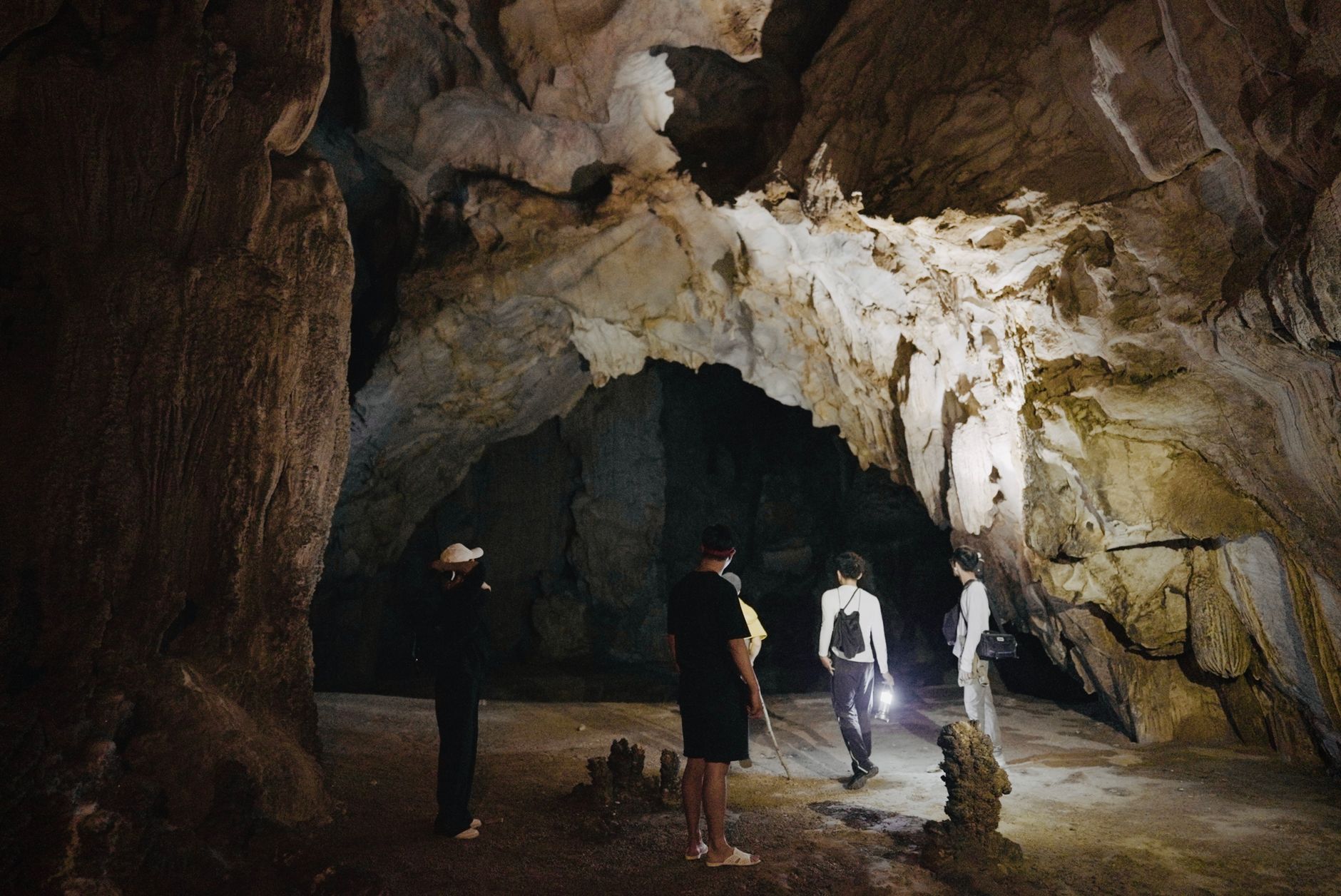
The air grew heavy and cool, carrying the scent of damp earth and ancient stone. My headlamp beam danced across intricate formations, revealing a tapestry of stalactites and stalagmites that had taken millennia to form. There was no guide, no group to keep pace with, just the rhythmic drip of water and the thumping of my own heart in the profound silence. This was my first truly self-guided cave exploration, a small, unassuming cavern in a remote corner of Slovenia, and it sparked an obsession. That feeling of raw discovery, of unlocking a hidden world on my own terms, was utterly intoxicating.
For years, I’d done the guided tours – the well-trodden paths, the timed explanations, the polite shuffling from one illuminated chamber to the next. And don’t get me wrong, those experiences are fantastic for their own reasons. But there’s a distinct magic that happens when you’re truly alone in the dark, armed only with your wits and a reliable light source, navigating the subterranean realms. It’s a primal connection to the Earth, a humbling reminder of geological time, and an unparalleled adventure.
At Tripsora, we’re all about chasing those unforgettable, authentic experiences. And trust me, exploring a cave system without a guide is one of the most empowering, awe-inspiring, and frankly, epic things you can do. It's about freedom, discovery, and a deep sense of accomplishment. You get to linger where you want, absorb the silence, and truly feel like an intrepid explorer.
So, if you’re ready to trade the predictable for the profound, to delve into the Earth’s most spectacular wonders on your own terms, then buckle up. I’ve scoured the globe, headlamp in hand, to bring you the ultimate list of self-guided cave systems you absolutely need to experience before you die.
The Call of the Abyss: Why Go Self-Guided?
Before we dive into the specific locations, let’s talk about why this type of exploration is so special.
Firstly, it’s about freedom. You set your own pace. Want to spend an hour marveling at a single formation? Go for it. Feel like pushing a little further into the dark? If the cave allows and it’s safe, the choice is yours. This autonomy transforms a sightseeing trip into a genuine expedition.
Secondly, there’s the personal connection. Without a guide narrating every detail, you’re forced to observe, to interpret, and to truly feel the environment. The silence is deeper, the darkness more profound, and the sense of discovery entirely your own. It’s a mindful experience, a meditation in stone.
Finally, it’s often more budget-friendly and flexible. Many self-guided caves have lower entry fees than their guided counterparts, and you can often visit them outside of strict tour schedules. This makes them perfect for spontaneous adventurers or those traveling on a shoestring.
A Crucial Caveat: Safety First!
While these caves are selected for their accessibility and suitability for self-guided exploration, always prioritize safety.
* Check conditions: Always inquire locally about current cave conditions, especially after heavy rains.
* Lights, lights, lights: Bring at least two reliable light sources (headlamp + backup flashlight) with fresh batteries.
* Footwear: Sturdy, closed-toe shoes with good grip are non-negotiable. Caves are wet and slippery.
* Dress in layers: Caves are consistently cool, even on hot days.
* Tell someone: Inform your accommodation or a friend of your plans and expected return time.
* Know your limits: If a section looks too challenging or unsafe, turn back. There's no shame in it.
Ready to descend? Let’s go!
1. Carlsbad Caverns National Park, USA – The Cathedral of Stone
My first visit to Carlsbad Caverns felt like stepping onto another planet. I remember the anticipation as I chose the natural entrance descent, foregoing the elevator for the full, immersive experience. The scorching New Mexico sun quickly gave way to a cool, damp embrace as I walked down, down, down, the entrance growing smaller above me until it was just a pinprick of light. The sheer scale of it all, even before reaching the main chamber, was breathtaking.
Carlsbad Caverns is a UNESCO World Heritage site and a true marvel of the American Southwest. While there are several ranger-guided tours, the Big Room Trail is the star of the self-guided show, and it’s one of the most incredible underground walks you’ll ever take. This colossal chamber is the largest single cave chamber by volume in North America. Imagine walking a 1.25-mile paved loop through an otherworldly landscape of colossal stalagmites, intricate draperies, and reflective pools. The path is well-lit and maintained, making it accessible for most fitness levels, but the sheer vastness and silence are profoundly moving.
My Personal Take:
I spent hours in the Big Room, finding a quiet bench and just absorbing the silence, watching the play of light on formations like the "Giant Dome" and "Hall of Giants." It’s an experience that truly puts humanity’s scale into perspective. Don’t rush it. Take your time, look up, look down, and listen.
Practical Tips:
* Getting There: Located in southeastern New Mexico, about 27 miles southwest of Carlsbad. A car is essential.
* Entry Fee: $15 per person (America the Beautiful Pass accepted).
* Best Time to Visit: Spring and Fall offer pleasant surface temperatures, but the cave is a constant 56°F (13°C) year-round.
* Instagram-Worthy Shot: The "Bottomless Pit" area or the reflection pools in the Big Room. Use a wide-angle lens if you have one!
* Pro Tip: If you want the full experience, take the Natural Entrance down (it's a steep 1.25-mile walk) and take the elevator back up. Bring water for the descent, even though you can't drink in the cave.
2. Batu Caves, Malaysia – Sacred Heights & Hidden Depths
Stepping into the vibrant, chaotic energy of Batu Caves near Kuala Lumpur is an experience unlike any other. The towering golden statue of Lord Murugan at the base, the kaleidoscope of colors on the 272 steps leading up, and the playful (and sometimes mischievous) monkeys all create an unforgettable prelude to the actual caves. But once you ascend those steps and step into the vast, open maw of the Temple Cave (Cathedral Cave), the atmosphere shifts dramatically.
This isn’t just a cave; it’s a living temple, a sacred space carved by nature and adorned by human devotion. The main chamber is enormous, an open-air cathedral with light streaming in from sinkholes high above, illuminating the ancient limestone and the shrines within. You’re free to wander, explore the various altars, and simply gaze up at the incredible natural architecture. It’s entirely self-guided, allowing you to immerse yourself in both the spiritual and geological grandeur.
My Personal Take:
I remember the feeling of relief from the humid Malaysian heat as I entered the cool cavern. The sheer scale, combined with the echoing chants and the scent of incense, created an almost mystical atmosphere. Don't miss the small, less-visited caves around the main complex, like the Ramayana Cave, which offer their own unique charm.
Practical Tips:
* Getting There: Easily accessible from Kuala Lumpur by KTM Komuter train (Batu Caves station is right there), Grab (ride-sharing), or bus.
* Entry Fee: Free for the main Temple Cave. Ramayana Cave has a small fee (around RM5), and the Dark Cave tour is separate.
* Best Time to Visit: Early morning or late afternoon to avoid the midday heat and largest crowds.
* Instagram-Worthy Shot: The golden Lord Murugan statue with the colorful steps climbing behind it, or the massive open ceiling of the Temple Cave.
* Pro Tip: Dress respectfully (shoulders and knees covered) as it's a religious site. Be mindful of the monkeys – they are notorious for snatching food and shiny objects!
3. Vang Vieng Caves, Laos – Adventurous Exploration in Limestone Karst
If you're looking for a raw, authentic, and truly adventurous self-guided caving experience, the limestone karsts surrounding Vang Vieng, Laos, are your playground. This isn't a national park with paved paths and interpretive signs; this is where you rent a scooter, grab a headlamp, and embrace your inner Indiana Jones. There are numerous caves scattered around the region, many of which are easily accessible for independent exploration.
Tham Chang
is one of the most popular, often reached by crossing a picturesque orange bridge. While there might be a small entrance fee to the area, the cave itself is largely self-explorable with simple lighting. Tham Phu Kham (Blue Lagoon Cave) is another famous spot, though the "cave" part is often overshadowed by the swimming and rope swings at the Blue Lagoon itself. However, the cave is there, often requiring a bit of scrambling and a good headlamp to explore its deeper, darker sections. For the truly adventurous, seek out less-developed caves like Tham Non or Tham Xang (Elephant Cave), where you might be the only person there, navigating by your own light.
My Personal Take:
My favorite Vang Vieng cave memory involved renting a scooter with a friend, navigating dusty tracks, and finding a small, unmarked cave entrance. We strapped on our headlamps, waded through knee-deep water, and slowly explored, discovering incredible formations lit only by our beams. It was muddy, a little scary, and absolutely exhilarating – the epitome of self-guided adventure.
Practical Tips:
* Getting There: Renting a scooter (around 50,000-70,000 LAK/day) is the best way to explore, but tuk-tuks can also be hired for specific routes.
* Entry Fee: Varies. Some caves have small entrance fees (around 10,000-20,000 LAK), while others are free.
* Best Time to Visit: The dry season (October to April) is best for road conditions and avoiding flooded caves.
* Instagram-Worthy Shot: The entrance to Tham Chang with the bridge, or the Blue Lagoon itself. Inside the caves, the light from your headlamp illuminating formations makes for dramatic shots.
* Pro Tip: A good headlamp is non-negotiable! Many caves have little to no internal lighting. Wear clothes you don't mind getting dirty and sturdy shoes that can get wet. Local kids might offer to "guide" you for a small fee; politely decline if you want to go truly solo, but a small tip is often appreciated if they help with directions.
4. Jenolan Caves, Australia – Ancient Wonders Down Under
Nestled in the Blue Mountains of New South Wales, Jenolan Caves is one of the oldest known cave systems in the world, a true geological treasure. While many of its spectacular chambers are only accessible via guided tours, Jenolan offers several fantastic self-guided options that allow you to explore at your leisure and truly soak in the ancient atmosphere.
The Nettle Cave is a brilliant self-guided experience, featuring an easy boardwalk path that winds through impressive formations, often with natural light filtering in. It's an excellent introduction to the cave system's beauty and history. Even more impressive is the Devil's Coach House, a massive, open-sided cave that doubles as a natural archway. You can walk right through it, marveling at its immense scale and the sheer power of erosion. There are also beautiful walks around the cave complex itself, like the Carlotta Arch walk, which provides stunning views and leads to other cave entrances.
My Personal Take:
I remember the drive into Jenolan, descending winding roads into a secluded valley. The sheer number of cave entrances visible from the valley floor was astounding. Walking through the Devil's Coach House felt like traversing a forgotten land, and in Nettle Cave, the subtle lighting and the sound of dripping water made me feel like I was stepping back in time.
Practical Tips:
* Getting There: Jenolan Caves is about a 2.5-3 hour drive west of Sydney. A car is highly recommended.
* Entry Fee: Nettle Cave is a small fee (around AUD$10-15). Devil's Coach House and the surrounding walks are generally free.
* Best Time to Visit: Year-round, but weekdays are less crowded.
* Instagram-Worthy Shot: The stunning Blue Lake outside the caves, or the massive archway of the Devil's Coach House.
* Pro Tip: Bring a picnic! There are beautiful spots around the valley to enjoy lunch. Check the Jenolan Caves website for road closures or specific access information, as conditions can change.
5. Raufarhólshellir, Iceland – Walking Through Earth's Veins
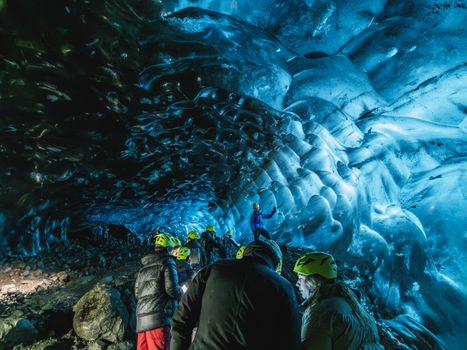
Iceland, the land of fire and ice, offers a unique self-guided caving experience that transports you directly into the Earth’s fiery past. Just a short drive from Reykjavík, Raufarhólshellir, also known as The Lava Tunnel, is one of the longest and best-known lava tubes in Iceland. This isn't a water-carved limestone cave; this is where molten rock once flowed, leaving behind a surreal, colorful, and utterly fascinating subterranean landscape.
While Raufarhólshellir offers guided tours for deeper exploration, during the summer months, they often have a designated self-guided section for a more independent experience. You'll walk along a well-maintained boardwalk, allowing you to safely explore the main chamber and marvel at the incredible lava formations, vivid mineral colors (reds, yellows, greens), and the sheer power of volcanic activity. The lighting is subtle but effective, highlighting the unique geological features.
My Personal Take:
The contrast between Iceland's stark, treeless surface and the vibrant, textured interior of the lava tunnel was astonishing. I remember tracing the lines where the lava had flowed, imagining the immense heat and power that created such a place. It felt like walking through the very veins of the Earth.
Practical Tips:
* Getting There: Approximately a 30-minute drive from Reykjavík. Public transport isn't direct, so a car or a bus tour is needed.
* Entry Fee: Varies depending on guided vs. self-guided options, but expect around ISK 6,000-8,000 for the self-guided entrance (check their website for current pricing and availability of self-guided tours, as they can be seasonal).
* Best Time to Visit: Summer for potential self-guided options. The cave is open year-round, but conditions and tour types vary.
* Instagram-Worthy Shot: The vibrant colors of the rock walls, especially where the light catches them, or the perspective down the long tunnel.
* Pro Tip: Dress warmly, even in summer! The cave temperature is consistently around 40°F (4°C). Good, sturdy shoes are essential as the boardwalk can be damp.
6. Phong Nha-Ke Bang National Park, Vietnam – Paradise Unveiled
Phong Nha-Ke Bang National Park in Vietnam is a UNESCO World Heritage site renowned for its colossal cave systems, including the world's largest, Son Doong Cave (which definitely requires a guide and a hefty budget!). But fear not, intrepid solo explorer, because within this park lies Thien Duong Cave, or Paradise Cave, which offers a magnificent self-guided experience for its initial, most accessible section.
After a short electric buggy ride and a walk through lush jungle, you'll reach the entrance. Step inside, and prepare to be awestruck. Paradise Cave is often lauded as one of the most beautiful dry caves in the world, and it lives up to the hype. The first kilometer of the cave is equipped with a beautifully constructed wooden boardwalk and subtle lighting, allowing you to wander at your own pace through truly gigantic chambers adorned with breathtaking stalactites and stalagmites. The sheer scale of some of these formations is mind-boggling – it feels like walking through an alien cathedral.
My Personal Take:
I remember the cool rush of air as I entered Paradise Cave, a welcome relief from the humid jungle heat. The first chamber alone made my jaw drop. The pathways are so well-designed that you can truly lose yourself in the grandeur without feeling rushed, stopping to admire formations that resemble everything from ancient temples to mythical creatures. It felt like I had stumbled upon a hidden world.
Practical Tips:
* Getting There: Paradise Cave is about 70km from Dong Hoi (the nearest city with an airport/train station). Many guesthouses in Phong Nha town offer scooter rentals (around 100,000-150,000 VND/day) or you can hire a private car/taxi.
* Entry Fee: Around 250,000 VND per person for cave entry, plus 100,000 VND for the electric buggy ride (return).
* Best Time to Visit: The dry season (April to August) is ideal, but the cave maintains a cool, stable temperature year-round.
* Instagram-Worthy Shot: The massive, illuminated chambers and the intricate details of the formations. A wide-angle lens is your friend here!
* Pro Tip: Wear comfortable walking shoes. While the boardwalk is easy, there's a slight incline. Combine your visit with other activities in Phong Nha, like exploring Phong Nha Cave by boat or cycling through the picturesque countryside.
Dare to Descend: Your Next Great Adventure Awaits
There’s something uniquely profound about venturing into the Earth’s hidden chambers, especially when you’re the master of your own journey. These self-guided cave systems offer not just incredible natural beauty, but a chance for personal reflection, a test of courage, and an unforgettable adventure that will stay with you long after you’ve re-emerged into the sunlight.
Each drip of water, each echo in the vast darkness, each formation sculpted over millennia tells a story. And when you explore these wonders without a guide, you get to write your own chapter in that story. So, pack your headlamp, lace up your boots, and prepare to be amazed. The underground world is calling, and it's waiting for you to discover its secrets.
Which of these incredible caves will be your first solo subterranean adventure? Have you explored a self-guided cave that blew your mind? Share your stories and tips in the comments below – we’d love to hear them! And don't forget to share this post with your fellow adventurers. Let's inspire more people to explore the incredible wonders beneath our feet!
---