The Whispers of a Pristine World: Your Call to Responsible Exploration
I remember the first time I truly felt it – the profound, almost spiritual connection to a place so untouched, it felt like a secret whispered just to me. It was a tiny, nameless cove on a remote island off the coast of Palawan, accessible only by a small, hand-paddled boat through a labyrinth of mangroves. The air was thick with the scent of unfamiliar blossoms, the only sound the distant call of a bird I couldn't identify. Below me, a turquoise lagoon cradled a coral reef so vibrant it looked like a painter's wildest dream. No footprints marred the sand, no drone buzzed overhead. It was pure, unadulterated paradise.
And in that moment of breathtaking discovery, a profound sense of responsibility washed over me. This wasn't just my secret; it was a treasure belonging to the world, a fragile whisper in an increasingly loud planet. How could I experience this, share its wonder, yet ensure it remained pristine for generations to come? This question has guided my travels ever since, especially as I seek out those extraordinary places teetering on the edge of discovery, just before the mainstream descends.
At Tripsora, we believe travel should enrich, not exploit. We chase the thrill of discovery, yes, but with a deep reverence for the destinations we visit. If you, like me, dream of exploring Earth's most delicate wonders – those hidden gems that haven't yet graced a thousand Instagram feeds – then this guide is for you. It’s about being a guardian, not just a visitor, ensuring your awe-inspiring journey leaves only positive ripples.
The Allure and the Albatross: Understanding "Fragile Before Mainstream"
What exactly constitutes a "fragile ecosystem before it becomes mainstream"? Think of places like the remote cloud forests of Central America, housing endemic species found nowhere else; the delicate coral atolls of the Pacific, battling rising sea levels and ocean acidification; the ancient, sacred landscapes of indigenous communities, whose cultures are as vulnerable as their environment; or even certain untamed stretches of the Amazon, vital lungs of our planet.
These are not your typical tourist hotspots. They often lack developed infrastructure, boast unique and highly sensitive biodiversity, and are frequently home to indigenous populations with deep-rooted cultural practices. Their importance cannot be overstated: they are biodiversity hotspots, crucial climate change indicators, and irreplaceable reservoirs of cultural heritage.
The paradox for us, the intrepid travelers, lies in our very desire to explore them. Our yearning for authentic, untouched experiences, while entirely natural, carries the albatross of potential harm. Like a delicate, rare flower, these places bloom in obscurity, and too much attention – even well-meaning – can cause them to wilt. The challenge, and our mission, is to navigate this paradox with profound respect and unwavering commitment to preservation. We want to witness their magic, not inadvertently dim their light.
The Pre-Trip Deep Dive: Research Like a Pro, Not a Prowler
Your responsible journey begins long before you pack your bags. This isn't just about booking flights; it's about becoming an informed, respectful explorer.
1. Ethical Operators First & Foremost:
This is your golden rule. Prioritize local, eco-certified, and community-based tour operators. How do you spot them?
* Certifications: Look for internationally recognized certifications like Green Globe, EarthCheck, or local, credible eco-tourism awards. These indicate a commitment to environmental protection and social responsibility.
* Transparent Practices: Ethical operators will clearly state their commitment to conservation, fair wages, small group sizes, waste management policies, and how they invest profits back into the community. A quick search for "sustainable tours [destination]" is a great starting point.
* Local Guides: Opt for tours that employ and empower local guides. They possess invaluable knowledge of the ecosystem, culture, and local customs, ensuring a more authentic and less intrusive experience. I once paid a bit extra for a tour guide in the Pantanal who was a former poacher turned conservationist – his insights were profound and his dedication inspiring. It’s an investment, not an expense.
2. Cultural Competence is Key:
Before you set foot in a new land, invest time in understanding its people. Learn basic greetings, common phrases, appropriate dress codes, and social norms.
* Dress Code: In many indigenous communities or conservative regions, modest clothing is a sign of respect. Pack accordingly.
* Gestures & Customs: I once nearly caused offense in a remote village in Southeast Asia by unknowingly pointing with my foot – a huge no-no! A few minutes of research beforehand would have saved me the embarrassment and shown proper respect. Understanding these nuances makes you a welcome guest, not an ignorant intruder.
3. Minimize Your Footprint Before You Go:
Your packing list is your first line of defense.
* Plastic-Free & Reusable: Pack a reusable water bottle (and a filter if needed), reusable shopping bags, and solid toiletries (shampoo bars, soap) to avoid plastic waste. Many remote areas lack proper waste management, so every piece of plastic you generate becomes a burden.
* Reef-Safe Sunscreen: If you're near water, this is non-negotiable. Chemical sunscreens (containing oxybenzone, octinoxate) devastate coral reefs. Opt for mineral-based sunscreens with zinc oxide or titanium dioxide. Brands like Raw Elements or Stream2Sea are excellent choices.
* Pack Light: Less weight means less fuel consumption for transport.
* Eco-Friendly Gear: Consider investing in gear made from sustainable materials.
4. Financial Preparedness & Ethical Spending:
* Local Currency: Carry local currency in small denominations. Many remote areas don't accept cards.
* Tipping: Understand local tipping customs. If unsure, ask your ethical tour operator.
* Direct Support: Prioritize buying directly from local artisans and farmers. Your money goes straight to the community, bypassing middlemen. For example, in parts of the Amazon basin, purchasing a handmade craft from an indigenous community ensures your money supports their livelihoods and helps them protect their ancestral lands and cultural practices against external pressures.
On the Ground: Leave No Trace (and Leave a Positive Impact)
You’ve arrived. The air is different, the sights are new, and the adventure truly begins. Now, your actions matter more than ever.
1. Stick to the Path (Literally):
This isn't just a suggestion; it's a vital rule in fragile ecosystems. Marked trails are there for a reason – to protect delicate flora, prevent soil erosion, and avoid disturbing wildlife habitats. Even a single footprint off-trail can compact soil, crush small plants, and disrupt delicate ecosystems that have taken centuries to form.
2. Waste Not, Want Not: Become a Custodian:
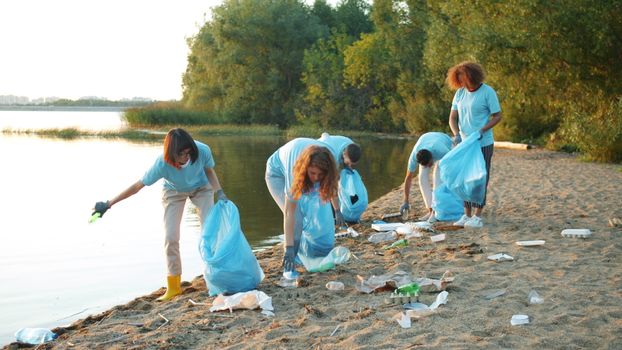
Pack out everything you pack in. Yes, everything. This includes organic waste like fruit peels, which can introduce non-native seeds or disrupt local wildlife diets if left behind. Carry a small, sealable "trash bag" for all your waste. This means wrappers, tissues, and even those tiny plastic tags from new purchases. In remote areas, there often isn't any waste infrastructure, so your garbage becomes their problem.
3. Wildlife Wisdom: Observe, Never Interfere:
* Distance is Respect: Always observe wildlife from a respectful distance. Use binoculars or a telephoto lens if you want a closer look.
* Never Feed or Touch: Feeding animals can alter their natural behaviors, make them dependent on humans, and expose them to diseases. Touching can transfer pathogens and cause undue stress.
* No Selfies with Wildlife: That viral photo of someone hugging a sloth or petting a monkey? It’s almost certainly causing stress or harm to the animal. Prioritize their well-being over your social media likes. I once saw a tourist trying to get a selfie with a wild monkey in Costa Rica, completely oblivious to the stress it was causing the animal, which eventually bared its teeth. It's a powerful reminder that our desire for a photo can harm.
4. Water & Energy Conservation: Mind Your Resources:
Many fragile ecosystems, especially islands or arid regions, have limited access to fresh water and reliable energy. Be mindful: take shorter showers, turn off lights and air conditioning when you leave your accommodation, and report any leaks. Every drop, every watt, counts.
5. Support Local, Buy Local: Empower Communities:
* Eat Local: Skip the international chains. Dine at family-run eateries, street food stalls (if safe and recommended by locals), and small cafes. This injects money directly into the local economy and offers a true taste of the culture.
* Handicrafts & Services: Purchase handicrafts directly from the artisans. Consider local guides, small boat operators, or homestays. In places like the Peruvian Amazon, I’ve stayed in eco-lodges run entirely by indigenous communities, where my payment directly supported their schools and healthcare initiatives. These experiences are often more authentic and impactful than luxury resorts.
6. Ethical Photography: Capture Moments, Not Exploitation:
* Ask Permission: Before photographing people, especially children, always ask for permission. A simple gesture or a few words in their language goes a long way. Respect a "no."
* Avoid Staging: Don't ask people to pose or perform for your camera. Capture genuine moments.
* Consider the Context: Think about the story your photo tells. Is it respectful? Does it reinforce stereotypes, or does it celebrate authenticity?
Beyond the Photo: Engaging Authentically, Not Exploiting Visually
Your journey through a fragile ecosystem is more than just a collection of stunning photos. It's an opportunity for deep connection and learning.
1. Listen More Than You Speak:
Engage with locals. Hear their stories, understand their challenges, and learn about their relationship with the land. Your role is often to listen, not to lecture or impose. In a remote village in Northern Thailand, I spent an entire afternoon simply listening to an elder describe the traditional uses of local plants. It was a profound lesson in interconnectedness and sustainable living, far more valuable than any guided tour.
2. Volunteer Responsibly (or Not at All):
The allure of "voluntourism" can be strong, but it's often fraught with issues. Be wary of programs that displace local labor, lack long-term impact, or exploit vulnerable communities. If you truly want to volunteer, choose accredited, long-term programs with clear objectives, transparent funding, and a proven track record of community benefit. Research thoroughly to ensure your efforts are genuinely helpful, not harmful.
3. The Power of Your Presence:
Understand that even your simple presence has an impact. Be a guest, not a consumer. Approach every interaction with humility and gratitude. Your behavior, your attitude, and your choices resonate far beyond your immediate experience.
4. Sharing Responsibly: Educate, Don't Exploit:
When you return home and share your incredible journey on social media, think deeply about the impact of your posts.
* Avoid Geo-Tagging Ultra-Sensitive Spots: Resist the urge to pinpoint exact locations of truly hidden, fragile gems. "Vague-tagging" a region or a national park is often more responsible.
* Educate, Don't Just Showcase: Instead of just posting a beautiful picture with a generic caption, use your platform to educate your followers on responsible practices. Share your tips, highlight the challenges these places face, and inspire others to travel mindfully. For example, instead of simply "#SecretBeachParadise," try "#RespectingNature #SustainableTravel #ProtectOurPlanet." Your captions can be powerful tools for advocacy.
The Ripple Effect: Advocating for Preservation, Not Just Posting
Your commitment to responsible tourism doesn't end when you unpack your bags. In fact, it's just beginning.
1. Post-Trip Advocacy & Education:
* Share Responsibly: Continue to share your experiences, but focus on the lessons learned, the challenges faced by these communities and ecosystems, and the importance of preservation.
* Be an Ambassador: Educate your friends, family, and network about responsible travel practices. Encourage them to think before they travel, to research ethical operators, and to minimize their footprint. Your personal story is a powerful tool.
2. Financial Contributions: Put Your Money Where Your Heart Is:
* Support Conservation: Consider donating to local conservation efforts or community development projects in the areas you visited. Many national parks, local NGOs, or indigenous community groups have "adopt-a-species," "support-a-ranger," or direct donation programs that make a tangible difference. A small donation to a local turtle conservation group I encountered in Mexico helped fund their patrols and egg protection efforts for an entire season.
* Choose Ethical Brands: Beyond your trip, continue to support companies and brands that demonstrate a commitment to environmental sustainability and ethical practices.
3. Stay Informed & Engaged:
The world is constantly changing. Keep learning about the regions you've visited, the global challenges they face, and new ways to contribute positively. Follow conservation news, support environmental policies, and continue to deepen your understanding of our interconnected planet.
The Guardians of the Unspoiled
Exploring fragile ecosystems before they become mainstream is a privilege, a profound honor that comes with immense responsibility. It's about more than just seeing beautiful places; it's about understanding their vulnerability, respecting their inhabitants, and actively contributing to their survival.
We, as travelers, have the power to be catalysts for positive change. We can choose to be the gentle footsteps that leave no trace, the mindful eyes that observe with reverence, and the compassionate hearts that advocate for preservation. Join the movement of mindful explorers. Let's ensure the whispers of these pristine worlds continue to echo for generations, undisturbed by the clamor of mass tourism, cherished by those who truly understand their value. Your next adventure awaits – make it one that truly matters.
---