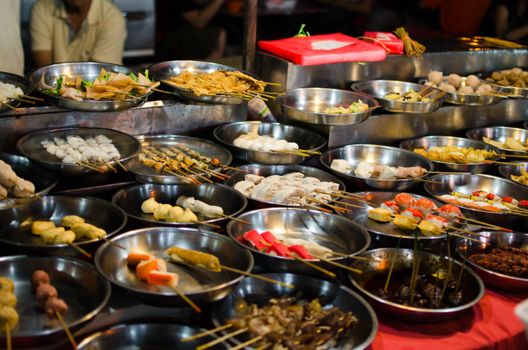
Beyond the Bite: How Scary Street Food Transformed My Travel Soul
I remember it like it was yesterday: the humid air of a Manila night market, the symphony of sizzling woks, and the scent of unknown spices mingling with exhaust fumes. My stomach was doing a happy dance, ready for anything... almost. Then I saw it. A vendor, with a warm, inviting smile, was selling what looked suspiciously like a partially developed duck embryo in a shell. My gut reaction was pure, unadulterated revulsion. Every fiber of my being screamed, "NOPE. Absolutely not."
For years, I’d considered myself an adventurous eater. I’d tackled spicy curries, unusual cuts of meat, and even some organs. But this? This was a whole new level of "scary." My travel companion, ever the instigator, nudged me. "Come on, you're a travel blogger! 'Do it for the content!'" he joked. But beneath the bravado, I knew he was right. This was a moment of truth. Would I let fear dictate my experience, or would I push past the visual and embrace the unknown?
That night, with a pounding heart and a prayer to the street food gods, I tried Balut. And you know what? It wasn't just okay. It was surprisingly, shockingly, unbelievably delicious. The rich, savory broth, the tender yolk, the subtle crunch of the... well, let's just say "developing parts"... it was an explosion of flavor I never anticipated. That single bite wasn't just a culinary discovery; it was a revelation that changed my entire approach to travel and life. It taught me that often, the most extraordinary experiences hide behind the most intimidating facades.
Since then, "scary" street food has become my personal quest. I actively seek out the bizarre, the visually challenging, the dishes that make other travelers recoil. Because more often than not, these are the foods that tell the deepest stories, offer the most authentic flavors, and forge the most unforgettable memories. They are the gateway to understanding a culture on a visceral level, proving that beauty (and deliciousness!) truly is in the eye of the beholder, or rather, the palate of the brave.
Join me as I recount some of my most memorable encounters with street foods that look terrifying but taste absolutely amazing, forever changing my life and palate.
---
1. Balut: The Embryonic Elixir of Manila (Philippines)
What it looks like:
A duck egg. But crack it open, and you'll find a partially developed duck embryo, complete with visible veins and sometimes even tiny feathers. Yeah, I know.
The "Scary" Factor: The visual. It's the ultimate "don't think about it" food.
The "Amazing" Taste: Oh, my friends, this is where the magic happens. The broth inside is incredibly savory and rich, almost like a clear, intensely flavored chicken soup. The yolk is creamy and decadent, and the "meat" (if you can get past the visual) is tender and surprisingly delicious. It’s a complete flavor bomb – salty, umami, and deeply satisfying.
My first Balut experience, as mentioned, was in Manila. I found a vendor in the bustling Quiapo Market, a hub of local life and incredible food. He smiled, sensing my hesitation, and gestured for me to try. He showed me how to gently tap the top of the egg, peel back a small portion of the shell, sip the broth first, then add a dash of vinegar and salt before diving into the rest. The initial sip of warm, salty broth was a revelation. It tasted like pure comfort. The rest was a journey of textures and flavors – a tender yolk, a firmer albumen, and yes, the tiny, soft "duckling" parts. It was complex, hearty, and utterly unique.
Location & Price:
Widely available from street vendors across the Philippines, especially in night markets. Expect to pay around PHP 20-30 ($0.35 - $0.50 USD) per egg.
Pro Tip: Don't look too closely! Just crack, sip the broth, season, and go for it. The vinegar and salt cut through the richness beautifully.
---
2. Durian: The Pungent King of Fruits (Southeast Asia)
What it looks like:
A formidable, spiky, football-sized fruit. Think medieval mace meets a giant avocado.
The "Scary" Factor: The smell. Oh, the smell. It's legendary for a reason. Often described as a mix of rotten onions, gym socks, and sewage, it's so potent that many hotels and public transport systems in Southeast Asia ban it.
The "Amazing" Taste: If you can brave the olfactory assault, you're rewarded with a custard-like flesh that is incredibly sweet, creamy, and complex. It’s like a rich vanilla pudding with notes of almond, caramel, and sometimes even a hint of savory garlic. It melts in your mouth, leaving a lingering, almost intoxicating flavor.
My first encounter with Durian was in Bangkok, Thailand. I’d heard the horror stories, seen the "no durian" signs, and was convinced it was just a prank. Then I walked past a fruit stall in Or Tor Kor Market (a cleaner, more upscale market, but still very authentic) and the smell hit me like a physical wall. My eyes watered, and I instinctively recoiled. "How could anyone eat that?!" I thought.
But curiosity, as always, won. My Thai friend, laughing at my theatrics, insisted I try a small piece. He picked a beautiful, ripe "Monthong" variety, known for its milder scent and sweeter taste. The vendor, accustomed to tourist reactions, offered a tiny sample. I pinched my nose, took a deep breath, and popped it in. The immediate flavor was... surprising. Sweet, incredibly creamy, and rich, like a luxurious, tropical dessert. The "rotten onion" smell vanished, replaced by a profound, almost addictive sweetness. I was hooked.
Location & Price:
Abundant in Thailand, Malaysia, Indonesia, and Vietnam. You'll find it in local markets. Prices vary wildly by season and variety, but a small portion might cost 100-300 THB ($3-9 USD) in Thailand or 10-30 MYR ($2-7 USD) in Malaysia.
Pro Tip: Start with a "sweeter" variety like Monthong. Try it fresh, or in a delicious sticky rice with durian dessert. Don't let the smell deter you; the taste is a world apart!
---
3. Chapulines: The Crunchy Critters of Oaxaca (Mexico)
What it looks like:
Toasted grasshoppers. Yes, actual, whole grasshoppers, often seasoned with chili, garlic, and lime. You can see their little legs, antennae, and eyes.
The "Scary" Factor: The "ick" factor of eating insects. For many, it's a primal aversion.
The "Amazing" Taste: Forget what you think you know about eating bugs. Chapulines are incredibly crunchy, savory, and tangy. They have an earthy, slightly nutty flavor, enhanced by the vibrant notes of chili and lime. They're addictive, like gourmet potato chips, but with a much more satisfying crunch.
My journey to Oaxaca, Mexico, was filled with vibrant colors, rich history, and the promise of incredible food. But I wasn't quite prepared for the abundance of chapulines. In the bustling Mercado 20 de Noviembre, vendors piled them high in baskets, shimmering with seasoning. My initial reaction was pure fascination mixed with a healthy dose of apprehension. I saw locals scooping them up by the handful, sprinkling them on tacos, or just munching them as a snack.
A friendly vendor, noticing my wide-eyed stare, offered a small sample. "Con limon y chile, señorita!" she chirped. Hesitantly, I picked up a few. They were light, dry, and surprisingly clean-looking. The first bite was an explosion of flavor: the zing of lime, the warmth of chili, and that incredible, satisfying crunch. The earthy notes of the grasshopper itself came through, reminiscent of toasted nuts or dried mushrooms. I found myself reaching for more, my initial apprehension melting away with each delicious crunch. They became my go-to snack in Oaxaca, especially paired with a glass of mezcal!
Location & Price:
Most prevalent in Oaxaca, Mexico, especially in local markets like Mercado Benito Juárez and Mercado 20 de Noviembre. A small bag might cost 20-50 MXN ($1-3 USD).
Pro Tip: Don't just eat them plain! The lime and chili seasoning is essential. Try them as a topping for tacos, quesadillas, or guacamole for an extra layer of crunch and flavor.
---
4. Stinky Tofu: The Olfactory Challenge of Taiwan (and Beyond)
What it looks like:
Deep-fried cubes of tofu, often served with pickled cabbage and chili sauce. Appearance-wise, it's pretty unassuming.
The "Scary" Factor: The smell. This isn't just "pungent" like durian; it's often described as smelling like rotten garbage, sewage, or dirty socks. You can smell a stinky tofu stall from blocks away, and it's enough to make many tourists turn and run.
The "Amazing" Taste: This is the ultimate bait-and-switch. Despite the horrific smell, the taste is savory, umami-rich, and incredibly satisfying. The deep-fried version has a wonderfully crispy exterior and a soft, custard-like interior, absorbing all the delicious sauces. It's complex, fermented, and deeply flavorful – nothing like its smell suggests.
My first encounter with Stinky Tofu was at Shilin Night Market in Taipei, Taiwan. I’d read about it, but nothing prepared me for the sheer intensity of the aroma. It was truly overwhelming, a cloud of foulness that seemed to follow me. I almost gave up, my stomach churning just from the smell. But then I saw locals, happily chowing down, their faces alight with enjoyment. How could something so repulsive to my nose be so delightful to their palates?
I finally found a stall with a long line, a good sign in any night market. Taking a deep breath, I ordered a small plate of deep-fried stinky tofu. The vendor handed me a container with crispy golden cubes, topped with a generous dollop of pickled cabbage and a drizzle of chili sauce. I took my first bite, bracing myself. The crisp exterior gave way to a soft, flavorful interior. The taste was rich, savory, and fermented in the best possible way, completely devoid of the foul smell that permeated the air. It was like a magical transformation – the taste was pure umami comfort, perfectly balanced by the tangy cabbage and spicy sauce. It was an experience that truly defied logic.
Location & Price:
Found in night markets across Taiwan (Shilin, Raohe, Ningxia in Taipei are great spots) and also in Hong Kong and parts of mainland China. A plate typically costs TWD 50-80 ($1.50 - $2.50 USD).
Pro Tip: Go for the deep-fried version first, as the crispy crust acts as a barrier to the smell. Always eat it with the accompanying pickled cabbage and chili sauce – they cut through the richness and enhance the flavor.
---
5. Haggis: The Scottish Stomach-Stuffer (Scotland)
What it looks like:
A savory pudding encased in a sheep's stomach. When served, it often looks like a dense, oatmeal-colored sausage or patty.
The "Scary" Factor: The ingredients list: sheep's pluck (heart, liver, lungs), minced with onion, oatmeal, suet, spices, all traditionally boiled in the animal's stomach. It's the "don't ask, don't tell" of British cuisine for many.
The "Amazing" Taste: It’s incredibly hearty, savory, and deeply flavorful. The texture is crumbly and moist, almost like a rich, peppery sausage meatloaf. The spices give it a wonderfully earthy warmth, making it the ultimate comfort food, especially on a chilly Scottish day.
My trip to Scotland was filled with dramatic landscapes, ancient castles, and the promise of whisky. But I knew I couldn't leave without trying Haggis. I first encountered it at the Edinburgh Fringe Festival, where several street food stalls offered "Haggis, Neeps, and Tatties" (turnips and potatoes). The idea of eating sheep's organs encased in a stomach wasn't exactly appetizing, but the cold Scottish air and the enthusiastic crowds made me feel brave.
I ordered a small portion, trying not to dwell on the description. The first forkful revealed a rich, peppery, and incredibly satisfying flavor. It was earthy, savory, and wonderfully spiced, with a texture that was firm yet crumbly. Paired with the creamy mashed potatoes and sweet, earthy turnips, it was a perfectly balanced, comforting meal. It tasted nothing like what I imagined "organ meat" to taste like; instead, it was a delicious, robust dish that instantly warmed me from the inside out. It felt like a culinary hug, a true taste of Scottish tradition.
Location & Price:
While often found in pubs and restaurants, during festivals (like the Fringe) or at specific street food markets, you can find Haggis stalls. A small street portion might cost £5-£10 ($6-12 USD).
Pro Tip: Don't think about the ingredients. Just enjoy the rich, peppery, savory flavor. It's best served with "neeps and tatties" (mashed turnips and potatoes) to complete the traditional experience.
---
6. Mopane Worms: The Protein Powerhouse of Southern Africa
What it looks like:
Dried caterpillars, often rehydrated and fried, or stewed. They’re dark, wrinkled, and definitely look like what they are: large, dried insects.
The "Scary" Factor: Similar to chapulines, it's the visual of eating a large caterpillar. The texture can also be off-putting for some.
The "Amazing" Taste: Once you get past the visual and texture, Mopane worms offer a surprisingly pleasant, earthy, and savory flavor. They have a slightly nutty taste, often compared to dried mushrooms or even biltong (South African dried meat). They're packed with protein and incredibly nutritious.
My adventure through Southern Africa brought me to Botswana, where I was exploring local markets. In a bustling market in Maun, I spotted a vendor selling large piles of what looked like dark, dried twigs. Upon closer inspection, I realized they were Mopane worms. My local guide explained they were a staple food, especially in rural areas, prized for their nutritional value.
He encouraged me to try them. I chose a small handful that had been rehydrated and lightly fried. The first bite was... chewy. Very chewy. But then, an earthy, savory flavor emerged, surprisingly pleasant and not at all "bug-like." It was reminiscent of a deeply flavored, slightly chewy jerky, with a subtle nuttiness. It wasn't love at first bite, but it was certainly an interesting and rewarding experience. They felt incredibly wholesome and connected me to the local diet in a profound way.
Location & Price:
Common in markets and roadside stalls in Botswana, Zimbabwe, and parts of South Africa. A small portion might cost 20-50 BWP ($1.50 - $4 USD) in Botswana.
Pro Tip: Try them prepared in different ways – fried for a crispier texture, or stewed for a softer, more integrated flavor. They're often eaten with pap (a porridge made from maize meal).
---
Mastering the Art of Brave Eating: Your Actionable Guide
So, how do you conquer your fears and dive into the world of "scary but amazing" street food? Here are my tried-and-true tips:
- Embrace the "Why": Remind yourself that food is culture. Trying these dishes is a sign of respect, an act of cultural immersion, and an incredible way to connect with locals. It's not just about eating; it's about experiencing.
- Choose Your Vendor Wisely: Look for stalls with long lines of locals – this is usually a sign of good taste and fresh, safe ingredients. Observe their hygiene practices: clean surfaces, fresh oil, and properly stored food.
- Start Small: You don't have to order a full plate. Ask for a small sample or just one piece. Many vendors are happy to offer a taste, especially if you show genuine curiosity.
- Go with a Local: If possible, have a local friend or guide with you. They can help you order, explain the dish, and offer encouragement. Their enthusiasm is contagious!
- Don't Overthink It (Initially): For visually challenging foods, try to take the first bite without staring too long. Once the flavors hit, your brain often overrides the initial visual aversion.
- Seasoning is Your Friend: Many "scary" foods are served with condiments like chili sauce, lime, vinegar, or fresh herbs. These often enhance the flavor and can make the experience more palatable.
- Stay Hydrated & Carry Sanitizer: Always have bottled water on hand. Carry a small bottle of hand sanitizer for before and after eating, especially in bustling markets.
- Be Allergy Aware: If you have any allergies, be extra cautious. While street vendors are usually helpful, language barriers can make it difficult to ascertain ingredients. When in doubt, it's better to skip.
- Be Open-Minded and Respectful: Even if you don't love a dish, appreciate the effort and the cultural significance. A simple "thank you" and a smile go a long way.
---
The Unforgettable Lesson
Each of these culinary adventures, from the embryonic surprise of Balut to the crunchy delight of Chapulines, has been more than just a meal. They’ve been lessons in open-mindedness, resilience, and the sheer joy of discovery. They’ve taught me that sometimes, the most rewarding experiences are the ones that challenge your comfort zone the most.
By daring to try these "scary" foods, I haven't just expanded my palate; I've expanded my understanding of the world. I've connected with locals over shared laughter and delicious bites, broken down personal barriers, and created stories that I’ll tell for a lifetime. These aren't just meals; they are gateways to deeper, richer, and more authentic travel experiences.
So, the next time you encounter a street food that makes your stomach churn and your mind scream, "No way!" take a deep breath. Remember my journey. Take that leap of faith. You might just discover not only your next favorite dish but also a whole new part of yourself.
What's the scariest street food you've ever tried, or the one you're dying (or terrified) to try? Share your stories in the comments below! Let's inspire each other to eat adventurously!