Monsoon Magic: The Secret Adventures Locals Don't Share (Because They Want Them All To Themselves!)
The first fat drops hit the dusty street with a theatrical thwack, sending up tiny plumes of red earth. I was perched on a rickety plastic stool outside a chai stall in Fort Kochi, Kerala, nursing a sweet, milky brew. Overhead, the sky had turned an ominous, bruised purple. Tourists, who moments ago were haggling for spices or posing by Chinese fishing nets, scattered like startled pigeons, diving into shops or hailing auto-rickshaws. "Monsoon!" someone shrieked, half in panic, half in excitement.
My first monsoon experience. And honestly? I was thrilled.
For years, I’d been like everyone else, meticulously planning my trips around the dry season, chasing that perfect sun-drenched postcard shot. But a chance encounter with a local artist in Goa, who waxed poetic about the "real Goa" that emerged with the rains, planted a seed. He spoke of emerald landscapes, roaring waterfalls, and a tranquility that vanished with the tourist hordes. He said, with a conspiratorial wink, "It's our secret season. The best time."
And he was right. I’ve since chased monsoon magic across continents, from the misty hills of Northern Thailand to the verdant backwaters of India, and let me tell you, it's a game-changer. This isn't just about avoiding crowds; it's about experiencing destinations in their purest, most vibrant, and often most soulful form. It's about tapping into a secret rhythm, a quiet beauty that locals cherish, and maybe, just maybe, don't want the rest of the world to know about.
So, ditch the conventional wisdom, pack your sense of adventure (and a good raincoat!), and let's dive into the exhilarating world of monsoon travel.
Section 1: The Verdant Veil – When Landscapes Come Alive
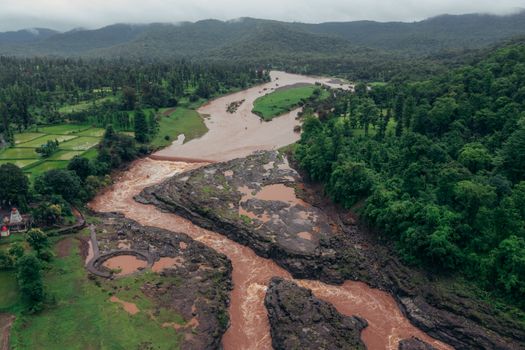
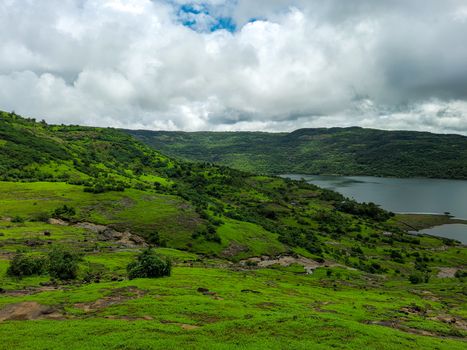
Imagine a world painted in 50 shades of green. That’s the monsoon. Areas that were parched and dusty just weeks before explode with life, becoming lush, vibrant canvases. This transformation is not just beautiful; it's an immersive experience.
My Kerala Revelation:
My journey through Kerala during the tail end of the monsoon was nothing short of a revelation. The famous backwaters, often bustling with houseboats, took on a serene, almost mystical quality. The air was clean, crisp, and carried the scent of wet earth and blooming jasmine.
Instead of the typical tourist route, I hired a local boatman, a quiet man named Raju, who took me deeper into the narrower canals. We passed tiny villages where children played barefoot in puddles, women washed clothes by hand, and the simple rhythm of life unfolded undisturbed. He pointed out kingfishers darting by, their iridescent blue feathers a stark contrast to the emerald foliage. We stopped at a small, family-run homestay where I learned to cook authentic Keralan fish curry (cost: about ₹800 for the cooking class, including dinner). The food tasted richer, the conversation flowed easier. This was the real Kerala, stripped of its tourist facade.
Why it's a local secret:
The dry season brings the crowds, the heat, and often, a slightly jaded local populace. Monsoon brings the rain, yes, but also a renewed sense of community, cooler temperatures, and a natural beauty that feels almost sacred. Locals appreciate this period for its tranquility and the bounty it brings to their land. They don't mind sharing, but they certainly don't advertise it to the masses.
Section 2: Chasing Waterfalls & Misty Mountains – Nature's Raw Power
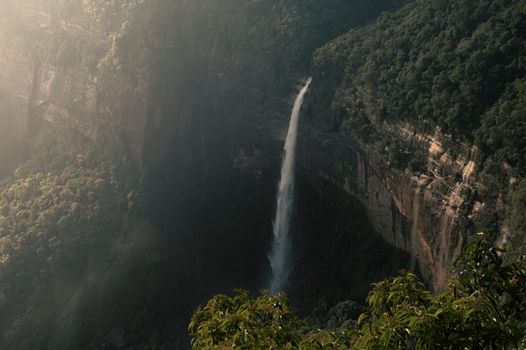
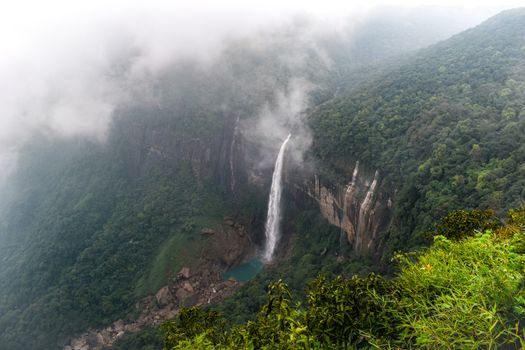
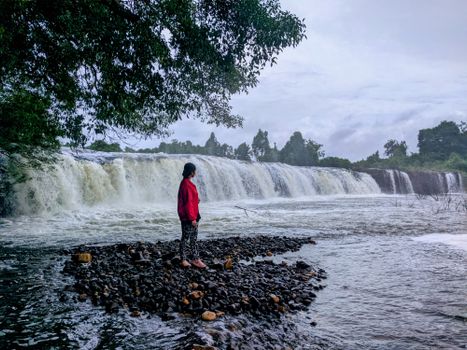
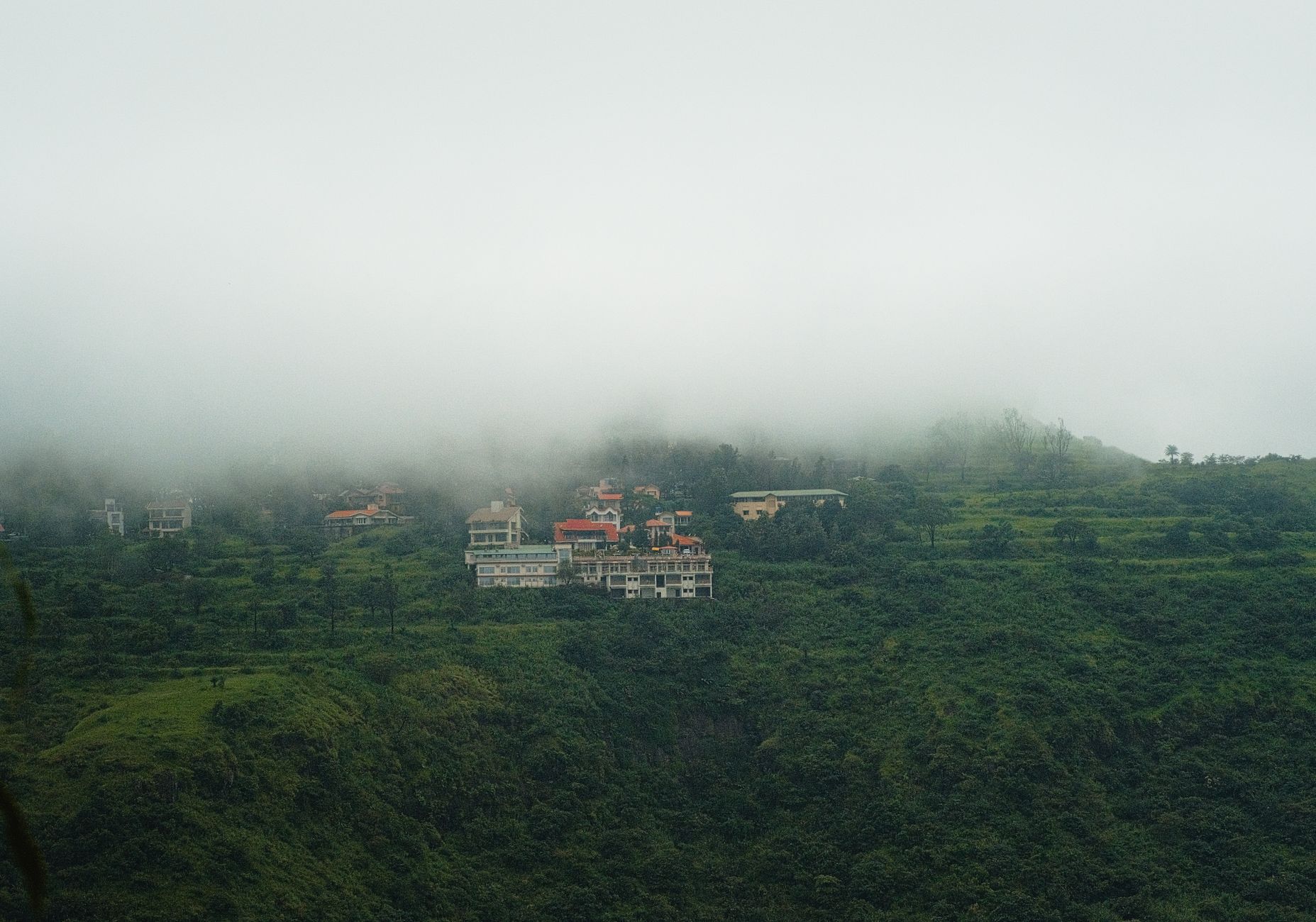
This is where the monsoon truly flexes its muscles. Waterfalls, mere trickles in the dry season, transform into roaring, majestic spectacles. Mountains are shrouded in ethereal mist, creating a dramatic, almost cinematic backdrop for treks and drives.
Goa Beyond the Beaches:
Everyone thinks of Goa for its beaches and parties. But head inland during monsoon, and you’ll discover a completely different side. The Bhagwan Mahavir Wildlife Sanctuary and Mollem National Park are incredible. The Dudhsagar Falls, typically a popular spot, becomes an absolute powerhouse, its four-tiered cascade a frothy white against the dark green forest.
I rented a scooter (₹300/day, but be cautious on wet roads!) and, with a local friend, navigated the winding, rain-slicked roads towards the falls. The journey itself was an adventure – mist hanging heavy in the air, the scent of damp earth and wildflowers, and the occasional glimpse of a vibrant bird. We joined a jeep safari (around ₹500/person for a shared jeep) through the sanctuary to reach the base of Dudhsagar. Seeing that colossal amount of water thunder down was an experience that dwarfed any beach sunset. It was nature untamed, raw, and utterly magnificent.
The Misty Peaks of Chiang Mai:
In Northern Thailand, the misty mountains around Chiang Mai offer a similar allure. While trekking can be challenging due to slippery trails, the rewards are immense. Imagine hiking to a temple like Wat Phra That Doi Suthep, not under a blazing sun, but enveloped in a cool, gentle mist, the golden chedi glowing faintly through the haze. Or discovering a hidden waterfall, like Buatong "Sticky" Waterfall, where the limestone rocks are grippy even when wet, allowing you to climb against the flow of water.
Practical Tip:
Always hire a local guide for treks during monsoon. They know the safest routes, understand the weather patterns, and can point out flora and fauna you’d otherwise miss. Expect to pay around THB 1000-2000 for a full-day guided trek in Thailand, depending on the group size.
Section 3: Cultural Immersion & Culinary Delights – A Taste of Authenticity
With fewer tourists, locals are often more relaxed, open, and eager to share their culture. This is your chance to dive deep, beyond the souvenir shops and into the heart of local life. And the food? Oh, the food!
Cooking Up a Storm in Bali:
While Bali's dry season is synonymous with beach clubs and surfing, the monsoon transforms its interior into a spiritual haven. Ubud, already known for its rice paddies and spiritual retreats, becomes even more magical. The rice paddies are at their most vibrant green, reflecting the cloudy skies like mirrors.
One rainy afternoon, I stumbled upon a small Balinese cooking class (around IDR 350,000-500,000, including market visit and meal) near my guesthouse. It wasn't one of the big, advertised ones. It was held in the family compound of a woman named Wayan. We spent hours preparing traditional dishes like Nasi Goreng and Sate Lilit, chatting about local life, Balinese Hinduism, and her children's schooling. There was no rush, no pressure, just genuine connection. The rain drummed softly on the thatched roof, creating a cozy, intimate atmosphere that would have been impossible during peak season. This was a true insight into Balinese home life, something you rarely get when the island is overrun.
The Monsoon Feast:
Monsoon season often brings specific culinary delights. In India, it's the season for hot, spicy snacks like pakoras and samosas, perfectly paired with a steaming cup of chai. Freshly caught seafood is abundant in coastal areas. In Southeast Asia, certain vegetables and fruits come into season, adding new flavors to local dishes. Seek out local markets – they're less crowded and you'll find seasonal produce you might not see otherwise. Don't be afraid to try street food; just ensure it's freshly cooked and piping hot.
Section 4: Budget Bliss & Cozy Comforts – Your Wallet Will Thank You
Let’s be honest, travel can be expensive. But monsoon season is often considered "off-season," which means significantly lower prices on flights, accommodation, and even some activities. This makes those dream destinations much more accessible.
My Goan Guesthouse Steal:
During my Goa trip, I snagged a beautiful guesthouse room near Palolem Beach for ₹1000/night – a room that would easily go for ₹3000-4000 in December. The guesthouse owner, Francis, told me they barely break even in monsoon, but they stay open for the few "intrepid travelers" and to keep their staff employed. This meant more personalized service, quieter mornings, and genuine conversations.
Flight Deals:
Keep an eye on flight aggregators. You'll often find incredible deals for flights to destinations like Southeast Asia or India during their monsoon periods. I once flew from London to Bangkok for almost half the price I would have paid in the dry season.
Cozy Retreats:
Embrace the rain! Monsoon is the perfect excuse for slow travel. Find a charming guesthouse or boutique hotel with a good balcony or a cozy common area. Spend your afternoons reading, writing, enjoying long conversations with fellow travelers, or simply watching the rain fall. Many places offer special monsoon packages that include spa treatments, cooking classes, or guided local tours.
Cost Breakdown Example (Goa, 5 days, rough estimate):
* Flights (off-season): $300-$500 (international, highly variable) / ₹5000-₹8000 (domestic India)
* Accommodation: ₹1000-₹2000/night x 5 nights = ₹5000-₹10000
* Food: ₹800-₹1500/day x 5 days = ₹4000-₹7500
* Activities (scooter, jeep safari, cooking class, entrance fees): ₹3000-₹5000
* Total (excluding international flights): Approx. ₹12,000 - ₹22,500 (approx. $150-$270 USD) – significantly less than peak season.
Section 5: The Art of Slow Travel & Unexpected Encounters
Monsoon travel forces you to slow down. You can't rush from one sight to another when the skies open up. This enforced pause is a gift, allowing for deeper reflection, unexpected discoveries, and meaningful interactions.
The Rain-Delayed Ferry in Vietnam:
I was on a small ferry in Ha Long Bay, Vietnam, during a particularly heavy downpour. Our scheduled departure was delayed by several hours. Instead of frustration, a sense of camaraderie settled over the small group of passengers. We shared stories, played cards, and drank endless cups of Vietnamese coffee. A local fisherman, also waiting out the rain, showed us how to tie intricate fishing knots. It was an unplanned, unhurried afternoon that turned into one of the most memorable parts of the trip – a genuine connection forged simply because the rain made us stop and be present.
Photography Gold:
For photographers, monsoon is a dream. The soft, diffused light is perfect for capturing landscapes without harsh shadows. The vibrant greens, the dramatic skies, the misty mornings – every frame tells a story. Look for reflections in puddles, the glistening leaves, and the moody atmosphere. It's a chance to capture a destination's less-seen, more artistic side.
Instagram-Worthy Moments:
* A steaming cup of chai/coffee on a balcony overlooking rain-soaked fields.
* The vibrant green of rice paddies reflecting the cloudy sky.
* The raw power of a roaring waterfall.
* A candid shot of children playing in the rain.
* The misty silhouette of a temple or mountain.
* A plate of hot, local monsoon snacks.
* You, in a colorful raincoat, embracing the elements!
Section 6: Practical Tips for Embracing the Rain
While monsoon travel is incredible, it does require a bit of preparation.
- Waterproof Everything: A good quality, lightweight rain jacket is non-negotiable. Invest in waterproof bags or backpack covers. Dry bags are essential for electronics, documents, and anything you absolutely can't get wet.
- Footwear Matters: Forget your fancy sandals. Think quick-drying sandals (like Tevas or Chacos), waterproof hiking shoes, or even rubber boots if you plan on serious trekking.
- Quick-Drying Clothes: Pack synthetic fabrics that dry quickly. Avoid heavy denim or cotton that can stay damp for days.
- Mosquito Repellent: Rain means puddles, and puddles mean mosquitoes. Be diligent with repellent, especially at dawn and dusk. Consider light, long-sleeved clothing.
- Medicine Kit: Carry basic first aid, including remedies for colds, flu, and stomach upsets. Consult your doctor about necessary vaccinations for tropical destinations.
- Flexibility is Key: Weather can be unpredictable. Be prepared for delays or changes in plans. Embrace the spontaneity!
- Embrace the Warmth: While it rains, it often stays warm. Don't expect chilly temperatures unless you're in high altitudes.
- Power Bank: Power outages can happen, especially in more rural areas. A fully charged power bank is a lifesaver for your phone and other devices.
- Local Transport: Be mindful that local transport (buses, trains, auto-rickshaws) might be slower or less frequent during heavy downpours. Plan accordingly.
- Hydrate: Even though it's cooler, you're still in a tropical climate. Drink plenty of bottled water.
Conclusion: Your Invitation to the Secret Season
The monsoon isn't just a season; it's an experience. It's a chance to see destinations through a different lens, to connect with nature on a profound level, and to uncover the authentic heart of a place that often hides beneath the glare of peak-season tourism. It's about trading crowded beaches for misty mountains, bustling cafes for cozy conversations, and predictable itineraries for serendipitous adventures.
The locals, with their quiet smiles and knowing glances, have been keeping this secret for too long. It's time to let them in on the fact that we're onto their magical monsoon.
So, are you ready to defy the norms, embrace the downpour, and discover the hidden beauty that most travelers never get to see? Go on, book that ticket. Your most authentic, vibrant, and unforgettable adventure awaits.
Share your monsoon adventure dreams in the comments below! Have you traveled during the rainy season? What were your favorite discoveries? Let's inspire each other to chase the rain!
---