My Culinary Confrontation: How "Scary" Street Food Became My Greatest Love Affair
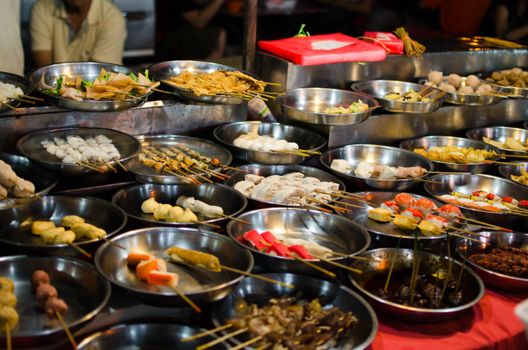
I remember standing in a bustling Bangkok night market, the air thick with the scent of grilled meats, sweet desserts, and something... distinctly insect-like. My eyes landed on a vendor proudly displaying platters piled high with glistening fried scorpions, crunchy grasshoppers, and plump silkworms. My stomach did a nervous flip. "No way," I muttered to myself, clutching my pad Thai like a security blanket.
For years, I was that traveler – adventurous with my destinations, but a creature of comfort when it came to food. I’d try the local curry, sure, or a traditional noodle dish. But anything that looked too... different? Anything that challenged my preconceived notions of "edible"? Hard pass. My palate, I thought, was simply not built for such daring feats.
Then, something shifted. Maybe it was the sheer boredom of eating "safe" food in incredible places. Maybe it was the infectious enthusiasm of fellow travelers. Or maybe, just maybe, it was the realization that I was missing out on a fundamental, visceral connection to the cultures I was exploring. Food, after all, is a language, a history, a soul. And I was only reading the beginner's guide.
So, I made a pact with myself: from that moment on, I would open my mind, and my mouth, to the truly unique, the wonderfully weird, and yes, the downright scary street foods of the world. What I discovered wasn't just new flavors; it was a new way of seeing the world, a new level of confidence, and a profound appreciation for culinary bravery. These aren't just meals; they're stories, adventures, and for me, they changed my life forever.
Ready to challenge your own taste buds? Let's dive into the dishes that dared me, delighted me, and utterly transformed my travel experience.
1. Escamoles in Mexico City: The "Insect Caviar" That Redefined Luxury
The Fear Factor:
Imagine a plate of what looks like tiny, pale, glistening grains, perhaps rice, perhaps... something else. Then you learn they're ant larvae, harvested from agave plants. Yes, ant larvae. My initial reaction was a mix of fascination and a strong urge to run in the opposite direction. It felt like something out of a sci-fi movie.
The First Bite & The Revelation:
My first encounter with escamoles was in a traditional market stall in Mexico City, recommended by a local. They were served in a warm, soft corn tortilla, sautéed simply with butter, epazote (a Mexican herb), and a hint of chili. I took a deep breath, closed my eyes, and bit.
MIND. BLOWN.
The texture was unexpectedly delicate – a soft pop, then a creamy, buttery richness that melted in my mouth. The flavor was subtly nutty, earthy, with a clean finish. It was exquisite, utterly unlike anything I had ever tasted. This wasn't just "not bad"; it was genuinely delicious, a gourmet experience disguised as a creepy-crawly. The vendor, seeing my wide-eyed surprise, chuckled, "Es caviar de insecto, señorita!" – insect caviar. And he wasn't wrong.
Where to Find It:
Look for escamoles in Mexico City's traditional markets like Mercado de San Juan (known for exotic meats) or specific restaurants that specialize in pre-Hispanic cuisine, especially during spring (March-May) when they're in season.
Typical Price: A taco might be 50-80 MXN (approx. $2.50-$4 USD), but a full dish in a restaurant can be much more, reflecting its status as a delicacy.
Tripsora Tip: Don't let the "larvae" part scare you. Focus on the aroma and the simple preparation. It’s a true taste of ancient Mexican culinary heritage.
2. Fried Insects in Bangkok: The Crunchy Gateway to Culinary Courage
The Fear Factor:
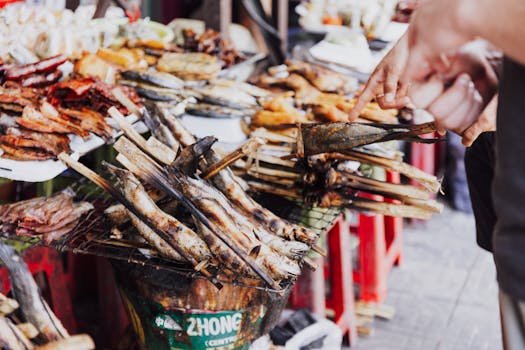
This is the quintessential "scary street food" image. Platters piled high with golden-brown grasshoppers, bamboo worms, silkworms, and even scorpions, often displayed on Khao San Road or bustling night markets. The sight alone is enough to make many tourists walk away. The crunching sound from brave eaters doesn't always help.
The First Bite & The Revelation:
My initial hesitation in Bangkok eventually gave way to curiosity. I started small: a handful of fried grasshoppers from a vendor near Chatuchak Market. They were lightly salted and incredibly crispy, like an earthy, savory potato chip. No weird aftertaste, no sliminess – just pure crunch.
Emboldened, I moved on to bamboo worms (creamy, slightly nutty) and then silkworms (richer, almost like a crispy mushroom). The scorpion was the final boss. It looked menacing, but once fried, it was mostly shell and a surprisingly delicate, almost prawn-like flavor in the tail. The key, I learned, is the frying – it renders them crispy and often seasoned with salt, pepper, or chili.
Where to Find It:
Ubiquitous in tourist-heavy night markets like Khao San Road, Rot Fai Market, and even some local markets.
Typical Price: A small bag of mixed insects usually costs around 20-50 THB (approx. $0.60-$1.50 USD). Scorpions are pricier, around 100-200 THB.
Tripsora Tip: Start with grasshoppers or bamboo worms – they're the most approachable. Think of them as high-protein, sustainable snacks! Pair with a cold local beer for the full experience.
3. Balut in Hanoi/Manila: The Ultimate Test of Willpower
The Fear Factor:
This one is a champion of the "scary food" list. Balut is a fertilized duck egg, incubated for about 14-21 days, then boiled and eaten directly from the shell. When you crack it open, you might see veins, a partially formed embryo, and sometimes even tiny feathers. It's the visual, the texture, and the concept that truly makes people squirm.
The First Bite & The Revelation:
I encountered balut first in Hanoi, Vietnam, from a street vendor pushing a cart late at night. The air was cool, the street lights dim. A group of locals were happily slurping them down. With a deep breath, and a quick prayer, I cracked the top, sipped the broth (surprisingly savory!), and then peeled back more of the shell.
The first bite was a mix of hard-boiled yolk, the rich, flavorful broth, and then... the crunch of something cartilaginous. It was intense. The embryo itself had a distinct, gamey flavor, richer than a regular duck egg. It wasn't "delicious" in the conventional sense, but it was incredibly complex, a deeply satisfying, savory experience. It was a challenge, yes, but a rewarding one. The sense of accomplishment was immense.
Where to Find It:
Popular across Southeast Asia, particularly the Philippines and Vietnam. Look for street vendors in bustling areas, especially at night. In Vietnam, it's called 'trứng vịt lộn'.
Typical Price: Around 10,000-20,000 VND (approx. $0.40-$0.80 USD) in Vietnam, or 20-30 PHP (approx. $0.35-$0.50 USD) in the Philippines.
Tripsora Tip: Don't look too closely! Sip the broth first, then eat the yolk, and finally, take a bite of the embryo. It's often served with salt, pepper, and vinegar or chili sauce to enhance the flavor. It’s a true cultural immersion.
4. Sannakji in Seoul: The Wriggling Wonder That Fights Back
The Fear Factor:
Imagine a plate of freshly chopped octopus tentacles, still wriggling and suctioning onto the plate. That's sannakji. The "scary" part isn't just the movement; it's the very real risk of the suction cups clinging to your throat if not chewed properly. It’s a dish that demands respect and a strong jaw.
The First Bite & The Revelation:
In a lively fish market in Seoul, the vendor deftly chopped a live octopus before my eyes. The tentacles, still twitching, were placed on a plate, drizzled with sesame oil and sprinkled with sesame seeds. My heart pounded. I picked up a piece with chopsticks, dipped it in the accompanying chili sauce, and carefully brought it to my mouth.
The sensation was unlike anything else. The tentacles wriggled and pulsed, creating a unique, almost playful texture. It was chewy, yes, but also incredibly fresh, with a subtle brininess from the sea and a nutty aroma from the sesame oil. The "fight" was exhilarating – a true test of my chewing prowess. It wasn't just food; it was an interactive experience, a thrilling dance between my mouth and the ocean's bounty.
Where to Find It:
Noryangjin Fish Market or Gwangjang Market in Seoul are excellent places to try sannakji, where you can often pick your own octopus.
Typical Price: A plate can cost anywhere from 15,000-30,000 KRW (approx. $11-$22 USD), depending on the size of the octopus.
Tripsora Tip: Chew, chew, chew! Don't rush. The sesame oil helps the tentacles slide down, but proper chewing is crucial to avoid any choking hazards. It’s a truly exhilarating dish!
5. Cuy Chactado in Cusco: The Beloved Peruvian Rodent
The Fear Factor:
In the Andean regions of Peru, cuy (guinea pig) is a traditional delicacy. It's often served whole, roasted or fried, with its tiny paws and head still intact. For many Westerners, the sight of what looks like a roasted pet can be incredibly off-putting, evoking feelings of discomfort rather than hunger.
The First Bite & The Revelation:
I first tried cuy in a local restaurant just outside Cusco. My plate arrived, a whole, golden-brown guinea pig, splayed out. It was undeniably confronting. But the aroma was inviting – savory, roasted, with hints of herbs. I carved off a piece of the crispy skin and tender meat.
The flavor was surprisingly delicious. It tasted like a cross between duck and rabbit – rich, slightly gamey, with a thin layer of succulent fat. The skin was incredibly crispy, almost like crackling. It was a deeply satisfying meal, a testament to the local culinary traditions. Once I got past the visual, I found myself thoroughly enjoying the unique taste and texture. It wasn't just a meal; it was a connection to the ancient Inca culture and their sustainable food practices.
Where to Find It:
Common in Cusco and the Sacred Valley. Look for 'cuy chactado' (fried) or 'cuy al horno' (roasted) in traditional restaurants. Ask locals for their favorite spots.
Typical Price: A whole cuy can cost 40-70 PEN (approx. $10-$18 USD), often served with potatoes and a side salad.
Tripsora Tip: Go with an open mind. Focus on the flavor and the cultural significance. It's a celebratory dish for Peruvians, and experiencing it is a form of respect for their heritage.
6. Hákarl in Iceland: The Fermented Shark That Tests Your Nose (and Stomach)
The Fear Factor:
Hákarl isn't visually terrifying – it looks like innocuous cubes of white fish. But its "scary" factor comes from its overwhelming, pungent aroma and taste. It's fermented Greenland shark, buried for months, then hung to dry. The smell is often compared to ammonia or strong cheese, and it's definitely an acquired taste.
The First Bite & The Revelation:
My encounter with Hákarl was in a small, traditional Icelandic restaurant in Reykjavik. It was served with a shot of Brennivín (Icelandic schnapps), a common pairing. The small cubes sat innocently on a plate. I picked one up, and the ammonia hit me. My eyes watered. My stomach churned.
I popped it in my mouth, chewed quickly, and immediately chased it with the Brennivín. The texture was chewy, slightly rubbery. The taste was intensely fishy, with that strong, sour ammonia tang that lingered. It wasn't "delicious" in the same way escamoles or cuy were. It was a full-body experience, a challenge, a rite of passage. But in that moment, as the Brennivín burned its way down, I felt a profound connection to the Viking spirit of endurance and resourcefulness. It was a taste of history, a taste of a land shaped by harsh conditions. And for that, it was truly unforgettable.
Where to Find It:
Available in most Icelandic supermarkets and often served as an appetizer in traditional restaurants in Reykjavik, especially those focusing on local cuisine.
Typical Price: A small plate or serving costs around 1,000-2,000 ISK (approx. $7-$15 USD).
Tripsora Tip: Don't sniff it too much! Hold your breath, pop it in, chew, and have that shot of Brennivín ready. It’s an experience more than a gourmet delight, but one you absolutely must try for the story alone!
7. Durian in Southeast Asia: The King of Fruits (and Smells)
The Fear Factor:
While not "scary" in appearance (it's a large, spiky fruit), the durian earns its place on this list for its legendary, polarizing aroma. Described as anything from rotten onions, sweaty socks, and stale vomit to sweet almonds and rich custard, its smell is so potent it's banned from public transport and hotels across Southeast Asia.
The First Bite & The Revelation:
I first braved durian in a bustling market in Kuala Lumpur. The smell was pervasive, a thick, cloying sweetness mixed with something undeniably... funky. Locals, however, were devouring it with gusto, proclaiming it the "King of Fruits."
With a deep breath, I tried a segment. The texture was incredibly creamy, almost like a rich, custardy cheesecake. The flavor? It was an explosion of sweet, savory, and surprisingly complex notes – hints of almond, caramel, and a subtle oniony undertone. It was intense, overwhelming, and utterly addictive. The initial "scary" smell melted away into a truly unique and heavenly taste. It was a fruit that demanded attention, and once it had it, it rewarded you with an unforgettable experience.
Where to Find It:
Ubiquitous in Southeast Asia (Malaysia, Thailand, Singapore, Indonesia) during durian season (roughly June-August, but varies by region). Look for street vendors with piles of the spiky fruit.
Typical Price: Varies wildly depending on type and weight, from a few dollars for a small piece to $50+ for a whole premium fruit.
Tripsora Tip: Don't judge a book by its cover, or a fruit by its smell! Try a small piece first. The taste is often a revelation for those who can get past the aroma. And remember, no durian in your hotel room!
Braving the Bite: Practical Tips for Your Own Culinary Adventures
Ready to embark on your own "scary" street food journey? Here are my tried-and-true tips:
- Start Small: Don't commit to a whole plate if you're unsure. Ask for a small portion or just one piece.
- Look for Crowds: The busiest stalls usually mean the freshest ingredients and the best flavors. Locals know best!
- Hygiene Matters: Observe the vendor. Are they handling food cleanly? Do they have fresh ingredients? Trust your gut.
- Go with a Local: If possible, ask a local friend or tour guide to take you. They can explain the food, how to eat it, and where to find the best spots.
- Research Before You Go: A little knowledge (what to expect, common preparations) can go a long way in reducing anxiety.
- Embrace the Experience: It's not just about the taste; it's about the adventure, the cultural immersion, and the story you'll tell.
- Have Water/Drink Handy: Especially for pungent or spicy dishes!
- Keep an Open Mind: This is the most important tip. Your palate is more adaptable than you think!
The Unforgettable Taste of Bravery
Stepping out of my culinary comfort zone didn't just introduce me to new foods; it introduced me to a new version of myself. A braver, more adventurous, and infinitely more curious traveler. Each "scary" dish I conquered was a small victory, a testament to the power of an open mind and a willing spirit.
These foods aren't just bizarre; they are integral parts of cultures, often born from necessity, tradition, and ingenuity. To try them is to truly connect with a place, to understand its people, and to witness the incredible diversity of human cuisine.
So, next time you're traveling and you see something that makes your eyebrows raise and your stomach do a little flutter, don't walk away. Lean in. Ask questions. Take a deep breath. And brave the bite. You might just find that the scariest-looking dish holds the most amazing taste, and an experience that changes your life forever.
What's the 'scariest' food you've ever tried? Or what's on your daring foodie bucket list? Share your stories in the comments below! And don't forget to tag #TripsoraFoodDare when you post your own adventurous eats on Instagram!
---