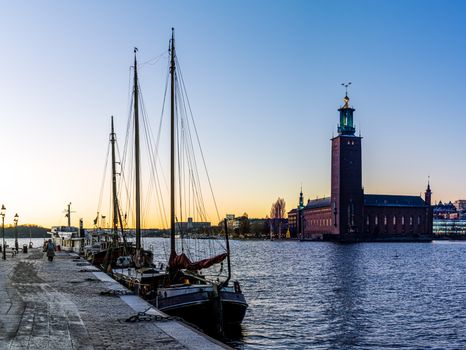
Planning a trip to Stockholm in January means experiencing the Swedish capital at its quietest, coldest, and most atmospheric. While sub-zero temperatures and brief daylight hours deter summer crowds, those who wrap up warm will find uncrowded world-class museums, discounted accommodation, and scenic, frost-dusted waterways. This guide breaks down typical January weather patterns, expected expenses, packing requirements, and the best activities across the archipelago during the heart of winter.
| Category | Key Details |
|---|---|
| Average Daytime Temperature | -3°C to 1°C (27°F to 34°F) |
| Average Nighttime Temperature | -5°C to -1°C (23°F to 30°F) |
| Daylight Hours | Approx. 6 hours (early Jan) to 7.5 hours (late Jan) |
| Precipitation | Approx. 10 to 12 days (frequent snowfall or sleet) |
| Crowd Levels | Low (major off-season period) |
| Average Mid-Range Daily Cost | Approx. £90–£140 per person (excluding flights) |
| Recommended Stay | 3 to 4 days |
Weather and Daylight: What to Expect in Stockholm in January
January is statistically the coldest month of the year in Sweden. Daytime highs in Stockholm hover around freezing (0°C to 1°C), while overnight lows routinely drop between -3°C and -6°C. Extended cold snaps can drag temperatures down to -10°C or colder, especially when north-easterly Arctic winds sweep over Lake Mälaren and the Baltic Sea. Precipitation typically falls as snow, slush, or freezing drizzle. While snow is common, coastal winds can occasionally wash it away, leaving pavements icy.
Daylight is strictly limited during January. At the start of the month, the sun rises around 8:45 AM and sets by 3:00 PM, providing just over six hours of usable daylight. By January 31, sunrise shifts to roughly 8:05 AM and sunset extends past 4:00 PM, increasing sunlight to nearly eight hours. The sun remains low on the horizon all day, casting a soft, golden glow across the water when skies are clear. However, overcast skies are standard, so planning your outdoor walking routes around the midday hours (10:00 AM to 2:00 PM) is essential.
Pro tip: Pavements are gritted with crushed gravel rather than salt to prevent slip hazards on packed snow. Avoid wearing delicate leather-soled shoes, which the sharp grit will quickly scratch and ruin.
Crowds, Prices, and Local Holidays
Following the Christmas and New Year period, tourist numbers drop sharply. January sits firmly in the low season for Stockholm's tourism sector. Major sights like the Vasa Museum, Skansen, and the Royal Palace operate without the long queues seen between May and August, allowing you to view exhibitions at an unhurried pace.
Because tourism is quiet, accommodation rates fall to their annual lows. Quality central hotels in areas like Norrmalm and Gamla Stan often cost between approx. £80 and £130 per night for a double room, compared to upwards of £200 per night in midsummer. Flight prices into Stockholm Arlanda Airport (ARN) are likewise competitive from major European hubs. Daily living costs remain standard for Scandinavia: a casual lunch menu (dagens rätt) costs approx. £10–£14, a sit-down two-course dinner runs approx. £35–£60, and a standard single public transport journey costs approx. £3.20. Note that all prices are approximate ranges and subject to currency fluctuation; confirm rates directly with operators before booking.
Two public holidays affect the early days of January. New Year's Day (January 1) sees widespread closures. Epiphany, known locally as Trettondedag jul (January 6), is also a national public holiday. On this day, banks, government offices, and some family-run shops close, while public transport and major museums generally run on Sunday schedules.
What to Pack for Stockholm in Winter
Surviving and enjoying Stockholm in January requires a disciplined approach to layering. Humidity and wind coming off the surrounding waterways mean the cold can feel sharper than the thermometer suggests.
- Thermal base layer: Moisture-wicking merino wool or thermal synthetic tops and long johns. Avoid cotton, which retains sweat and cools the body rapidly.
- Mid-layer: A fleece pullover, heavy wool sweater, or lightweight down jacket to trap warmth.
- Weatherproof outer shell: An insulated, windproof, and water-resistant parka that reaches past your hips.
- Footwear: Insulated, waterproof boots with rubber lugged outsoles for traction on ice and slush. Leave trainers and fashion sneakers at home.
- Accessories: A lined beanie, a windproof scarf, and insulated gloves or mittens. Wool-blend socks are mandatory to keep feet warm on frozen flagstones.
9 Rewarding Things to Do in Stockholm in January
1. Wander Gamla Stan Without the Summer Crowds
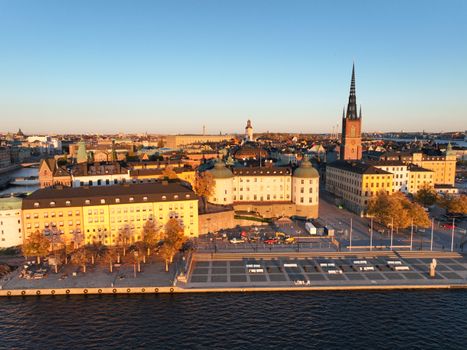
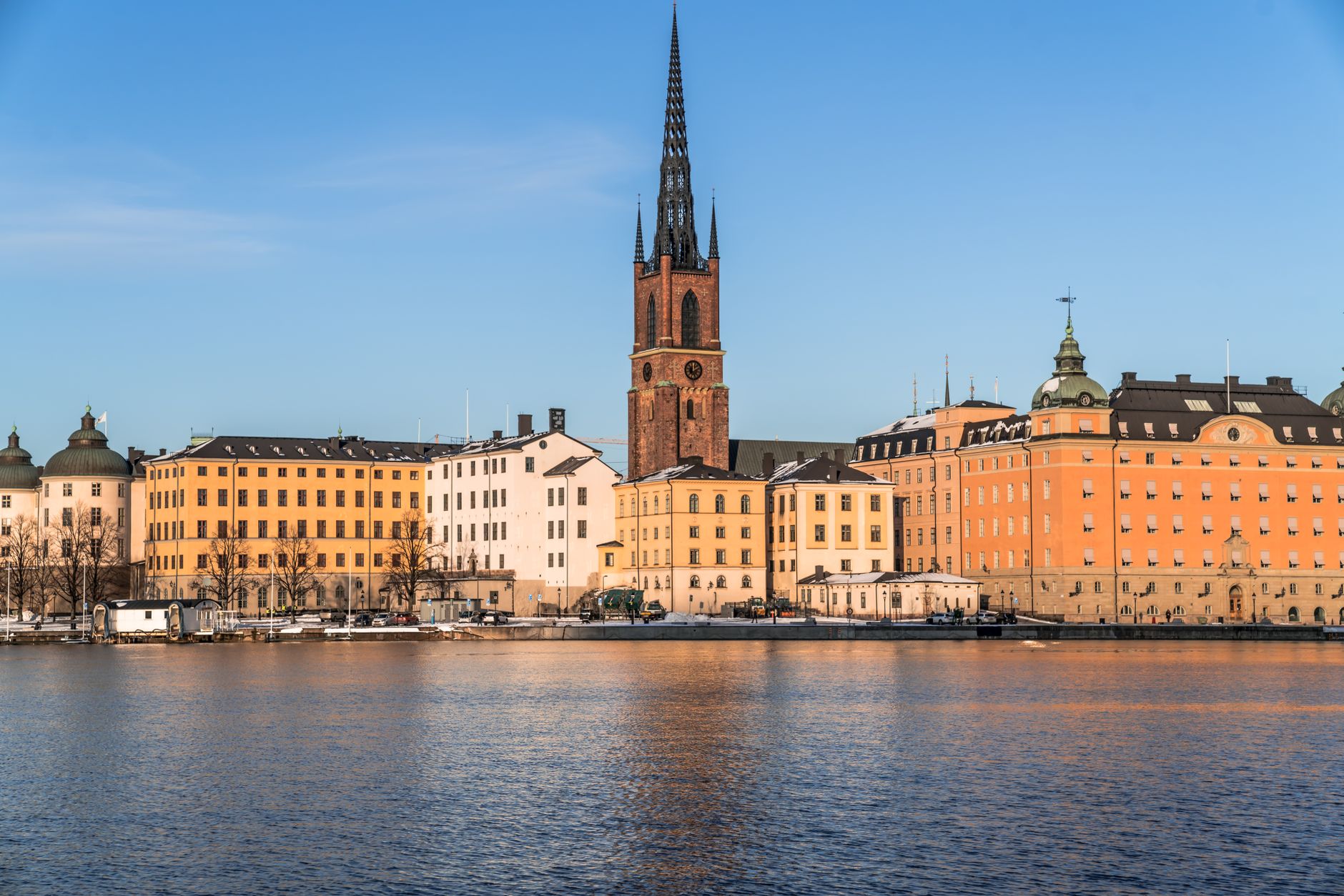
Stockholm's medieval Old Town, Gamla Stan, can feel overwhelmed by tour groups in July. In January, its cobbled alleys, mustard-coloured tenements, and lantern-lit squares are quiet. Stroll through Stortorget, pass along the narrowest alley in the city (Mårten Trotzigs Gränd), and explore historic courtyards. Snow often dusts the rooftop gables, creating an evocative historic backdrop that feels centuries removed from the modern city centre.
2. Inspect the Vasa Museum (Vasamuseet)
Located on the island of Djurgården, the Vasa Museum houses the world's only intact 17th-century ship. The 64-gun warship sank on its maiden voyage in Stockholm Harbour in 1628 and spent 333 years submerged before salvage in 1961. The museum's interior is kept cool and climate-controlled to preserve the oak timber, making it a fitting indoor retreat on a freezing January morning. Allow at least two hours to examine the detailed wood carvings and accompanying maritime history displays.
3. Ride the Tunnelbana Art Network
Stockholm's underground transit network (Tunnelbana) is frequently described as a 110-kilometre art exhibition. Over 90 of its 100 stations feature sculptures, mosaics, paintings, and bedrock carvings created by various artists since the 1950s. On a grey, sub-zero afternoon, buy a single transit ticket or day pass and ride the Blue Line. Standout stations include T-Centralen (blue-and-white vine motifs), Rådhuset (deep red exposed bedrock), and Solna Centrum (striking red and green environmental murals).
4. Experience Swedish Fika in Södermalm
The Swedish tradition of fika—taking time out of the day to enjoy coffee and a sweet pastry with companions—becomes a daily necessity in winter. Head to the creative neighbourhood of Södermalm, particularly around the SoFo district, to find independent bakeries and cafes. Order a black drip coffee alongside a freshly baked kanelbulle (cinnamon bun) or kardemummabulle (cardamom bun). It provides a comforting respite from the biting afternoon breeze.
5. Ice Skate at Kungsträdgården
Kungsträdgården, a park in central Norrmalm, hosts an outdoor ice rink that operates throughout the winter months. Surrounded by illuminated trees and neoclassical buildings, the rink is free to access if you bring your own skates, with skate rental available on-site for a modest fee (approx. £6–£9 per hour). It is an accessible outdoor activity suitable for all experience levels, right in the city centre.
6. Visit the Royal Palace (Kungliga Slottet)
With over 600 rooms, Stockholm's Royal Palace is one of the largest palaces in Europe. While the royal family resides primarily at Drottningholm Palace outside the city, Kungliga Slottet remains the official workplace of the monarch. In January, you can tour the State Apartments, the Treasury housing the Swedish Crown Regalia, and the Tre Kronor Museum without dealing with peak-season queues. Time your visit to watch the Changing of the Guard ceremony in the outer courtyard.
7. Warm Up in a Traditional Sauna
Cold days pair naturally with the Nordic sauna tradition. Head just outside the city centre to Hellasgården, located in the Nacka nature reserve (accessible by local bus from Slussen in roughly 20 minutes). Here, separate men's and women's wood-fired saunas sit alongside a frozen lake. Swedes routinely step straight from the intense heat into an ice hole cut into the lake water for a cold plunge, followed by another round of steam. If you prefer to stay central, several hotels and public bathhouses like Centralbadet offer historic indoor facilities.
Pro tip: Bring your own towel, flip-flops, and a padlock to public bathhouses and saunas to avoid paying supplementary rental fees on-site.
8. Explore Fotografiska Stockholm
Perched on the waterfront at Stadsgården in Södermalm, Fotografiska is an internationally regarded photography centre set inside a converted 1906 industrial customs house. It showcases rotating contemporary photography exhibitions rather than permanent collections, meaning there is always new work on display. The top-floor cafe and restaurant feature expansive panoramic windows looking across the water toward Djurgården and Skeppsholmen, offering a warm viewpoint over the twilight harbour.
9. Walk Through Skansen in Winter
Skansen is the world's oldest open-air museum, established in 1891 to demonstrate rural Swedish life before industrialisation. While some historic craft workshops run on reduced winter hours, the park remains open daily. Walking through the snow-covered traditional farmsteads offers a glimpse of historical agrarian Sweden. Skansen also features a Nordic zoo section where cold-hardy animals—such as brown bears, wolves, lynx, moose, and seals—are often far more active in the crisp January air than in the summer heat.
Should You Visit Stockholm in January?
A January trip to Stockholm is not suitable for every traveller, but it offers clear advantages for those with the right expectations.
This month is well-suited for:
- Budget-conscious travellers wanting lower hotel rates and affordable flights.
- Culture enthusiasts focused on museums, art galleries, and historic architecture.
- Travellers who enjoy brisk winter weather, snow-covered cityscapes, and quiet streets.
- Fans of Nordic food, coffee culture, and wellness traditions like saunas.
You may want to choose a different month if:
- You struggle with cold weather or have mobility issues navigating icy cobbles.
- You want long daylight hours for late-evening outdoor exploration and boat excursions.
- You hope to spend extended time island-hopping across the outer Stockholm Archipelago, where ferry routes are heavily reduced in deep winter.
Common Mistakes to Avoid
- Trying to pay with cash: Stockholm is practically a cashless society. Many shops, cafes, museums, and transport networks refuse physical notes and coins entirely. Ensure you carry a credit or debit card without foreign transaction fees.
- Starting your days late: With dusk settling around 3:00 PM to 3:30 PM, sleeping in past 9:00 AM wastes a significant portion of usable natural light. Plan outdoor walks and photography between 10:00 AM and 1:30 PM, saving indoor museums for late afternoon.
- Overlooking transit connections: Avoid paying for individual taxis or expensive point-to-point fares. The SL public transport app allows easy contactless ticketing across metros, buses, and public commuter ferries (such as ferry line 82 running between Slussen and Djurgården).
- Wearing inadequate boots: Fashion boots with flat soles provide no insulation from the frozen ground and zero traction on icy pavements. Proper insulated winter boots make the difference between an enjoyable walk and a miserable day.
Plan your trip
Ready to experience the crisp beauty of Sweden in winter? Build your customised itinerary, balance museum visits with day trips, and discover the best of the city with Tripsora.
Frequently asked questions
Does it snow in Stockholm in January?
Yes, snowfall is common throughout January. While coastal temperatures occasionally cause slush or rain, the city frequently experiences light to moderate snow that stays on the ground for days or weeks.
What time does it get dark in Stockholm in January?
Sunset typically occurs between 3:00 PM in early January and 4:00 PM toward the end of the month. Twilight fades rapidly, leaving full darkness shortly after the sun drops.
Are museums and attractions open in Stockholm in January?
Major attractions including the Vasa Museum, Fotografiska, the Royal Palace, and Skansen remain open year-round. However, outdoor exhibits and smaller private galleries may operate on shorter winter schedules, especially on Mondays.
How cold does Stockholm get in January?
Average daytime temperatures range from -3°C to 1°C, dropping to -5°C or lower overnight. Strong winds coming off the water can make the temperature feel significantly colder.
Is an archipelago boat tour possible in January?
While classic summer leisure cruises and remote island routes are heavily curtailed, basic commuter ferries and winter sightseeing boat tours operated by companies like Strömma still run through the inner waterways, provided ice conditions permit.