The crisp morning air bit at my nose, a stark contrast to the cozy duvet I’d just reluctantly abandoned. My breath plumed in front of me, a tiny cloud mirroring the one that had formed above my head as I slept. But this wasn't just any morning, and this wasn't just any room. My bed was a block of ice, my walls were sculpted snow, and the entire structure around me was a breathtaking, ephemeral masterpiece carved from the very elements that typically send us scrambling for warmth. I was in an ice hotel, and to my utter amazement, I hadn’t just survived the night – I had thrived.
For years, the idea of an ice hotel lived squarely in my "crazy travel dreams" folder, right next to "swim with great white sharks" and "climb Everest without oxygen." It sounded like a brilliant, beautiful, but ultimately bone-chilling exercise in masochism. "Sleep in ice? Are you mad, Tripsora?" my friends would exclaim, their eyes wide with a mixture of horror and fascination. And honestly, I shared their skepticism. But as a professional travel blogger for Tripsora, I live for the extraordinary, the stories that make you lean in and say, "No way!" So, armed with thermal underwear and a healthy dose of intrepid curiosity, I booked my ticket to the frozen north, ready to put the "survival" aspect of ice hotels to the ultimate test.
And let me tell you, dear readers, it was nothing short of magical. Forget everything you think you know about sleeping in ice. This isn't a camping trip gone wrong; it's a meticulously crafted, surprisingly comfortable, and genuinely luxurious encounter with winter's raw beauty. And trust me, you need to experience it before the secret gets out and these frosty palaces become as mainstream as a beach resort.
What Exactly is an Ice Hotel? A Masterpiece in Motion
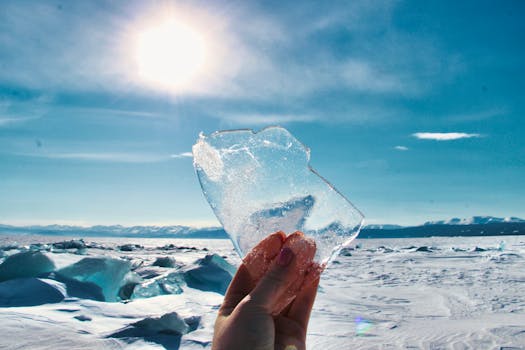
Let's start with the basics. An ice hotel isn't just a building made of ice; it's an annual, temporary art installation, a testament to human ingenuity and artistic vision, that literally melts away with the spring sun. Each year, often in late autumn or early winter, a dedicated team of architects, designers, and ice artists descend upon a chosen site, typically in the Arctic or sub-Arctic regions. They harvest massive blocks of ice from nearby frozen rivers, often pristine and crystal clear, and use snow, "snice" (a snow-and-ice mixture), and sheer willpower to construct everything from the foundations and walls to the beds, bars, and even chandeliers.
Think about that for a moment: every single element, from the intricately carved bedframes to the delicate ice sculptures adorning your room, is a one-of-a-kind creation designed to exist for just a few short months. It’s a living, breathing, and slowly melting gallery. The temperature inside these structures typically hovers around -5°C to -7°C (23°F to 19°F), regardless of how cold it gets outside. The thick snow and ice walls act as natural insulators, keeping the interior surprisingly stable. It's colder than your fridge, yes, but warmer than the outside air on many winter nights!
This ephemeral nature is precisely what makes them so special. You're not just booking a room; you're witnessing and participating in a fleeting moment of architectural and artistic brilliance. It's a truly "you had to be there" experience, and that, my friends, is the kind of travel gold we live for at Tripsora.
The Big Chill: Debunking the "Survival" Myth (It's Cozier Than You Think!)
This is the question on everyone's lips: "But how do you not freeze?" And it's a valid one! When I first told my mom I was sleeping in a hotel made of ice, she immediately started knitting me an extra scarf. Bless her heart. But here's the secret: it's all about the sleeping system.
You don't just get a regular duvet. Oh no, that would be actual madness. Instead, you're provided with a specialized, expedition-grade sleeping bag designed for extreme cold – often rated for temperatures down to -20°C or even -30°C. These aren't your average camping bags; they're incredibly warm, snug cocoons.
Here's the setup:
Your "bed" is usually a solid block of ice, but it's topped with a thick wooden base or a layer of insulating material, followed by a reindeer hide (or similar animal pelt for warmth and comfort), and then a mattress. On top of that goes your thermal sleeping bag.
My personal experience:
Before settling in for the night, I followed all the advice:
1. Layers, but not too many: I wore a clean, dry set of thermal base layers (merino wool is your best friend!) and a warm hat. Avoid cotton, as it retains moisture.
2. Warm Shower: A quick, warm shower right before bed helps raise your core body temperature.
3. Empty Bladder: Trust me on this one. Getting out of that sleeping bag in the middle of the night is an adventure you want to avoid.
4. No Alcohol: While the ice bar is tempting, excessive alcohol thins your blood and makes you feel colder. Enjoy a drink, but don't overdo it.
Slipping into that sleeping bag was like entering a personal sauna. The air outside was crisp and cold, but inside my bag, it was surprisingly toasty. The reindeer hides added an extra layer of insulation and a wonderfully authentic, rustic touch. I snuggled down, pulled the drawstring tight around my face, and listened to the profound silence of the ice room. It was one of the most unique and surprisingly restful sleeps I've ever had. Waking up to the gentle morning light filtering through the ice, and a staff member delivering hot lingonberry juice to my room, felt like something out of a fairy tale.
So, the "survival" aspect? It's less about battling the elements and more about embracing a comfortable, well-managed system designed for warmth. You're not just surviving; you're enjoying a truly unique form of luxury.
My Personal Deep Freeze: A Night at ICEHOTEL Jukkasjärvi, Sweden
My journey took me to the legendary ICEHOTEL in Jukkasjärvi, Sweden – the original, the pioneer, the grand dame of ice accommodations. The anticipation as our transfer pulled up to the glittering, almost ethereal structure was palpable. It looked like a giant, fantastical igloo, glowing from within.
Checking in was like entering a parallel universe. The "warm building" (where you keep your luggage, shower, and can retreat if the ice room gets too much) was bustling. After a quick briefing on sleeping bag etiquette and safety, we were free to explore. And oh, the exploration!
My "Art Suite" was a vision of sculpted ice, intricate patterns, and delicate lights. The room was themed, and mine felt like an enchanted forest, with ice trees reaching towards the ceiling. I ran my hand over the smooth, cold walls, marveling at the craftsmanship. Every room is different each year, a testament to the rotating artists.
The Ice Bar was a highlight. Imagine sipping a vibrant cocktail from a glass made entirely of ice, perched on an ice stool, surrounded by glowing ice sculptures. The atmosphere was buzzing, a convivial warmth generated by the shared wonder of the place. I tried a "Northern Lights" cocktail – naturally – and it was as delicious as it was visually stunning.
When it was finally time to retire to my ice room, I felt a mix of excitement and a tiny tremor of apprehension. But as I described, the sleeping bag transformed the experience. The quiet was profound, broken only by the occasional faint creak of the ice settling. The air was incredibly fresh, and the soft, ambient light from the built-in LEDs made the room feel serene, almost sacred. I drifted off to sleep, feeling utterly secure in my frosty cocoon.
Waking up was an experience in itself. The morning call came with that hot lingonberry juice, a sweet, warm embrace that perfectly countered the crisp air. Stepping out of the sleeping bag, I felt invigorated, refreshed, and incredibly proud. I had slept in an ice hotel, and it was glorious. The memory of that night, the shimmering beauty, the profound silence, and the sheer audacity of it all, is etched into my mind forever.
Beyond the Bed: The Ice Hotel Experience (Activities & Amenities)
Sleeping in an ice room is just one part of the adventure. Ice hotels are often situated in prime locations for other incredible winter activities, transforming your stay into a comprehensive Arctic wonderland experience.
- Ice Bars: As mentioned, these are social hubs. Enjoy unique cocktails in ice glasses, mingle with fellow adventurers, and soak in the vibrant, frozen ambiance.
- Ice Chapels: Many ice hotels feature stunning ice chapels where couples can get married or renew their vows. Imagine a ceremony in a place of such ephemeral beauty!
- Ice Art Galleries: The hotels themselves are often rotating art galleries. Take time to wander through different rooms and common areas, admiring the intricate sculptures and designs.
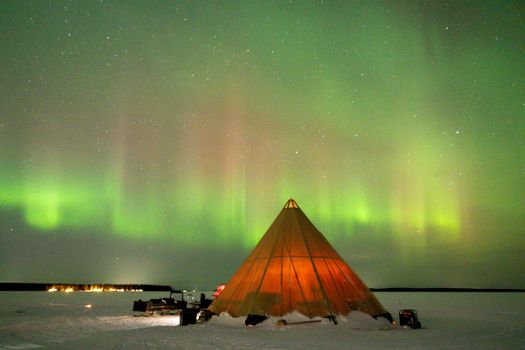
- Northern Lights Hunting: Located in high latitudes, many ice hotels are perfect bases for chasing the Aurora Borealis. Many offer guided tours, or you can simply step outside on a clear night.
- Snowmobiling & Dog Sledding: Embrace your inner Arctic explorer with thrilling excursions through the snowy landscapes.
- Reindeer Sledding & Sami Culture: Experience the traditional way of life with reindeer encounters and learn about the indigenous Sami people.
- Saunas & Hot Tubs: The ultimate contrast therapy! Many ice hotels have "warm buildings" with saunas or outdoor hot tubs, perfect for thawing out after a day of icy adventures. Imagine soaking in a hot tub under the stars, surrounded by snow.
- Ice Sculpting Workshops: Some hotels offer guests the chance to try their hand at ice sculpting – a truly hands-on experience!
These activities elevate the ice hotel stay from a mere novelty to a rich, immersive cultural and adventurous journey. It's about embracing the winter landscape in all its glory.
Ice Hotels You Need to Experience (Before They Melt Away)
While my heart belongs to ICEHOTEL Jukkasjärvi, there are several other incredible ice and snow hotels around the world that deserve a spot on your bucket list. Each offers its own unique charm and set of experiences.
- ICEHOTEL Jukkasjärvi, Sweden (The Original & Iconic)
- Location: Jukkasjärvi, Swedish Lapland, about 200 km north of the Arctic Circle.
- Unique Features: The world's first and largest ice hotel. Annually rebuilt with new art suites by international artists. Features an ice church, ice bar, and often hosts special events. They now also have ICEHOTEL 365, a permanent structure that uses solar power to stay frozen year-round, offering an experience even in summer!
- Best Time to Visit: December to April for the traditional, rebuilt hotel; year-round for ICEHOTEL 365. Peak season for Northern Lights is typically September to March.
- Estimated Price Range: Art Suites and Deluxe Suites range from €300 - €1000+ per night. Cold Rooms (simpler ice rooms) are more budget-friendly. Warm accommodation is also available.
- Why Go: For the history, the scale, the pure artistry, and the comprehensive range of Arctic activities. It's truly a pioneer.
- Hotel de Glace, Quebec, Canada (North America's Frozen Gem)
- Location: Just minutes from downtown Quebec City, Valcartier, Quebec.
- Unique Features: North America's only ice hotel, also rebuilt annually. Known for its grand hall, stunning ice sculptures, ice slide, and ice chapel. Often features intricate themes. It’s part of a larger winter resort, Village Vacances Valcartier, which offers snow tubing, indoor water parks, and more.
- Best Time to Visit: January to March.
- Estimated Price Range: CAD $400 - $800+ per night, including breakfast, access to the indoor water park, and a welcome cocktail.
- Why Go: If you're looking for an ice hotel experience closer to home in North America, or want to combine it with a visit to the charming, historic Quebec City. The snow slide is a definite bonus!
- Sorrisniva Igloo Hotel, Alta, Norway (World's Northernmost Igloo Hotel)
- Location: Alta, Norway, in the heart of Finnmark, above the Arctic Circle.
- Unique Features: The world's northernmost ice hotel, built entirely from snow and ice. Features 26 rooms, a chapel, and an ice bar. Beds are made of ice, topped with reindeer hides and expedition-grade sleeping bags. They also have a warm service building with saunas and showers.
- Best Time to Visit: Mid-December to early April. Alta is famous for its Northern Lights and offers fantastic opportunities for snowmobiling and dog sledding.
- Estimated Price Range: NOK 3000 - 5000+ per night, including breakfast and a guided tour of the hotel.
- Why Go: For an authentic Arctic experience in a remote, stunning location known for its Northern Lights. It offers a more traditional "igloo" feel.
Thawing Out Your Wallet: Practical Tips & Budgeting
Let's be real: an ice hotel stay is a luxury experience, not a budget backpacking trip. However, with smart planning, you can make this dream a reality.
- Book Well in Advance: These hotels are temporary and popular. Rooms, especially the unique Art Suites, sell out quickly. Start looking 6-12 months ahead of your desired travel dates.
- Consider "Cold Room" vs. "Art Suite": Art Suites are stunning but come with a higher price tag. Simpler "cold rooms" (sometimes called "snow rooms") offer the same sleeping experience at a lower cost.
- Combine with "Warm" Accommodation: Many ice hotels offer "warm rooms" in an adjacent building. Some guests choose to spend one night in the ice hotel for the experience and then transfer to a warm room for subsequent nights. This can be a great way to manage costs and ensure a good night's sleep if you're worried about the cold.
- Travel Off-Peak: If your schedule allows, consider visiting in early December or late March/early April. Prices might be slightly lower, and crowds thinner.
- Package Deals: Look for packages that include activities like dog sledding or Northern Lights tours. Sometimes, bundling can save you money.
- What to Pack (Beyond Thermals):
- Layers, layers, layers! Merino wool base layers are non-negotiable.
- Warm outer shell: A waterproof and windproof jacket and pants.
- Insulated boots: Waterproof and rated for extreme cold.
- Warm hat, gloves/mittens, and scarf/neck gaiter: Crucial for keeping heat in.
- Dry clothes for the morning: You'll want to change into fresh, warm clothes after your night in the ice room.
- Power bank: Cold drains battery life quickly!
- Swimsuit: For those hot tubs and saunas!
- Small backpack: To carry your overnight essentials (thermals, toiletries) to your ice room, as larger luggage is stored in the warm building.
- Embrace the Experience: Don't go expecting a traditional hotel stay. It's an adventure! Be prepared for crisp air, communal showers (in the warm building), and an early wake-up call with hot juice.
The Future is Frozen: Why Act Now?
There's a poignant beauty to the fleeting nature of ice hotels. They are built, they stand magnificent for a few months, and then they return to the river from which they came. It’s a powerful reminder of nature's cycles and our place within them.
However, there's also a more urgent reason to experience these wonders sooner rather than later: climate change. As global temperatures rise, the conditions required to build and maintain these structures become increasingly challenging. While innovators like ICEHOTEL 365 are finding sustainable solutions to keep the magic alive year-round, the traditional, annually rebuilt ice hotels face an uncertain future. Each year they stand, they are a testament to human resilience and creativity in the face of changing environments.
Visiting an ice hotel is more than just a trip; it's a statement. It's an appreciation for art, nature, and the sheer audacity of dreaming big. It’s a story you’ll tell for years, a truly Instagram-worthy adventure that will make your friends green with envy (or maybe just cold!).
Ready to Conquer the Cold? Your Frozen Adventure Awaits!
My night in the ice hotel wasn't just about surviving; it was about truly living. It was about pushing boundaries, embracing the unexpected, and discovering a profound beauty in the heart of winter. It was surprisingly comfortable, endlessly fascinating, and utterly unforgettable.
So, if you've ever dreamt of stepping into a real-life Narnia, of sleeping surrounded by sparkling ice art, and waking up to a world of pristine snow, then it's time to stop dreaming and start planning. These ephemeral palaces won't last forever, and the experience they offer is too extraordinary to miss. Which ice hotel will you choose for your next epic adventure?
Share your icy dreams in the comments below! Have you stayed in an ice hotel? What was your favorite part? Or are you planning your first frozen getaway? Let's get chilly together!
---