The chill of winter still clung to my bones, not just from the weather outside, but from a deeper, more pervasive cold within. I was at a crossroads, feeling adrift, questioning every decision I’d ever made. My career felt stagnant, my personal life was a tangle of uncertainties, and the world, frankly, felt a little grey. I needed a reset, a jolt, a reminder of beauty and purpose. It was then, almost intuitively, that I booked a ticket to Japan, chasing a whisper of a promise: the cherry blossoms.
What followed wasn't just a series of beautiful trips; it was a profound, soul-stirring immersion into nature's most ephemeral masterpieces. These aren't just flowers; they are fleeting explosions of life, colour, and scent that demand your full presence, your undivided attention. They bloom only once a year, a precious, temporary gift, and in their transient glory, they taught me lessons about impermanence, resilience, joy, and the sheer, unadulterated beauty of being alive. Each experience peeled back a layer of my cynicism, filling me with a wonder I hadn't realized I'd lost. These are the spring blooms that didn't just change my travel itinerary, but changed my life forever.
1. The Ephemeral Embrace of Japan's Cherry Blossoms (Sakura)
Location:
Kyoto, Tokyo, Mount Yoshino, Japan
Best Time: Late March to early April (varies by region, check forecasts!)
Estimated Cost (2 weeks): ~$2,500 - $4,000 USD (excluding flights, depending on luxury/budget)
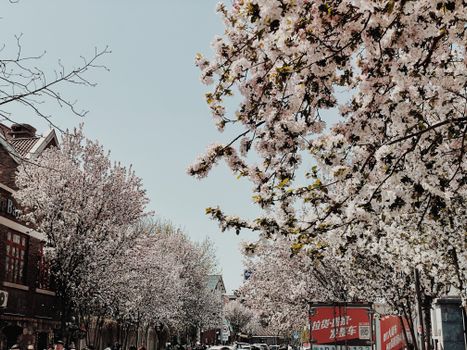
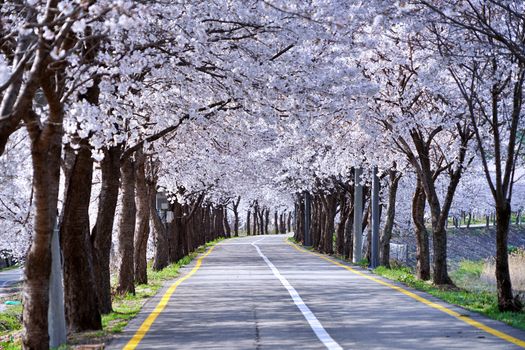
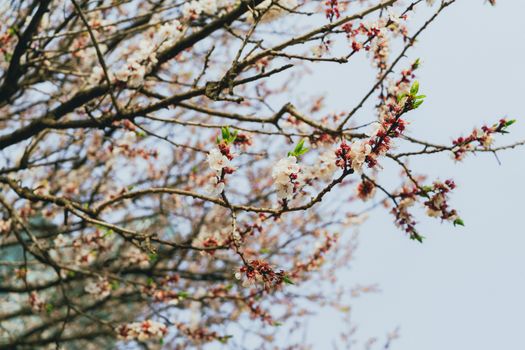
My first encounter with sakura was nothing short of a spiritual awakening. I arrived in Kyoto feeling overwhelmed, the bustling city a stark contrast to my internal turmoil. But then, I stepped into Maruyama Park, and it was as if the world tilted on its axis. Cascading pink and white petals danced in the breeze, forming delicate carpets on the ground and ethereal clouds above. The air hummed with a quiet reverence, punctuated by the gentle rustle of leaves and the occasional gasp of awe from fellow onlookers.
What struck me most wasn't just the beauty, but the profound sense of mono no aware – the poignant awareness of the transience of things. These blossoms, so exquisite, so perfect, would last for only a week or two. Their fleeting nature made their beauty all the more precious, all the more impactful. I spent hours simply sitting beneath a weeping cherry tree, watching petals drift into the Kamo River, feeling a deep, unexpected peace settle over me. It was there, amidst the ephemeral glory, that I understood that life, too, is a series of beautiful, fleeting moments. We must embrace them, cherish them, and let them go with grace. This realization was a balm to my restless soul, teaching me to appreciate the present and find beauty in impermanence.
Practical Tips for Sakura Season:
* Plan Ahead (Way Ahead!): Sakura season is peak travel. Book flights and accommodation 6-12 months in advance.
* Follow Forecasts: The Japan Meteorological Corporation releases detailed cherry blossom forecasts. They are your bible!
* Go Off-Peak: While famous spots like Ueno Park or Philosopher's Path are stunning, explore smaller temples or local parks for a more serene experience. Mount Yoshino is a sacred pilgrimage site covered in thousands of cherry trees – absolutely breathtaking.
* Hanami Etiquette: If picnicking, bring a blue tarp, dispose of your trash, and be respectful of others.
* Instagram Moment: The Arashiyama Bamboo Grove (Kyoto) with cherry blossoms nearby, or the Chidorigafuchi Moat in Tokyo for boat rides under the petals.
2. The Technicolor Dream of the Dutch Tulip Fields
Location:
Lisse, Keukenhof Gardens, Bollenstreek (Flower Strip), Netherlands
Best Time: Mid-April to early May
Estimated Cost (1 week): ~$1,000 - $1,800 USD (excluding flights)
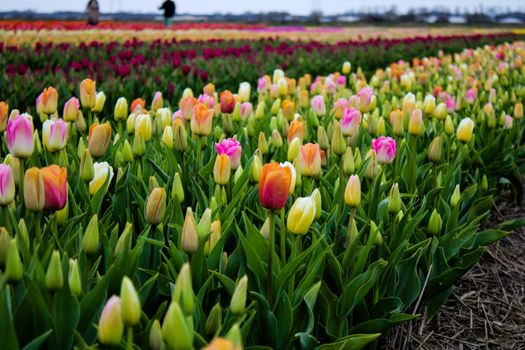
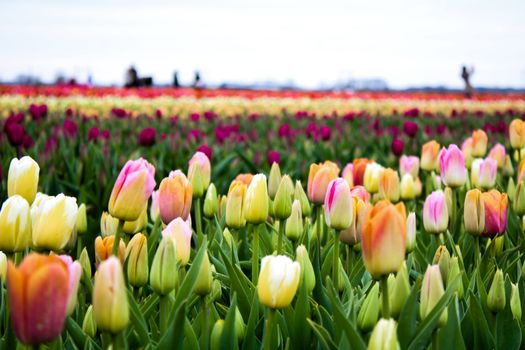
After the quiet introspection of Japan, I craved an explosion of unbridled joy. The Netherlands delivered this in spades. I had seen pictures of the tulip fields, of course, but nothing, nothing, prepares you for the sheer, vibrant scale of it in person. Driving through the Bollenstreek, just outside Amsterdam, was like entering a painting where the artist had gone wild with every shade imaginable. Rows of crimson, sunshine yellow, deep purple, and fiery orange stretched to the horizon, creating a kaleidoscopic quilt across the landscape.
I rented a bike and cycled through the fields, the crisp spring air carrying the sweet scent of earth and blooms. The sheer audacity of the colors, the perfect symmetry of the rows, the boundless energy of it all – it was infectious. I found myself laughing aloud, simply from the joy of existence, a feeling I hadn't truly felt in years. This trip wasn't about deep introspection; it was about pure, unadulterated happiness. It taught me the importance of embracing joy, of allowing myself to be overwhelmed by beauty, and of shedding the dullness that had crept into my life. The tulips were a vibrant reminder to live boldly, to paint my own life in the brightest colors.
Practical Tips for Tulip Season:
* Keukenhof is a Must: It's the most famous flower park, and for good reason. Buy tickets online in advance to skip lines. Go early in the morning for fewer crowds.
* Rent a Bike: The best way to experience the fields around Lisse is by cycling. Many rental shops are available near Keukenhof.
* Respect the Fields: These are working farms. Do NOT walk into the fields or pick flowers without permission. Stick to designated paths.
* Combine with Cities: Amsterdam is easily accessible and a wonderful base. Visit the Bloemenmarkt (flower market) for more floral delights.
* Instagram Moment: A classic shot cycling past a vibrant field, or a wide-angle shot from a viewpoint showing the patchwork quilt of colors.
3. Finding Grounding in the Texas Bluebonnet Trails
Location:
Texas Hill Country (Burnet, Fredericksburg, Ennis), USA
Best Time: Late March to mid-April
Estimated Cost (1 week): ~$800 - $1,500 USD (excluding flights, if driving locally)
My journey then took me closer to home, to a beauty I hadn't fully appreciated until I sought it out with intention: the Texas Bluebonnets. After the grand, orchestrated beauty of Japan and the Netherlands, the bluebonnets offered a different kind of magic – wild, sprawling, and deeply rooted. I drove through the winding roads of the Texas Hill Country, and there they were: vast, undulating carpets of sapphire blue, interspersed with patches of Indian Paintbrush and primroses.
I pulled over on a quiet country road near Burnet, "The Bluebonnet Capital of Texas," and walked into a field of these humble, yet breathtaking, wildflowers. The sun warmed my skin, a gentle breeze rustled through the blossoms, and the air smelled of sweet earth. Unlike the curated gardens or grand landscapes, this was nature untamed, flourishing with quiet resilience. It felt profoundly grounding. In their simple, unpretentious beauty, the bluebonnets reminded me that wonder isn't always found in exotic locales or grand spectacles. Sometimes, it's right in front of you, in your own backyard, waiting to be seen with fresh eyes. This experience taught me to slow down, to appreciate the simple gifts of nature, and to find beauty in the familiar. It reconnected me to a sense of home and belonging I hadn't realized I was missing.
Practical Tips for Bluebonnet Season:
* Scenic Drives: Highway 29 between Llano and Burnet, Willow City Loop near Fredericksburg, and the Ennis Bluebonnet Trail are legendary.
* Safety First: When pulling over, ensure you're completely off the road. Watch for snakes and fire ants in the fields!
* Respect Private Property: Many fields are on private land. Do not trespass. There are plenty of public viewing areas.
* Local Festivals: Check out the Burnet Bluebonnet Festival or the Ennis Bluebonnet Trails Festival for local charm and events.
* Instagram Moment: A classic shot of you sitting gently amidst the bluebonnets (without crushing them!), or a wide shot showing the vast blue landscape.
4. The Enchanting Purple Haze of Australia's Jacaranda Trees
Location:
Sydney (Kirribilli, Lavender Bay, Circular Quay), Brisbane, Grafton, Australia
Best Time: Mid-October to mid-November (Southern Hemisphere spring)
Estimated Cost (10 days): ~$2,000 - $3,500 USD (excluding flights)
Seeking a bloom experience in a different hemisphere, I ventured to Australia during their spring. While not a "field" of flowers, the Jacaranda trees offer a unique, mesmerizing spectacle. Stepping out into Sydney in late October was like walking into a dream. Everywhere I looked, vibrant purple blossoms exploded from trees, creating breathtaking canopies and carpeting the streets in a soft, fragrant lilac.
The contrast of the bright Australian sun against the deep purple was simply magical. I spent an afternoon wandering through the streets of Kirribilli and Lavender Bay, where the jacarandas frame the iconic Sydney Harbour Bridge and Opera House. It felt surreal, like a scene from a fairy tale. This experience was about rediscovering wonder, about allowing myself to be utterly enchanted. The sheer, unexpected beauty of these urban trees, transforming everyday streets into avenues of magic, reminded me that beauty can appear in the most unexpected places and that sometimes, all it takes is a shift in perspective to see the extraordinary in the ordinary. It reignited my sense of childlike wonder and pushed me to seek magic wherever I went.
Practical Tips for Jacaranda Season:
* Sydney Hotspots: Explore Kirribilli, Lavender Bay, and the Royal Botanic Garden. The University of Sydney also has stunning trees.
* Grafton Jacaranda Festival: If you're further north, Grafton is famous for its Jacarandas and hosts an annual festival.
* Mind the Mess: Jacaranda blossoms can be sticky when they fall, so wear appropriate shoes!
* Combine with Coastal Beauty: Australia in spring offers beautiful weather for beaches and coastal walks.
* Instagram Moment: A shot with the purple jacaranda canopy framing the Sydney Opera House or Harbour Bridge; or a close-up of the fallen petals forming a purple carpet.
5. The Rare, Resilient Miracle of California's Wildflower Superbloom
Location:
Anza-Borrego Desert State Park, Carrizo Plain National Monument, Antelope Valley California Poppy Reserve, USA
Best Time: Late February to April (highly dependent on rainfall, check forecasts!)
Estimated Cost (1 week): ~$900 - $1,600 USD (excluding flights, if driving locally)
My final, and perhaps most profound, bloom experience was chasing California's elusive wildflower superbloom. This phenomenon, which only occurs after unusually heavy winter rains, transforms arid desert landscapes into vibrant tapestries of color. It's rare, unpredictable, and utterly breathtaking. I'd heard whispers of a potential superbloom in Anza-Borrego Desert State Park, and I couldn't resist.
Driving into the desert, I was met with what seemed like an endless expanse of muted browns and greys. Then, as I ventured deeper, the landscape began to shift. First, a smattering of yellow desert sunflowers, then a blush of purple sand verbena, until suddenly, I was surrounded by a sea of vibrant orange poppies, electric blue lupines, and delicate white evening primroses. The air buzzed with bees, and the silence of the desert was replaced by the soft hum of life.
This superbloom was a powerful testament to resilience and the extraordinary power of nature. From dormant seeds, hidden for years, sometimes decades, beneath the harsh desert floor, sprang forth this explosion of life, vibrant and determined. It taught me that even in the most barren periods, there's a potential for immense beauty and growth waiting to emerge. It was a visceral reminder that life finds a way, that beauty can erupt from unexpected places, and that sometimes, the most precious gifts are the ones that are hardest to predict and fleeting to witness. It filled me with hope and a renewed sense of purpose, inspiring me to believe in my own dormant potential.
Practical Tips for Chasing a Superbloom:
* Monitor Conditions Closely: Superblooms are entirely dependent on rainfall. Follow park websites, local news, and social media for real-time updates.
* Go Early/Weekdays: These events draw massive crowds. Arrive at sunrise or visit on a weekday to avoid congestion.
* Stay on Trails: Delicate desert ecosystems are easily damaged. Stick to marked trails and never pick flowers. Leave no trace.
* Hydrate & Protect: Desert environments can be harsh. Bring plenty of water, wear sun protection, and sturdy shoes.
* Instagram Moment: A wide-angle shot showcasing the vastness of the bloom against the desert backdrop, or a close-up of a vibrant patch of poppies.
---
These spring blooms, each unique in their beauty and location, weren't just pretty sights. They were profound teachers, guides on a journey of self-discovery and healing. They reminded me that life is cyclical, that beauty is transient, and that even after the longest winters, spring always returns with a promise of renewal. They taught me to look closer, feel deeper, and embrace the fleeting magic of the world around me. My life, once grey and uncertain, is now painted with the vibrant hues of these unforgettable experiences.
Don't wait for your own internal winter to find your spring. Seek out these ephemeral wonders, or discover your own. Let the beauty of nature's annual rebirth inspire your own transformation. What bloom will change your life forever?