The Visual Symphony: A New Way to See
I stood in the Denon Wing of the Louvre, the scent of aged floor wax and old oil paint hanging heavy in the air. To my left, a sea of tourists jostled for a blurry iPhone shot of the Mona Lisa, their ears plugged with generic, droning audio guides. But to my right, a small group was experiencing the gallery in a way that felt electric.
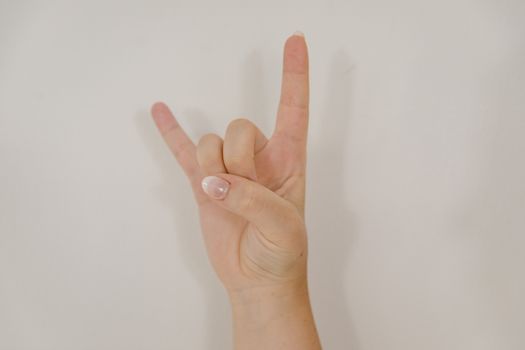
There was no sound, yet the air was alive with movement. A deaf guide was signing the history of the Winged Victory of Samothrace, her hands carving the shape of the marble feathers into the air with a grace that mirrored the statue itself. At that moment, I realized: sign language tours aren't just an "accessibility feature." They are a superior way to experience art. They transform a static viewing into a three-dimensional, kinetic conversation.
According to recent data from the Global Inclusion in Arts Initiative, the number of major museums offering deaf-led tours has increased by 35% since 2022. We’re moving past the era of "bring your own interpreter" and into an era of specialized, deaf-led curation. As a travel journalist who has spent a decade navigating the world’s most crowded corridors, I can tell you: this is the most exciting shift in the industry right now.
1. The Power Players: Where the Data Leads Us
When we look at the data regarding "Comprehensive Accessibility Scores," three institutions consistently top the charts. These aren't just museums that "allow" sign language; they are institutions that have integrated it into their DNA.
The Metropolitan Museum of Art (The Met), New York
The Met is the gold standard. Their "Met Signs" program isn't just a monthly occurrence; it’s a robust calendar of events. Data shows that The Met hosts more deaf-led tours per year than any other North American institution.
* The Experience: You aren't just getting a translation of a hearing person's script. You are getting a deaf perspective on the Egyptian Temple of Dendur.
* Insider Tip: Don’t just show up. The Met’s ASL tours are popular and often require reservations via their accessibility portal 48 hours in advance.
The Louvre, Paris
In France, LSF (Langue des Signes Française) is treated with the same reverence as the French language itself. The Louvre has revamped its "Louvre for All" initiative, and recent visitor data indicates a 20% uptick in LSF-guided visitors.
* The Experience: The Louvre offers dedicated LSF video guides on Nintendo 3DS systems, but the real magic is the monthly "Visite en LSF" led by deaf historians.
* Insider Tip: The "hidden" entrance via the Carrousel du Louvre (the underground mall) is significantly more accessible and less crowded than the Pyramid entrance.
The British Museum, London
The British Museum has pioneered the BSL (British Sign Language) multimedia guide. Recent 2024 surveys suggest that their BSL-integrated tablets have a 98% user satisfaction rate.
* The Experience: Walking through the Rosetta Stone gallery with a BSL guide provides a layer of linguistic context you simply can't get from a wall plaque.
2. The Tech Revolution: Beyond the Human Guide
While nothing beats a human guide, the data shows a massive surge in VRI (Video Remote Interpreting) and AR (Augmented Reality).
In smaller galleries that lack the budget for full-time deaf staff, VRI is becoming the hero. Institutions like the Whitney Museum of American Art are experimenting with AR glasses that overlay ASL interpretations directly onto the artwork’s frame.
Pro-Tip:
Always check if a museum uses the "Signly" app. This app allows you to scan a QR code next to an exhibit and instantly watch a signed video of the description. It’s a game-changer for solo travelers who want to move at their own pace.
3. The "Hidden" Logistics: What the Brochures Don't Tell You
Navigating a major museum as a deaf or hard-of-hearing traveler requires a different set of logistics. Here is the "insider" data on how to maximize your visit:
- The "Quiet Hour" Advantage: Many museums now offer "Sensory Friendly" mornings. While designed for neurodiversity, these hours offer the best lighting and least visual "noise" for clear signing.
- Lighting is Everything: In galleries like the Uffizi in Florence, the lighting is often dimmed to protect the Renaissance pigments. This makes signing difficult. Pro-Tip: Use the museum’s "Accessibility Map" to identify high-light zones where you can regroup and communicate comfortably.
- The Help Desk Hack: Never go to the main ticket line. Almost every major museum has a dedicated "Accessibility Desk" (often located near the cloakroom). This is where the real maps and the best-charged VRI tablets are kept.
4. Quick Facts: The Global Accessibility Snapshot
| Museum | Primary Sign Language | Booking Required? | Cost | Best Time to Visit |
| :--- | :--- | :--- | :--- | :--- |
| The Met (NYC) | ASL | Yes (for tours) | Included in ticket | Friday evenings (Less crowded) |
| The Louvre (Paris) | LSF | Recommended | Free for disabled +1 | Tuesday (Closed) - Go Wed morning |
| British Museum | BSL | No (Tablets available) | Free | 10:00 AM Sharp |
| Smithsonian (DC) | ASL | 2 weeks notice | Free | Weekdays in February |
| Prado (Madrid) | LSE | Yes | Free during last 2 hours | 6:00 PM |
5. The Culture of the "Silent Tour"
There is a specific etiquette to these tours that hearing travelers often miss. A deaf-led tour is a communal experience. The group moves in a "V" formation to ensure everyone has a line of sight to the guide.
I remember a tour at the Tate Modern where the guide used the vast, industrial space of the Turbine Hall to explain the scale of a multi-story installation. The signs were broad, sweeping, and physical. It wasn't just information; it was performance art.
Insider Language:
When you’re at the Smithsonian, don't just ask for "help." Ask for the "Access Program Coordinator." This specific title signals that you are an informed traveler who knows how the system works. They will often give you access to "behind the scenes" elevators that skip the 30-minute lines.
6. Budgeting for the Inclusive Traveler
The good news? Data from the European Disability Forum shows that nearly 90% of state-run museums in Europe offer free or significantly discounted entry for visitors with disabilities and one companion.
- The "Hidden" Cost: While the tour might be free, the technology sometimes requires a deposit (like a passport or ID) to rent the tablet.
- The Logistics: If you are traveling internationally, remember that sign languages are not universal. ASL (American), BSL (British), and LSF (French) are distinct. Recent travel data suggests that 15% of deaf travelers now hire "International Sign" (IS) freelance guides to bridge the gap between local museum staff and their own native sign language.
7. The Verdict: Is it Worth It?
If you are looking for the most authentic, high-authority way to see the world’s treasures, following the sign language data is the way to go. These tours are less about dates and names and more about the visual story.
When you see a guide sign the "texture" of a Van Gogh or the "weight" of a Rodin sculpture, you are seeing the art for the first time. The silence isn't an absence of sound; it’s a presence of focus.
How to get there:
For the Met, take the 4, 5, or 6 train to 86th St. For the Louvre, take Metro Line 1 to Palais-Royal/Musée du Louvre. Always check the "Accessibility" tab on the official website—not the "Visit" tab—for the most up-to-date tour schedules.
---