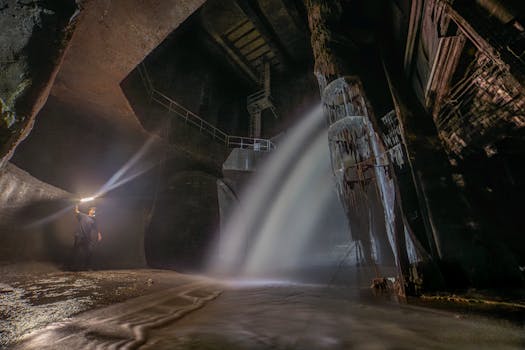
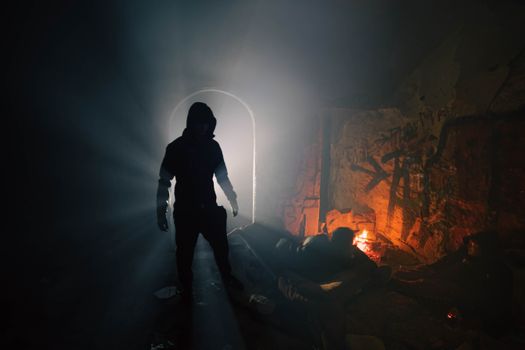
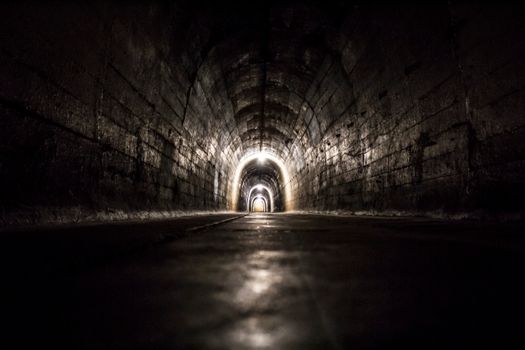
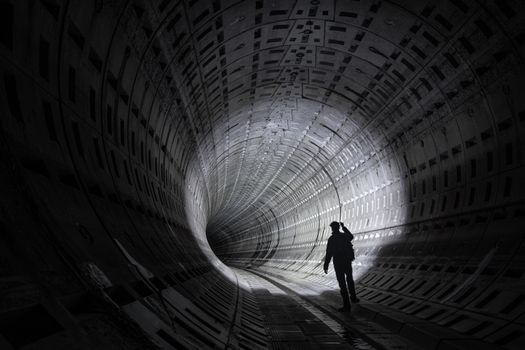
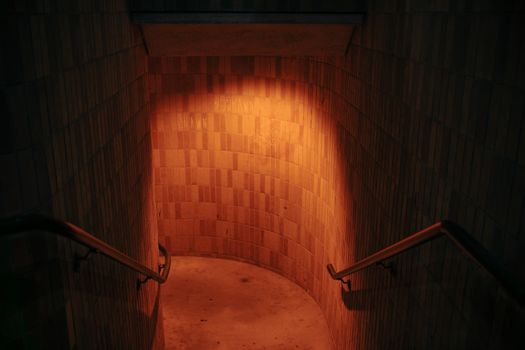
There’s a unique thrill that comes with discovering something hidden, isn't there? That moment when you peel back a layer, go behind a secret door, or descend into the unknown. For me, that fascination started young, exploring forgotten drainage ditches behind my childhood home, convinced they led to Narnia. As an adult, that curiosity evolved into a quest for the truly extraordinary: the secret tunnels and underground cities that lie beneath the world’s most famous metropolises.
Imagine standing on a bustling city street, surrounded by millions, yet knowing that just meters beneath your feet lies an entirely different world. A world of ancient aqueducts, forgotten crypts, wartime bunkers, and even entire subterranean cities. These aren't just holes in the ground; they are time capsules, silent witnesses to centuries of human history, ingenuity, and sometimes, desperation.
My first real taste of this subterranean magic was in Rome, stumbling upon a tiny, unassuming door that led to a Mithraic temple buried beneath a church. The air grew instantly cooler, the sounds of the city faded, and I was transported. It was a moment that solidified my obsession. Since then, I’ve made it my mission to seek out these hidden depths, and let me tell you, they never disappoint.
So, if you’re ready to trade the familiar skyline for a journey into the earth, grab your most comfortable shoes and a sense of adventure. We're about to explore seven secret tunnel systems beneath famous cities that will absolutely blow your mind.
1. Paris Catacombs – Beyond the Bones (and into the Real Secrets)
When you hear "Paris Catacombs," you probably picture endless walls of skulls and femurs. And yes, the official ossuary is undeniably impressive, a chilling monument to the city's overflowing cemeteries. But here's the secret: the official tour is just a tiny, sanitized sliver of a vast, sprawling network of tunnels that honeycombs beneath the entire city.
These are the ancient quarries from which much of Paris was built, a labyrinthine underworld stretching for hundreds of kilometers. While the ossuary is a designated museum, the rest of the network is mostly illegal to enter without official permission. Yet, a vibrant subculture of "cataphiles" exists – urban explorers who navigate these forbidden passages, creating art, holding secret parties, and meticulously mapping the forgotten routes.
My Experience:
I've done the official Catacombs tour (Porte d'Enfer, literally "Gate of Hell"), and it's a must-do for its sheer historical weight. Descending the spiral staircase, the air growing damp and cool, then walking amongst millions of neatly stacked bones – it's incredibly humbling and a powerful reminder of mortality. But the real thrill, the one that makes your heart pound a little faster, comes from hearing the whispers of the other tunnels. My guide, a seasoned Parisian, hinted at secret entrances and hidden chambers far from the tourist path. He spoke of underground lakes, clandestine gatherings, and the thrill of exploring untouched sections, forever cementing my desire to one day find a way into those truly forbidden depths.
Practical Details:
* Location: Official entrance at 1 Avenue du Colonel Henri Rol-Tanguy, 75014 Paris.
* Cost: Around €29 for a skip-the-line ticket (highly recommended, lines can be hours long). Book well in advance online via the official website (catacombes.paris.fr) or reputable tour operators.
* Tips: Wear comfortable shoes and a light jacket (it's cool underground). The tour involves many stairs and narrow passages. Photography is allowed but challenging in low light. This is not for the claustrophobic.
2. Edinburgh's Underground Vaults – Where Ghosts Still Roam
Edinburgh, with its ancient castle, winding closes, and towering tenements, already feels like a city steeped in history and mystery. But beneath its bustling streets, particularly around the atmospheric Old Town, lies a network of vaults and tunnels that are truly chilling. The most famous are the Edinburgh Vaults, also known as the South Bridge Vaults. Built in the late 18th century to support the South Bridge, these 19 arches quickly became a notorious slum, home to the city’s poorest, criminals, and even serial killers Burke and Hare.
My Experience:
I visited the Edinburgh Vaults on a ghost tour one misty evening, and it was everything I hoped for and more. Our guide, a charismatic storyteller with a lantern, led us down into the damp, echoing chambers. He painted vivid pictures of the squalor, the illicit distilleries, and the terrifying murders that took place there. The air was thick with a palpable sense of history, and yes, a definite chill that wasn't just from the temperature. In one particularly dark corner, my camera inexplicably malfunctioned, and I swear I felt a cold breath on my neck. Was it just my imagination fueled by the stories? Perhaps. But the atmosphere was undeniably eerie, making it one of the most memorable underground experiences I've ever had.
Practical Details:
* Location: Various tour operators run ghost tours and historical tours from different points in the Old Town. Look for Mercat Tours or City of the Dead Tours, which often include access to the Blair Street Vaults.
* Cost: Tours typically range from £15-£25.
* Tips: Book in advance, especially during peak season. Dress warmly and wear sturdy shoes. These tours are often quite dark and can be genuinely spooky – not recommended for young children or the easily frightened. Prepare for incredible storytelling!
3. Rome's Layered Depths – Unearthing Ancient Worlds
Rome isn't just built on seven hills; it's built on centuries of itself. Dig almost anywhere in the Eternal City, and you'll hit ancient Roman, Etruscan, or even older remains. This means Rome boasts an incredible network of underground sites, from early Christian catacombs to pagan temples and imperial residences. It’s not just one tunnel system but a mosaic of hidden worlds.
One of the most fascinating aspects is the discovery of Mithraea – underground temples dedicated to the mysterious god Mithras, often found beneath later Christian churches. Or the Domus Aurea, Nero's opulent "Golden House," much of which lies buried and rediscovered beneath the Colle Oppio.
My Experience:
My first encounter with Rome's subterranean layers was at the Basilica di San Clemente. You walk down from the 12th-century church, then into a 4th-century basilica, and then further down into a 1st-century Roman house and a Mithraic temple, complete with an ancient stream still flowing. It was a dizzying journey through time. Later, I managed to get tickets for the Domus Aurea, an incredibly rare opportunity. Walking through Nero's vast, dark, semi-excavated palace, seeing the remains of lavish frescoes and feeling the scale of his ambition, was breathtaking. It felt like being an archaeologist, witnessing history as it was uncovered.
Practical Details:
* Locations:
* Basilica di San Clemente: Via Labicana, 95. Open daily, tickets for the underground layers are around €10.
* Domus Aurea: Viale della Domus Aurea, 1. Access is highly restricted and often only available on guided tours on weekends. Book months in advance via coopculture.it; tours are around €15.
* Catacombs (e.g., Priscilla, Callixtus): Various locations outside the city center, accessible by bus or dedicated tours. Tours typically €8-€10.
* Tips: Many sites have limited access and require guided tours. Book everything in advance. Some sites are damp and cool; others, like Domus Aurea, are actively being excavated, so conditions vary.
4. Cappadocia's Subterranean Sanctuaries – Cities for Thousands
Moving beyond city tunnels, we venture to the fantastical region of Cappadocia in Turkey, where entire ancient cities were carved underground. While not beneath a famous modern city in the traditional sense, these vast subterranean complexes are so mind-blowing they deserve a spot. Derinkuyu and Kaymakli are the most famous, incredible multi-level cities that could house thousands of people, complete with stables, churches, schools, and wineries.
These cities were primarily used as refuges during times of invasion, offering protection from raiders. The ingenuity of their design – ventilation shafts, rolling stone doors to seal off passages, and intricate water systems – is simply astounding.
My Experience:
Stepping into Derinkuyu was like entering a sci-fi movie set, but it was all real and ancient. The sheer scale was what truly blew me away. I remember squeezing through a narrow, low passage, then emerging into a vast chamber that felt like a public square, hundreds of feet below the surface. Our guide explained how families lived here for months, even years, self-sufficiently. The air was surprisingly fresh, thanks to the ingenious ventilation shafts. It gave me a profound appreciation for human resilience and adaptability. I kept imagining the whispers of thousands of people, living out their lives in the silent embrace of the earth.
Practical Details:
* Location: Derinkuyu and Kaymakli are south of Göreme, accessible via organized tours (Red Tour, Green Tour) or by renting a car/scooter.
* Cost: Entrance fees are around ₺200-₺300 (Turkish Lira) per person per city. Tours usually include transport and a guide, costing around €50-€70.
* Tips: Definitely wear comfortable shoes. Some passages are very narrow and low, so if you're claustrophobic or have mobility issues, be aware. Go early to avoid crowds, as it can get busy. Guides are essential to understand the history and layout.
5. Naples Sotterranea – A Journey Through Time
Naples is a city built on passion, pizza, and an incredible amount of history. And much of that history lies directly beneath its chaotic, vibrant streets in what's known as Napoli Sotterranea (Underground Naples). This isn't just one tunnel; it's a multi-layered archaeological site that tells the story of the city from its Greek origins to World War II.
You'll descend into ancient Greek aqueducts that supplied the city with water, explore Roman market streets, see remnants of a Roman theatre (partially hidden beneath modern homes!), and walk through air-raid shelters used during WWII, complete with children's drawings still on the walls.
My Experience:
My visit to Napoli Sotterranea was a whirlwind of discovery. Our guide, a passionate Neapolitan, led us through incredibly diverse sections. One moment, we were marveling at the perfectly preserved Greek water channels, the next, we were ducking through a tiny crack in a wall, emerging into a modern basement where a local family had unknowingly built their home over a section of the Roman theatre! The most poignant part was undoubtedly the WWII air-raid shelters, seeing the makeshift beds and the graffiti. It truly felt like walking through a living history book, each layer telling a different, compelling story of Naples.
Practical Details:
* Location: There are several entry points, but the main "Napoli Sotterranea" tour starts at Piazza San Gaetano, 68.
* Cost: Tours are around €15-€20.
* Tips: Tours are guided and last about 1.5-2 hours. Some sections are very narrow and dark, requiring you to hold a candle – an atmospheric touch, but not for everyone. Wear comfortable shoes and a light jacket. Book online to secure your spot, especially during peak season.
6. London's Hidden Labyrinths – From Mail to War
London, a city of empires and innovation, also boasts a fascinating subterranean world. While the London Underground (the Tube) is famous, there are far more secret and intriguing tunnels beneath the city. Two stand out: the Mail Rail and the Churchill War Rooms.
The Mail Rail was a secret underground railway system used by the Royal Mail for over 75 years, transporting letters and parcels across London, far below the traffic-choked streets. The Churchill War Rooms are the actual underground bunker where Winston Churchill and his government directed the Allied war effort during WWII.
My Experience:
Riding the Mail Rail at the Postal Museum was an absolute blast. You clamber into a small, custom-built train carriage and trundle through the original tunnels, seeing the old platforms and hearing stories of the postal workers who operated this incredible system. It's a unique blend of history and a theme park ride, completely charming and surprisingly thrilling.
The Churchill War Rooms, on the other hand, are a much more somber and profound experience. Walking through the cramped, meticulously preserved rooms – the Cabinet Room, Churchill's bedroom, the Map Room where the war was plotted – feels like stepping back into 1940. The sheer weight of history in those tunnels is palpable; you can almost hear the discussions and feel the tension. It's a powerful reminder of how close Britain came to defeat and the resilience of its leaders.
Practical Details:
* Mail Rail: Part of the Postal Museum, 15-20 Phoenix Pl, London WC1X 0DA. Book tickets online at postalmuseum.org. Cost is around £18 for adults, including museum entry.
* Churchill War Rooms: Clive Steps, King Charles St, London SW1A 2AQ. Book tickets well in advance online at iwm.org.uk. Cost is around £29 for adults.
* Tips: Both experiences are extremely popular, so book your tickets as far ahead as possible. The Mail Rail is a smooth ride, but the Churchill War Rooms can be crowded, so go early if you prefer fewer people. Allow plenty of time for both, especially the War Rooms, which are packed with exhibits.
7. Seattle Underground – A Buried City's Secret
Our journey takes us across the Atlantic to Seattle, a city with a quirky and fascinating underground history. After the Great Seattle Fire of 1889, much of the city's downtown area was rebuilt on top of the existing infrastructure. This left a network of subterranean storefronts and sidewalks, now preserved as the Seattle Underground.
The old ground level became the basements and lower levels of the new buildings, and a network of tunnels and passages now winds beneath the modern streets of Pioneer Square. It's a testament to urban resilience and a rather amusing historical quirk.
My Experience:
The Bill Speidel's Underground Tour is a Seattle institution, and for good reason. Our guide was a fantastic storyteller, blending historical facts with hilarious anecdotes about the city's early days, its dubious characters, and the sheer absurdity of building a new city on top of an old one. Walking through the dimly lit passages, seeing the original storefronts, and hearing tales of brothels and opium dens, was incredibly engaging. It gave me a completely different perspective on the city above, and a deep appreciation for its pioneering spirit – and its sense of humor. It’s less about ancient mystery and more about quirky, tangible history.
Practical Details:
* Location: Bill Speidel's Underground Tour, 614 1st Ave, Seattle, WA 98104.
* Cost: Around $22 for adults.
* Tips: Book tickets online in advance, especially on weekends. The tour involves some stairs and uneven ground, so comfortable shoes are a must. It's a family-friendly tour and a great way to learn about Seattle's unique history.
Practical Tips for Your Own Underground Adventure
Ready to explore the world beneath your feet? Here are a few essential tips to make your subterranean adventures smooth and unforgettable:
- Book Ahead, Always: For popular attractions like the Catacombs, Churchill War Rooms, or Domus Aurea, tickets sell out months in advance. Don't risk disappointment; plan and book online as soon as your travel dates are firm.
- Comfort is Key: You'll be doing a lot of walking, often on uneven or slippery surfaces. Wear sturdy, comfortable closed-toe shoes.
- Layer Up: Underground spaces are often significantly cooler and damper than the surface, even in summer. A light jacket or sweater is always a good idea.
- Mind the Claustrophobia: Be honest with yourself. Some tunnels are incredibly narrow, dark, and low-ceilinged. If you suffer from severe claustrophobia, research specific tour descriptions carefully. Many tours offer "less claustrophobic" options.
- Photography Challenges: Low light is the norm. Bring a phone with a good night mode or a camera capable of high ISO. A small, non-obtrusive headlamp can be useful for seeing, but avoid using flash unless explicitly allowed, as it can damage ancient sites and disturb other visitors.
- Respect the History: These are often ancient, fragile, and sacred sites. Stick to marked paths, don't touch anything, and follow your guide's instructions.
- Guided vs. Self-Guided: For most of these, a guided tour is essential for safety, historical context, and access to restricted areas. A good guide can elevate the experience from a walk in a tunnel to a journey through time.
- Check Accessibility: Many underground sites involve numerous stairs, uneven ground, and narrow passages, making them challenging or impossible for those with mobility issues. Always check specific accessibility information before booking.
Dive Deep, Discover More!
Exploring the secret tunnels beneath famous cities isn't just about ticking off another attraction; it's about connecting with history on a profound, visceral level. It's about feeling the weight of centuries, hearing the echoes of forgotten lives, and discovering a side of cities you never knew existed. These experiences will change the way you see these iconic destinations forever.
So, what are you waiting for? Start planning your own underground adventure. Which secret tunnel will you unearth first?
Share your thoughts!
Have you explored any incredible underground places? Tell us about your experiences in the comments below! And if this post inspired your next trip, don't forget to share it with your fellow adventurers on social media! Let's uncover the world's hidden wonders together.
---