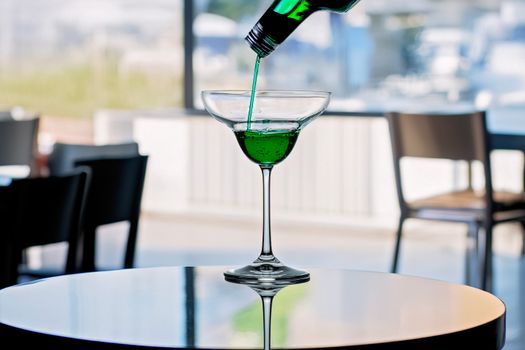
The air was thick with the scent of anise and something else, something herbal and slightly illicit. I was in a dimly lit bar in Prague, watching a bartender meticulously prepare a drink I’d only ever read about in hushed tones: Absinthe. Back home in the States, the "Green Fairy" had long been a mythical beast, legally resurrected but still a rarity, often diluted or a pale imitation of its potent past. Yet, here it was, dripping slowly over a sugar cube, promising a journey not just for my taste buds, but for my adventurous spirit.
That moment ignited a new kind of quest for me – a pursuit of the forbidden sips. You know the feeling, right? That yearning for something just out of reach, something whispered about in travel forums or glimpsed in exotic documentaries. For many of us, our home countries (mine included) have their own unique set of regulations, historical bans, or simply a lack of access to certain traditional beverages that thrive elsewhere. These aren't just drinks; they're liquid stories, cultural touchstones, and sometimes, a taste of history itself.
So, for all you fellow adventurers, the curious, and the thirsty, I've crisscrossed continents to bring you a guide to five trending, utterly captivating drinks that are either outright banned, heavily restricted, or just incredibly difficult to find in many Western countries. These are the sips that will make your next trip truly unforgettable, offering a deeper dive into local culture than any museum ever could. Ready to raise a glass to the extraordinary? Let's go!
1. The Green Fairy's Revival: Absinthe (Prague, Paris, New Orleans)
My first encounter with proper absinthe wasn't planned; it was destiny. I was wandering through Prague’s Old Town, drawn by the promise of medieval charm and cheap beer, when I stumbled upon a small, unassuming bar. Inside, a chalkboard advertised "Absintherie," and my heart did a little flutter. For years, I’d heard tales of absinthe’s hallucinogenic properties (mostly myths, I now know), its historical ban, and its re-emergence. Back home, while technically legal again, it was often the watered-down, artificially colored versions that made it to shelves, lacking the potent character and ritualistic appeal of its European ancestors.
What it is:
Absinthe is a high-proof distilled spirit derived from botanicals, primarily grand wormwood, green anise, and fennel. Its characteristic green hue comes from chlorophyll in the herbs. The "louche" effect – where it turns cloudy when water is added – is a chemical reaction of the oils.
Why it's "banned"/restricted at home: Historically, absinthe was banned in many countries, including the US, for nearly a century due to unfounded claims of causing madness (blame it on cheap, adulterated versions and temperance movements). While now legal in many places, regulations often dictate thujone levels (a compound in wormwood), and finding truly artisanal, traditional versions can be tough outside of its historical strongholds.
Where to find it & how to enjoy it:
* Prague, Czech Republic: This city is an absinthe haven. I highly recommend visiting an "Absintherie" (like the one near Old Town Square) where knowledgeable bartenders will guide you through the proper ritual. You’ll get a glass, a slotted spoon, a sugar cube, and a carafe of ice-cold water. The water slowly drips over the sugar cube, dissolving it and mixing with the absinthe below, creating the mesmerizing louche.
* Paris, France: The birthplace of the Green Fairy! Seek out historic bars like La Fée Verte or Cantada II for a more authentic, old-world experience.
* New Orleans, USA: While not banned in the US anymore, New Orleans has a long, storied history with absinthe. The Old Absinthe House is an iconic spot to try it, though their preparation might be a bit more modern.
Price range: Expect to pay €8-€20 (approx. $9-$22 USD) per glass for a quality absinthe in Europe, depending on the brand and location.
Why it's trending: The craft cocktail movement has embraced absinthe’s complex flavors and historical mystique. It’s not just a drink; it's an experience, a nod to bohemian artists and writers, and a truly Instagram-worthy ritual.
2. Japan's Liquid Gold: Namazake (Unpasteurized Sake - Japan)
My first trip to Japan was a sensory overload in the best possible way. I thought I knew sake, having enjoyed it in countless sushi restaurants back home. But then, in a tiny, bustling izakaya in Kyoto, a local friend insisted I try "Namazake." The first sip was an revelation – bright, fresh, almost sparkling, with a complexity I’d never associated with sake. It was like tasting sake for the very first time, and I immediately understood why it was so rarely found outside of Japan.
What it is:
Namazake is unpasteurized sake. Most sake undergoes two pasteurization steps to stabilize it for transport and storage. Namazake skips these steps, resulting in a fresher, livelier, often fruitier and more aromatic profile. It's truly a "living" sake, requiring refrigeration from brewery to glass.
Why it's "banned"/restricted at home: Its unpasteurized nature makes it highly delicate and perishable. Shipping and storing it properly is a logistical nightmare, requiring continuous refrigeration. Many import regulations also make it challenging to bring unpasteurized products across borders, leading to its extreme rarity and high cost outside of Japan.
Where to find it & how to enjoy it:
* Japan (everywhere!): This is where Namazake shines. Visit local sake breweries (especially in regions like Niigata, Hyogo, or Kyoto) for tastings. Many specialized sake bars (like those in Tokyo's Ginza district or Shibuya) will have a wide selection. Even local liquor stores will have refrigerated sections dedicated to Namazake.
* How to enjoy it: Always served chilled. The freshness makes it incredibly versatile with food, from delicate sashimi to richer grilled dishes. Ask the bartender for recommendations!
Price range: A glass can range from ¥500-¥1500 (approx. $3.50-$10 USD), with bottles starting around ¥2000-¥5000 ($14-$35 USD) at local shops.
Why it's trending: As the world discovers the nuanced art of Japanese cuisine, the demand for authentic, high-quality sake has soared. Namazake offers a truly unique, fresh perspective on this ancient brew, making it a must-try for foodies and sake connoisseurs. The beautiful, often minimalist bottles are also highly Instagrammable.
3. The Andes' Ancient Brew: Chicha de Jora (Peru)
Deep in the Sacred Valley of Peru, after a challenging hike to a remote Inca ruin, I found myself parched and exhilarated. Our local guide pointed to a small, unassuming house with a red flag tied to a stick outside – the universal sign for a chichería. Inside, an elderly woman smiled, offering us a large, rustic glass of a milky, yellow liquid. This was Chicha de Jora, an ancient fermented corn beer, and it tasted like history itself. Back home, anything unpasteurized and homemade like this would likely be a health code nightmare or simply impossible to find.
What it is:
Chicha de Jora is a traditional fermented corn beverage, primarily consumed in the Andes region of South America. It's made from a specific variety of yellow corn, which is germinated, dried, ground, boiled, and then fermented. It's typically low in alcohol (around 1-3% ABV) and has a slightly sour, earthy, and mildly sweet flavor.
Why it's "banned"/restricted at home: The primary reasons are its unpasteurized nature, traditional (often non-commercial) production methods, and lack of standardized labeling and quality control that would meet most international import regulations. It's a living, breathing beverage meant for local consumption.
Where to find it & how to enjoy it:
* Peru (Cusco, Sacred Valley, Arequipa): Your best bet is to look for the red flag (sometimes a plastic bag or flower) outside homes in rural areas or smaller towns. These are chicherías, often run by local women who make it fresh daily. In Cusco, some traditional restaurants will also serve it.
* How to enjoy it: It's usually served in large, simple glasses. Drink it fresh! It's a social drink, often shared among friends and family, and a staple of local festivals.
Price range: Incredibly affordable. A large glass might cost you S/1-S/3 (approx. $0.25-$0.80 USD).
Why it's trending: As sustainable and authentic travel experiences gain traction, Chicha de Jora offers a direct link to ancient Andean traditions. It's an eco-friendly, locally produced drink that supports indigenous communities and offers a truly unique cultural immersion. Plus, that rustic chichería setting makes for a fantastic, authentic Instagram shot.
4. Eastern Europe's Fiery Spirit: Palinka / Rakia (Hungary, Balkans)
I remember a particularly chilly evening in Budapest, ducking into a cozy ruin bar. A new friend, a local, insisted I try pálinka. "It will warm you from the inside out!" she declared, pouring a shot of clear liquid into a small glass. The first sip was pure fire, followed by an intense, sweet burst of apricot. It wasn't just alcohol; it was a potent expression of Hungarian hospitality and tradition, something far more robust and homemade than the highly regulated, often diluted fruit brandies I might find back home.
What it is:
Pálinka (Hungary) and Rakia (Balkans – e.g., Bulgaria, Serbia, Croatia) are powerful fruit brandies, often homemade or produced by small, local distilleries. They are typically made from fermented fruits like plums (slivovitz), apricots, pears, apples, or grapes, and distilled to a high alcohol content, often ranging from 40% to a fiery 60%+ ABV.
Why it's "banned"/restricted at home: The high alcohol content, combined with traditional, often unregulated, small-batch production methods, makes it difficult to meet the strict import and commercial sale regulations of many Western countries. While similar fruit brandies exist, the raw, potent, and often unaged character of authentic homemade pálinka or rakia is hard to replicate or import.
Where to find it & how to enjoy it:
* Hungary: Seek out "Pálinka Houses" in Budapest or visit local markets and distilleries in the countryside. Look for brands that pride themselves on single-fruit distillation.
* Balkans: In countries like Bulgaria, Serbia, and Croatia, rakia is ubiquitous. Many families distill their own, and it's a staple of social gatherings. Look for small, family-run distilleries or ask locals for recommendations. It’s often served in small shot glasses.
* How to enjoy it: Typically consumed as a shot, either as an aperitif to stimulate the appetite or as a digestif after a meal. It's often shared generously, a symbol of warmth and friendship. Sip slowly to appreciate the fruit notes, or embrace the local custom and down it with a hearty "Egészségedre!" (Hungarian) or "Nazdrave!" (Bulgarian).
Price range: A shot can cost €3-€8 (approx. $3.50-$9 USD) in a bar. A good bottle from a local producer might be €15-€30 ($17-$33 USD).
Why it's trending: The global craft spirits movement has shone a light on traditional, artisan-produced spirits. Pálinka and Rakia offer an authentic taste of Eastern European culture, a strong, honest drink with centuries of history, making them a fascinating discovery for adventurous travelers seeking genuine local experiences. Clinking glasses with locals holding these rustic bottles is pure gold for your travel feed.
5. Pacific's Calming Elixir: Kava (Fiji, Vanuatu, Samoa)
Stepping into a traditional Kava ceremony in a Fijian village was unlike any drinking experience I’d ever had. The setting was serene, the air filled with soft chants, and the atmosphere deeply communal. A large wooden bowl, the tanoa, held the muddy-looking liquid. I was offered a small coconut shell (bilo) filled with the drink. The taste was earthy, slightly peppery, and then came the numbing sensation on my lips and tongue, followed by a profound sense of calm. This non-alcoholic beverage, while a staple of Pacific culture, has faced import bans and restrictions in many countries due to health concerns, making the authentic experience truly special.
What it is:
Kava (or 'awa in Hawaiian) is a traditional beverage made from the root of the Piper methysticum plant, native to the Pacific Islands. The roots are ground into a powder, mixed with water, and strained. It's non-alcoholic but contains kavalactones, which produce a mild sedative and anxiolytic (anxiety-reducing) effect, leading to a feeling of relaxation and well-being.
Why it's "banned"/restricted at home: Kava has faced import bans and restrictions in several Western countries (including parts of the US and many European nations) due to concerns about potential liver toxicity, particularly with concentrated extracts or improper preparation. While research continues, the traditional preparation and communal consumption in the Pacific are generally considered safe.
Where to find it & how to enjoy it:
* Fiji, Vanuatu, Samoa, Tonga: The best way to experience Kava is by participating in a traditional ceremony in a village. Many resorts in Fiji also offer cultural nights where you can try it. In towns, look for "Kava bars" or markets selling the root.
* How to enjoy it: It's a communal drink. You'll be offered a bilo (coconut shell cup). It's customary to clap once, say "Bula!" (Fijian for "hello" and "cheers"), drink it in one go, and then clap three times. The taste is earthy, and it will numb your lips and tongue – don't be alarmed, that's normal!
Price range: Participating in a village ceremony might be included in a tour package or require a small gift (sevusevu). At a Kava bar, a bilo can cost FJD$2-FJD$5 (approx. $0.90-$2.20 USD).
Why it's trending: As wellness travel and authentic cultural immersion become more popular, Kava offers a unique, non-alcoholic way to connect with local traditions and experience natural relaxation. It’s a powerful symbol of community and peace, and participating in a ceremony is a deeply moving experience that looks incredible on social media, showcasing a different side of island life.
The Thrill of the Forbidden (and the Responsible Sip!)
There’s something undeniably exhilarating about trying a drink that feels a little bit forbidden, a little bit mysterious. These five beverages, each with its own unique history and cultural significance, offer more than just a taste; they offer a story, an experience, and a deeper connection to the places you visit.
Remember, though, that with great adventure comes great responsibility. Always drink in moderation, be respectful of local customs, and understand the regulations of both your destination and your home country. The goal isn't to break rules, but to explore, learn, and savor the rich tapestry of global flavors that might otherwise be inaccessible.
So, which of these trending, "banned" sips will you add to your travel bucket list? Will you chase the Green Fairy in Prague, discover living sake in Kyoto, share ancient corn beer in the Andes, brave fiery fruit brandy in Budapest, or find calm in a Fijian Kava ceremony? The world is waiting, and it’s pouring something truly special just for you.
Which forbidden sip are YOU most excited to try? Share your thoughts and tell us about any other "banned" drinks you've discovered on your travels in the comments below! And don't forget to share this post with your fellow wanderlusters!
---