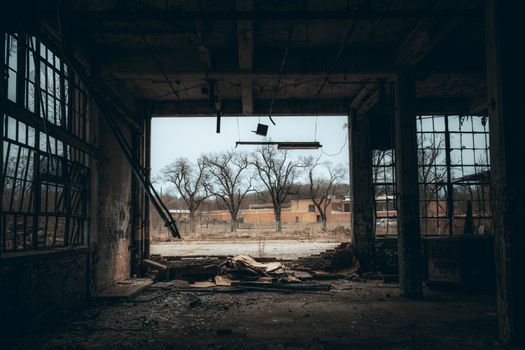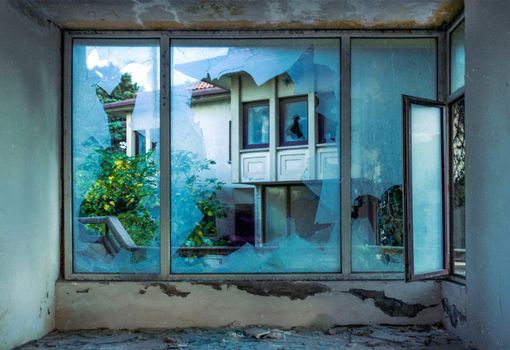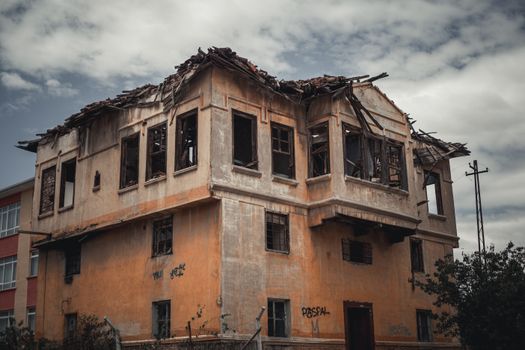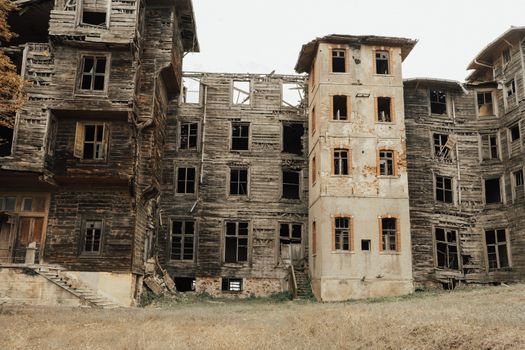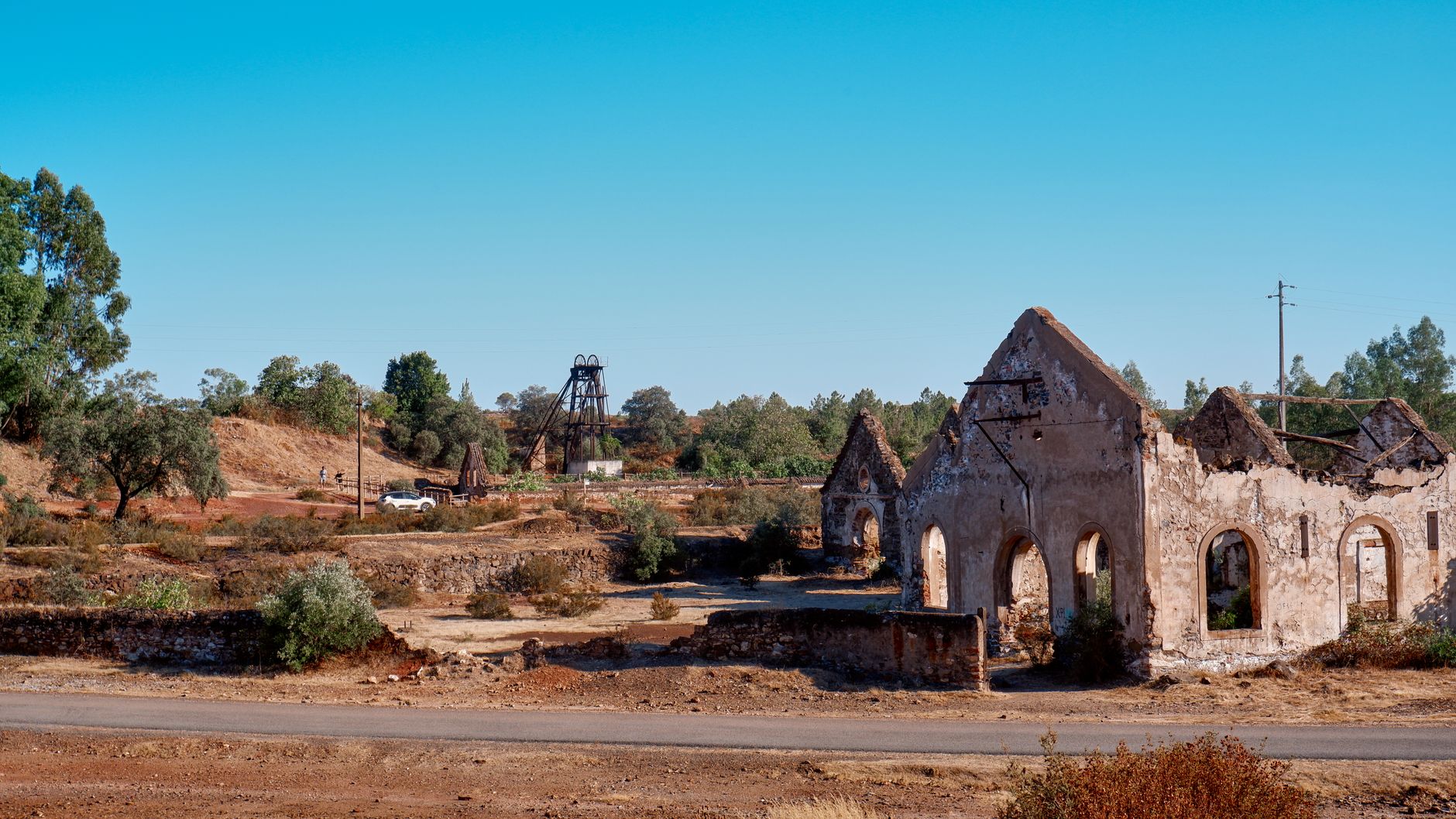
There’s a certain magic in the forgotten, isn’t there? A whisper of untold stories in every crumbling wall, a silent testament to lives lived and dreams dreamed. For as long as I can remember, I’ve been drawn to these places – the overgrown ruins, the factories swallowed by ivy, the houses left to decay. My childhood adventures often involved peeking through fences at abandoned farmhouses, imagining the families who once called them home. The thrill of discovery, the blend of decay and beauty, it’s a powerful cocktail for the curious soul.
But what happens when these forgotten relics are not just left to the elements, but lovingly (or sometimes hauntingly) transformed into something new? Something spectacular that invites the world in to witness their unique charm? That’s where the true magic happens. These aren't just ruins; they're living museums, art installations, and adventure playgrounds, each with a compelling narrative waiting to be uncovered.
Join me, your Tripsora guide, as we embark on a journey through some of the most mind-blowing abandoned places that have been resurrected as epic tourist attractions. Get ready to add some truly unique spots to your travel bucket list – and yes, they’re all incredibly Instagram-worthy!
---
The Transformative Power of Time (and Vision)
Before we dive into specific locations, let's talk about the allure. Why are we so captivated by these places? I think it’s because they represent a poignant juxtaposition: the relentless march of time against the enduring spirit of human endeavor. When a place is abandoned, nature begins its slow, deliberate reclamation. Paint peels, rust forms, plants push through concrete. Yet, within this decay, there’s a raw, untamed beauty.
The transformation into a tourist attraction often involves a delicate balance. It’s not about erasing the past, but preserving it, highlighting it, and sometimes, reimagining it. It’s about creating an experience that allows visitors to step back in time, to feel the echoes of history, and to appreciate the resilience of both human structures and the natural world. From former prisons to once-thriving cities, these sites offer a unique perspective on history, architecture, and the sheer power of nature.
---
1. From Prison Walls to Haunting Beauty: Eastern State Penitentiary, USA
My first encounter with an "officially" abandoned yet accessible site was Eastern State Penitentiary in Philadelphia, Pennsylvania. I remember walking through its imposing gates, the sheer scale of the building immediately hitting me. Opened in 1829, it was once the most expensive and famous prison in the world, pioneering the system of solitary confinement. It closed in 1971 and stood abandoned for decades, nature slowly creeping in, before reopening as a historic site.
The atmosphere inside is palpable. Sunlight streams through broken skylights, illuminating crumbling cell blocks and echoing corridors. You can practically hear the whispers of former inmates. They've kept much of the prison in a state of "preserved ruin," which is what makes it so powerful. You see the decay, the peeling paint, the rust, but it's all carefully managed.
One of the most chilling yet fascinating parts of my visit was seeing Al Capone's surprisingly plush cell. The contrast between his relative comfort and the stark, isolated cells of others was a stark reminder of the era's inequalities. Beyond the history, Eastern State also hosts incredible modern art installations that interact with the space, adding another layer of thought-provoking beauty.
My Personal Take:
I visited on a slightly overcast day, which only added to the eerie ambiance. The audio tour, narrated by Steve Buscemi, is a must-do – it brings the history to life in a vivid, often unsettling way. I felt a chill down my spine more than once, not just from the cool stone, but from the sheer weight of history.
Practical Tips:
* Location: 2027 Fairmount Ave, Philadelphia, PA 19130, USA.
* Price: Adult tickets typically range from $19-$25, depending on the season and whether you book online.
* Best Time to Visit: Fall, especially around Halloween, when they run their famous "Terror Behind the Walls" event (though this is a separate, scarier experience!). Otherwise, a weekday morning for fewer crowds.
* What to Bring: Comfortable walking shoes, a good camera (the light is incredible for photography), and an open mind.
* Don't Miss: The audio tour, Al Capone's cell, and the various art installations throughout the complex.
---
2. A Ghost City Rises from the Sea: Hashima Island (Battleship Island), Japan
Imagine an entire city, once bustling with life, now a concrete skeleton rising from the sea. That’s Hashima Island, famously known as Gunkanjima (Battleship Island) due to its resemblance to a warship. Located off the coast of Nagasaki, Japan, this former coal mining island was once one of the most densely populated places on Earth. When the coal ran out in 1974, it was abandoned almost overnight.
My trip to Hashima was surreal. The boat ride itself builds anticipation, as this looming, decaying mass slowly appears on the horizon. Stepping onto the island, you're immediately transported to a post-apocalyptic movie set (it actually featured in the James Bond film Skyfall!). Buildings stand frozen in time, windows shattered, furniture decaying, and nature slowly but relentlessly reclaiming every inch.
The designated walking paths are carefully maintained, but you can peer into the skeletal remains of apartment blocks, schools, and hospitals. It's an incredibly poignant experience, offering a glimpse into a forgotten way of life and the rapid industrialization and subsequent decline of a community. The silence, broken only by the wind and the waves, is profound.
My Personal Take:
The sheer scale of abandonment is what truly struck me. It wasn't just a building, but an entire ecosystem of human existence that simply vanished. I spent most of the tour with my jaw slightly agape, trying to comprehend the lives lived within those crumbling walls. The salty air and the constant sound of the ocean added to the melancholic beauty.
Practical Tips:
* Location: Off the coast of Nagasaki, Japan. Accessible only via licensed boat tours.
* Price: Tours typically cost ¥4,000-¥5,000 (approx. $30-$40 USD). Book well in advance, especially during peak season.
* Best Time to Visit: Spring or Autumn for milder weather. Tours are weather-dependent and can be cancelled due to rough seas.
* What to Bring: Motion sickness medication if you're prone to it, a hat, sunscreen, and a good zoom lens for your camera as you can't stray from the path.
* Don't Miss: The panoramic views from the observation decks, and the fascinating commentary from the tour guides who often have personal connections to the island's history.
---
3. Swallowed by the Sands: Kolmanskop Ghost Town, Namibia
Imagine a once-opulent German diamond mining town, built in the early 20th century in the middle of the Namib Desert, now slowly being swallowed by shifting sand dunes. That’s Kolmanskop, Namibia, and it’s perhaps one of the most visually stunning abandoned places I've ever visited.
The story of Kolmanskop is one of boom and bust. Diamonds were discovered here in 1908, leading to a rapid influx of prospectors and the construction of a lavish town complete with a hospital, ballroom, power station, and even an ice factory. But by the 1930s, diamond prices dropped, and richer deposits were found elsewhere. By 1956, Kolmanskop was completely abandoned.
Walking through Kolmanskop is like stepping into a dream. Houses stand with their doors open, inviting the desert inside. Rooms are half-filled with sand, creating surreal, undulating landscapes within former living spaces. The light, especially in the early morning or late afternoon, is absolutely magical, casting long shadows and illuminating the textured sand and peeling paint in a photographer's paradise.
My Personal Take:
I arrived at Kolmanskop just as the sun was rising, and the golden hour light filtering through broken windows into sand-filled rooms was breathtaking. It felt incredibly isolated, yet full of stories. I spent hours just wandering from house to house, marveling at nature's slow, deliberate reclamation. It truly felt like another planet.
Practical Tips:
* Location: Namib Desert, Namibia, about 10km inland from Lüderitz.
* Price: N$100-N$150 (approx. $6-$10 USD) for a permit and guided tour, purchased at the entrance gate.
* Best Time to Visit: Early morning (7:30 AM) for the best light and cooler temperatures, before the desert heat really sets in.
* What to Bring: Plenty of water, sturdy closed-toe shoes (sand is everywhere!), a hat, sunscreen, and a wide-angle lens for those incredible interior shots. A tripod is also great for longer exposures in dimmer rooms.
* Don't Miss: The guided tour provides excellent historical context, but also make sure to wander freely afterward. The old hospital and the manager's house are particularly photogenic.
---
4. Whispers of a Lost Fairytale: Spreepark, Germany
Who doesn't love a good abandoned amusement park story? Spreepark in Berlin, Germany, takes the cake. Once a vibrant symbol of East German entertainment, this park closed its gates in 2002 and has slowly transformed into a melancholic, overgrown wonderland. While not fully open to the public for free exploration, guided tours offer a fascinating glimpse into its decaying charm.
Imagine a giant Ferris wheel slowly rusting against the skyline, its empty gondolas swaying in the wind. Dinosaurs from a long-forgotten ride peek out from behind dense foliage. The T-Rex, half-submerged in a murky pond, its painted eyes staring blankly, is particularly iconic. It’s a place where childhood dreams meet the stark reality of time and neglect.
The beauty of Spreepark is in its artistic resurrection. While efforts to fully restore it have been complex, its current state as a managed ruin, occasionally hosting art installations and cultural events, is incredibly compelling. It’s a testament to the idea that even in decay, there can be immense beauty and inspiration.
My Personal Take:
I managed to snag a spot on one of their infrequent guided tours a few years ago, and it was absolutely captivating. Our guide shared stories of the park's heyday and its dramatic downfall, making the decaying rides feel even more poignant. Seeing the massive Ferris wheel slowly turning in the wind, a silent sentinel, was a truly unforgettable sight. It's less "spooky" and more "beautifully sad."
Practical Tips:
* Location: Kiehnwerderallee 1-3, 12437 Berlin, Germany.
* Price: Guided tour prices vary, typically around €15-€20.
* Best Time to Visit: Check the official Spreepark website or local Berlin event listings for tour dates, as they are not daily. Weekends tend to sell out quickly.
* What to Bring: Comfortable shoes, a camera (of course!), and an appreciation for urban decay and history.
* Don't Miss: The iconic Ferris wheel, the dinosaur figures, and the various street art pieces that have found a home within the park.
---
5. The Green Heart of Neglect: Gardens of Bomarzo (Park of the Monsters), Italy
Stepping into the Gardens of Bomarzo, or the Parco dei Mostri (Park of the Monsters), in Lazio, Italy, felt like stumbling into a forgotten fairytale. This isn't an abandoned building, but an entire 16th-century monumental complex, a "Sacred Wood" filled with bizarre and grotesque sculptures carved from bedrock. Commissioned by Prince Pier Francesco Orsini, it was deliberately designed to shock and amaze, rather than please. After his death, it was abandoned for centuries, only rediscovered and restored in the 20th century.
Wandering through its overgrown paths, you encounter giant, grimacing faces, a leaning house that plays tricks on your balance, mythical creatures, and even a "mouth of hell" that you can walk into. The sculptures are often half-hidden by lush vegetation, adding to the sense of discovery and mystery. It's a whimsical, slightly unsettling, and utterly unique experience.
The beauty here lies in the blend of art, nature, and the passage of time. The moss and lichen clinging to the ancient stone figures, the trees growing around and through them, all tell a story of neglect and eventual rediscovery. It’s a place that truly sparks the imagination, making you feel like an explorer in a lost world.
My Personal Take:
I visited on a sunny autumn day, and the dappled light filtering through the trees made the sculptures come alive. My favorite was the "Orcus" mouth – walking into its cavernous maw, you find a picnic table inside and a Latin inscription on its lips. It was wonderfully strange and perfectly Instagrammable. It’s a testament to how even places designed to be "monstrous" can become beautiful through the lens of history and nature.
Practical Tips:
* Location: Località Giardino, 01020 Bomarzo VT, Italy. Accessible from Rome by car (approx. 1.5 hours) or train/bus to Orte, then a local bus/taxi.
* Price: Entry fee is around €10-€12 for adults.
* Best Time to Visit: Spring or Autumn for pleasant weather and beautiful foliage. Weekdays are less crowded.
* What to Bring: Comfortable walking shoes (lots of uneven paths), a camera, and perhaps a picnic to enjoy amidst the "monsters."
* Don't Miss: The Mouth of Orcus, the Leaning House, and the Elephant sculpture. Allow at least 2-3 hours to fully explore.
---
Your Urbex Checklist: Tips for Responsible & Rewarding Exploration
While the places above are officially managed attractions, the spirit of urban exploration (urbex) is all about respectfully engaging with forgotten spaces. Whether you're visiting a designated site or researching something off the beaten path, here are my top tips for a safe, responsible, and rewarding experience:
- Safety First, Always: These places can be unstable. Wear sturdy, closed-toe shoes with good grip. Bring a flashlight, even in daylight. Tell someone where you're going and when you expect to return. Never go alone if you're venturing into truly wild abandoned sites.
- Leave No Trace: This is the golden rule. Take only photographs, leave only footprints. Do NOT take souvenirs, graffiti walls, or disturb anything. The goal is to preserve these sites for future generations.
- Respect the History: These places hold stories, sometimes tragic ones. Treat them with reverence. Don't climb on fragile structures or vandalize.
- Check Legality: Always, always confirm if access is permitted. "No Trespassing" signs are there for a reason – breaking the law can lead to fines, arrest, or even injury. Many of the best sites are now officially managed for a reason.
- Photography Gold:
- Golden Hour: Early morning or late afternoon light can create incredible atmosphere.
- Wide-Angle Lens: Essential for capturing the scale of rooms and landscapes.
- Tripod: Useful for low-light interiors or creating dramatic long exposures.
- Details: Don't just shoot the big picture. Look for peeling paint, forgotten objects, or natural elements reclaiming man-made structures.
- Research, Research, Research: Learn about the history of the place before you go. It will deepen your appreciation and understanding.
- Be Prepared for Anything: Weather changes, unexpected closures, or even just uneven terrain. Pack water, snacks, and appropriate clothing.
---
Conclusion: The Allure of the Reborn
There’s an undeniable allure to these forgotten realms, now resurrected and open for us to explore. They offer a unique window into the past, a poignant reflection on our fleeting existence, and a testament to the enduring power of both human resilience and nature's reclamation. Each crumbling wall, each sand-filled room, each overgrown path tells a story waiting to be heard.
These aren't just tourist attractions; they're experiences that challenge your perceptions, spark your imagination, and leave an indelible mark on your soul. So, which abandoned wonder will you choose to explore first? Will it be the chilling cells of Eastern State, the ghostly streets of Hashima, the sand-swept homes of Kolmanskop, the whimsical decay of Spreepark, or the monstrous beauty of Bomarzo?
No matter where you go, remember to tread lightly, respect the past, and soak in every incredible moment. Share your thoughts in the comments below – I’d love to hear which of these places blows your mind the most! Don’t forget to tag #TripsoraAdventures and #AbandonedReborn on your Instagram pics so we can follow along on your incredible journeys!