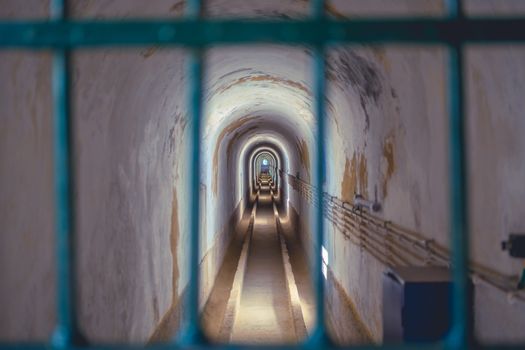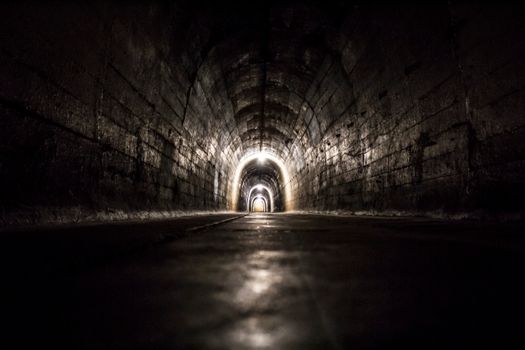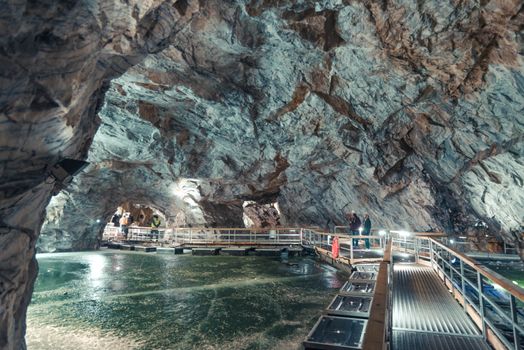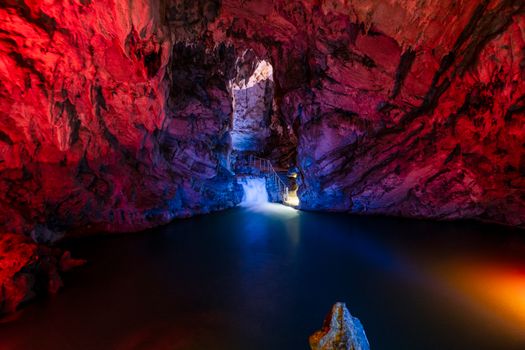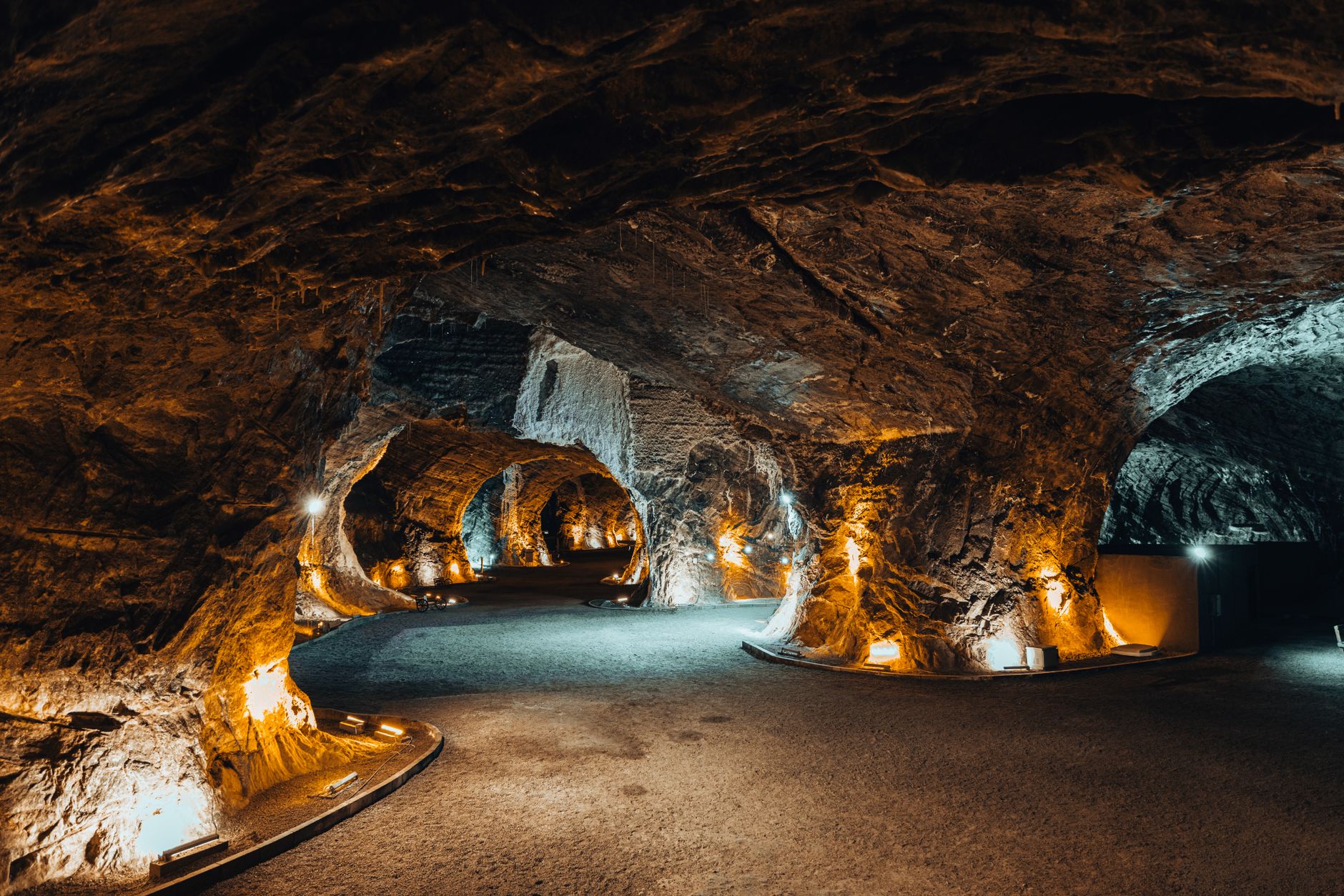
The rumble of the metro, the clamor of street vendors, the endless stream of chatter from tourists above ground – these are the familiar sounds of any vibrant city. But what if I told you there’s another world, silent and ancient, humming just beneath your feet? A world of forgotten pathways, hidden chambers, and secret tunnels that hold the true pulse of history?
For years, I was a surface-level traveler. I’d tick off the Eiffel Tower, stroll through the Roman Forum, and marvel at Big Ben, feeling like I was "seeing" the city. Then, something shifted. On a whim, I descended into a relatively unknown underground passage, and the world above ground suddenly felt… incomplete. It was as if I’d been reading only the cover of a book, oblivious to the epic story unfolding within.
That first subterranean exploration wasn’t just a tour; it was an awakening. The cool, damp air, the echoing footsteps, the palpable weight of centuries pressing down – it wasn't just history I was touching, it was the raw, unfiltered essence of human struggle, innovation, and survival. These secret tunnels beneath famous cities didn't just change my travel itinerary; they changed my life forever, fundamentally altering how I perceive the past, the present, and the very fabric of urban existence.
Join me as I take you on a journey into the earth, sharing the most incredible underground worlds I’ve uncovered, complete with practical tips, personal stories, and all the details you need to embark on your own life-altering subterranean adventure.
---
Paris: Whispers in the Labyrinth of Bones – Beyond the Tourist Catacombs
Everyone knows about the Paris Catacombs, right? The famous ossuary with millions of bones neatly stacked. But what most tourists experience is just a tiny, well-lit fraction of a vast, sprawling underground network. My first truly profound subterranean experience in Paris wasn’t just seeing bones; it was feeling the immense weight of history, life, and death in a way no museum could ever replicate.
I signed up for a specialized, small-group tour that promised "deeper insights" into the Carrières de Paris, the ancient limestone quarries that stretch for hundreds of kilometers beneath the city. What we found was a world far beyond the official tourist route. Our guide, a passionate historian with a penchant for urban legends, led us through unlit passages, where the air grew heavy with the scent of damp earth and time itself. He spoke of the "cataphiles" – the urban explorers who navigate these hidden labyrinths, sometimes for weeks.
Standing amidst those meticulously arranged femurs and skulls, the sheer scale of humanity’s past hit me. These weren't just anonymous bones; they were Parisians, people who lived, loved, and built the city above. The feeling of being surrounded by millions of silent witnesses to history was utterly humbling. It stripped away the superficiality of modern life and connected me to an unbroken chain of human existence.
The Nitty-Gritty for Your Descent:
- Official Catacombs: Entry at 1 Avenue du Colonel Henri Rol-Tanguy, 75014 Paris. Tickets are around €29 (online, skip-the-line), but book well in advance as they sell out. Expect queues even with pre-booked tickets.
- Beyond the Official: While I discourage illegal entry, some reputable tour companies (like "Secrets of Paris" or "Underground Paris") offer historical tours of accessible parts of the old quarries, focusing on geological or historical aspects, often away from the ossuary. These are typically pricier (€80-€150+) but offer a unique perspective.
- What to Expect: Cool temperatures (around 14°C/57°F), dampness, uneven ground. Wear comfortable, sturdy shoes and bring a light jacket.
- Instagram Moment: The intricate patterns of stacked bones, the eerie quiet broken only by dripping water, the feeling of profound solitude.
---
Edinburgh: Echoes in the Dark Vaults – Ghosts and Grim Realities
Edinburgh, a city steeped in history and folklore, hides a particularly chilling secret beneath its cobbled streets: the Edinburgh Vaults. These underground chambers, built into the arches of the South Bridge in the late 18th century, were initially intended for taverns and workshops. But poor construction and flooding quickly turned them into a slum, a haven for the city’s poorest, criminals, and, famously, body snatchers like Burke and Hare.
Stepping into the Blair Street Vaults with Mercat Tours was like entering a time capsule of human misery and resilience. The air was thick with a palpable sense of history – and perhaps, something more. Our guide, a master storyteller with a theatrical flair, recounted tales of plague victims, illicit distilleries, and spectral encounters. I remember one moment, standing in a pitch-black chamber, the guide’s voice dropping to a whisper, when a sudden, inexplicable cold gust of wind swept through. My heart leaped into my throat. Whether it was a draft or something else, the experience was electrifying.
The vaults weren't just about ghosts; they were a stark reminder of the brutal realities of urban life for the impoverished. They forced me to confront the darker side of history, making the vibrant city above feel even more precious.
Your Guide to the Underbelly:
- Mary King's Close: A popular choice, offering a journey through a preserved 17th-century street and homes, buried when the Royal Exchange was built. Tickets around £20-£22.
- Mercat Tours (Blair Street Vaults): Highly recommended for their storytelling and access to the deeper, more atmospheric vaults. Various tours, including ghost tours, range from £18-£25.
- Booking: Essential, especially during peak season.
- What to Expect: Very cool and damp, narrow passages, low ceilings in places. Not suitable for severe claustrophobia.
- Instagram Moment: The eerie, dimly lit stone arches, the stark contrast between the vibrant Royal Mile above and the forgotten world below.
---
Naples: A Subterranean Symphony of Civilizations – Napoli Sotterranea
Naples is a city of chaos and beauty, built on layers upon layers of history, quite literally. Beneath its bustling streets lies Napoli Sotterranea, a vast network of tunnels, cisterns, and chambers carved out over 2,400 years, from Greek aqueducts to Roman market streets and WWII air-raid shelters. This wasn't just a tunnel; it was a living, breathing timeline.
My visit here was a revelation. We started in a nondescript alley, descended a flight of stairs, and suddenly, we were in another world. Our guide led us through enormous Greek-Roman aqueducts, their channels still visible, then through narrow passages where we had to carry candles, squeezing past ancient walls. The highlight was discovering an entire Roman theater, not excavated, but built around. Modern Neapolitan homes now stand directly above its ancient stage, with a small opening from a basement allowing us to peer into its grandeur.
But it was the WWII air-raid shelters that truly moved me. Seeing the children's drawings still etched on the walls, knowing families huddled here for safety, brought the past into sharp, emotional focus. The sheer ingenuity of ancient engineers, combined with the poignant stories of survival, left me in awe of human adaptability.
Navigating Naples' Depths:
- Napoli Sotterranea: The main and most comprehensive tour. Entry at Piazza San Gaetano, 68. Tickets are around €15.
- Duration: Tours last about 1.5 to 2 hours.
- What to Expect: Expect a mix of wide open chambers and very narrow, candlelit passages (optional, but highly recommended for the experience!). It can be cool and damp. Wear sturdy, non-slip shoes.
- Instagram Moment: The dramatic scale of the ancient aqueducts, the eerie glow of candles in narrow passages, the surreal view into the Roman theater.
---
Rome: Unearthing Emperor Nero's Golden Palace – Domus Aurea & Mithraic Temples
Rome, the Eternal City, is a treasure trove of visible history. But its deepest secrets lie buried. Beyond the Colosseum and Forum, there are astonishing underground sites that offer a far more intimate connection to its imperial past. Two experiences particularly stood out: the buried Domus Aurea and the multi-layered San Clemente Basilica.
Visiting Nero’s Domus Aurea, his infamous "Golden House," was like stepping into a hidden dream. After Nero’s death, his opulent palace was deliberately buried and built over, only to be rediscovered centuries later. Today, you can explore parts of it, often with an incredible virtual reality experience. Donning the VR headset, I saw the palace come alive around me – the vibrant frescoes, the glittering gold, the grand scale – all superimposed onto the excavated ruins. It was an astonishing blend of past and present, making me feel like an archaeologist uncovering a lost world.
Equally fascinating was the San Clemente Basilica. From the beautiful medieval church above, you descend through layers of history: a 4th-century early Christian basilica, then a 2nd-century Mithraic temple (a secret cult popular with Roman soldiers), and finally, a 1st-century Roman house and a subterranean stream. Each level was a different civilization, a different belief system, built one atop the other. It was a tangible representation of how cities evolve, absorb, and bury their past.
Your Roman Subterranean Odyssey:
- Domus Aurea: Located near the Colosseum. Tours are often only available on weekends and must be booked far in advance via CoopCulture (the official site). Tickets are around €14-€16. Check their website for specific opening times and booking windows.
- San Clemente Basilica: Via Labicana, 95. Entry to the excavations is around €10-€15. No pre-booking typically required, but check hours.
- What to Expect: Domus Aurea is a construction site, so expect scaffolding and hard hats, but the VR makes it magical. San Clemente is cool and atmospheric, with narrow stairs between layers.
- Instagram Moment: The VR experience at Domus Aurea is highly visual, while San Clemente offers dramatic shots of ancient altars and underground streams.
---
London: The Ghost Stations of the Underground – A Journey into Hidden London
London’s Tube network is an engineering marvel, but beneath the daily commute lies a network of abandoned stations, deep-level air-raid shelters, and secret tunnels frozen in time. The London Transport Museum’s "Hidden London" tours offer a rare and utterly captivating glimpse into this forgotten world.
My tour of the abandoned Down Street station was like walking onto a film set. This unassuming station, closed in 1932, became a top-secret bunker for Winston Churchill and his War Cabinet during WWII. Standing on its forgotten platform, seeing the remnants of offices and sleeping quarters, I could almost hear the frantic wartime discussions, the clatter of typewriters, the hushed voices of those directing the war effort. The guides, often retired Tube workers, shared incredible anecdotes, bringing the shadowy spaces to life.
Another unforgettable experience was exploring the Clapham South Deep Level Shelter. Built to protect thousands during the Blitz, it felt like a subterranean city, complete with bunk beds, kitchens, and medical posts. Imagining the fear, camaraderie, and sheer resilience of Londoners sheltering here was deeply moving. These tours aren't just about tunnels; they're about the untold stories of a city that refused to break.
Unlocking London's Secrets:
- Hidden London Tours: Operated by the London Transport Museum. Various tours available at different abandoned stations (e.g., Down Street, Charing Cross, Clapham South, Euston).
- Booking: These tours are incredibly popular and sell out months in advance. Check the London Transport Museum website frequently for new releases. Prices range from £40-£80, depending on the tour.
- What to Expect: Expect to climb many stairs, walk on uneven surfaces, and be in confined spaces. Wear comfortable shoes and layers.
- Instagram Moment: Vintage advertising posters on forgotten platforms, the eerie silence of a deserted Tube station, the stark reality of wartime shelters.
---
Prague: Beneath the Medieval Cobblestones – Old Town Underground
Prague's Old Town Square, with its astronomical clock and bustling markets, feels utterly timeless. But beneath its medieval beauty lies an even older Prague, a network of cellars, dungeons, and former street levels that reveal the city's continuous evolution. This wasn't about grand imperial projects or wartime bunkers; it was about the everyday lives of medieval citizens.
I joined a tour that started innocuously enough, descending a flight of stairs from the Old Town Hall. Suddenly, the temperature dropped, and we were in a labyrinth of medieval cellars. Our guide explained that these were once ground-level shops and homes, gradually buried as the city raised its foundations to escape recurrent flooding from the Vltava River. We explored former torture chambers, ancient wells, and the foundations of buildings that predate the current street level by centuries.
What struck me was the intimacy of it all. You could almost feel the presence of the merchants, artisans, and prisoners who once inhabited these spaces. It was a tangible connection to the practicalities of medieval urban life, seeing how people adapted their city over generations. It reinforced the idea that cities are never static; they are living entities, constantly reshaping themselves, burying their past while building their future.
Delving into Prague's Past:
- Old Town Hall Underground: Access is often part of the Old Town Hall tour, which includes the astronomical clock. Tickets are around €12-€15.
- Various Private Tours: Several companies offer specialized "Underground Prague" tours focusing on medieval history, alchemy, or ghost stories. Prices vary.
- What to Expect: Cool, damp, and sometimes narrow passages. The lighting can be dim.
- Instagram Moment: Medieval stone arches, forgotten doorways, the stark contrast between the bright square above and the ancient darkness below.
---
Practical Tips for Your Subterranean Adventures
Embarking on an underground journey requires a bit more preparation than your average city stroll. Here’s my actionable advice to make your experience safe, enjoyable, and truly transformative:
- Research, Research, Research: Not all "secret" tunnels are accessible, and some are downright dangerous or illegal to enter. Always stick to official tours or reputable, licensed operators. Check reviews and what's included.
- Book Ahead (Seriously!): For popular or niche tours (like London’s Hidden London or Rome’s Domus Aurea), tickets can sell out months in advance. Don't leave it to the last minute.
- Dress for the Depths: Underground spaces are almost universally cool, damp, and sometimes muddy.
- Layers are Key: Even if it’s scorching hot above ground, it will be chilly below.
- Sturdy, Closed-Toe Shoes: You'll be walking on uneven surfaces, often wet or slippery. Leave the sandals at the hotel.
- Small Backpack: To carry water, a camera, and shed layers.
- Be Prepared for Claustrophobia: Some passages can be very narrow, dark, and low-ceilinged. If you suffer from severe claustrophobia, carefully research the specific tour's conditions. Many tours offer alternative routes or allow you to skip particularly tight sections.
- Respect the History: These are often sacred sites, graves, or places of profound historical significance. Treat them with reverence. Follow guide instructions, don't touch artifacts, and keep noise levels down.
- Photography Rules: Always ask your guide or check signs about photography. Flash photography is often prohibited to protect delicate frescoes or for safety reasons. Some places may ban photography entirely.
- Listen to Your Guide: They are a treasure trove of information and often have personal anecdotes that bring the history to life in ways a guidebook never could. Ask questions!
- Stay Hydrated: Even though it's cool, walking and talking can still dehydrate you.
- Check Accessibility: If you have mobility issues, inquire specifically about stairs, ramps, and narrow passages before booking.
---
Conclusion: The Deeper You Go, The More You See
My journey beneath the surface of these iconic cities has been more than just a series of fascinating tours; it's been a profound lesson in perspective. It taught me that to truly understand a place, you must look beyond the gleaming facades and bustling streets. You must be willing to descend into its hidden depths, where the true stories of human struggle, resilience, and ingenuity lie buried.
These secret tunnels changed my life forever by expanding my understanding of history, making it visceral and tangible. They stripped away the illusion of permanence and showed me that every city is a living, breathing palimpsest, constantly writing new chapters over old ones.
If you’re seeking an adventure that goes beyond the ordinary, that challenges your perceptions and connects you to the very soul of a city, then I urge you: look down. Research the hidden worlds beneath your next destination. Step out of your comfort zone, descend into the darkness, and prepare to be utterly amazed. You might just find that the most illuminating journeys are the ones that take you into the shadows.
Which underground world will you uncover first? Share your own subterranean adventures in the comments below!
---