Escaping the Metro Heat: The Micro-Trip Revolution of August 2026
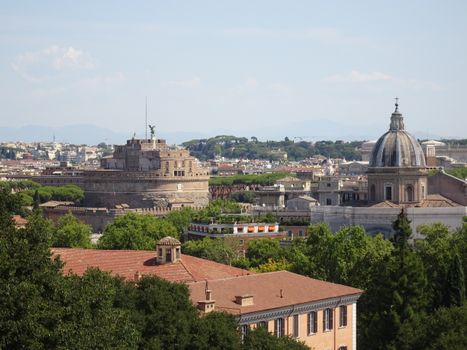
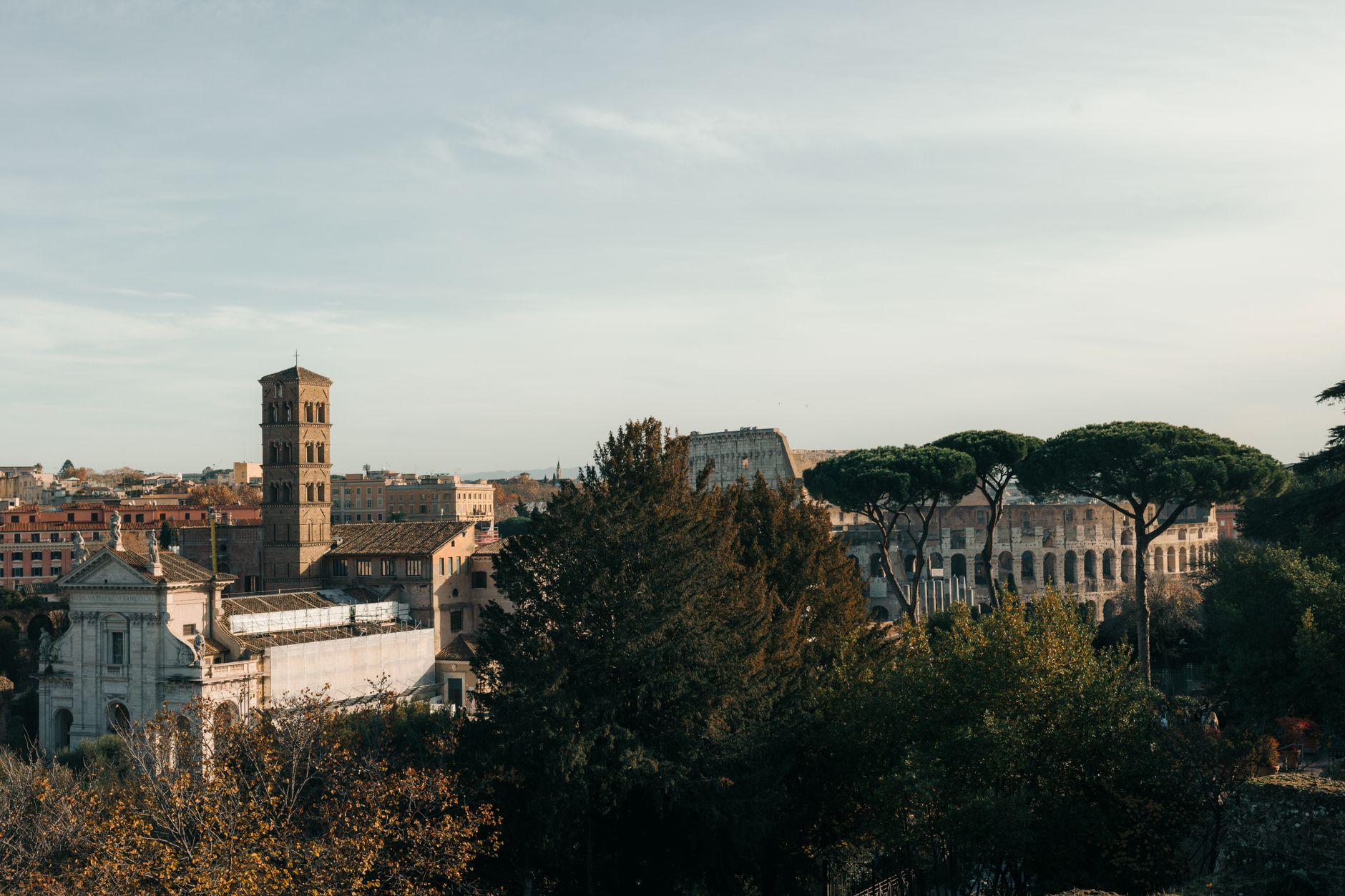
I stepped off the regional commuter train at 8:14 AM, and the sensory shift was immediate. The oppressive, asphalt-baked humidity of Central Rome dissolved into the scent of wild maritime pines, crushed dry rosemary, and damp, sun-warmed tufa stone. While thousands of sun-dazed tourists queued in a two-hour line outside the Colosseum, I had the silent, mosaic-lined courtyards of ancient Ostia almost entirely to myself.
August travel in major metropolitan hubs can be exhausting. Urban heat islands amplify summer temperatures, museum tickets book out months in advance, and iconic city centers buckle under peak summer foot traffic. Yet, within a two-hour radius of the world's most congested capitals lie untouched medieval bastions, Toltec temple complexes, and Dutch colonial trading posts.
If you are planning your August 2026 itineraries, these six high-yield historic sites deliver profound historical immersion with effortless transit logistics.
---
```
MAJOR METRO HUBS & THEIR 2-HOUR HISTORIC ESCAPES
[LONDON] ───────── 1h 10m (High-Speed Rail) ────────► [RYE & CAMBER CASTLE]
[ROME] ───────── 35m (Commuter Rail) ────────► [OSTIA ANTICA]
[TOKYO] ───────── 55m (Express Rail) ────────► [KAWAGOE "LITTLE EDO"]
[PARIS] ───────── 1h 20m (Transilien Line P) ──────► [PROVINS CITADEL]
[NYC] ───────── 45m (Metro-North) ────────► [PHILIPSBURG & SLEEPY HOLLOW]
[CDMX] ───────── 1h 15m (Northern Highway) ──────► [TEPOTZOTLÁN & TULA]
```
---
1. Rome: The Salt-Breeze Antiquity of Ostia Antica
Travel Time: 35 minutes via the Roma-Lido Railway
While Pompeii claims international headlines, Ostia Antica offers an equally preserved glimpse of imperial Roman everyday life—without the five-hour round-trip slog to Campania. Founded at the mouth of the Tiber, this ancient commercial port retains functioning multi-story insulae (apartment blocks), marble-countered thermopolia (fast-food taverns), and pristine public baths.
```
┌────────────────────────────────────────────────────────┐
│ OSTIA ANTICA MAP │
│ │
│ [West Gate / Porta Marina] ─── Decumanus Maximus ──┐ │
│ │ │
│ [Baths of Neptune] ─── Mosaic of Neptune (2nd C.) │ │
│ │ │
│ [Roman Theatre] ────── Sits 2,700; Summer Concerts │ │
│ │ │
│ [The Forum] ────────── Temple of Jupiter & Juno ───┘ │
│ │
│ [Thermopolium] ─────── Preserved Frescoes & Counter │
└────────────────────────────────────────────────────────┘
```
In August, Ostia benefits from coastal sea breezes that fail to penetrate Rome’s city center. Walk the length of the Decumanus Maximus to inspect the 2nd-century black-and-white mosaics at the Baths of Neptune, where sea monsters and tritons remain frozen in stone.
- Insider Secret: Skip the main cafeteria inside the grounds. Walk 400 meters east to the tiny medieval village outside the archaeological park (Ostia Antica Borgo) and dine at Ristorante Monumento for fresh spaghetti alle vongole and chilled Vermentino.
- Pro-Tip: The morning light strikes the Theater’s orchestra pit between 8:30 AM and 10:00 AM, creating shadow lines across the brick arcades before tour groups arrive.
---
2. Tokyo: The Black-Plaster Vaults of Kawagoe
Travel Time: 55 minutes from Ikebukuro Station via the Tobu-Tojo Line
Kawagoe, affectionately dubbed Koedo ("Little Edo"), preserves the heavy fireproof architecture of the Kanto plain's 18th- and 19th-century merchant class. During the late Edo and Meiji periods, Kawagoe supplied timber, textiles, and produce to Tokyo via the Shingashi River.
```
+-------------------------------------------------------------------------+
| KAWAGOE ARCHITECTURAL ANATOMY |
+-------------------------------------------------------------------------+
| [Heavy Tiled Roof] --> Triple-layered onigawara tiles to deflect embers|
| [Kura Walls] --> Up to 30cm thick mud/clay finished in black lime|
| [Timber Shutters] --> Iron-reinforced sliding storm casings |
| [Toki no Kane] --> 16-meter wooden Bell of Time (Rings 4x daily) |
+-------------------------------------------------------------------------+
```
Wander along Kurazukuri Street, where the imposing kurazukuri (clay-walled warehouse-style buildings) feature dark, mirror-polished plaster finishes designed to resist urban fires. The air carries the rich aroma of charred soy sauce from yaki-onigiri stalls and roasted purple sweet potatoes.
- Insider Secret: While the crowds swarm the central bell tower (Toki no Kane), head two blocks west to Kitain Temple. Here lies the only surviving structural palace rooms of Edo Castle, transported via barge after a catastrophic fire leveled Tokyo in 1638.
- Pro-Tip: August brings the Kawagoe Hikawa Shrine Wind Chime Festival. Over 2,000 Edo-glass wind chimes hang in cedar tunnels; visit after 6:30 PM when the stream running through the shrine grounds is illuminated with submerged fiber optics.
---
3. London: Smugglers’ Vaults and Norman Stones in Rye
Travel Time: 1 hour 10 minutes from St Pancras International via Ashford
Perched dramatically above the Romney Marsh in East Sussex, Rye feels detached from modern Britain. Once a fortified member of the medieval Cinque Ports Confederation, the town repelled French raids while running contraband brandy and silk through an elaborate subterranean network of vaults.
```
MERMAID STREET PROFILE
▲
50m │ [The Mermaid Inn] (1420 rebuild, smuggler cellars)
│ /
30m │ / [Cobblestone Ascent] (Original ship ballast stones)
│ /
10m │ / [St. Mary's Parish] (12th-century Norman tower)
│ /
0m └──┴──────────────────────────────────────────────────────►
West (Strand Quay) East (Church Square)
```
Trek up the steep, unpaved cobblestones of Mermaid Street, flanked by timber-framed houses bearing names like The House with the Seat and The First House on the Hill. Climb the bell tower of the 12th-century St. Mary's Parish Church to view the oldest functioning church turret clock in England (built circa 1561) and gaze across the marshland to the English Channel.
- Insider Secret: Walk the two-mile footpath southwest across the sheep fields to Camber Castle, an uninterrupted, pure-stone artillery fort constructed by Henry VIII in 1539. Unlike other Henrician castles, Camber was abandoned in the 1600s due to receding shorelines and was never modified by subsequent monarchs.
- Pro-Tip: Wear sturdy, rubber-soled footwear. Mermaid Street’s cobblestones were laid using smooth flint ship ballast, which becomes slick under the August morning mist.
---
4. Paris: Champagne Fair Bastions in Provins
Travel Time: 1 hour 20 minutes from Gare de l'Est via Transilien Line P
Provins was once the economic heartbeat of Western Europe. During the 12th and 13th centuries, this fortified town hosted the famous Fairs of Champagne, where Flemish cloth merchants traded directly with Italian silk, leather, and spice cartels under the protection of the Counts of Champagne.
```
MEDIEVAL DEFENSE SYSTEM: PROVINS
[César Tower] ── Watchtower & Donjon (12th Century)
│
[Ramparts] ───── 1.2km Preserved Curtains & 22 Towers
│
[Underground] ── 10km Vaulted Cellars (Graffiti & Storage)
│
[Grange aux Dîmes] ── Merchant Fair Trading Showroom
```
The town's fortifications remain virtually intact. Walk along the 1.2-kilometer ramparts, complete with 22 distinct defensive towers, then ascend the octagonal César Tower (Tour César) for sweeping views across the low-lying Brie agricultural plain. Beneath the town lies an intricate 10-kilometer network of vaulted medieval cellars, originally excavated for limestone and later utilized as secure, cool trade depots during the August heat.
- Insider Secret: Provins is historically famous for its Rosa Gallica Officinalis (Apothecary's Rose), brought back from the Crusades in 1248. Stop at Le Châtel tea room in the upper town for authentic rose-petal sorbet and almond biscuits.
- Pro-Tip: The direct train from Paris Gare de l'Est runs every hour and is covered entirely by a standard 5-zone Navigo pass, making this one of the most cost-efficient historical day trips in Europe.
---
5. New York City: Dutch Grist Mills of Sleepy Hollow
Travel Time: 45 minutes from Grand Central Terminal via Metro-North Hudson Line
Forty-five minutes north of Grand Central, along the broad, tidal expanse of the Hudson River, sits Sleepy Hollow and neighboring Tarrytown. Long before Washington Irving immortalized the area with tales of the Headless Horseman, this region was a critical Dutch-colonial feudal manor operated by Frederick Philipse in the late 1600s.
```
┌─────────────────────────────────────────────────────────┐
│ HUDSON RIVER VALLEY HISTORIC RUN │
├─────────────────────────────────────────────────────────┤
│ │
│ [Metro-North Hudson Line: Grand Central to Tarrytown] │
│ │ │
│ [Philipsburg Manor] ──────┴──► 1750 Dutch Water Mill │
│ [Old Dutch Church] ─────────► 1685 Stone Sanctuary │
│ [Sleepy Hollow Cemetery] ────► Irving & Carnegie Tombs │
│ [Kykuit Estate] ─────────────► Rockefeller Terraces │
│ │
└─────────────────────────────────────────────────────────┘
```
Begin at Philipsburg Manor, an extraordinary 1750 living-history site where an oak-geared, water-powered grist mill still processes whole-grain wheat. Next, cross the Pocantico River to the Old Dutch Church of Sleepy Hollow, built in 1685 out of local fieldstone and yellow Holland brick. The surrounding cemetery grounds hold the graves of early Dutch settlers, revolutionary soldiers, and industrial barons.
- Insider Secret: Walk the unpaved paths of the Sleepy Hollow Cemetery past Washington Irving’s plot up to the Rockefeller-era mausoleums. The high ridge offers cooling drafts off the Hudson River along with views of the modern Gov. Mario M. Cuomo Bridge spanning the water gap.
- Pro-Tip: Board the Metro-North train on the left side (facing forward) departing Grand Central for panoramic riverside views past the Palisades Cliffs throughout the journey.
---
6. Mexico City: Monoliths and Gold Leaf in Tepotzotlán & Tula
Travel Time: 1 hour 15 minutes north via Autopista México-Querétaro
Leaving the sprawling basin of Mexico City, the arid northern plateau reveals two completely divergent eras of Mexican history: the pre-Hispanic military might of the Toltecs and the peak of New Spain’s Baroque opulence.
```
CHRONOLOGICAL TIMELINE
900–1150 CE 1580–1767 CE AUGUST 2026
┌─────────────────────────────┬───────────────────────────┬──────────────┐
│ TULA (Tollan-Xicocotitlan) │ TEPOTZOTLÁN │ TRIPSORA │
│ 4.6m Basalt Warriors │ National Viceroyalty │ MODERN ROUTE │
│ Quetzalcoatl Pyramid │ Gold-leaf Churrigueresque │ Quick Day- │
│ Toltec Imperial Capital │ Jesuit College Complex │ Trip Access │
└─────────────────────────────┴───────────────────────────┴──────────────┘
```
First, stop at the National Museum of the Viceroyalty (Museo Nacional del Virreinato) in Tepotzotlán. The Church of San Francisco Javier features jaw-dropping Churrigueresque altarpieces, carved from cedar and overlaid in 23.5-karat gold leaf that glimmers in the high desert light.
Continue 35 minutes further to the archaeological zone of Tula (Tollan-Xicocotitlan). Here atop Pyramid B stand the Atlantes of Tula: 4.6-meter-tall basalt columns carved into the likeness of Toltec warriors bearing atlatl spear throwers and butterfly-shaped breastplates.
- Insider Secret: Directly outside the Tula archaeological gate, order traditional barbacoa de borrego (pit-roasted lamb wrapped in maguey leaves) served with fresh blue corn tortillas and salsa borracha made with fermented pulque.
- Pro-Tip: Tula’s exposed basalt plateau offers zero shade. Arrive at opening (9:00 AM) armed with SPF 50, a wide-brim hat, and plenty of water before the midday sun hits peak UV index levels.
---
Logistics, Budgets, and Strategic Transit Cheat Sheet
```
+------------------+-------------------+-----------------+---------------+----------------------+
| Historic Site | Gateway City | Transit Mode | Est. Cost ($) | Ideal Time to Arrive |
+------------------+-------------------+-----------------+---------------+----------------------+
| Ostia Antica | Rome, Italy | Commuter Rail | $18 - $25 | 08:30 AM |
| Kawagoe | Tokyo, Japan | Tobu-Tojo Line | $15 - $30 | 09:00 AM |
| Rye & Camber | London, UK | Southeastern HS | $35 - $60 | 09:15 AM |
| Provins Citadel | Paris, France | Transilien P | $12 - $20 | 09:00 AM |
| Philipsburg/SH | New York City, US | Metro-North | $30 - $45 | 09:30 AM |
| Tepotzotlán/Tula | Mexico City, MX | Car / Express | $20 - $40 | 08:45 AM |
+------------------+-------------------+-----------------+---------------+----------------------+
```
Essential Packing Rules for August Historic Day Trips
* Footwear Dynamics: Historical sites contain uneven ancient surfaces (Roman basalt pavers, English flint stones, Toltec gravel). Wear low-profile, tread-heavy trail shoes rather than smooth-soled lifestyle sneakers.
* Sun Protection & Hydration: Ancient stone structures radiate stored heat. Pack an electrolytic hydration flask and a UV-blocking umbrella for open archaeological ruins like Tula and Ostia Antica.
* Transit Booking: For European rail services (Southeastern from London St Pancras), book 12 weeks ahead to secure Advance Single fares, which run up to 60% cheaper than day-of peak purchases.
By shifting your attention just beyond the ring roads of the world's most famous capitals, you can trade overcrowded tourist traps for untouched heritage, crisp regional food, and deeply authentic history.
---