Have you ever found yourself standing in front of a supposedly "iconic" travel spot, phone in hand, jostling for space with a hundred other tourists, all trying to capture the exact same, heavily filtered shot? I have. More times than I care to admit. My breaking point came in Rome, at the Trevi Fountain. Don't get me wrong, it's magnificent. But the sheer wall of humanity, the endless selfie sticks, the relentless buzz – it felt less like a romantic Italian moment and more like a sardine can. I snapped a quick photo, tossed my coin, and beat a hasty retreat, feeling utterly drained.
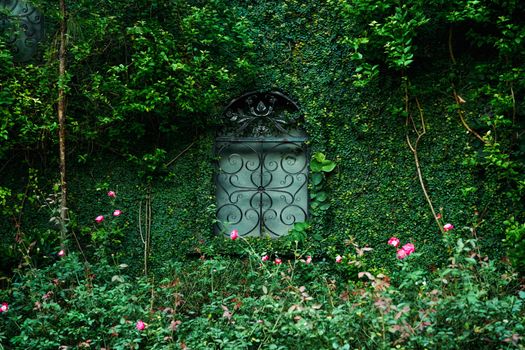
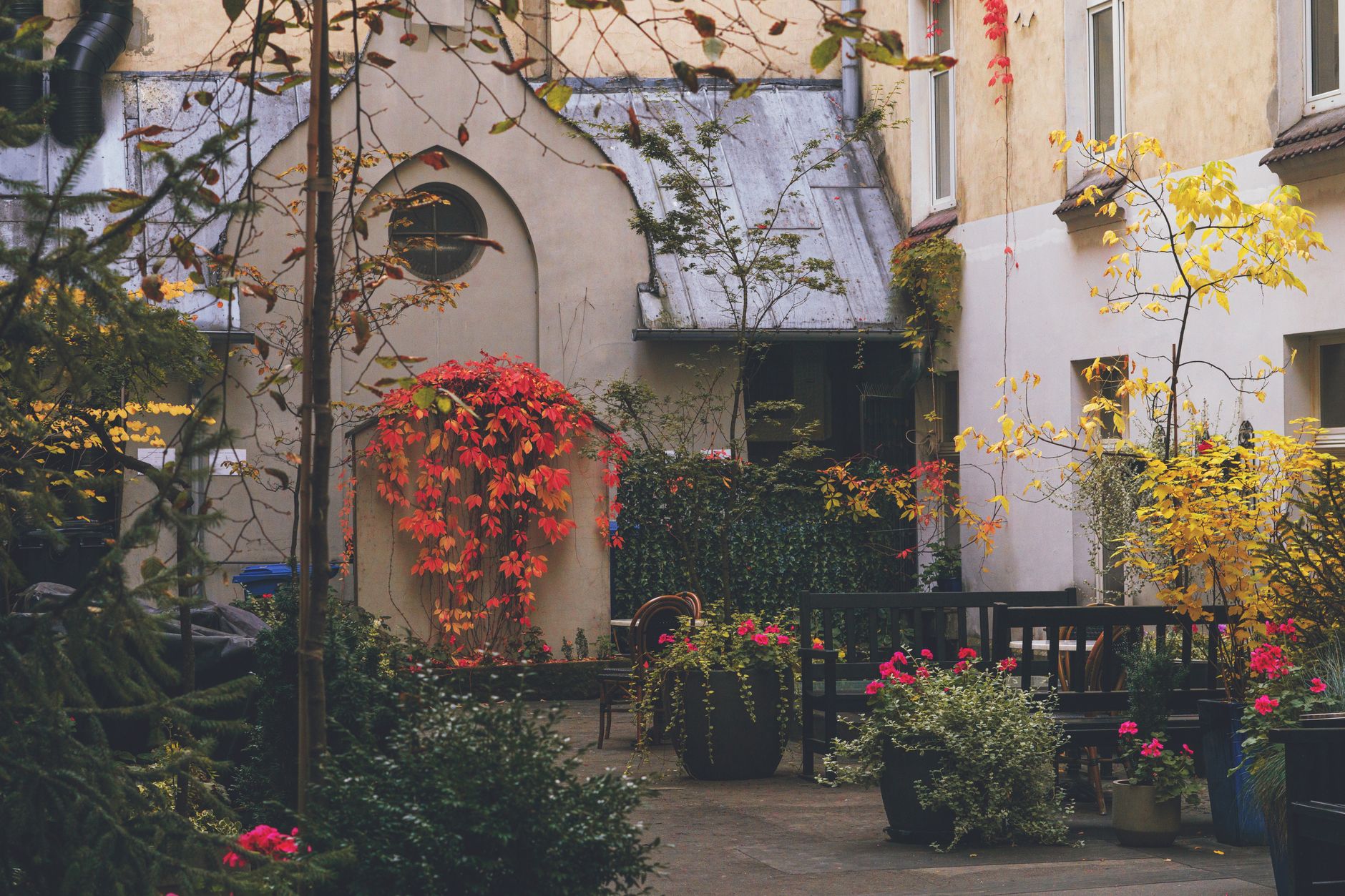
Later that day, wandering aimlessly down a quiet side street, I noticed a tiny, unassuming archway partially obscured by ivy. Curiosity piqued, I peeked through. What I found was a small, walled garden, vibrant with bougainvillea, a trickling fountain, and a lone elderly woman reading on a bench. It was a pocket of pure, unadulterated peace in the heart of a bustling city. No crowds, no queues, no selfie sticks. Just birdsong, the scent of jasmine, and an overwhelming sense of discovery. That moment sparked an obsession: finding these secret gardens, the hidden oases that Instagram influencers, chasing the next viral shot, often overlook. And today, I’m letting you in on the secret.
This isn't about shaming anyone's travel style. It's about offering an alternative. A way to reclaim the joy of discovery, to find genuine tranquility, and to capture truly unique memories – and yes, stunning photos – that tell a story beyond the usual "been there, done that" feed. These are the places that whisper, not shout. The places that invite you to slow down, breathe deep, and truly connect with your surroundings. Ready to become a secret garden detective? Let’s dive in.
The Allure of the Unseen – Why Secret Gardens Matter More Than Ever
In an age dominated by curated feeds and the relentless pursuit of "viral moments," it's easy to feel like every beautiful corner of the world has already been discovered, photographed, and commodified. This is precisely why secret gardens hold such profound appeal. They are antidotes to the overcrowded, over-commercialized travel experience.
Imagine stepping from a noisy urban street into a hushed, verdant sanctuary. The air instantly feels cleaner, the sounds soften, and a sense of calm washes over you. That's the magic of a secret garden. They offer:
- Authenticity: These aren't spaces designed for mass tourism. They are often historic, lovingly maintained by local communities, or simply forgotten pockets of nature. They retain a genuine charm that larger attractions often lose.
- Tranquility: The most precious commodity in our fast-paced world. Here, you can sit, reflect, read a book, or simply listen to the rustle of leaves without interruption.
- Unique Photography: Forget copying the same angles everyone else uses. Secret gardens offer endless opportunities for creative, intimate shots – a dewdrop on a petal, sunlight filtering through ancient trees, a forgotten statue draped in ivy. Your photos will stand out because they tell your story of discovery, not just a regurgitated version.
- A Sense of Discovery: There's an undeniable thrill in finding something beautiful that isn't plastered across every travel guide. It feels like a personal triumph, a reward for your adventurous spirit.
- Mindful Connection: These spaces encourage you to be present. To notice the delicate architecture of a flower, the buzzing of a bee, the scent of damp earth. It’s a form of active meditation.
Influencers, by their very nature, seek out highly visible, easily shareable, and often instantly recognizable locations. These hidden gardens, by contrast, thrive in their obscurity. They require a bit more effort to find, a willingness to stray from the well-trodden path, and often don't have the grand, sweeping vistas that scream "viral content." And that, my friends, is precisely their charm.
Your Secret Garden Detective Kit – How to Find Them
So, how do you uncover these elusive botanical treasures? It’s less about luck and more about adopting a detective's mindset. Here’s your toolkit:
- Go Local, Really Local: This is my number one tip. Forget official tourist information centers. Instead, ask the barista at a small café, the owner of a local bookstore, or the receptionist at your boutique hotel. Frame your question carefully: "Are there any small, quiet parks or gardens nearby that most tourists don't know about?" or "Where do you go when you need a moment of peace?" Locals often guard these spots, but if you approach them with genuine respect for their community, they might just share a gem.
- Google Maps & Satellite View is Your Best Friend: Before you even leave home, spend time virtually exploring your destination. Look for green patches, especially within dense urban areas. Switch to satellite view and zoom in. Are there walled enclosures? Courtyards? Rooftop terraces with greenery? These are prime indicators. Sometimes, a tiny green square on the map can hide an entire world.
- Harness the Power of Niche Blogs & Forums: General travel blogs might miss these, but local community blogs, gardening forums, or even specialized architecture blogs can be goldmines. Search terms like "hidden parks [city name]," "secret gardens [city name]," "urban oasis [city name]," or "community gardens [city name]." Reddit's city-specific subreddits can also yield surprising results.
- Wander with Purpose (or Without): Sometimes the best discoveries are made when you simply allow yourself to get lost. Ditch the rigid itinerary for an afternoon. Turn down a promising-looking alleyway. Follow a path that seems to lead nowhere. Keep your eyes peeled for subtle clues: a half-open gate, a glimpse of greenery over a wall, a sign for a "courtyard" or "patio."
- Look Up and Down: Secret gardens aren't always at street level. Some are rooftop oases, others are sunken courtyards. Pay attention to different elevations.
- Timing is Everything: Even slightly less-known gardens can get busy. Aim for early mornings, late afternoons, or during the off-season. Weekdays are generally quieter than weekends. The light is also often best for photography during these times.
- Check University Campuses & Hospitals: Many older universities and hospitals have stunning, often historic, botanical gardens or courtyards that are open to the public but rarely advertised to tourists.
European Enchantments – My Top Secret Garden Picks
To get you started on your quest, here are a few of my favorite hidden oases across Europe. These are places I’ve personally visited, cherished, and found to be wonderfully free of the usual tourist circus.
1. Orto Botanico di Brera, Milan, Italy
- Location: Via Brera, 28, 20121 Milano MI, Italy (tucked behind the Brera Academy of Fine Arts and the Pinacoteca di Brera).
- Why it's special: Milan is known for fashion, finance, and its magnificent Duomo. Most tourists rush from one designer shop to the next. But step behind the imposing Palazzo Brera, and you'll find a tranquil 18th-century botanical garden. It’s not grand in scale, but its charm lies in its intimacy. Shaded paths, ancient gingko trees, a small pond, and meticulously labelled medicinal plants create a serene atmosphere. It feels like stepping into a forgotten painting.
- Personal Anecdote: After a particularly overwhelming morning battling crowds at the Duomo and Galleria Vittorio Emanuele II, I stumbled upon this garden. The silence was deafening, in the best possible way. I spent a blissful hour just sitting on a bench, sketching in my notebook, completely forgetting the urban chaos just outside its walls. It was a true sensory reset.
- Cost: Free.
- Best Time to Visit: Spring for blooms, or early autumn for beautiful foliage. Weekday mornings are ideal for solitude.
2. Jardin des Serres d'Auteuil, Paris, France
- Location: 3 Av. de la Porte d'Auteuil, 75016 Paris, France (in the Bois de Boulogne).
- Why it's special: Everyone flocks to Luxembourg Gardens or the Tuileries. But for a truly unique Parisian garden experience, head to the Jardin des Serres d'Auteuil. This botanical garden, dating back to the 19th century, features stunning Art Nouveau greenhouses filled with exotic plants, palms, and a fantastic collection of orchids. Outside, you'll find beautifully manicured French gardens, fountains, and even a small aviary. It's a world away from the Champs-Élysées.
- Personal Anecdote: It was a drizzly afternoon in Paris, and I was looking for an indoor escape that wasn't a museum. I remembered a friend mentioning "some greenhouses out west." What I found was a magnificent complex that felt like a journey to a tropical paradise. The warmth and humidity inside the grand palm house, surrounded by lush greenery, was utterly transportive. I felt like a Victorian explorer, far from the grey Parisian sky.
- Cost: Free.
- Best Time to Visit: Any time of year, as the greenhouses offer warmth in winter and shelter from rain. Weekdays are quieter.
3. The Phoenix Garden, London, UK
- Location: 21 Stacey St, London WC2H 8DG, UK (tucked between Charing Cross Road and St Giles Circus, near Covent Garden).
- Why it's special: This is the epitome of a "hidden in plain sight" garden. In the heart of London's bustling West End, just steps from theatres and shops, lies this incredible community garden. Built on a former car park, it's a vibrant wildlife haven, a testament to urban regeneration. You'll find ponds, wildflower meadows, sculptures made from recycled materials, and plenty of benches for quiet contemplation. It's truly unexpected and wonderfully quirky.
- Personal Anecdote: A local friend insisted I visit, promising a "proper London secret." I was skeptical – a garden in this part of town? But as I walked through the unassuming entrance, the noise of the city melted away. I watched a robin flit between wildflowers, heard the gentle buzz of bees, and felt a profound sense of calm. It's a tiny, powerful reminder of nature's resilience and the beauty of community effort.
- Cost: Free.
- Best Time to Visit: Spring and summer for full bloom. It's small enough to always feel intimate, but weekday lunchtimes might see a few more local office workers.
4. Hortus Botanicus, Amsterdam, Netherlands
- Location: Plantage Middenlaan 2a, 1018 DD Amsterdam, Netherlands (in the Plantage district).
- Why it's special: While not entirely unknown, many tourists in Amsterdam stick to the canals, museums, and red-light district. The Hortus Botanicus, one of the oldest botanical gardens in the world (established in 1638!), offers a serene escape. It boasts an impressive collection of plants from around the globe, several beautiful greenhouses (including a stunning palm house and a three-climate greenhouse), and peaceful outdoor beds. It’s a historical and botanical treasure often overlooked in favor of more 'iconic' attractions.
- Personal Anecdote: After a full morning navigating the crowded Anne Frank House and Rijksmuseum, I craved some green space. The Hortus Botanicus was a revelation. I spent hours wandering through the ancient trees, marveling at the vibrant orchids, and losing myself in the scent of exotic spices in the tropical greenhouse. It offered a profound sense of quiet wonder that was exactly what I needed.
- Cost: Around €12-€15 for adults.
- Best Time to Visit: Spring and early summer for the most vibrant blooms, but the greenhouses are wonderful year-round.
5. Jardins de Mossèn Costa i Llobera, Barcelona, Spain
- Location: Ctra. de Miramar, 38, 08038 Barcelona, Spain (on Montjuïc hill, near the cable car station).
- Why it's special: Barcelona is famous for Gaudí and its beaches, but perched on the slopes of Montjuïc is a truly unique botanical garden dedicated to cacti and succulents. With over 800 species from arid and desert regions worldwide, it offers breathtaking views of the city, the port, and the Mediterranean Sea. The dramatic landscape, combined with the exotic plants, creates an almost otherworldly atmosphere. It's a fantastic spot for unique photos and a tranquil escape from the bustling city below.
- Personal Anecdote: I was trying to find a quieter spot on Montjuïc after visiting the castle. I saw a small sign for "Jardins" and followed it. What unfolded was a vast, terraced garden unlike any I'd seen. The sheer variety and size of the cacti were astonishing, and the panoramic views were incredible. I spent a peaceful afternoon exploring the different sections, feeling like I'd stumbled into a desert paradise overlooking the sea.
- Cost: Free.
- Best Time to Visit: Any time of year, but late spring/early summer for some blooms. Go in the late afternoon for stunning golden hour light.
Capturing the Magic – Photography Tips for Secret Gardens
You've found your secret garden – now how do you capture its essence without turning it into the next overcrowded influencer hotspot?
- Focus on Detail, Not Grandeur: Instead of trying to get a wide, sweeping shot (which might reveal too much of its exact location and attract crowds), focus on the smaller, intricate details. The texture of a leaf, the pattern of a paving stone, a single bloom, the play of light and shadow. These tell a more intimate story.
- Use Natural Light: Secret gardens often have beautiful, dappled light. Embrace it. Shoot during the "golden hour" (shortly after sunrise or before sunset) for soft, warm light, or on an overcast day for diffused, even lighting. Avoid harsh midday sun.
- Ethical Photography: This is crucial.
- Respect the Space: Stay on paths, don't pick flowers, and don't disturb any wildlife.
- Respect Others: If there are other people, be mindful. Ask permission before including them in your shot, or wait until they move.
- Keep it Clean: Don't leave any trash behind.
- Consider Your Caption: While you can share your beautiful photos, perhaps be a little cryptic about the exact location in your caption. Encourage others to discover it, rather than just pointing them there. A caption like "Found a little slice of heaven today in [City Name]. Sometimes the best spots are the ones you stumble upon!" is perfect.
- Embrace the "Feeling": Try to capture the mood of the garden. Is it peaceful? Mysterious? Vibrant? Use your composition, colors, and subjects to convey that emotion. A blurry background (bokeh) can emphasize a single flower and create a dreamy effect.
- Look for Unique Angles: Get low, shoot through foliage, use reflections in water features. Challenge yourself to find perspectives that aren't immediately obvious.
Beyond the Bloom – The Deeper Meaning of These Spaces
Visiting these secret gardens is more than just a quest for beautiful photos or a break from the crowds. It's an act of mindfulness. It's about slowing down, unplugging, and reconnecting with nature in its most accessible forms. It’s a reminder that beauty isn't always loud or flashy; sometimes, it's found in the quiet corners, patiently waiting to be discovered.
These spaces often serve as vital green lungs for cities, supporting local biodiversity and offering respite to residents. By visiting them respectfully, you're not just enriching your own travel experience, but also acknowledging and appreciating the efforts that go into preserving these precious urban oases.
Unearth Your Own Secret Oasis
The joy of travel lies not just in seeing the famous landmarks, but in the unexpected detours, the serendipitous discoveries, and the quiet moments that truly resonate. Secret gardens offer all of this and more. They are a testament to the fact that authentic beauty and tranquility still exist, hidden in plain sight, just waiting for curious souls like you to find them.
So, next time you plan a trip, pack your detective kit. Look beyond the usual tourist traps. Wander, explore, ask locals, and let your intuition guide you. You might just uncover your own personal Eden, a place so enchanting, so peaceful, that you’ll want to keep its true magic a secret – or at least, share it only with those who truly appreciate the art of discovery.
What's your favorite hidden oasis? Have you stumbled upon a secret garden that blew you away? Share your stories and cryptic clues in the comments below! Let's inspire each other to seek out the unseen wonders of the world.
---