The Whispering Woods: My First Foray into Scientifically Proven Forest Bathing
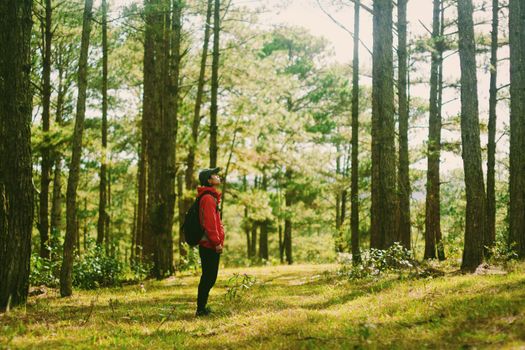
I stepped off the train, and the air hit me – not with the stale exhaust of the city, but with a crisp, earthy perfume. It was a scent I’d only ever imagined: damp soil, decaying leaves, and the sharp, clean tang of pine needles. Sunlight, dappled and warm, filtered through a canopy of ancient oaks, painting shifting mosaics on the moss-covered forest floor. A gentle breeze rustled the leaves overhead, a soft symphony that seemed to whisper secrets only the trees knew. This was it. My first intentional foray into forest bathing, a practice I’d been researching obsessively, drawn by the growing body of scientific evidence touting its profound benefits. I was in Yakushima, Japan, a UNESCO World Heritage site, and the forest was already working its magic.
What Exactly Is Forest Bathing, and Why the Science?
Before we wander further, let’s clarify. Forest bathing, or "Shinrin-yoku" in Japanese, isn't about breaking a sweat or conquering a summit. It’s about mindful immersion in the forest atmosphere. It's about engaging all your senses – the smell of the damp earth, the sound of birdsong, the feel of rough bark beneath your fingertips, the taste of clean, crisp air, and the sight of vibrant greens and earthy browns.
The scientific community has been quietly but powerfully validating what ancient cultures have intuitively known for millennia: nature is medicine. Studies have shown that spending time in forests can:
- Lower cortisol levels: The stress hormone plummets, leading to reduced feelings of anxiety and tension.
- Boost immune function: Exposure to phytoncides – airborne chemicals emitted by trees – has been linked to an increase in Natural Killer (NK) cells, crucial for fighting off infections and diseases.
- Improve mood and reduce depression: Forest bathing has been shown to increase feelings of happiness and vitality, while decreasing symptoms of depression and anger.
- Lower blood pressure and heart rate: Your cardiovascular system gets a gentle, restorative workout.
- Enhance focus and cognitive function: The gentle stimulation of nature can improve attention span and creativity.
These aren't just anecdotal observations; they are the results of rigorous scientific studies, making the pursuit of forest bathing more than just a trend – it's a scientifically-backed wellness practice.
Trails Where Science Meets Serenity: Our Top Picks
After extensive research and countless hours spent communing with ancient woodlands, I’ve curated a list of forest bathing trails that not only offer breathtaking beauty but are also situated in environments where their therapeutic effects are amplified and scientifically recognized. These aren't just pretty walks; they are sanctuaries for the soul.
1. Yakushima Island, Japan: The Ancient Forest of the Gods
Why it's scientifically proven:
Yakushima is renowned for its ancient cedar trees (Yakusugi), some over 1,000 years old. The sheer age and density of these trees, combined with the island's high humidity and frequent rainfall, create an environment rich in beneficial phytoncides. Research from institutions in Japan has specifically highlighted the elevated levels of these compounds in Yakushima's forests and their positive impact on human physiology. The island's unique ecosystem has been the subject of numerous ecological and physiological studies.
The Experience:
Stepping onto the trails of Yakushima feels like entering a prehistoric realm. The air is thick with moisture, the scent of cedar is intoxicating, and moss carpets everything, softening every sound. The famous Jomon Sugi, a colossal cedar estimated to be between 2,000 and 7,200 years old, is a pilgrimage for many. But even the shorter trails, like the one through the Shiratani Unsuikyo Ravine (which inspired Studio Ghibli's Princess Mononoke), offer profound immersion.
Pro-Tips:
- Visit during the shoulder seasons (spring or autumn): Expect fewer crowds and pleasant weather.
- Invest in good waterproof gear: Rain is a constant companion, but it’s also part of the forest’s magic.
- Allow ample time: Rushing defeats the purpose. Spend at least half a day to truly sink in.
- Local Insight: Don't just look at the trees; touch them. Feel the resilience of the ancient bark.
Quick Facts (Yakushima Island):
| Category | Details |
| :--------------- | :------------------------------------------------------------------------------- |
| Estimated Cost | $ (Flights to Japan, ferry/flight to Yakushima, accommodation, food) |
| Best Time to Visit | April-May (spring), October-November (autumn) for milder weather and fewer crowds. |
| How to Get There | Fly into Kagoshima Airport (KOJ) on Kyushu, then take a ferry or a short flight to Yakushima Airport (KUM). |
2. The Black Forest, Germany: Where Fairy Tales Meet Forest Therapy
Why it's scientifically proven:
Germany has been at the forefront of forest therapy research, with dedicated "Heilwald" (healing forests) programs. The Black Forest, with its diverse coniferous and deciduous trees, offers a rich blend of phytoncides. Studies conducted in German forests have consistently shown significant reductions in stress hormones, improved mood, and enhanced immune responses among participants. The clear air and well-maintained trails facilitate deep, sensory engagement.
The Experience:
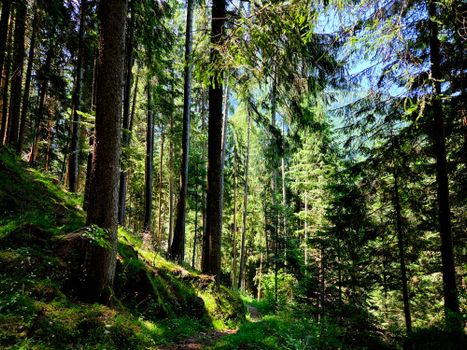
The Black Forest is more than just a picturesque backdrop; it’s a landscape steeped in folklore and natural healing. Imagine winding trails through towering fir and spruce trees, the scent of pine needles sharp and invigorating. The air feels cleaner, the silence is profound, broken only by the rustling of leaves or the distant chime of a cowbell. Trails like the Westweg or the paths around Titisee offer a perfect blend of accessibility and immersion.
Pro-Tips:
- Start your day early: Experience the forest waking up with you, bathed in soft morning light.
- Pack a picnic: Find a secluded clearing and savor local delicacies like Black Forest ham and cherry cake amidst the trees.
- Download offline maps: Cell service can be spotty, but the trails are generally well-marked.
- Insider Tip: Look for the "Waldlehrpfad" (forest education trails) – they often have interpretive signs that deepen your connection to the ecosystem.
Quick Facts (Black Forest):
| Category | Details |
| :--------------- | :------------------------------------------------------------------------------- |
| Estimated Cost | $$ (Train travel within Germany, accommodation, food) |
| Best Time to Visit | May-October for pleasant hiking weather. Autumn offers stunning foliage. |
| How to Get There | Easily accessible by train from major German cities like Frankfurt or Stuttgart. |
3. The Olympic National Park, USA: Rainforests and Coastal Serenity
Why it's scientifically proven:
The Hoh Rainforest within Olympic National Park is one of the few temperate rainforests in the United States. Its unique microclimate, characterized by high rainfall and a dense canopy, fosters an environment rich in moisture and a diverse range of airborne compounds. Studies on forest bathing in similar environments have demonstrated significant physiological benefits, including stress reduction and immune system enhancement. The sheer scale and biodiversity contribute to a powerful sensory experience.
The Experience:
Entering the Hoh Rainforest is like stepping into another world. Giant moss-draped maples and ancient Sitka spruce create an ethereal, emerald cathedral. The air is heavy with the scent of damp earth and decaying wood, a primal perfume that grounds you instantly. The silence is almost deafening, punctuated by the drip of water and the calls of unseen birds. Walking the Hall of Mosses trail is an absolute must.
Pro-Tips:
- Visit in the late afternoon: The light filtering through the dense canopy is magical.
- Listen to the silence: Turn off your phone, and just be. Let the forest sounds wash over you.
- Pack layers: The rainforest can be cool and damp, even in summer.
- Local Gem: For a different sensory experience, explore the coastal trails of Olympic National Park. The scent of salt spray mingling with damp earth is unique.
Quick Facts (Olympic National Park):
| Category | Details |
| :--------------- | :------------------------------------------------------------------------------- |
| Estimated Cost | $ (Park entrance fee, accommodation near the park, food) |
| Best Time to Visit | July-September for the driest weather. Spring and autumn offer lush greenery. |
| How to Get There | Fly into Seattle-Tacoma International Airport (SEA), then drive approximately 3-4 hours to the park. |
4. The Azores, Portugal: Volcanic Islands and Lush Forests
Why it's scientifically proven:
The Azores are a volcanic archipelago bursting with life. The unique blend of volcanic soil, abundant rainfall, and the surrounding Atlantic Ocean creates a microclimate that supports incredibly lush vegetation. While specific studies on forest bathing in the Azores are emerging, the islands' high biodiversity and the presence of numerous endemic plant species suggest a rich environment for phytoncide release. The tranquility and remoteness of many Azorean forests contribute to their therapeutic potential.
The Experience:
Imagine hiking through emerald green landscapes, where hydrangeas bloom in riotous profusion and the air is alive with the scent of damp earth and exotic flora. The Azores offer a unique volcanic twist to forest bathing. Trails wind through ancient laurel forests, past volcanic craters, and alongside cascading waterfalls. The Fajã da Caldeira de Santo Cristo trail on São Jorge island, or the paths around Sete Cidades on São Miguel, offer stunning immersion.
Pro-Tips:
- Embrace the mist: The Azorean mist is not a deterrent; it's part of the atmosphere, enhancing the sensory experience.
- Seek out local teas: The Gorreana Tea Plantation on São Miguel offers a unique taste of the island's flora.
- Be prepared for varied terrain: Trails can range from gentle paths to more rugged volcanic tracks.
- Insider Scoop: The scent of the native Pittosporum undulatum is particularly captivating after a rain shower.
Quick Facts (The Azores):
| Category | Details |
| :--------------- | :------------------------------------------------------------------------------- |
| Estimated Cost | $$ (Flights to the Azores, inter-island flights/ferries, accommodation, food) |
| Best Time to Visit | May-September for the best weather, though the islands are beautiful year-round. |
| How to Get There | Fly into Ponta Delgada Airport (PDL) on São Miguel Island from mainland Portugal or select international cities. |
5. The Białowieża Forest, Poland/Belarus: Europe's Last Primeval Forest
Why it's scientifically proven:
Białowieża is one of the last and largest remaining parts of the immense primeval forest that once stretched across the European Plain. Its ancient trees, some dating back centuries, and its untouched ecosystem create an unparalleled concentration of biodiversity and, consequently, a rich array of phytoncides. The forest's ecological significance has led to extensive research, confirming its unique atmospheric composition and its potential for restorative effects on human well-being.
The Experience:
Walking through Białowieża is like stepping back in time. This is Europe's wild heart, a vast expanse of ancient oaks, hornbeams, and pines. The air is thick with the scent of damp earth, decaying wood, and the subtle perfume of wild flora. The silence is profound, broken only by the calls of birds and the rustling of the wind through the dense canopy. Guided walks are essential to truly appreciate the forest's ecological intricacies.
Pro-Tips:
- Book a guided tour in advance: Especially for the strictly protected areas, a guide is mandatory and invaluable.
- Look for bison: Białowieża is home to the European bison, a magnificent sight.
- Visit in early autumn: The forest floor is carpeted with fungi, and the air is crisp and invigorating.
- Local Wisdom: The scent of the ancient oak trees is particularly potent and grounding.
Quick Facts (Białowieża Forest):
| Category | Details |
| :--------------- | :------------------------------------------------------------------------------- |
| Estimated Cost | $$ (Travel to Poland/Belarus, accommodation, guided tours) |
| Best Time to Visit | May-June (spring bloom) or September-October (autumn colors). |
| How to Get There | Fly into Warsaw Chopin Airport (WAW), then take a train to Białystok or Hajnówka, followed by local transport. |
Embracing the Practice: Your Forest Bathing Toolkit
To truly benefit from these scientifically proven trails, approach forest bathing with intention. Here’s what you need:
- Comfortable, layered clothing: Dress for the weather, but prioritize comfort for slow movement.
- Sturdy walking shoes: You'll be on natural terrain.
- A journal and pen: To jot down observations, feelings, or sketches.
- A reusable water bottle: Stay hydrated.
- An open mind and heart: The most important tools!
Pro-Tip:
Leave your headphones at home. The forest has its own soundtrack.
Beyond the Trail: Integrating Nature's Medicine into Your Life
The beauty of forest bathing is that its principles can be applied anywhere. Even a local park can become a sanctuary if you engage your senses mindfully. The scientific evidence is clear: immersing ourselves in nature is not a luxury, but a fundamental human need. These scientifically proven forest bathing trails offer an exceptional opportunity to experience this healing power firsthand. So, pack your bags, open your senses, and let the trees work their ancient magic. Your well-being will thank you.