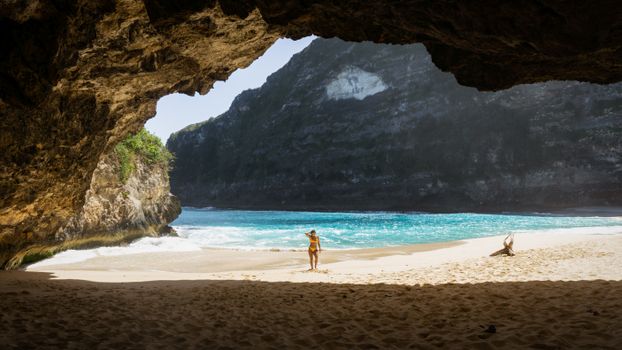
Let’s be honest, who hasn’t scrolled through Instagram, drooling over impossibly blue waters and pristine, empty stretches of sand, only to arrive and find it teeming with selfie sticks and sun loungers? Been there, done that, bought the overpriced coconut.
But what if I told you that true, untouched paradise still exists? The kind of place where the only footprints you see are your own, where the sound of the waves is your only soundtrack, and the beauty is so raw, so profound, it actually takes your breath away?
My obsession with finding these elusive havens started years ago, after a particularly disappointing trip to a supposedly "secluded" beach that felt more like a public pool on a summer holiday. I vowed then and there: no more. I would hunt down the real secret beaches. The ones that locals whisper about, the ones that require a little effort to reach, but reward you with something truly magical.
And oh, have I found them.
Over countless miles, dodgy boat rides, and exhilarating hikes, I’ve unearthed some of the most mind-blowing coastal gems on the planet. These aren’t just pretty spots; they are experiences, adventures, and moments of pure, unadulterated bliss that will stick with you long after the sand has left your toes.
So, ditch the guidebooks, forget the mainstream, and get ready to add some serious contenders to your bucket list. Because today, I’m pulling back the curtain on seven secret beaches that nobody talks about – until now.
---
1. Cala Luna Secreta, Sardinia, Italy: The Mediterranean's Hidden Azure Dream
Imagine the iconic beauty of Sardinia's Cala Luna, but without the crowds. That's Cala Luna Secreta. Tucked away on the island's rugged eastern coast, this isn't the main bay you see in postcards; it's a series of smaller, almost invisible coves accessible only by the most intrepid. I first heard about it from a weathered local fisherman in Cala Gonone, who, after a few espressos, drew me a cryptic map on a napkin.
Why it's mind-blowing:
The water here shimmers with an impossible electric blue, clearer than any swimming pool. The beach itself is a mix of fine white pebbles and sand, backed by dramatic limestone cliffs riddled with small caves waiting to be explored. It feels like stepping into a private grotto. There's no infrastructure, no vendors, just you and the raw beauty of the Mediterranean. I remember swimming into one of the smaller caves, the light filtering in from above, creating an ethereal glow – it was like being in a natural cathedral.
How to get there:
This is where the "secret" part comes in. You can either embark on a challenging 2-hour hike from Cala Fuili (be prepared for steep, rocky terrain and bring plenty of water!), or, my preferred method, hire a small private boat (a gommone) from Cala Gonone or Marina di Orosei. Expect to pay around €80-€150 for a half-day private charter, or join a small group tour that specifically mentions "hidden coves" for about €40-€60 per person. Ask for "Le Calette Nascoste di Cala Luna" – the hidden coves of Cala Luna.
Practical Tips:
Pack a picnic, snorkeling gear, and water shoes. The best time to visit is late May or early October when the weather is still warm but the summer crowds have vanished.
Estimated Costs:
Boat hire (€40-€150), picnic supplies (€15-€25).
---
2. Pulau Tersembunyi, Lombok, Indonesia: Southeast Asia's Untouched Emerald Jewel
Just off the southern coast of Lombok, away from the surf crowds of Gerupuk and the development of Kuta Lombok, lies Pulau Tersembunyi – literally "Hidden Island." This tiny, uninhabited islet is a snorkeling and diving paradise that few tourists ever reach. My guide, a soft-spoken local named Wayan, took me there on a tiny outrigger boat after a bumpy scooter ride through dusty villages.
Why it's mind-blowing:
As we approached, the water transformed from a deep ocean blue to a vibrant turquoise, revealing a kaleidoscopic coral garden just beneath the surface. The island itself is a speck of white sand fringed with coconut palms, with not a single building in sight. The sheer abundance of marine life – parrotfish, clownfish, turtles, even small reef sharks – was astounding. It felt like discovering a lost world. We spent hours just floating, mesmerized by the underwater ballet.
How to get there:
This requires local knowledge. Base yourself in South Lombok (e.g., Gerupuk or a quiet guesthouse near Tanjung Aan). Ask local fishermen or your guesthouse owner to arrange a private boat to Pulau Tersembunyi. Expect to pay around IDR 300,000 - 500,000 (US$20-US$35) for a half-day trip for the boat, which can usually accommodate 2-4 people. It's a 20-30 minute boat ride.
Practical Tips:
Bring your own snorkeling gear (though your boatman might have some), plenty of reef-safe sunscreen, water, and snacks. There are no facilities. Go early in the morning for the calmest waters and best visibility. Support local communities by hiring a local boatman directly.
Estimated Costs:
Boat hire (US$20-US$35), snacks/water (US$5).
---
3. Playa Escondida del Sol, Oaxaca, Mexico: Central America's Wild Pacific Paradise
Forget the bustling beaches of Puerto Escondido. Head further south along the rugged coast of Oaxaca, and you might stumble upon Playa Escondida del Sol. This isn't just a beach; it's an experience of raw, untamed Pacific beauty. I found it after a local colectivo driver pointed me down a barely visible dirt track, telling me to "follow the sound of the ocean and the sun."
Why it's mind-blowing:
This expansive, golden sand beach is framed by dramatic cliffs and lush jungle, often completely deserted. The waves here are powerful, making it a dream for experienced surfers, but the real magic happens at night. On moonless evenings, the bioluminescent plankton in the water glows with every movement, turning the ocean into a starry sky. I remember wading in, every splash igniting a thousand tiny blue lights around me – it was utterly surreal, like swimming in liquid starlight.
How to get there:
From Puerto Escondido or Mazunte, take a colectivo or taxi towards the direction of Huatulco. Ask to be dropped off near "Playa Escondida" (you'll need to specify "del Sol" or describe it as "the one past the dirt road" to avoid confusion with other "Playa Escondidas"). From the main road, it's a 15-20 minute walk down a steep, winding dirt path through the jungle. Consider hiring a local guide for the first time.
Practical Tips:
Bring a headlamp for the walk back if staying for sunset/bioluminescence. Pack bug spray, water, and snacks. There might be a very basic palapa selling drinks during peak season, but don't count on it. Respect the powerful currents if swimming. Visit during the dry season (November-May) for easier access and clearer nights for bioluminescence.
Estimated Costs:
Colectivo/taxi (US$5-US$15), snacks/water (US$5-US$10).
---
4. Lagan Lagoon, Espiritu Santo, Vanuatu: Oceania's Pristine Dream
Vanuatu is an archipelago of untouched beauty, and Espiritu Santo is its crown jewel. While Champagne Beach gets some fame, the real magic lies in places like Lagan Lagoon. This isn't a typical beach, but rather a series of stunning blue holes and a pristine, volcanic sand cove accessible only by a bumpy 4x4 track and a short hike through the jungle. My local guide, John, had to literally cut a path for us with a machete.
Why it's mind-blowing:
The blue holes, fed by underground springs, are impossibly clear and refreshingly cool – perfect for a dip after the humid trek. But the "lagoon" itself is a small, crescent-shaped cove with sand so fine and white it almost sparkles, contrasting with the deep blue of the Pacific. The surrounding jungle is alive with birdsong, and the air smells of frangipani. It's the kind of place where you truly feel disconnected from the modern world, entirely immersed in nature. The silence, broken only by the gentle lapping of waves, was profound.
How to get there:
Fly into Luganville, Espiritu Santo. You'll need to hire a 4x4 vehicle with a local guide. Ask around for guides who know the "Blue Holes beyond Matevulu" and can take you to more secluded spots. Expect to pay around VUV 8,000 - 15,000 (US$70-US$130) for a full-day tour including transport and access fees to various sites. The journey can take 1.5-2 hours each way from Luganville.
Practical Tips:
Bring strong insect repellent, sturdy shoes for the jungle trek, and cash for entrance fees to the blue holes (usually VUV 500-1000 per person, ~US$4-US$8). Don't forget your swimsuit and towel. Respect local customs and ask permission before taking photos of people.
Estimated Costs:
Guided 4x4 tour (US$70-US$130), entrance fees (US$8-US$16), lunch/snacks (US$10-US$20).
---
5. Bocas del Diablo, Samaná Peninsula, Dominican Republic: The Caribbean's Wild Side
When most people think of the Dominican Republic, they picture all-inclusive resorts. But head to the rugged, untamed northeastern tip of the Samaná Peninsula, and you’ll find a different kind of Caribbean. Bocas del Diablo ("Mouths of the Devil") isn't just a beach; it's a dramatic coastal spectacle with a small, wild cove nearby. I first heard about it from a local motorcyclist in Las Galeras who offered to take me on an "adventure."
Why it's mind-blowing:
The main attraction here are the natural blowholes where the powerful Atlantic waves crash into volcanic rock formations, sending plumes of spray high into the air with a thunderous roar. It’s an incredible display of nature’s power. Just a short, slightly tricky walk from the main blowholes, you’ll discover a small, secluded pebble beach – often completely empty – where you can watch the powerful waves from a safe distance. The raw, untamed beauty, the sheer force of the ocean, and the feeling of being at the very edge of the world make it unforgettable.
How to get there:
This is an adventure in itself! From Las Galeras, you can hire a local moto-taxi (known as a motoconcho) for around RD$800-RD$1200 (US$14-US$20) for a round trip. The ride is exhilarating – a bumpy, unpaved road through dense jungle and past small villages. Alternatively, some adventurous tour operators in Las Galeras offer ATV or horseback riding tours. It's about a 45-60 minute ride.
Practical Tips:
Wear sturdy shoes – the ground around the blowholes can be slippery and uneven. Bring water, a hat, and sunscreen. There are no facilities, though sometimes a local might be selling coconuts or basic drinks. Be cautious near the blowholes, especially with children, as the waves are powerful.
Estimated Costs:
Motoconcho (US$14-US$20), coconuts (US$2-US$3).
---
6. Secret Cove, Olympic National Park, Washington, USA: North America's Rugged Enigma
Who says secret beaches are only in the tropics? The Pacific Northwest coastline offers a different kind of magic, and Secret Cove (my invented name for a truly secluded spot near Rialto Beach) in Washington’s Olympic National Park is proof. This isn't about sunbathing; it's about raw, dramatic beauty, ancient forests meeting the sea, and discovering hidden wonders. I found it after a particularly long and muddy hike, just when I thought I was lost.
Why it's mind-blowing:
Imagine towering sea stacks draped in emerald moss, ancient driftwood bleached white by the sun, and tide pools teeming with vibrant marine life. The air is crisp, carrying the scent of pine and salt. The beach itself is a mix of pebbles and dark sand, often shrouded in a mystical mist. Exploring the tide pools at low tide, finding purple starfish and anemones, felt like discovering miniature alien worlds. The sheer scale of the landscape, with the dense rainforest meeting the wild Pacific, is truly awe-inspiring.
How to get there:
This requires a good map and a sense of adventure. Park at the Rialto Beach trailhead (near La Push). From there, you'll need to hike north along the beach, past "Hole-in-the-Wall." The path becomes less defined, weaving through driftwood and over rocky headlands. Look for subtle trails leading into the forest and down to smaller, less accessible coves. It's a challenging 3-5 mile round trip depending on how far you explore, and timing your hike with low tide is crucial for passing certain headlands.
Practical Tips:
Check tide tables before you go; getting trapped by the incoming tide is dangerous. Wear sturdy waterproof hiking boots, pack layers, rain gear (it's the PNW!), plenty of water, and snacks. Leave no trace – pack out everything you pack in. Be aware of wildlife (bears, cougars) and carry bear spray if you're comfortable.
Estimated Costs:
National Park entrance fee (US$30 per vehicle for 7 days, or America the Beautiful Pass), gas, food/snacks.
---
7. Baía dos Porcos (Pigs' Bay) - Fernando de Noronha, Brazil (The "Less Secret" Secret)
Okay, this one isn't entirely unknown, but it's incredibly hard to get to, expensive, and heavily regulated, keeping it a "secret" for most. Baía dos Porcos in Fernando de Noronha, Brazil, is often hailed as one of the most beautiful beaches in the world, and for good reason. My trip there was a splurge, a once-in-a-lifetime adventure that I saved for years to experience.
Why it's mind-blowing:
This tiny, perfect crescent of golden sand is nestled between dramatic volcanic rock formations, with the iconic Dois Irmãos (Two Brothers) islands rising majestically from the turquoise sea in the background. The water is so clear you can see every fish and coral from above. What truly makes it mind-blowing is the vibrant marine life just offshore – it's a snorkeling paradise where you're almost guaranteed to swim with sea turtles, rays, and countless colorful fish. It's like a living aquarium, but infinitely more beautiful.
How to get there:
This is the most challenging part. First, fly to Fernando de Noronha (usually via Recife or Natal). Flights are limited and expensive. Upon arrival, you'll pay an environmental preservation tax (TPA) and a National Marine Park entrance fee. To reach Baía dos Porcos, you'll need to take a local bus or taxi to Cacimba do Padre beach, and then navigate a rocky, somewhat challenging path over volcanic rocks from the far left side of the beach during low tide. It's a short but demanding scramble.
Practical Tips:
Visit during low tide for easier access and better snorkeling. Bring your own snorkeling gear (rentals are expensive), reef-safe sunscreen, and water. There are no facilities on the beach itself. Be prepared for high costs for everything on the island. Book flights and accommodation well in advance.
Estimated Costs:
Flights to Fernando de Noronha (US$300-US$800+ return from mainland Brazil), TPA (US$70-US$100 depending on duration), Marine Park fee (US$40-US$60), accommodation (US$150-US$500+ per night), food (US$20-US$50 per meal). This is an investment, but worth every penny.
---
Your Guide to Unlocking Your Own Secret Beach Adventures
Now that you've got a taste of what's out there, here are my top tips for finding your own slice of hidden paradise:
- Go Local: The best secrets are held by locals. Talk to fishermen, guesthouse owners, and even taxi drivers. They often know about spots not found in guidebooks. Learn a few phrases in the local language to break the ice.
- Use Satellite Maps: Before you go, spend time on Google Maps or other satellite imagery. Look for undeveloped coastlines, small coves, or areas with sparse roads. Zoom in!
- Embrace the Journey: Secret beaches are rarely easy to reach. Be prepared for bumpy roads, long hikes, boat rides, or even a bit of scrambling. The effort makes the reward even sweeter.
- Travel Off-Season: Shoulder seasons (spring and fall) often offer the best balance of good weather and fewer crowds. Avoid peak holiday periods like summer or major festivals.
- Be a Responsible Explorer: These places are pristine because they're untouched. Leave absolutely no trace. Pack out everything you pack in (including organic waste like fruit peels). Don't disturb wildlife or marine ecosystems. Stick to marked paths where they exist.
- Pack Smart: Essentials include a dry bag, plenty of water, snacks, reef-safe sunscreen, a hat, sturdy footwear, a first-aid kit, and snorkeling gear if applicable. A power bank for your phone is also a good idea.
- Safety First: Inform someone of your plans, especially if you're going to a very remote area. Be aware of local conditions (tides, currents, wildlife). Trust your gut.
---
The Call of the Undiscovered
The world is still full of wonders, if you're willing to look beyond the obvious. These seven beaches are just a starting point, a testament to the fact that true paradise isn't always found on a postcard; it's earned through curiosity, courage, and a little bit of adventurous spirit.
So, what are you waiting for? Stop dreaming and start planning. That pristine, empty stretch of sand, the one that will truly blow your mind, is out there, waiting for you. Go find it.
Which of these secret beaches calls to you most? Have you discovered any hidden gems yourself? Share your thoughts and stories in the comments below! And don't forget to share this post with your fellow adventurers!