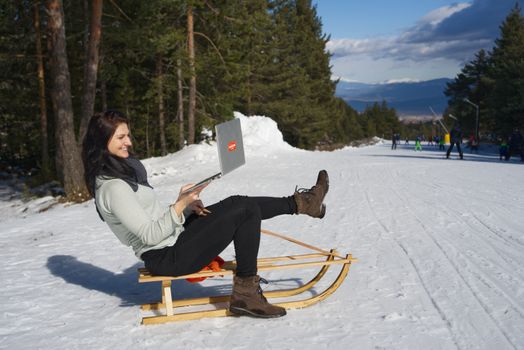
Working while traveling sounds wonderful until the first day your wifi drops before a deadline, your jet-lagged brain refuses to focus, or a beautiful view keeps pulling you away from your laptop. Productivity on the road is not about hacks or secrets. It is about a handful of dependable habits, a bit of preparation and honest expectations about what you can do in a day.
This guide is for anyone who has to get real work done while away from home, whether you are a full-time remote worker, a freelancer on a long trip or an employee taking a few "workcation" weeks. The advice is general, so adjust it to your job, your employer's rules and your own energy.
Decide What "Productive" Means on a Trip
Before you leave, decide what productive means for this trip. A realistic answer prevents guilt on both sides: guilt about not working enough and guilt about not enjoying the place.
Ask yourself:
- Which tasks absolutely must happen, and by when?
- Which hours do others need to reach me?
- How many focused hours can I realistically give per day?
- What do I want to see or do that I will regret missing?
Many people find that four to six hours of focused work is a solid day, even though a normal office day feels longer. Travel adds friction in the form of navigation, food, transport and decisions, so expect fewer hours and aim for good ones.
Talk to your manager or clients early if your availability will change. Clear expectations about response times protect your relationships and your holiday time. If you work for an employer, also check their policy on working from abroad, which can involve tax, insurance and immigration questions. For anything legal or tax-related, consult a qualified professional.
Build a Simple Routine and Keep It Small
New places disrupt habits, so a short, repeatable routine is your anchor. It does not need to be elaborate.
A good travel routine might include:
- A consistent wake-up time, within an hour or so each day.
- Light, a short walk or some stretching in the morning.
- A first work block while energy is highest, usually before the day's sightseeing.
- A proper meal and a break away from the screen.
- A second, shorter block, or a flexible afternoon.
- A shutdown ritual, such as writing tomorrow's top three tasks.
Protect your most important task by doing it first. If a long travel day or a sightseeing excursion arrives unexpectedly, you will still have achieved the main thing.
Choose Where You Stay With Work in Mind
Your accommodation can make or break your output.
- Reliable internet. Ask the host or hotel about actual speeds, not just "wifi available". Request a speed test screenshot for apartments when you are staying for more than a few days.
- A real desk and chair. Working from a bed or sofa strains your back and your concentration. If a place lacks a proper workspace, look at coworking spaces.
- Quiet. Check reviews for noise from streets, construction or neighbours.
- Power and plugs. Bring an adapter and a power strip if you have several devices.
- Light. Natural light helps energy and video calls.
For short stays, you can ask a hotel whether a desk or quiet lounge is available. For longer stays, an apartment with a kitchen usually helps you save money and keep a regular schedule.
Workspaces Beyond Your Room
Variety helps focus, but choose spaces wisely.
Coworking spaces
offer fast internet, desks, meeting rooms and the chance to meet others. Many offer day passes or weekly memberships. Visit before committing if possible.
Cafés
are popular, though results vary. Pick places with plenty of seating and outlets, order something regularly to be courteous, and avoid long calls in small, busy cafés.
Libraries
can be quiet and free or low-cost. Check the opening hours and rules about visitors.
Hotel lobbies and lounges
sometimes work well, but policies differ.
Wherever you work, think about security. Avoid leaving devices unattended, use a privacy screen in public places and be careful with sensitive information.
Make Connectivity Dependable
Poor internet is the most common productivity killer on the road. Layer your backups.
- A local SIM or eSIM gives mobile data as a fallback. Check your phone is unlocked and whether the destination has easy options at the airport or online.
- Mobile hotspot. Test tethering from your phone before you rely on it, and know your data limits.
- A virtual private network (VPN) can protect you on public wifi. Use a reputable service and follow your employer's guidelines. In some countries, VPN use is restricted, so check local rules.
- Offline access. Download documents, maps and key files before travelling so a dropped connection is a nuisance rather than a crisis.
- Know the nearest alternative. Before an important call, note a nearby café, coworking space or library you can move to if your connection fails.
Do not leave critical calls to chance. Test your audio, camera and connection in the hours beforehand.
Time Zones and Schedules
If your team or clients are in another time zone, plan the overlap carefully.
- Agree a window of hours when you will be reachable, and tell people clearly.
- Use a shared calendar that displays time zones, and double-check meeting times when daylight saving changes occur at different dates in different countries.
- Where possible, batch meetings into specific days or blocks to keep other hours free for deep work.
- Use asynchronous tools, such as shared documents and recorded updates, to reduce the number of live meetings.
If the time difference forces unusual hours, offset them by adjusting your sightseeing. Working early or late may free the middle of the day for exploring, but do not do this every day, or sleep will suffer.
Manage Energy, Not Just Time
Travel is tiring even when it is fun. Productivity follows energy.
Sleep
Protect sleep above almost anything. Jet lag, noisy rooms and late dinners can drain focus. Get daylight in the morning, avoid heavy meals and caffeine late in the day, and try to keep a consistent bedtime. If you take medication or supplements for sleep, check with a doctor. This is general information, not medical advice.
Movement
A walk between work blocks does more for focus than another coffee. Exploring on foot counts as exercise and gives you the destination at the same time.
Food and water
Skipping meals because you are busy or hurrying between places leads to afternoon crashes. Keep water and a snack with you.
Recovery days
After a long journey, plan a light day. Trying to start important work immediately after landing usually costs more than it saves.
Plan Around Travel Days
Travel days are rarely productive, so treat them as such.
- Do not schedule important meetings or deadlines on travel days if you can avoid it.
- Put easy tasks such as reading or email triage on flights, if you feel up to it.
- Download what you need before departure.
- Pack a bag that lets you work comfortably: charger, headphones, power bank and a notebook.
- Arrive a day early before a major commitment, so a delay does not become a disaster.
Tools That Keep You Organised
You do not need many tools, but a few choices help.
- A task list you trust, whether an app or a paper notebook.
- A notes system that works offline.
- A password manager with secure access if a device is lost.
- Cloud backups so a lost laptop is an inconvenience rather than a disaster.
- Noise-cancelling headphones for flights, cafés and shared spaces.
- A lightweight laptop stand and keyboard if you work long hours, which are kind to your back and wrists.
Keep your setup light. Heavy gear is a burden on the road.
A Sample Day That Balances Both
Here is how a realistic working day in a new city might look. Adjust the hours to your own job and time zone.
- Early morning: Wake up, drink water, take a short walk to find breakfast and get daylight.
- Mid-morning: A focused block of two to three hours on your most important task, with notifications off.
- Midday: A proper lunch away from the screen, ideally somewhere local, followed by a short stroll.
- Afternoon: A second, lighter block for calls, email and smaller tasks.
- Late afternoon: Free time for a museum, a market, a swim or a viewpoint while the light is good.
- Evening: Dinner, then a five-minute plan for tomorrow, and an early enough night to sleep well.
Notice that the day contains both substantial work and a real taste of the place. If a day goes sideways, the first block is your safety net.
Working on Trains, Planes and Buses
Transit time is not wasted time if you prepare for it. Trains with tables and power sockets can be excellent mobile offices, though wifi on board is often patchy, so download your files first. Planes suit offline tasks like writing, editing or planning. Buses and shared transport are bumpy and crowded, so keep them for reading or listening. If you need to take a call while moving, use headphones with a good microphone, move to a quieter area when possible and be considerate of other passengers.
Protect Your Time Off
Work expands to fill the space you let it. Setting boundaries is part of productivity.
- Choose days or half days that are entirely work-free, and tell colleagues.
- Switch off notifications outside your agreed hours.
- Avoid checking email during sightseeing; if you must, do it at a set time.
- Plan one meaningful experience each week so the trip feels like a trip, not a long office stay.
A trip where you only worked is a lost opportunity, and a trip where you never worked can be a strain on your employer or clients. The balance depends on your situation, but being deliberate about it is the key.
Common Mistakes to Avoid
- Overscheduling. Trying to see everything and do everything at the same time.
- Underestimating logistics. Moving every few days eats time and energy. Consider staying longer in fewer places.
- Relying on one internet source. Always have a backup.
- Ignoring security. Use strong passwords, two-factor authentication and updated software.
- Skipping local rules. Visa conditions, work permission and tax can matter if you stay for long. Check official government guidance.
Frequently Asked Questions
How many hours should I plan to work each day while traveling?
Many people find four to six focused hours realistic. It depends on your job, your time zone and your destination. Start modestly and adjust.
Is it better to work in cafés or coworking spaces?
Coworking spaces are usually more reliable for calls and long sessions, while cafés suit lighter tasks. A mix often works well.
How do I deal with jet lag and deadlines?
Avoid scheduling important work during the first day or two after a long flight. Get daylight, keep to local meal times and sleep as much as you can.
Do I need a visa to work remotely while abroad?
Rules differ widely. Some countries have digital-nomad visas, while others treat remote work on a tourist visa differently. Check the official immigration site of your destination and seek professional advice.
Summary
Staying productive while traveling comes down to realistic goals, a small routine, a workable place to sit and dependable internet. Plan around time zones, protect your sleep and energy, and treat travel days as travel days. Keep your tools simple, set boundaries so work does not swallow your trip, and check employer and immigration rules in advance. When you work in focused blocks and then truly step away, you get the best of both: work that gets done, and a trip you actually enjoy.