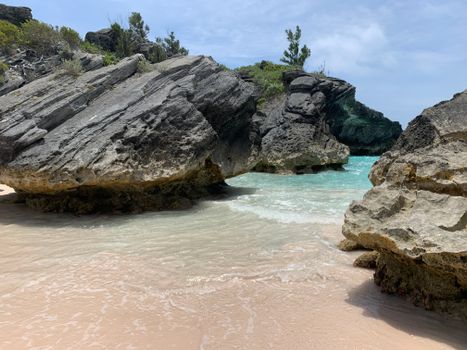
Remember that feeling? The one where you spend hours researching, dreaming of that "unspoiled paradise" you saw online, only to arrive and find it teeming with fellow tourists, selfie sticks, and the faint, melancholic echo of what once was? Yeah, I’ve been there. Too many times. My quest for truly untouched beauty, for the kind of pristine shores that whisper tales of discovery rather than shout commercial slogans, led me down winding paths, across choppy waters, and through dense jungles. It led me to the secret beaches – the ones nobody talks about, at least not yet.
For years, I've made it my mission to sniff out these elusive havens. It's not just about avoiding crowds; it's about connecting with nature in its rawest form, experiencing a sense of tranquility that's increasingly rare, and earning that view with a little bit of effort. These aren't your resort-front beaches; these are wild, untamed beauties that demand a spirit of adventure. And today, I'm pulling back the curtain on a few of my most cherished finds, sharing the magic before the world catches on.
Get ready to bookmark, screenshot, and start planning. Because these aren't just beaches; they're experiences waiting to be etched into your soul.
---
1. Praia da Ursa, Sintra-Cascais Natural Park, Portugal: Where the Wild Atlantic Roars
My first encounter with Praia da Ursa was entirely by accident. I was driving the rugged coastline near Cabo da Roca, the westernmost point of mainland Europe, seeking a quiet spot to watch the sunset. A tiny, almost invisible dirt track veered off the main road, beckoning me with an undeniable allure. "Why not?" I thought, and that decision led me to one of the most dramatic and unforgettable beaches I’ve ever seen.
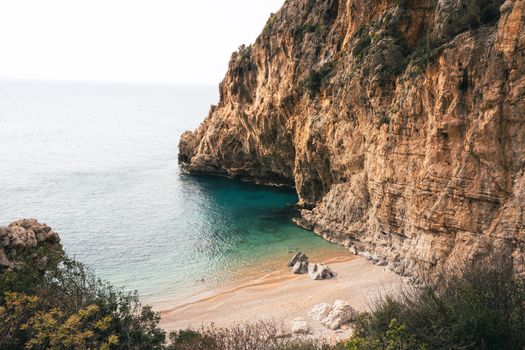
Praia da Ursa, meaning "Bear Beach," is named after a towering rock formation resembling a bear holding its cub. It's a raw, untamed stretch of golden sand nestled beneath colossal, wind-sculpted cliffs. The Atlantic here is a vibrant, restless turquoise, crashing against the shore with an exhilarating power. Getting there is half the adventure: a steep, winding, and sometimes slippery hike down from the clifftop. It’s not for the faint of heart or those wearing flip-flops, but every careful step is rewarded with a view that will steal your breath.
My Anecdote:
I remember reaching the bottom, my legs burning, and just standing there, mouth agape. There were only two other people on the entire beach – a couple having a picnic. The sheer scale of the cliffs, the roar of the ocean, and the feeling of complete isolation were overwhelming in the best way. I spent hours exploring the tide pools, watching gulls soar, and feeling utterly insignificant in the face of such natural grandeur. It felt like I had stumbled upon the edge of the world.
Why it's Still Secret:
Its challenging access deters most tourists, who opt for the more accessible beaches closer to Lisbon or Cascais. It’s a local secret, cherished by hikers and nature lovers.
Practical Tips:
* Getting There: Drive or take a bus to Cabo da Roca. From there, the trail starts near the lighthouse. Parking is available at the top.
* Difficulty: Moderate to challenging hike (30-45 mins down, 45-60 mins up). Wear sturdy shoes.
* What to Bring: Water, snacks, a towel, sunscreen, and definitely a camera. There are no facilities.
* Best Time to Visit: Late spring or early autumn for pleasant weather and fewer people. Avoid windy days as the cliffs can be treacherous.
* Instagram Moment: The towering rock formations (Ursa and Gigante), captured from the beach or from the clifftop trail. The dramatic sunset views are unbeatable.
---
2. Nagtabon Beach, Palawan, Philippines: Palawan's Undiscovered Gem
Everyone goes to El Nido or Coron when they visit Palawan, and for good reason – they’re stunning. But after navigating the crowds and the boat tours, I craved something quieter, something that felt truly mine. A local tricycle driver in Puerto Princesa whispered about Nagtabon Beach, a place "where the city folk go on weekends, but tourists rarely find." Intrigued, I rented a motorbike and set off on a bumpy, dusty journey.
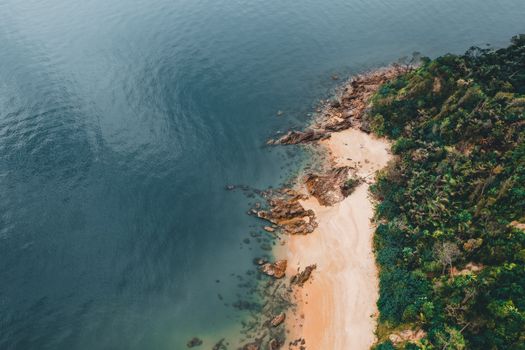
And oh, what a journey it was! Nagtabon is a long, sweeping crescent of powdery white sand, fringed by swaying coconut palms and backed by verdant hills. The water here is a mesmerizing gradient of blues, crystal clear and inviting. Unlike the bustling shores of El Nido, Nagtabon exudes a laid-back, almost sleepy charm. There are a few small, rustic eateries serving fresh seafood and cold drinks, but no resorts, no loud music, just the gentle lull of the waves.
My Anecdote:
I arrived late one afternoon, just as the sun began its descent, painting the sky in fiery oranges and purples. I bought a fresh grilled fish from a small bamboo shack, a cold San Miguel, and sat on the sand, watching local kids play in the shallows. A friendly dog napped by my feet. It was pure, unadulterated bliss – the kind of simple, authentic experience that often gets lost in more touristy areas. I remember thinking, "This is the real Palawan."
Why it's Still Secret:
It requires a bit of effort to reach from Puerto Princesa (about an hour's drive), and it's not on the main tourist circuit. Most visitors to Palawan head directly to the northern islands.
Practical Tips:
* Getting There: From Puerto Princesa, rent a motorbike (around 500 PHP/day) or hire a private tricycle/van (around 800-1500 PHP round trip, depending on negotiation). The road is mostly paved but some sections can be rough.
* Accommodation: No major resorts. A few local guesthouses or homestays can be found nearby, or you can stay in Puerto Princesa and do a day trip.
* What to Do: Swim, sunbathe, surf (seasonal, best during the rainy season from July to October), or simply relax and enjoy the peace.
* Food: Small local eateries offer delicious, fresh seafood at very affordable prices (e.g., grilled fish for 150-250 PHP).
* Instagram Moment: The long stretch of white sand with palm trees, especially during sunset. Capture the local life – fishing boats, children playing.
---
3. Playa Mermejita, Mazunte, Oaxaca, Mexico: Pacific Serenity & Bioluminescent Nights
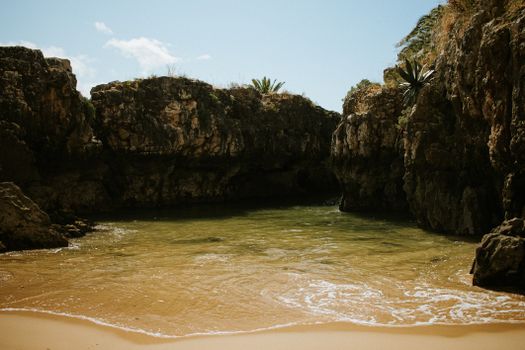
Mexico’s Pacific coast is famous for its vibrant surf towns and resorts. But tucked away near the bohemian villages of Mazunte and San Agustinillo in Oaxaca is Playa Mermejita, a beach that feels like a forgotten paradise. It’s a wild, expansive stretch of dark golden sand, backed by rugged hills and kissed by the powerful Pacific waves. While swimming can be challenging due to strong currents, its raw beauty, stunning sunsets, and proximity to unique natural phenomena make it an absolute must-visit.
What truly sets Mermejita apart is its untouched atmosphere. There are no vendors, no beach clubs, just the vast ocean and the occasional local walking their dog. It’s a place for contemplation, for long walks, and for soaking in the immense power of nature. And if you’re lucky enough to visit during the right time, the nearby Laguna de Ventanilla offers a magical bioluminescent experience that will forever change your perception of the night sky.
My Anecdote:
I spent a week in Mazunte, and every evening, I'd make the short walk to Mermejita to watch the sunset. One particular evening, after the last sliver of sun dipped below the horizon, I joined a local tour to the nearby lagoon. Paddling a small boat through the inky black water, every stroke of the oar ignited a galaxy of shimmering blue-green light. It was like swimming through liquid stardust. The experience, combined with the peaceful solitude of Mermejita, felt like a secret gift from Oaxaca.
Why it's Still Secret:
While Mazunte is gaining popularity, Mermejita itself remains less frequented due to its strong currents and lack of commercial development. It's often overshadowed by the more accessible swimming beaches like San Agustinillo or Zipolite.
Practical Tips:
* Getting There: Fly into Huatulco (HUX) or Puerto Escondido (PXM). From there, take a shared taxi (colectivo) or private taxi to Mazunte (approx. 1 hour). Playa Mermejita is a 10-15 minute walk from the main street of Mazunte.
* Accommodation: Stay in Mazunte or San Agustinillo. Plenty of eco-cabins, boutique hotels, and guesthouses are available for all budgets (from 300 MXN for a basic cabin to 1500+ MXN for a comfortable hotel).
* What to Do: Watch sunsets, long walks, explore tide pools, visit the Mexican Turtle Center in Mazunte, take a bioluminescence tour in Laguna de Ventanilla (ask locals for trusted guides, around 150-200 MXN).
* Food: Mazunte and San Agustinillo offer incredible food, from street tacos to fresh seafood restaurants.
* Instagram Moment: The dramatic sunsets over the Pacific, the rugged coastline, and if you're skilled with long exposure, the bioluminescence.
---
4. Betty's Beach, Fitzgerald River National Park, Western Australia: Australia's Pristine Wilderness
Australia is vast, and its coastline is legendary. But beyond the well-trodden paths of the East Coast, lies Western Australia – a land of epic scale and untouched wilderness. Getting to Betty's Beach, tucked away within the magnificent Fitzgerald River National Park, is an adventure in itself. This isn't a beach you just stumble upon; it's one you earn, and the reward is absolute solitude and breathtaking natural beauty.
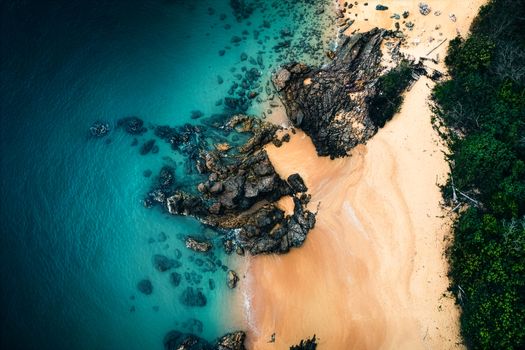
Betty's Beach is a pristine cove of blindingly white sand, lapped by the clearest turquoise water imaginable. It’s a place where kangaroos often hop right onto the beach, where dolphins play in the bay, and where the only footprints you’ll see might be your own. The surrounding national park is a UNESCO Biosphere Reserve, renowned for its incredible biodiversity, especially its unique wildflowers. This is raw, wild Australia at its finest.
My Anecdote:
My journey to Betty's involved a long drive from Perth, followed by navigating some unsealed roads within the park. When I finally rounded the bend and saw the bay, my jaw dropped. It was utterly deserted, save for a few friendly kangaroos grazing near the dunes. I spent an entire day there, swimming in the impossibly clear water, hiking a short trail to a panoramic viewpoint, and simply basking in the silence. As the sun began to set, painting the sky in soft pastels, a pod of dolphins swam gracefully through the bay. It was a moment of pure, unadulterated connection with nature.
Why it's Still Secret:
Its remote location in Western Australia, requiring a significant drive and some off-road navigation, keeps the crowds away. Fitzgerald River National Park is less visited than other Australian parks, preserving its pristine nature.
Practical Tips:
* Getting There: Betty's Beach is located in the Fitzgerald River National Park, roughly a 6-hour drive southeast of Perth. You'll need a reliable vehicle, preferably a 4WD, as some roads within the park are unsealed. A park entry fee applies (around AUD 15-20 per vehicle).
* Accommodation: Camping is available within Fitzgerald River National Park (book ahead, especially during peak season). Basic facilities are available. Alternatively, stay in nearby towns like Bremer Bay or Hopetoun.
* What to Do: Swimming, snorkeling, bushwalking, wildlife spotting (kangaroos, emus, unique birdlife, whales during migration season - June to October).
* What to Bring: All your supplies – water, food, first-aid, fuel. There are no shops or services nearby.
* Instagram Moment: The stark contrast of white sand, turquoise water, and red cliffs. Capture the kangaroos on the beach, the vast, empty expanse.
---
5. Anakao, Madagascar: An Authentic Slice of Malagasy Paradise
Mention Madagascar, and most people think of lemurs and lush rainforests. But this incredible island nation also boasts some of the most stunning, untouched coastlines on Earth. Anakao, a remote fishing village on the southwest coast, is a testament to this. It's not a single beach but a series of pristine coves and stretches of white sand, protected by a vibrant coral reef. This isn't your luxury resort destination; it's an authentic, rustic escape where time slows down, and the rhythm of life is dictated by the tides and the local Vezo fishermen.
Here, you'll find traditional pirogues (outrigger canoes) dotting the horizon, local women collecting shellfish, and children playing on the shore. The atmosphere is incredibly peaceful, the water is warm and clear, and the sunsets over the Mozambique Channel are legendary. It’s a place to disconnect, immerse yourself in local culture, and truly experience a different way of life.
My Anecdote:
Reaching Anakao was an adventure in itself – a bush plane ride from Antananarivo to Tulear, followed by a bumpy taxi ride and then a thrilling pirogue transfer across the bay. I stayed in a simple bungalow right on the beach, falling asleep to the sound of waves and waking up to fishermen heading out for their daily catch. One afternoon, I joined a local fisherman on his pirogue to explore a nearby deserted island. We snorkeled in a kaleidoscope of coral, ate fresh-caught fish cooked over an open fire, and I felt a profound sense of gratitude for this raw, beautiful corner of the world. The warmth of the local people, their genuine smiles, made the experience truly unforgettable.
Why it's Still Secret:
Madagascar itself is off the main tourist trail for many, and Anakao requires multiple modes of transport, making it less accessible than more developed coastal areas. Its rustic nature also deters those seeking luxury.
Practical Tips:
* Getting There: Fly into Tulear (Toliara) from Antananarivo. From Tulear, you can take a taxi-brousse (bush taxi) or private taxi to Anakao (a very bumpy, long ride on sandy tracks) or, more commonly, arrange a boat transfer (pirogue or speedboat) from Tulear's port (around 1-2 hours, 10,000-20,000 MGA for pirogue, more for speedboat).
* Accommodation: Several charming, eco-friendly bungalows and guesthouses are available, offering basic but comfortable stays right on the beach (e.g., L'Etoile de Mer, Anakao Ocean Lodge). Prices vary from 15-50 EUR per night.
* What to Do: Snorkeling or diving on the reef, pirogue trips to nearby islands (Nosy Ve for birdwatching and pristine beaches), kite surfing (seasonal), village walks, enjoying fresh seafood.
* Food: Freshly caught seafood is the staple. Most accommodations offer meals.
* Instagram Moment: Traditional pirogues at sunset, the vibrant coral reefs (underwater shots!), the friendly faces of the local Vezo people.
---
Your Guide to Finding (and Preserving) the Next Hidden Gem
Finding these secret beaches isn't just about a lucky turn; it's about a mindset, a willingness to venture beyond the brochure, and a commitment to responsible travel. Here's how you can embark on your own quest for undiscovered beauty:
- Go Local: The best secrets are held by the people who live there. Talk to locals, ask for their favorite "quiet spots." Learn a few phrases in their language – it opens doors.
- Use Satellite Maps: Before you go, scour Google Maps or other satellite imagery. Look for those promising stretches of sand with no visible roads or development. Sometimes, a faint trail is all you need.
- Embrace the Journey: Often, the most rewarding beaches are those that require effort to reach. A long hike, a bumpy road, or a boat ride can be part of the adventure.
- Travel Off-Season: Even slightly less-known beaches can get busy during peak tourist times. Aim for the shoulder seasons for the best balance of weather and solitude.
- Be Prepared: Remote beaches mean no facilities. Pack plenty of water, snacks, sunscreen, a hat, a first-aid kit, and a fully charged power bank. Inform someone of your plans if heading to a truly isolated spot.
- Leave No Trace: This is paramount. Pack out everything you pack in. Respect local ecosystems, marine life, and communities. Don't disturb wildlife, and avoid taking anything from the natural environment (shells, sand, coral).
- Support Local Economies: When possible, stay in locally-owned accommodations, eat at local eateries, and hire local guides for tours. Your money goes directly to the community that preserves these places.
- Share Responsibly (or Not at All): While I'm sharing these with you, the essence of a "secret" beach is its limited exposure. If you find your own hidden gem, consider keeping it close to your heart, or at least share it with a conscious effort to educate others on responsible tourism. The goal isn't to make them mainstream, but to inspire mindful exploration.
---
Conclusion: The Thrill of the Undiscovered
The world is still full of magic, of places that feel untouched by the relentless march of modern tourism. These secret beaches are more than just pretty backdrops; they are sanctuaries for the soul, places where you can reconnect with yourself, with nature, and with the simple joy of discovery.
So, are you ready to trade the crowded shores for the whisper of the wild? Are you prepared to earn your view, to venture off the beaten path, and to experience the profound beauty of a place before the world catches on? I promise you, the effort is always worth it. The memories you make on these secluded shores will be the ones you cherish most.
Now go forth, explore, and uncover your own slice of paradise. And when you do, share your stories (responsibly, of course!) with us. Tag #TripsoraSecretBeaches – but only if you're sure you want to let the secret out!